
A Complete Guide to Authentic Craftsmanship
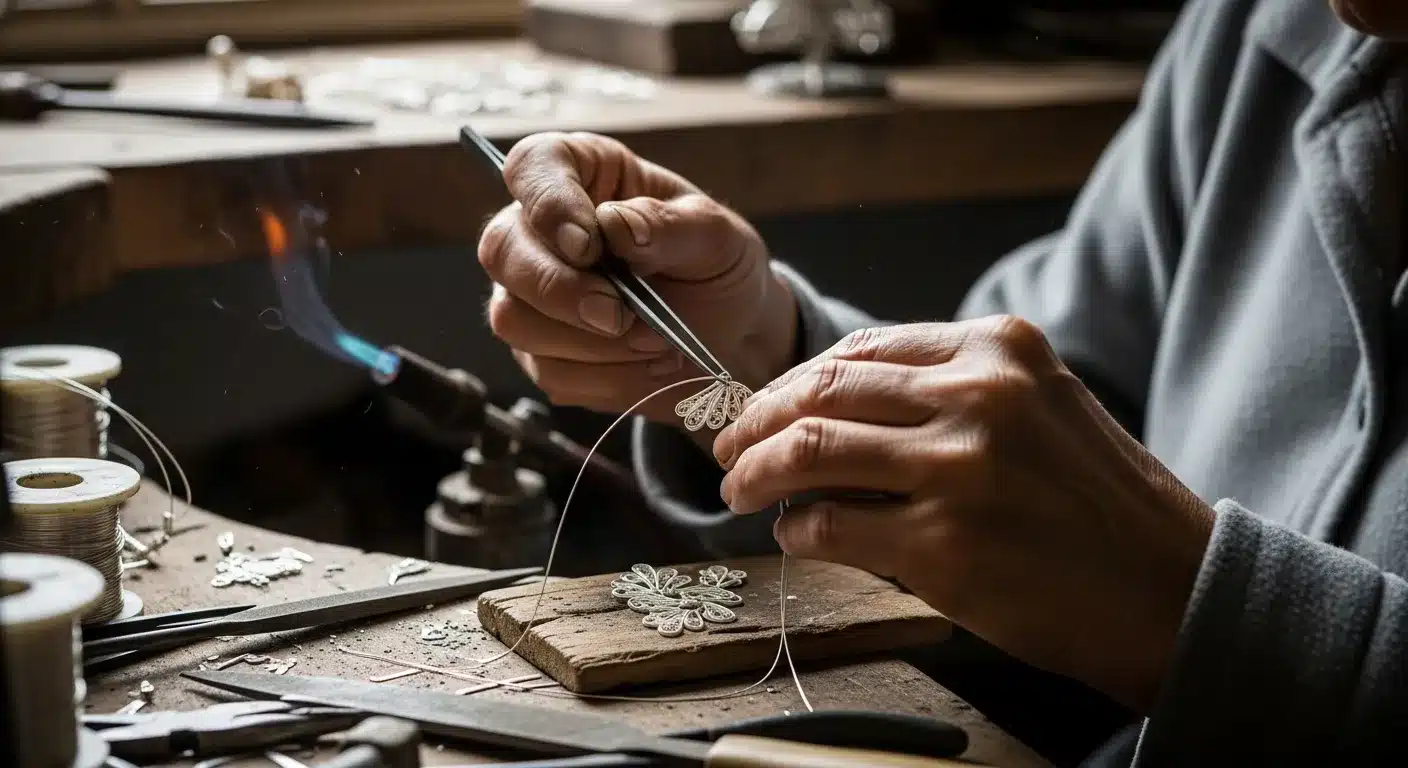
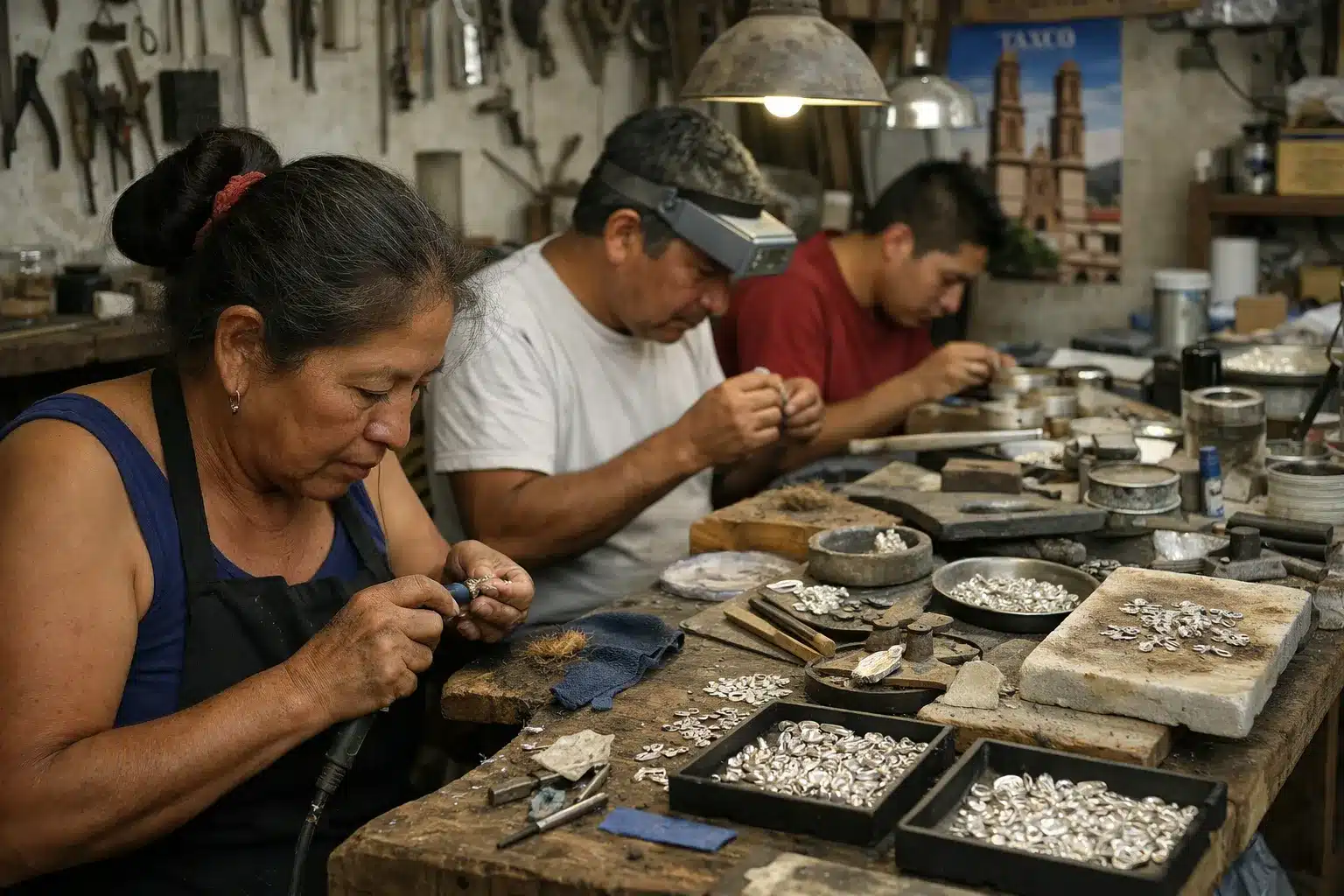
When Maria holds a finished silver bracelet up to the light in her small Taxco workshop, decades of inherited knowledge shine through every hand-hammered curve and carefully set stone. This isn’t just jewelry—it’s wearable heritage, crafted using techniques passed down through four generations of silversmiths in her family. From the ancient art of lost wax casting to the delicate precision of filigree work, each piece tells a story of cultural preservation, artistic dedication, and the enduring beauty of handmade Mexican artisan jewelry.
In a world increasingly dominated by mass production, authentic handcrafted jewelry from Mexico stands apart. These pieces represent more than adornment—they embody centuries of tradition, support thriving artisan communities, and offer collectors something truly irreplaceable. Whether you’re drawn to the legendary silver workshops of Taxco, fascinated by indigenous Huichol beadwork, or seeking fair trade jewelry that makes a genuine social impact, understanding what makes Mexican artisan jewelry special transforms shopping into a meaningful cultural exchange.
This comprehensive guide explores everything from identifying authentic handmade pieces to understanding traditional techniques, fair pricing, and proper care. You’ll learn how to distinguish genuine artisan work from mass-produced imitations, discover the rich heritage behind Mexican silversmithing, and gain the confidence to make informed purchasing decisions that support skilled craftspeople and preserve invaluable cultural traditions.
What Is Handmade Mexican Artisan Jewelry?
Handmade Mexican artisan jewelry represents pieces individually crafted by skilled makers using traditional techniques, often passed down through generations. Unlike factory-produced jewelry stamped out by machines, each artisan piece begins as raw materials—typically sterling silver, natural gemstones, or traditional materials like Huichol beads—and is transformed entirely by human hands into finished wearable art.
The distinction between handmade Mexican jewelry artisan work and mass-produced pieces extends far beyond manufacturing methods. True artisan jewelry carries visible evidence of its creation: subtle variations in texture that prove hand-hammering, slightly asymmetrical elements that reveal hand-sawing and filing, and unique patinas developed through traditional oxidation techniques. These “imperfections” aren’t flaws—they’re signatures of authentic craftsmanship and proof that a real person invested hours of skilled labor into creating something beautiful.
Artisan jewelry encompasses several regional styles across Mexico. Taxco silver jewelry, made in the colonial mountain town known as the “Silver Capital of the World,” features bold sculptural forms and intricate surface work. Huichol jewelry from Jalisco and Nayarit incorporates vibrant beadwork in sacred geometric patterns. Oaxacan filigree showcases impossibly delicate wirework formed into lacy designs. Each tradition reflects its region’s cultural heritage while demonstrating technical mastery refined over centuries.
What truly distinguishes artisan pieces is the connection between maker and object. When you purchase handmade Mexican jewelry, you’re not buying from a corporation—you’re supporting an individual artisan or small family workshop. Many makers can trace their craft lineage back multiple generations, learning techniques from parents and grandparents who learned from their ancestors. This creates an unbroken chain of knowledge preservation, where ancient methods survive because skilled hands continue practicing them daily.
The Taxco Silver Legacy: Heart of Mexican Silversmithing
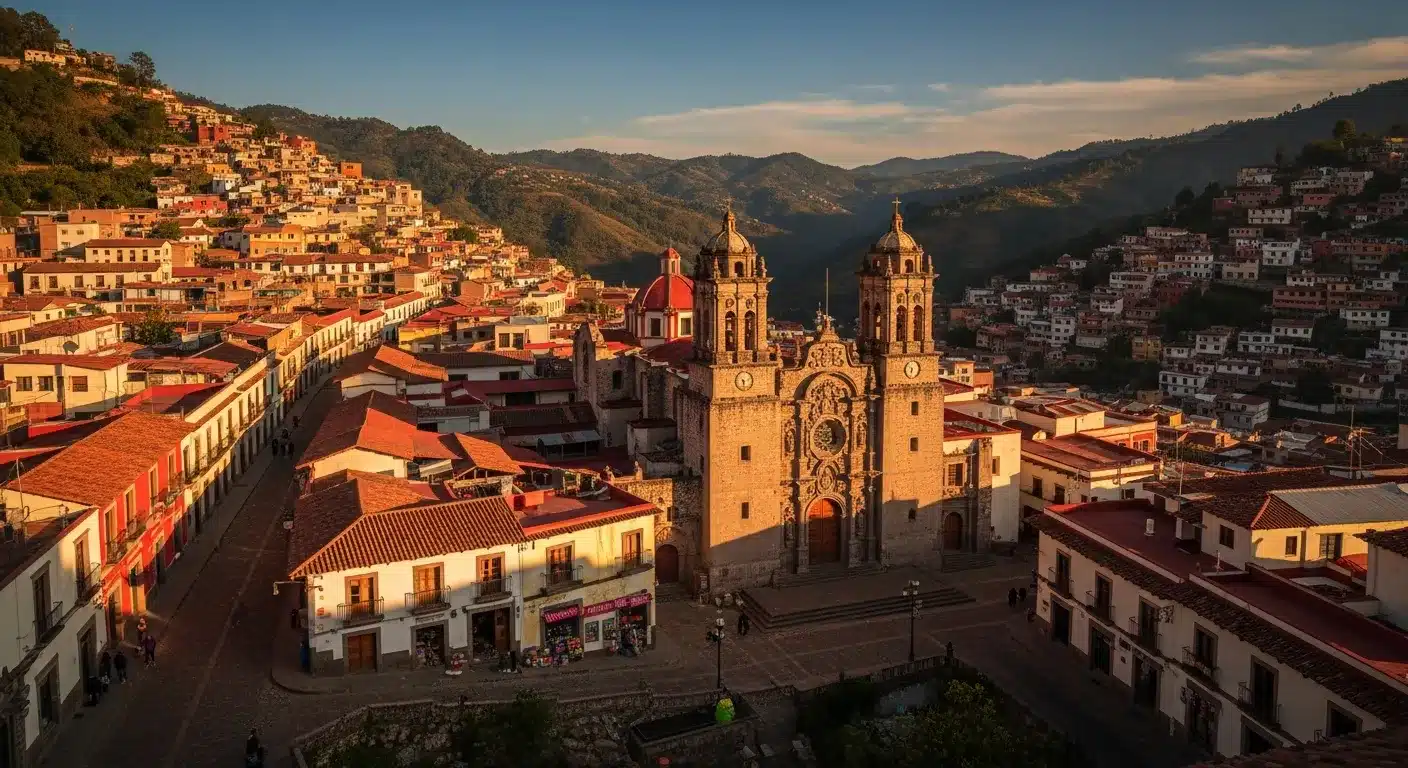
Nestled in the mountains of Guerrero state, approximately 106 miles southwest of Mexico City, Taxco de Alarcón has earned its reputation as Mexico’s silver capital through centuries of rich mining history and unparalleled craftsmanship. The town’s relationship with silver extends back to pre-Hispanic times when indigenous peoples mined the region’s abundant veins and created ornaments for ceremonial use and tribute to Aztec rulers.
Spanish conquistador Hernán Cortés claimed Taxco’s silver deposits in 1521, establishing mining operations that would ship tons of precious metal back to the Spanish Crown. Throughout the colonial period, Taxco flourished as miners extracted silver from the surrounding mountains. The magnificent Santa Prisca Cathedral, completed in 1759 and funded by wealthy mine owner Don José de la Borda, stands today as a stunning testament to the town’s silver wealth during this era.
However, Taxco’s true renaissance as a silversmithing center began in the late 1920s when American architect William Spratling arrived seeking a quiet place to write. Captivated by the exceptional artistic talents of local craftspeople and inspired by pre-Hispanic art he encountered throughout Mexico, Spratling envisioned reviving Taxco’s dormant silverworking traditions. In 1931, he established Taller de las Delicias (Workshop of Delights), hiring local goldsmiths to help him create silver designs that merged traditional Mexican motifs with modern sensibilities.
Spratling’s workshop became a training ground for talented artisans who would go on to establish their own successful studios. The coincidental completion of a new highway connecting Taxco to Mexico City in 1931 brought floods of tourists eager to purchase his distinctive designs. As demand grew, Spratling employed over 150 people by 1938, and his former apprentices opened workshops throughout the town, each developing unique artistic voices while maintaining high standards of craftsmanship.
Today, Taxco remains home to hundreds of silversmiths practicing the tradition Spratling helped revitalize. Every June 27th, the town celebrates Día del Platero (Silversmith Day), an event Spratling originally promoted that challenges contemporary artisans to demonstrate their skills and creativity. Walking Taxco’s cobblestone streets, visitors encounter countless talleres (workshops) where multi-generational families continue hand-crafting jewelry using traditional techniques—proof that Spratling’s vision of preserving Mexican silversmithing heritage succeeded beyond his lifetime.
Traditional Mexican Silversmithing Techniques
The artistry of handmade Mexican jewelry relies on time-honored techniques that require years of practice to master. Understanding these methods deepens appreciation for the skill and patience each piece demands.
Lost Wax Casting
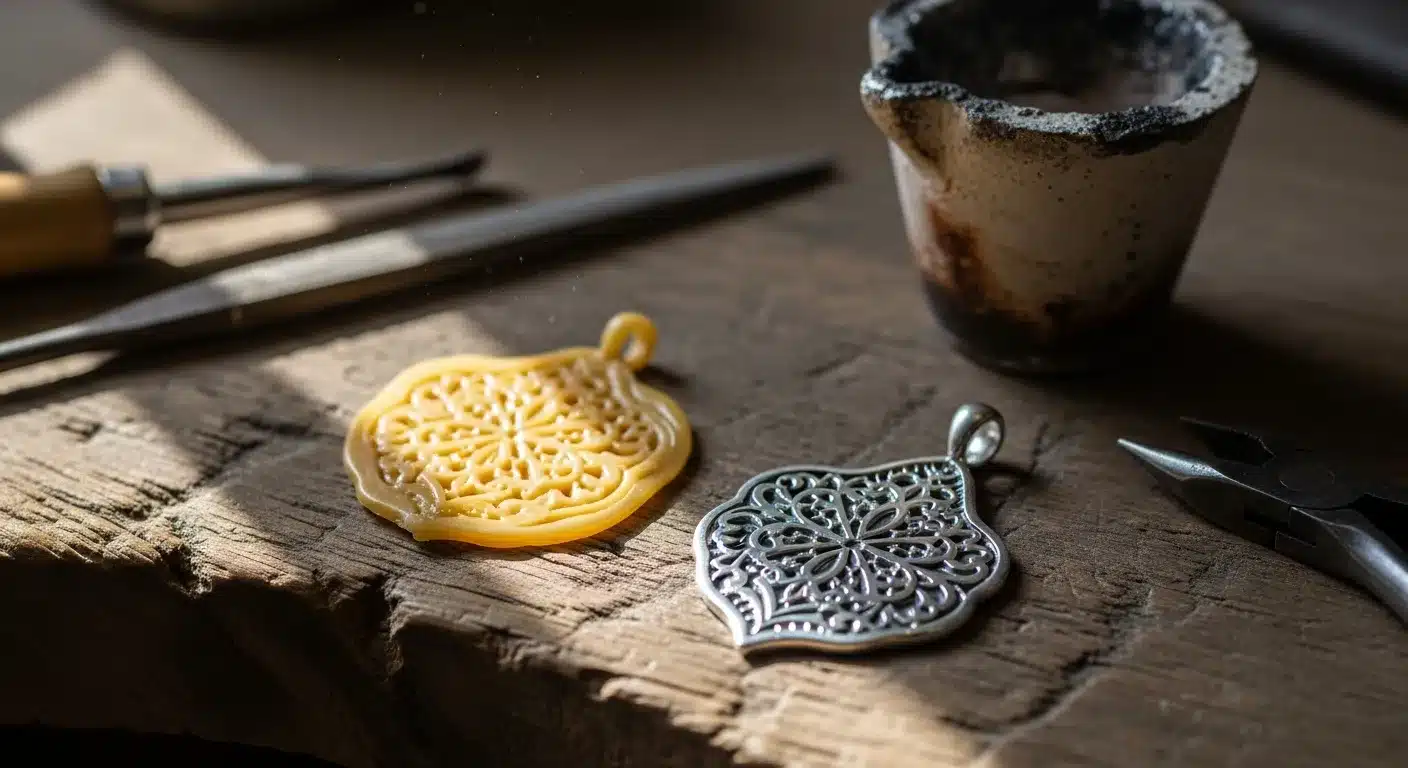
Lost wax casting, one of the oldest metalworking techniques, remains fundamental to Mexican silver jewelry. Artisans begin by hand-carving a detailed model from jeweler’s wax. This wax model is then encased in a heat-resistant plaster investment material. When heated in a kiln, the wax melts and flows out (hence “lost wax”), leaving a precise negative cavity. Molten silver is poured into this cavity, filling every intricate detail the artisan carved into the original wax. After cooling, the plaster investment is broken away to reveal the silver casting, which is then finished through filing, sanding, and polishing.
This technique allows for extraordinary design complexity—from detailed pre-Columbian motifs to three-dimensional sculptural forms impossible to create through other methods. Each casting requires a new wax model, making every piece inherently unique even when working from similar designs.
Hand-Hammering and Forming
Many Mexican silver pieces begin as flat sheets that artisans transform through patient hand-hammering. Using specialized hammers and stakes (shaped metal forms), silversmiths gradually coax flat silver into three-dimensional shapes—forming domed surfaces for pendants, creating curved cuff bracelets, or raising the sides of hollow forms. This technique, called raising, demands both physical strength and delicate control, as too much force can split the metal while too little fails to shape it.
Planishing—a refined hammering technique—creates the subtle faceted surfaces visible on many Mexican silver pieces. Each carefully placed hammer blow leaves a small indentation, and when thousands of these marks cover a surface in overlapping patterns, they catch light beautifully while providing texture that machine-made jewelry lacks entirely.
Filigree Work
Perhaps the most delicate traditional technique, filigree involves forming incredibly thin silver wires into intricate lacy patterns. Artisans draw silver through progressively smaller holes in a draw plate until achieving wires as fine as thread. These wires are then carefully shaped, twisted, and soldered into elaborate designs—often resembling botanical forms, geometric patterns, or architectural details inspired by colonial Spanish influences.
Creating filigree jewelry requires steady hands, excellent eyesight, and extraordinary patience. A single filigree earring might contain dozens of individually shaped and soldered wire elements, each positioned precisely to create the overall design. The ethereal quality of fine filigree makes it immediately recognizable as artisan work, as machines cannot replicate the organic variation present in hand-formed wire patterns.
Repoussé and Chasing
Repoussé and chasing are complementary techniques for creating raised designs on metal surfaces. In repoussé, artisans work from the back of a silver sheet, using specialized punches to push the metal forward, creating raised designs on the front surface. Chasing then refines these forms from the front side, adding crisp detail and definition to the raised areas.
Together, these techniques allow silversmiths to create deeply sculptural surface decoration—from naturalistic flowers and leaves to stylized Aztec calendar designs. The slight variations in depth and texture prove the piece was hand-worked rather than stamped by a machine die.
Oxidation and Patina
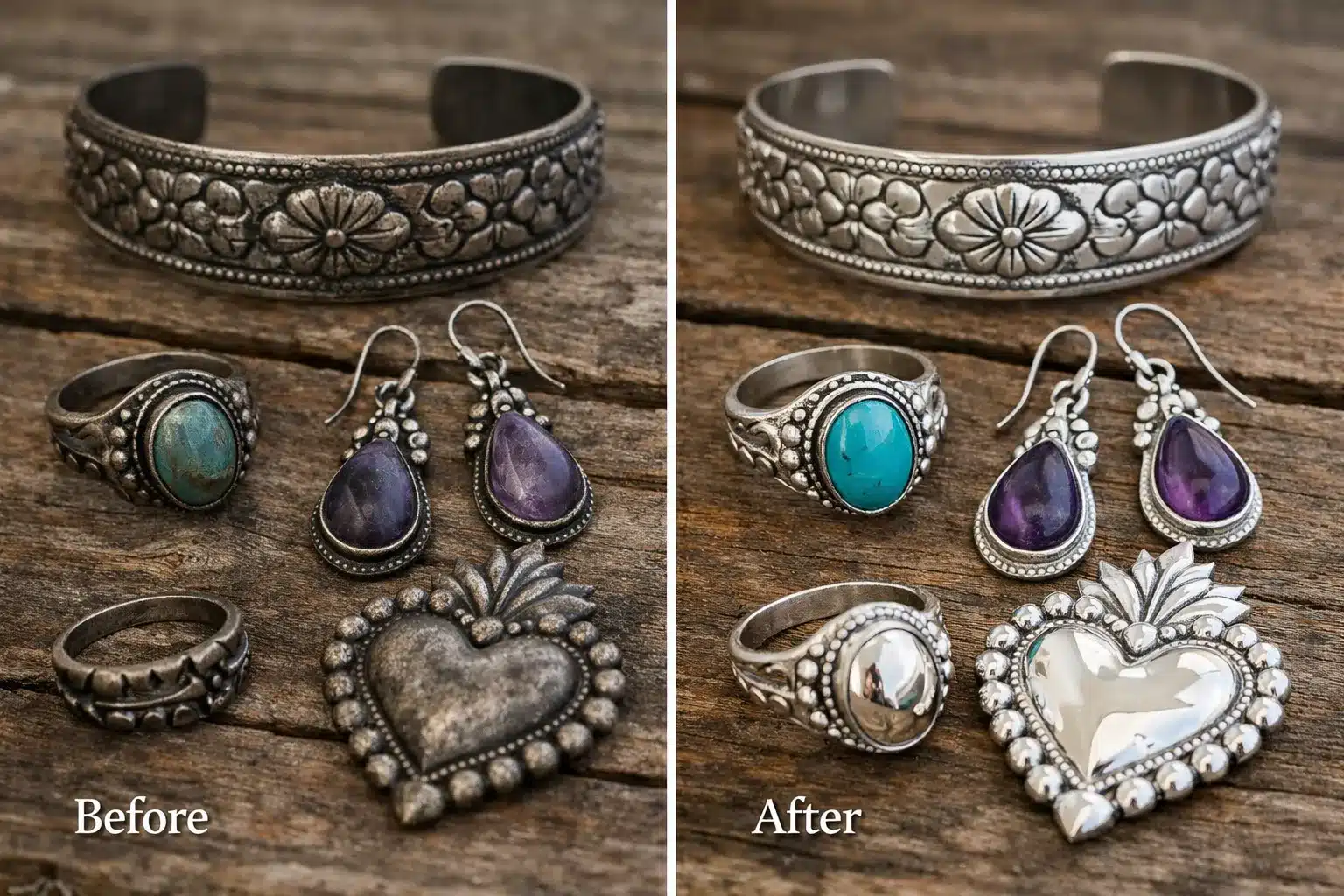
Many Mexican silver pieces feature dramatic black oxidation in recessed areas that creates visual depth and emphasizes design details. Artisans achieve this controlled oxidation by applying liver of sulfur solution, which reacts with silver to form a dark patina. The silversmith then selectively polishes raised surfaces while leaving the darkened patina in grooves and recesses, creating striking contrast that makes designs pop visually. This traditional finishing technique has been used in Taxco for generations and remains a hallmark of quality Mexican silver jewelry.
How to Identify Authentic Handmade Mexican Jewelry
As demand for handmade Mexican jewelry has grown, so have mass-produced imitations claiming artisan origins. Learning to identify authentic handcrafted pieces protects you from purchasing misrepresented jewelry while ensuring your money supports genuine artisans.
Sterling Silver Marks and Hallmarks
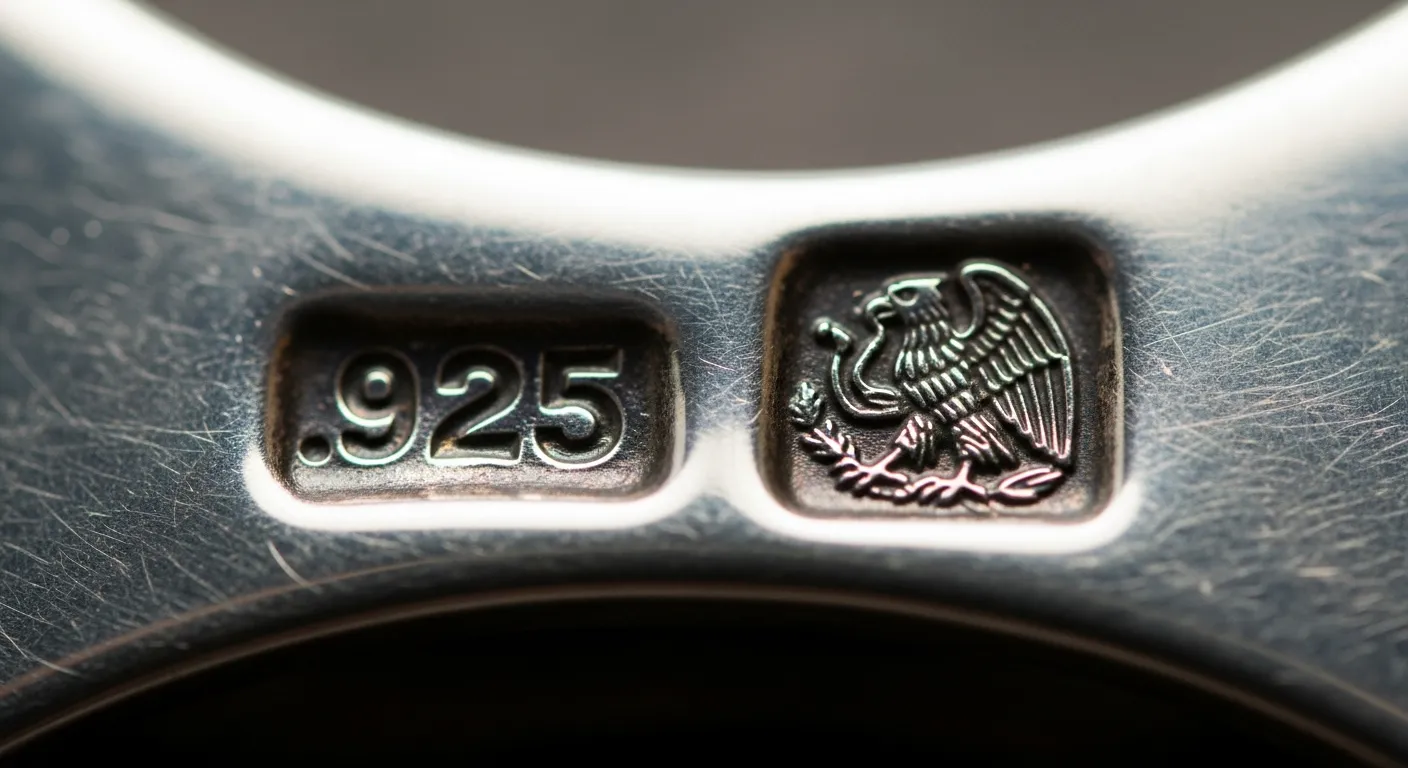
Legitimate Mexican silver jewelry should bear specific marks indicating silver content and sometimes maker identity. Look for .925, which indicates sterling silver (92.5% pure silver, 7.5% other metals for durability). Higher-grade pieces may show **.940**, **.950**, **.970**, or even **.980**, indicating increasingly pure silver content. These higher purities are more difficult to work and more expensive, but they’re valued by collectors and demonstrate exceptional material quality.
The eagle mark, introduced by the Mexican government in 1948, served as an official guarantee of authentic Taxco silver for decades. This stamp features an eagle profile alongside letters “T” and “M” (for Taxco and Mexico) and a number corresponding to the registered silversmith or workshop. While the eagle mark program was officially discontinued in the 1980s due to widespread counterfeiting, some contemporary artisans still incorporate eagle motifs in their hallmarks as homage to this tradition.
Genuine artisan pieces often include maker’s marks—initials, symbols, or workshop names stamped into the metal. These signatures establish provenance and allow buyers to research specific artisans. Reputable jewelry authentication resources can help identify legitimate makers versus fake marks applied to mass-produced pieces.
Weight and Feel Differences
Authentic sterling silver has substantial weight—noticeably heavier than similarly-sized pieces made from silver-plated base metals or lightweight alloys. When you hold a genuine handmade Mexican silver bracelet, it should feel solid and substantial in your hand. Hollow or suspiciously lightweight pieces claiming to be solid sterling deserve skepticism.
The surface quality also reveals authenticity. Handmade pieces show subtle textural variations—the gentle undulation of hand-hammered surfaces, slightly irregular spacing in repeated design elements, or organic flow in wirework. These variations prove human hands shaped the metal. In contrast, machine-made jewelry exhibits perfect uniformity: identically spaced patterns, absolutely symmetrical forms, and surfaces that feel too “perfect” and industrial.
Craftsmanship Details to Examine
Examine solder joints carefully. In handmade jewelry, artisans file and finish solder seams carefully, but close inspection often reveals slight evidence of hand-soldering—perhaps a tiny bit of extra solder in a joint or minimal filing marks. Machine-made jewelry either has perfectly seamless joints (from casting in one piece) or overly obvious, poorly finished solder that wasn’t hand-refinished.
Check stone settings if the piece includes gemstones. Hand-set stones show prongs or bezels individually formed around each stone, with slight variations in prong thickness or spacing. Machine-set stones display perfect uniformity, with identical prongs positioned at exactly the same angles.
Price Reality Check
Authentic handmade Mexican silver jewelry commands fair prices that reflect labor, materials, and artisan skill. A substantial sterling silver bracelet requiring 8-10 hours of skilled handwork, made from $30-50 of silver, and providing fair wages to the artisan realistically costs $150-300 or more, depending on complexity and design. If you encounter “handmade Mexican silver bracelets” priced at $20-40, they’re almost certainly mass-produced imports falsely marketed as artisan work.
Unrealistically low prices should raise immediate red flags. True handmade jewelry cannot compete on price with factory production—and shouldn’t have to. The value lies in craftsmanship, cultural authenticity, and supporting artisan livelihoods, not cheap mass-market pricing.
Red Flags and Fakes to Avoid
Be suspicious of “handmade Mexican jewelry” sold through marketplaces dominated by overseas mass production. Check seller locations—genuine Mexican artisan jewelry typically ships from Mexico or from legitimate galleries and boutiques representing specific artisan cooperatives.
Avoid pieces marked “silver-plated” or “silver-tone” marketed alongside claims of being “authentic Taxco jewelry”—real Taxco silver is solid sterling, never plated. Similarly, pieces marked only “Mexico” or “Mexican silver” without specific purity marks (.925, .940, etc.) may not contain sterling silver at all.
Photographs revealing perfectly uniform, identical pieces listed in large quantities suggest mass production, not individual artisan work. Genuine handmade jewelry exhibits organic variation between pieces, even when working from similar designs.
Understanding Fair Trade and Ethical Practices
The term “fair trade” in jewelry refers to business models ensuring artisans receive fair compensation for their work, labor under safe conditions, and often benefit from additional support like healthcare access, skills training, or community reinvestment programs. Unlike exploitative supply chains where middlemen capture most profits, fair trade certified operations prioritize artisan welfare and economic empowerment.
In the context of handmade Mexican jewelry, fair trade practices take several forms. Some brands work directly with artisan cooperatives, eliminating middlemen and ensuring makers receive appropriate percentages of retail prices. Others maintain long-term partnerships with specific workshops, providing consistent work that allows artisans to support their families year-round rather than facing seasonal employment gaps.
Fair wages in Mexican artisan jewelry should account for skilled labor value, not just local minimum wages. A master silversmith with decades of experience creating complex filigree work deserves compensation reflecting that expertise—comparable to what skilled craftspeople earn in other trades. Ethical brands transparently discuss their pricing structures and artisan compensation, rather than hiding behind vague claims of “supporting artisans.”
Community reinvestment represents another fair trade principle. Some jewelry brands allocate portions of profits to educational programs, healthcare initiatives, or infrastructure improvements in artisan communities. Others provide microloans helping artisans purchase tools, materials, or establish their own workshops. These practices create positive ripple effects beyond individual transactions, strengthening entire communities economically and socially.
Artisan empowerment models go beyond fair pay to include skill development and business training. Platforms connecting artisans directly with international buyers offer training in product photography, online marketing, and customer service, helping craftspeople build sustainable independent businesses rather than remaining dependent on intermediaries.
To verify ethical claims when purchasing Mexican artisan jewelry, research brands’ relationships with makers. Legitimate ethical companies tell specific artisan stories—mentioning names, locations, and personal backgrounds. They show workshop photos and describe their compensation models transparently. Vague claims about “supporting artisans” without specific details deserve skepticism. Organizations like SERRV, a nonprofit fair trade retailer, maintain stringent standards and provide transparent reporting on artisan partnerships.
Symbolism and Cultural Significance in Design
Mexican artisan jewelry draws deeply from the country’s rich cultural heritage, incorporating symbols and motifs that carry centuries of meaning. Understanding this symbolism adds layers of significance to pieces beyond their aesthetic beauty.
Ojos de Dios (God’s Eyes)
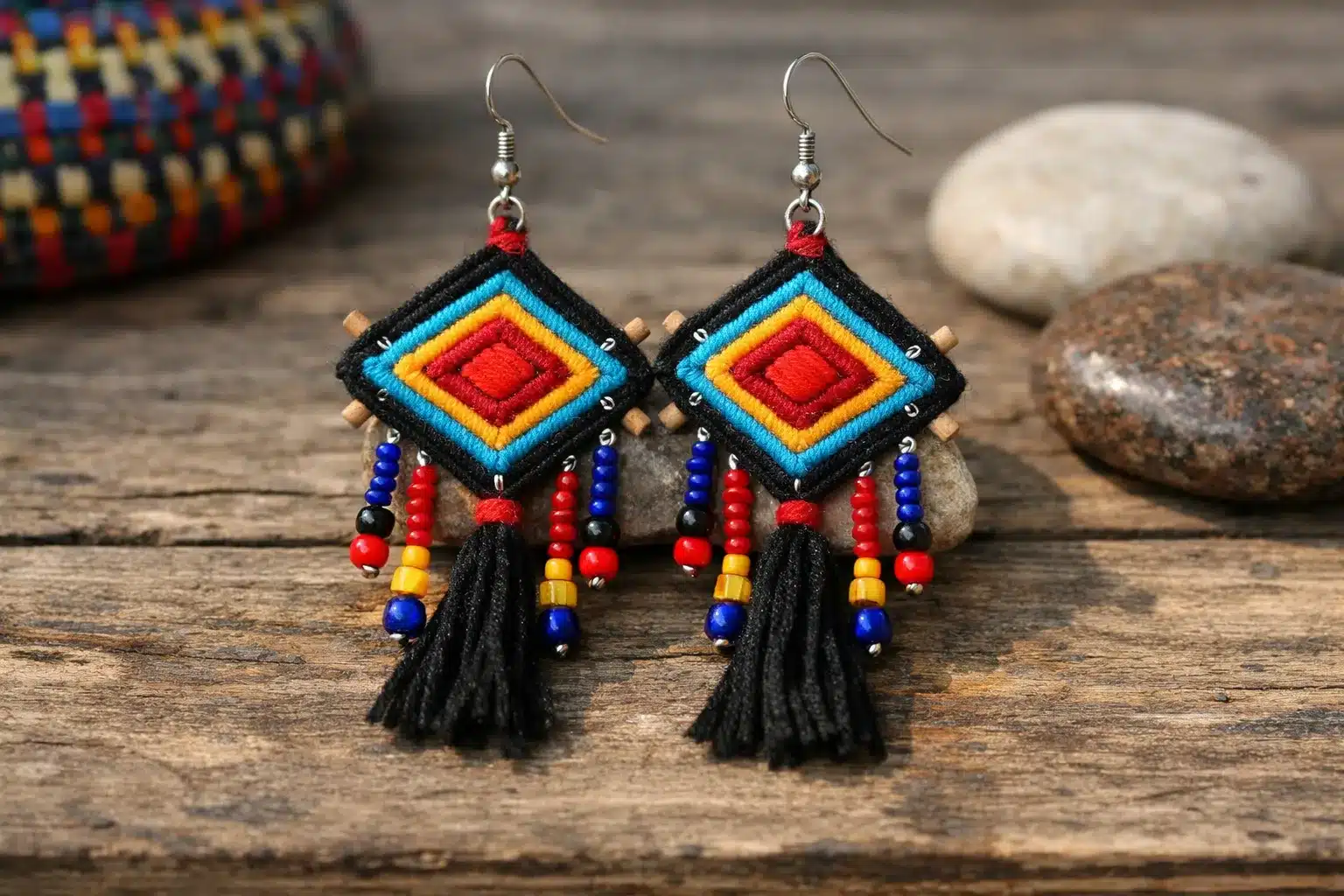
Ojos de Dios, or “God’s Eyes,” originate from Huichol indigenous traditions in the Sierra Madre mountains. These diamond-shaped woven designs, created by wrapping colored yarn around crossed sticks, serve as spiritual objects offering protection and connection to the divine. When incorporated into jewelry—particularly earrings and pendants—Ojos de Dios carry this protective symbolism, serving as wearable talismans against harm while honoring Huichol cultural traditions.
Pre-Columbian Motifs
Many Mexican artisans incorporate designs inspired by Aztec, Mayan, and other pre-Hispanic civilizations. Stepped pyramid forms reference ancient temples. Feathered serpent imagery invokes Quetzalcoatl, the important deity associated with wisdom and creation. Calendar glyphs and geometric patterns derived from archaeological artifacts connect contemporary jewelry to Mexico’s indigenous past, creating pieces that celebrate cultural continuity across centuries.
William Spratling pioneered incorporating pre-Columbian aesthetics into modern jewelry design, and this influence continues throughout Taxco and beyond. These motifs aren’t merely decorative—they represent pride in indigenous heritage and rejection of the idea that valuable art must follow European aesthetic traditions.
Nature Symbolism
Mexican jewelry frequently features animals and plants carrying symbolic significance. Eagles represent strength, freedom, and connection to the sun—important in both Aztec mythology and modern Mexican national identity. Jaguars symbolize power, mystery, and the underworld in Mesoamerican cosmology. Hummingbirds connect to Huitzilopochtli, the Aztec sun and war god, while also representing joy and determination in overcoming challenges.
Botanical motifs like agave plants honor Mexico’s agricultural heritage and resilience. Prickly pear cactus references the Aztec founding of Tenochtitlan (modern Mexico City), where an eagle perching on a cactus indicated the gods’ chosen location for their capital city.
Religious and Spiritual Iconography
Catholic imagery, reflecting Mexico’s complex colonial history, appears widely in jewelry. Crosses, Virgin of Guadalupe representations, and milagros (small charms depicting body parts or situations needing divine intervention) merge indigenous spirituality with Catholicism introduced by Spanish colonization. These pieces serve both as devotional objects and cultural expressions of Mexico’s syncretic religious traditions.
Modern Interpretations
Contemporary Mexican artisans reinterpret traditional symbols through modern design sensibilities, creating pieces that honor heritage while speaking to current aesthetic preferences. Minimalist interpretations of ancient glyphs, abstract references to folk art patterns, and fusion designs combining multiple cultural influences demonstrate how living traditions evolve while maintaining connection to their roots.
Why Handmade Mexican Jewelry Costs More (And Why It’s Worth It)
Authentic handmade Mexican artisan jewelry commands higher prices than mass-produced alternatives, and understanding this cost structure helps buyers appreciate the value they receive.
Labor Hours and Skill Investment
A moderately complex handmade silver bracelet might require 8-12 hours of skilled work from design through finishing. Complex filigree pieces can demand 20+ hours. Master artisans spent years—often decades—developing their technical abilities. This specialized skill deserves compensation reflecting its value, just as you’d pay more for services from an experienced professional in any field.
True Material Costs
Genuine sterling silver costs significantly more per gram than base metals used in costume jewelry. A substantial bracelet might contain $40-80 worth of silver at current market prices. Natural gemstones, when included, add further material costs. Ethical brands pay fair market rates for materials rather than sourcing cheap, questionable supplies.
Fair Artisan Wages
When brands ensure fair compensation, artisans earn enough to support themselves and their families with dignity—covering living expenses, healthcare, children’s education, and tools/workspace maintenance. This differs dramatically from exploitative supply chains where makers receive cents on the dollar while retailers capture huge profits.
Fair wage structures mean a $200 handmade bracelet might allocate $80-100 to the artisan, compared to mass-market jewelry where the maker might receive $5-10 for pieces retailing at similar prices. The higher percentage going to actual makers represents ethical business practice worth supporting.
Mass-Market Comparison
Factory-produced “Mexican-style” jewelry achieves low prices through automation, cheap materials (often silver-plated brass, not sterling), and exploitative labor practices. These pieces lack the cultural authenticity, craftsmanship quality, and artisan support that make handmade jewelry meaningful. Comparing their prices to authentic artisan work misses the fundamental point—they’re completely different products despite superficial similarities.
Investment and Heirloom Value
Quality handmade Mexican silver jewelry lasts for generations when properly cared for. Sterling silver doesn’t deteriorate, and well-crafted pieces withstand daily wear better than mass-produced jewelry using thin materials and weak construction. Many families pass down favorite pieces as heirlooms, carrying both monetary value and irreplaceable sentimental significance.
Beyond financial investment, purchasing authentic artisan jewelry supports cultural preservation. Every sale enables artisans to continue practicing traditional techniques, pass skills to the next generation, and maintain living connections to centuries of heritage. That cultural value—impossible to quantify monetarily—makes fair-priced handmade jewelry worth far more than its retail cost suggests.
5 Common Mistakes When Buying Mexican Artisan Jewelry
Even well-intentioned buyers make predictable mistakes when purchasing handmade Mexican jewelry. Avoiding these pitfalls ensures better buying decisions and authentic pieces.
1. Confusing Silver-Plated with Sterling Silver
Many buyers mistakenly think “silver” on a product description means solid sterling, when it actually indicates silver plating over base metal. Silver-plated jewelry wears quickly—the thin silver layer rubs off with normal wear, revealing brass or copper underneath. Always look for specific purity marks (.925, .940, etc.) guaranteeing solid sterling silver throughout the piece, not surface coating.
2. Unrealistic Price Expectations
Shoppers accustomed to mass-market jewelry prices sometimes balk at authentic artisan pricing, not understanding the genuine cost structure. A $150 handmade bracelet isn’t “overpriced”—it represents fair compensation for skilled labor, quality materials, and ethical business practices. Expecting handmade jewelry to cost the same as factory production reveals fundamental misunderstanding of value and artisan economics.
3. Ignoring Hallmarks and Authentication
Some buyers purchase pieces without checking for proper hallmarks, maker’s marks, or other authentication indicators. This oversight increases chances of acquiring mass-produced imitations or even fake “Mexican silver” that contains no silver at all. Always examine markings carefully and research unfamiliar marks before purchasing higher-value pieces.
4. Buying from Unverified Sellers
Generic online marketplaces contain countless sellers misrepresenting mass-produced jewelry as “handmade Mexican artisan” work. Without verified artisan connections, transparent sourcing, or authentication guarantees, these platforms offer little protection against fraud. Purchase from established galleries, culturally-focused organizations, or direct artisan cooperatives with proven track records.
5. Not Asking About Artisan Background
Legitimate artisan jewelry comes with stories—who made it, where they work, what techniques they used, how they learned their craft. If a seller cannot or will not provide this information, question whether pieces truly come from individual artisans or represent mass-produced inventory marketed with romantic “artisan” language. Ethical sellers proudly share maker details because transparency builds trust and honors craftspeople behind their products.
Caring for Your Handmade Mexican Silver Jewelry
Proper care ensures your handmade Mexican jewelry maintains its beauty for generations. Sterling silver requires different maintenance than other jewelry metals, but simple practices keep pieces looking spectacular.
Daily Wear Guidelines
Remove silver jewelry before showering, swimming, or exercising. Chlorine, salt water, and sweat accelerate tarnishing. Apply lotions, perfumes, and hairsprays before putting on jewelry—chemicals in these products can damage silver and gemstones. When not wearing pieces, store them properly rather than leaving them exposed on counters or in humid bathrooms.
Safe At-Home Cleaning Methods
For light cleaning, wash silver jewelry in warm water with a few drops of mild dish soap. Use a soft cloth or very soft toothbrush to gently clean crevices, then rinse thoroughly and dry with a clean, soft cloth. This simple method removes daily oils and light tarnish without damaging the metal.
For heavier tarnish on unoxidized silver, create a paste from baking soda and water. Apply gently with a soft cloth, rubbing in straight lines (not circles) to avoid scratching. Rinse thoroughly and dry completely. This method works well for lightly tarnished pieces but shouldn’t be used on intentionally oxidized jewelry, as it will remove the black patina along with unwanted tarnish.
Proper Storage
Store silver jewelry in airtight containers or anti-tarnish bags to slow oxidation. Keeping pieces in soft pouches prevents scratching when jewelry items contact each other. Silica gel packets absorb moisture that accelerates tarnishing. Store pieces individually or with soft material separating them, especially if jewelry contains gemstones that can scratch silver’s relatively soft surface.
When to Seek Professional Cleaning
Bring valuable or complex pieces to professional jewelers for periodic deep cleaning, especially if they contain gemstones requiring specialized care. Professionals can safely clean intricate filigree work, tighten loose settings, and restore heavily tarnished pieces without risking damage. Annual professional cleaning maintains jewelry in optimal condition and catches potential problems before they worsen.
Special Care for Oxidized Silver
Intentionally oxidized (blackened) silver requires careful cleaning to preserve the dark patina in recessed areas. Use only mild soap and water, avoiding polishing compounds or baking soda that would remove oxidation. A soft cloth gently buffing raised surfaces maintains the beautiful contrast between bright silver and dark recesses that makes oxidized jewelry visually striking. If oxidation fades over time, professional jewelers can re-oxidize pieces to restore their original appearance.
Frequently Asked Questions About Handmade Mexican Artisan Jewelry
How can I verify a piece is authentically handmade and not mass-produced?
Look for several key indicators of authentic handmade work. First, examine the piece for proper hallmarks—sterling silver marks (.925 or higher) and ideally maker’s marks identifying the specific artisan or workshop. Genuine handmade pieces show subtle textural variations: slight irregularities in hand-hammered surfaces, organic variation in repeated design elements, and individually formed details rather than perfect machine uniformity.
Weight provides another clue—authentic sterling silver feels substantially heavier than silver-plated base metal or lightweight alloys. Hold the piece and assess whether it has the solid heft expected of genuine silver. Additionally, research the seller’s background. Legitimate artisan jewelry retailers provide specific information about makers—their names, workshop locations, techniques used, and often photographs of artisans at work. Vague claims about “supporting artisans” without these details should raise suspicions.
What is a fair price for handmade Mexican silver jewelry?
Fair pricing for handmade Mexican artisan jewelry varies based on complexity, materials, and artisan expertise, but general guidelines help set reasonable expectations. Simple sterling silver earrings from skilled artisans typically range from $40-80, while moderately complex pieces like bracelets with detailed work cost $120-250. Elaborate statement necklaces or pieces requiring extensive handwork can reach $300-600 or more.
These prices reflect several factors: 8-20+ hours of skilled labor depending on complexity, $30-100+ in sterling silver materials, fair artisan compensation allowing them to support their families, and reasonable retail markup covering business operations. Pieces priced far below these ranges likely aren’t authentic handmade artisan work—genuine handcrafted jewelry cannot compete on price with mass production. If a substantial silver bracelet costs only $25-35, it’s almost certainly factory-made and misrepresented as artisan work. Quality handmade jewelry represents an investment in craftsmanship, cultural preservation, and ethical practices rather than cheap mass-market pricing.
How do I properly care for and clean my Mexican silver jewelry?
Caring for handmade Mexican silver jewelry requires simple but consistent practices. Remove pieces before showering, swimming, or exercising, as water, chlorine, and sweat accelerate tarnishing. Apply lotions, perfumes, and hairsprays before putting on jewelry to avoid chemical damage. For routine cleaning, wash pieces in warm water with a few drops of mild dish soap, using a soft cloth or very soft toothbrush for crevices. Rinse thoroughly and dry completely with a clean, soft cloth.
For heavier tarnish on non-oxidized silver, create a gentle paste from baking soda and water, apply with a soft cloth using straight-line motions, then rinse and dry thoroughly. However, never use baking soda or polishing compounds on intentionally oxidized (blackened) silver, as these will remove the desired dark patina along with tarnish. Store jewelry in airtight containers, anti-tarnish bags, or soft pouches to slow oxidation and prevent scratching. For valuable or complex pieces, seek professional cleaning annually to maintain optimal condition and catch potential issues early.
What do the different silver purity marks (.925, .940, .970) mean?
Silver purity marks indicate the percentage of pure silver in the metal alloy. The most common mark, .925 (also written as 925), means the piece contains 92.5% pure silver and 7.5% other metals—typically copper—added for durability. This standard, called sterling silver, offers an excellent balance between purity and structural strength, making it ideal for jewelry that withstands daily wear.
Higher purity marks indicate even more pure silver content. A .940 mark means 94% silver, .950 indicates 95% silver, and .970 represents 97% silver. Some exceptional pieces even carry .980 marks showing 98% silver content. These higher purities create softer, more malleable metal that’s more challenging to work and more expensive, but they’re prized by collectors and demonstrate exceptional material quality. Mexican silversmiths historically worked with these higher purities more frequently than artisans in some other countries, reflecting both the quality of locally sourced silver and traditional standards maintained in places like Taxco. Any legitimate piece should display clear purity marks—their absence raises questions about silver content authenticity.
How can I verify a brand’s fair trade and ethical sourcing claims?
Verifying fair trade claims requires examining several factors. First, research whether brands maintain third-party certifications from recognized organizations like the Responsible Jewellery Council or Fair Trade Federation. These certifications involve audited standards for artisan compensation, working conditions, and ethical practices.
Look for transparency in how brands describe artisan relationships. Legitimate ethical companies name specific artisans or cooperatives they work with, describe their geographic locations, share workshop photographs, and explain their compensation models clearly. They tell individual artisan stories with specific details rather than generic claims about “supporting artisans.” Be skeptical of brands offering only vague statements without substantiating details.
Consider the business model. Direct artisan partnerships or cooperatives where makers receive significant portions of retail prices demonstrate stronger ethical commitment than long supply chains with multiple middlemen. Research customer reviews and testimonials—ethical brands typically have customers who appreciate and discuss their social impact alongside product quality. Organizations like SERRV and NOVICA maintain transparent reporting on artisan partnerships and undergo regular evaluation of their fair trade practices. When in doubt, contact brands directly and ask specific questions about artisan compensation percentages, working conditions, and community reinvestment programs. Ethical companies welcome these inquiries and answer them thoroughly.
Can handmade Mexican jewelry be customized or resized?
Many Mexican artisans welcome custom commissions or modifications to existing designs, though this depends on the specific maker and piece complexity. For jewelry purchased directly from artisan cooperatives or through brands maintaining direct maker relationships, inquiring about customization often yields positive results. Artisans may adjust sizes, modify design elements, or create entirely new pieces based on your preferences, typically charging fees reflecting additional labor and materials.
Ring resizing is commonly available for most simple band designs, though complex rings with continuous patterns or delicate filigree may have sizing limitations. Bracelet sizing can sometimes be adjusted by adding or removing links in linked designs or carefully expanding/contracting cuff styles within limits that maintain structural integrity. However, cast pieces with intricate details may not accommodate resizing without compromising design elements.
When considering customization, communicate directly with the artisan or their representative about feasibility, timeframes, and costs. Many skilled silversmiths enjoy creating custom work, as it allows them to demonstrate their expertise while crafting pieces perfectly suited to individual preferences. Custom commissions typically require longer production times—often 4-8 weeks depending on complexity—and may involve paying partial deposits upfront. This extra effort results in truly one-of-a-kind pieces tailored specifically for you, adding even greater personal meaning to already special handmade jewelry.
Conclusion: Investing in Heritage and Artistry
Choosing handmade Mexican artisan jewelry means participating in cultural preservation that extends far beyond a simple purchase transaction. Each piece represents hours of skilled labor, centuries of inherited technique, and the continuing vitality of traditions that might otherwise fade in our increasingly industrialized world. When you wear a hand-hammered silver bracelet from Taxco or Ojos de Dios earrings created by Huichol artisans, you carry wearable heritage—jewelry that tells stories of resilience, creativity, and the profound human need to make beautiful things.
Understanding how to identify authentic handmade work, recognize fair pricing, and verify ethical sourcing empowers you to make purchasing decisions that align with your values while supporting artisan communities. The subtle imperfections proving human craftsmanship, the weight of genuine sterling silver, the proper hallmarks authenticating quality—these details transform shopping from mere acquisition into mindful engagement with living artistic traditions.
Mexican artisan jewelry offers something mass production never can: connection. Connection to the specific person who shaped that silver, to the teacher who trained them, to the cultural heritage informing their designs, to communities sustained by fair trade practices. This connection enriches both maker and buyer, creating meaningful relationships through commerce that respects human dignity and cultural authenticity.
Whether you’re drawn to bold Taxco silver statement pieces, delicate filigree work, or symbolic designs carrying pre-Hispanic meaning, investing in authentic handmade Mexican jewelry supports more than your personal style. You’re ensuring that young artisans have incentive to learn traditional techniques from aging masters, that workshops can afford quality materials and fair wages, and that Mexican silversmithing heritage continues thriving for future generations to appreciate and practice.
For related guides on jewelry authentication, care, and cultural significance, explore our comprehensive resources on silver jewelry care and value assessment, vintage jewelry authentication techniques, and professional jewelry cleaning and maintenance.

Hi, I’m Sara Hein, a passionate jewelry researcher and educator. I created Jewelry Carats to share well-researched insights on gemstones, precious metals, and jewelry care. My goal is making expert jewelry knowledge accessible to everyone.