

Bracelets add the finishing touch to your wrist, from simple bangles to elaborate charm bracelets. Understanding bracelet types, closures, and sizing helps you choose pieces that complement your style and fit comfortably. This comprehensive guide covers everything from classic styles to modern trends, plus expert tips on stacking and care.
Main Bracelet Categories
- Bangles: Rigid, circular bracelets that slide over the hand
- Cuffs: Open-ended bracelets with a gap
- Chain Bracelets: Flexible metal links with clasps
- Charm Bracelets: Bracelets designed to hold decorative charms
- Beaded Bracelets: Strung beads on cord or elastic
- Tennis Bracelets: Continuous line of gemstones
- Wrap Bracelets: Long bracelets that wrap multiple times
Bracelet Measurements
Bracelets are measured in two ways:
- Inside Circumference: Total length when opened flat (most common)
- Inside Diameter: Width of opening (primarily for bangles)
Standard women’s bracelet sizes range from 6.5 to 8 inches in circumference. Men’s bracelets typically range from 7.5 to 9 inches.
Bangle Bracelets
Bangles are rigid, circular bracelets without clasps (or with minimal opening). They slide over the hand and rest on the wrist, creating clean lines and elegant movement.
Solid Bangles
Completely rigid circles that must slide over the hand to wear.
Solid Bangle Characteristics
- No clasp or opening (seamless circle)
- Must be large enough to fit over hand
- Creates satisfying “clinking” sound when worn in multiples
- Available in various widths (2mm to 2+ inches)
- Can be plain or embellished
Bangle Width Options
Thin Bangles (2-4mm):
- Delicate, stackable design
- Perfect for wearing in multiples
- Feminine, elegant aesthetic
- Less likely to catch on clothing
Medium Bangles (5-10mm):
- Substantial presence
- Can wear alone or stack a few
- Most versatile width
- Works for casual through formal
Wide Bangles (10mm+):
- Statement pieces
- Typically worn alone
- Often feature engraving or embellishment
- Bold, dramatic presence
Bangle Materials
Gold Bangles: Classic choice in yellow, white, or rose gold. Can be hollow (lighter, more affordable) or solid (heavier, more expensive, more durable).
Silver Bangles: Timeless option in sterling silver or silver-plated. Require regular polishing to prevent tarnish. Often feature oxidized details.
Wood Bangles: Natural, bohemian aesthetic. Lightweight and comfortable. Often lacquered or painted. Avoid water exposure.
Resin/Acrylic Bangles: Affordable, colorful options. Lightweight. Available in translucent or opaque. Can break if dropped.
Hinged Bangles
Feature a hinge and clasp mechanism, making them easier to put on without squeezing over the hand.
Hinged Bangle Benefits
- Easy to put on and remove
- Can fit more snugly (doesn’t need to clear hand)
- Better for those with larger hands or arthritic joints
- More secure (won’t slide off)
- Can feature continuous patterns (hinge doesn’t interrupt design)
Hinged Bangle Considerations
- Hinge can be a weak point (check quality)
- Slightly more expensive than solid bangles
- Clasp may be visible (design consideration)
- Requires two hands to fasten
Bangle Stacking
Wearing multiple bangles creates dynamic sound and visual interest.
Stacking Tips
- Mix widths for textural variety
- Combine plain and textured bangles
- Stack odd numbers (3, 5, 7) for better visual balance
- Mix metals intentionally (all warm, all cool, or designed mix)
- Start with 3-5 bangles if new to stacking
Cultural Considerations
Bangles hold cultural significance in many traditions, particularly Indian, African, and Middle Eastern cultures. Gold bangles often mark important life events like weddings. Be respectful when wearing traditional styles from cultures not your own.
Cuff Bracelets
Cuff bracelets are open-ended, C-shaped bracelets without clasps. The opening allows them to slide onto the wrist and can be gently adjusted for fit.
Open Cuffs
Feature a visible gap that slides onto the wrist.
Open Cuff Characteristics
- Easy to put on and remove (no clasp fumbling)
- Adjustable fit by gently squeezing or expanding
- Gap typically 1-2 inches wide
- Can feature decorative ends at gap
- Works well with various wrist sizes
Cuff Width Options
Narrow Cuffs (under 1/2 inch):
- Delicate, can be stacked
- Suitable for everyday wear
- More comfortable for extended wear
Medium Cuffs (1/2 to 1 inch):
- Most popular width
- Substantial without overwhelming
- Versatile styling options
Wide Cuffs (over 1 inch):
- Statement pieces
- Cover significant wrist area
- Often feature intricate designs
- Typically worn alone
Statement Cuffs
Bold, eye-catching cuffs designed to be worn as focal pieces.
Statement Cuff Features
- Wide bands (2+ inches common)
- Often feature gemstones, metalwork, or unique materials
- Sculptural, artistic designs
- Command attention as jewelry centerpieces
- Reserved for occasions when jewelry can shine
Styling Statement Cuffs
- Wear alone (don’t stack with other bracelets)
- Keep other jewelry minimal
- Works well with solid-colored, simple outfits
- Let sleeves frame the cuff (3/4 sleeves ideal)
- Consider as alternative to necklace for statement jewelry
Closed Cuffs
Cuffs with very small gaps or magnetic closures that appear seamless when worn.
Closed Cuff Benefits
- Sleek, continuous appearance
- More secure than open cuffs
- Modern, streamlined aesthetic
- Often feature hidden magnetic closures
Cuff Materials and Styles
Metal Cuffs
Hammered Metal: Textured surface from hammering. Organic, artisanal appearance. Catches light beautifully.
Polished Metal: Smooth, reflective surface. Classic, elegant look. Shows scratches more readily.
Oxidized/Antiqued Metal: Darkened finish in recesses. Vintage appearance. Highlights engraved details.
Leather Cuffs
Casual, bohemian style. Often features metal embellishments. Requires conditioning to prevent cracking. Avoid water exposure.
Mixed Material Cuffs
Combine metal with wood, resin, stone, or fabric. Contemporary, artistic designs. Unique statement pieces.
Adjusting Cuffs
How to Adjust Fit
- Gently squeeze or expand the opening
- Make small adjustments (1-2mm at a time)
- Never force or over-bend (can crack metal)
- Adjust when not wearing (easier to control)
- Thinner metals adjust more easily than thick
When Not to Adjust
- Brittle materials (may crack)
- Cuffs with gemstones (stones can fall out)
- Very thin or delicate cuffs (may break)
- Plated cuffs (plating can chip)
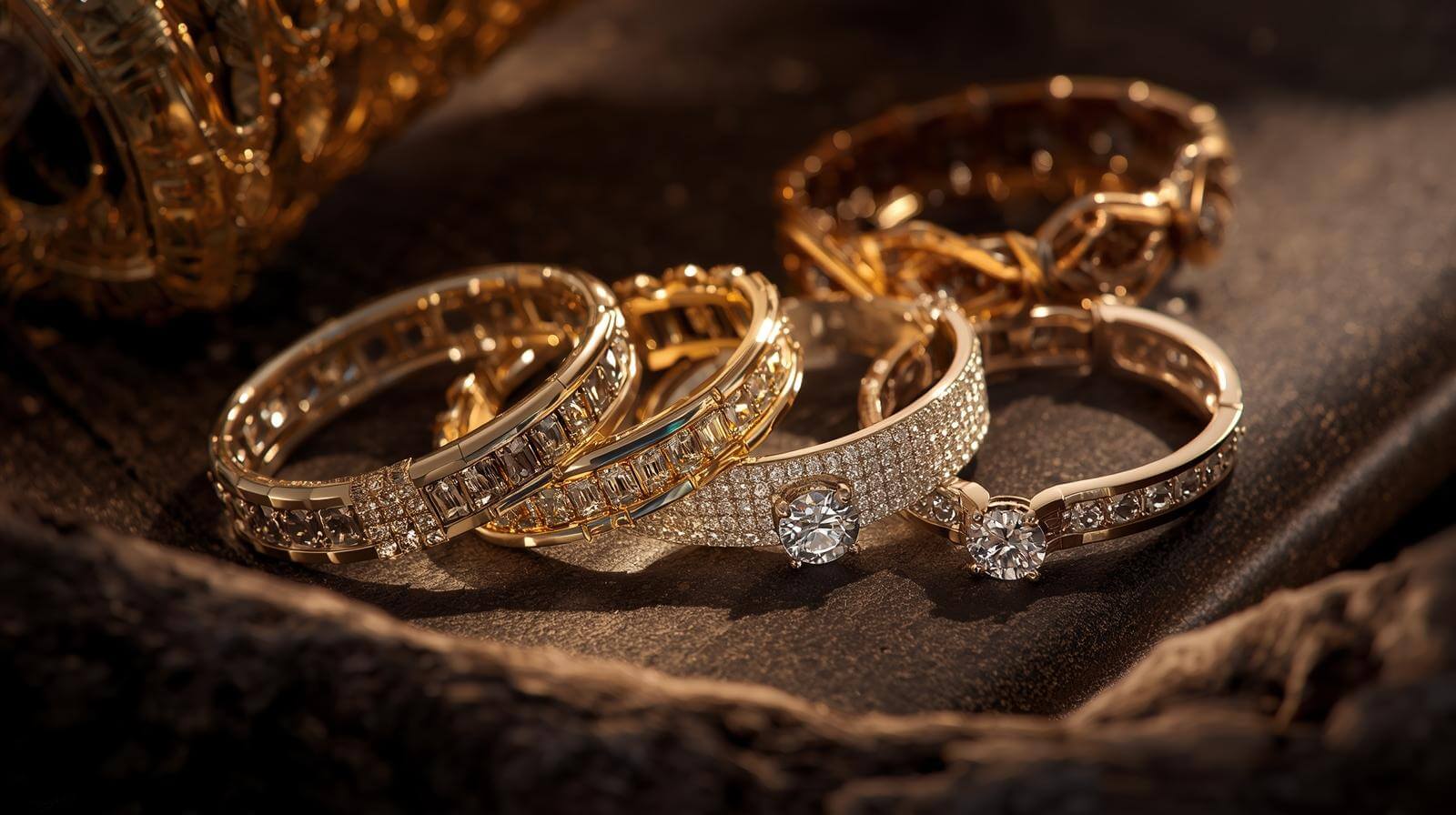

Chain Bracelets
Chain bracelets feature interconnected metal links creating flexible bands. They require clasps and offer the most variety in design and style.
Link Chain Bracelets
Simple chains in various link patterns, similar to chain necklaces but sized for wrists.
Popular Chain Types for Bracelets
Cable Chain:
- Oval links in simple pattern
- Classic, timeless style
- Affordable and versatile
- Works alone or with charms
Curb Chain:
- Flattened, interlocking links
- Lies flat against wrist
- Available in various widths
- Popular in men’s jewelry
Rope Chain:
- Twisted links creating rope appearance
- Catches light beautifully
- Very durable
- Substantial feel
Figaro Chain:
- Pattern of short and long links
- Italian jewelry tradition
- Distinctive appearance
- Works for both genders
Tennis Bracelets
Continuous line of individually set gemstones, typically diamonds, in a flexible metal setting.
Tennis Bracelet History
Named after tennis player Chris Evert, who famously stopped a 1987 U.S. Open match when her diamond bracelet broke and fell off. The elegant style was called “eternity bracelets” before this incident made “tennis bracelet” the popular term.
Tennis Bracelet Characteristics
- Diamonds or gemstones all the way around
- Uniform stone size and quality
- Flexible metal links between stones
- Secure clasp (often with safety catch)
- Available in various stone sizes and total carat weights
Choosing Tennis Bracelet Size
Total Carat Weight Options:
- 1-2 carats: Delicate, subtle sparkle
- 3-5 carats: Noticeable, versatile
- 5-10 carats: Substantial statement
- 10+ carats: Dramatic, luxury piece
Tennis Bracelet Alternatives
Colored Gemstone Tennis: Sapphires, rubies, or emeralds instead of diamonds. Adds color while maintaining classic style.
Mixed Stone Tennis: Alternating diamonds and colored stones. More contemporary, colorful option.
CZ Tennis Bracelets: Cubic zirconia stones offer diamond look at fraction of cost. Perfect for everyday wear without expensive jewelry anxiety.
ID Bracelets
Chain bracelets featuring a flat plate for engraving names, dates, or medical information.
ID Bracelet Uses
- Medical Alert: Critical health information for emergencies
- Personal Identification: Name and contact information for children
- Sentimental Engraving: Names, dates, or meaningful phrases
- Fashion Statement: Blank plates as style elements
Omega Bracelets
Flat, flexible bracelets similar to omega necklaces. Sleek, modern appearance that sits flush against the wrist.
Omega Bracelet Features
- Smooth, liquid-like movement
- Contemporary, minimalist look
- Can be plain or feature patterns
- Requires careful handling (can kink)
Mesh Bracelets
Woven metal creating fabric-like flexibility. Often called “Milanese mesh” after Italian origin.
Mesh Bracelet Benefits
- Very flexible and comfortable
- Elegant, refined appearance
- Works well with watches
- Available in various weave densities
- Durable when well-made
Charm Bracelets
Bracelets specifically designed to hold decorative charms, allowing wearers to create personalized, meaningful jewelry.
Traditional Charm Bracelets
Link chain bracelets where charms dangle freely from individual links.
Traditional Charm Features
- Charms attached via jump rings to chain links
- Charms move and dangle as you move
- Creates satisfying jingling sound
- Collect charms over time
- Each charm tells a story or represents memory
Building a Charm Collection
Meaningful Themes:
- Travel destinations visited
- Important life milestones (graduation, marriage, birth)
- Hobbies and interests
- Family members (birthstones, initials)
- Special dates or anniversaries
Starting Your Charm Bracelet:
- Begin with chain bracelet (select appropriate length)
- Add 3-5 charms initially (prevents empty look)
- Leave room for future additions
- Distribute charms evenly around bracelet
- Mix charm sizes for visual interest
Italian-Style Charm Bracelets
Flat, modular links that connect to form a flexible band. Charms are built into the links rather than dangling.
Italian Charm Characteristics
- Sleeker profile than traditional charms
- No dangling (quieter to wear)
- Links slide together (easy to add/remove)
- Contemporary, streamlined look
- Popular in 1990s-2000s
Italian Charm Customization
- Standard link size (usually 18mm)
- Thousands of designs available
- Can mix brands (links are compatible)
- Some links feature photo inserts
- Easy to rearrange without tools
Pandora-Style Threaded Bracelets
Threaded cord or snake chain where charms slide on and stay in place via threading or rubber stoppers.
Threaded Bracelet System
- Base bracelet with threaded sections
- Charms screw onto threads
- Spacer beads create sections
- Stopper beads prevent charm movement
- Highly customizable arrangement
Building a Threaded Bracelet
- Select base bracelet (leather, snake chain, or cord)
- Choose charms (ensure compatible threading)
- Add clip beads to divide bracelet into sections
- Distribute charms for balanced appearance
- Use spacer beads to fill gaps
Threaded Bracelet Advantages
- Charms stay in chosen position
- Quieter than traditional charm bracelets
- Easy to change charm arrangement
- No tools needed to add charms
- Creates cohesive, designed look
Charm Bracelet Materials
Base Bracelet Options
- Sterling Silver: Classic choice, requires polishing
- Gold: Luxury option, more expensive
- Leather: Casual, bohemian aesthetic
- Fabric Cord: Affordable, colorful options
Charm Materials
- Precious Metal: Silver, gold, platinum (investment pieces)
- Base Metal: Brass, pewter (affordable options)
- Enamel: Colorful, detailed designs
- Glass/Murano: Artistic, unique pieces
- Mixed Materials: Combines metal with stones, wood, or fabric
Beaded Bracelets
Bracelets featuring beads strung on cord, wire, or elastic. Range from simple to elaborate, casual to elegant.
Stretch Beaded Bracelets
Beads strung on elastic cord, allowing them to stretch over the hand without clasps.
Stretch Bracelet Benefits
- No clasp (easy to put on and remove)
- One size fits most
- Comfortable, flexible wear
- Great for stacking
- Affordable entry point
Stretch Bracelet Considerations
- Elastic weakens over time (may need restringing)
- Can break if overstretched
- Not suitable for very heavy beads
- Avoid water exposure (weakens elastic)
Gemstone Beaded Bracelets
Natural or semi-precious gemstone beads creating colorful, meaningful bracelets.
Popular Gemstone Choices
Rose Quartz: Pink stone associated with love and compassion. Soft, feminine appearance.
Amethyst: Purple stone believed to promote calm. Rich color, widely available.
Lapis Lazuli: Deep blue with gold flecks. Historically significant, striking appearance.
Black Onyx: Sleek black stone. Masculine aesthetic, versatile styling.
Turquoise: Blue-green stone with cultural significance. Bohemian, southwestern appeal.
Gemstone Bead Sizes
- 4mm: Very delicate, dainty bracelets
- 6mm: Standard size, versatile
- 8mm: Noticeable without being chunky
- 10mm+: Bold, statement pieces
Pearl Bracelets
Strands of pearls creating classic, elegant bracelets.
Pearl Bracelet Styles
Single Strand: Classic elegance. Can be uniform or graduated sizes. Timeless for formal occasions.
Multi-Strand: Multiple pearl strands creating fuller bracelet. More dramatic, luxurious appearance.
Pearl and Chain: Alternating pearls and metal chain links. Modern take on traditional pearls.
Macramé and Cord Bracelets
Woven cord creating intricate patterns, often incorporating beads or charms.
Macramé Characteristics
- Handmade, artisanal appearance
- Bohemian, casual aesthetic
- Often features adjustable sliding knots
- Lightweight and comfortable
- Affordable
Wood Bead Bracelets
Natural wood beads creating earthy, organic bracelets.
Wood Bead Appeal
- Natural, eco-friendly materials
- Lightweight and comfortable
- Masculine or unisex styling
- Often combined with stone or metal beads
- Bohemian, relaxed aesthetic
Seed Bead Bracelets
Tiny glass beads woven or strung in intricate patterns.
Seed Bead Features
- Allows for detailed, colorful patterns
- Often features Native American or traditional designs
- Labor-intensive (reflects in price)
- Delicate, requires careful handling
- Unique, artistic pieces
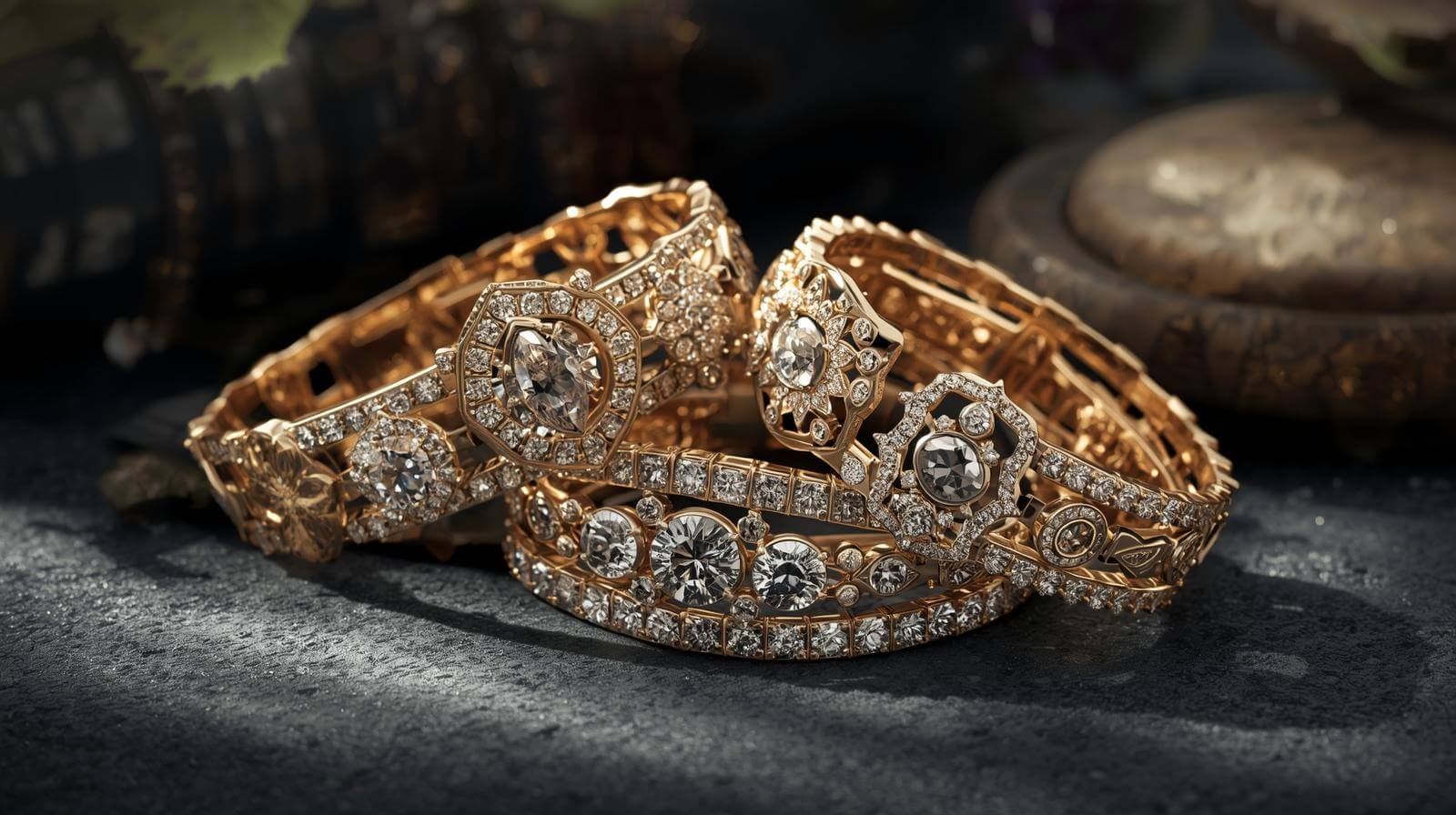

Bracelet Closures
The clasp type affects both ease of use and security. Understanding closures helps you choose appropriate options for your dexterity and bracelet value.
Lobster Clasp
Most common and secure clasp type, shaped like a lobster claw with spring-loaded mechanism.
Lobster Clasp Advantages
- Very secure (rarely opens accidentally)
- Available in various sizes
- Durable and long-lasting
- Industry standard for good reason
- Works well with jump rings or split rings
Lobster Clasp Challenges
- Difficult to fasten with one hand
- Can be challenging with long nails
- Requires good dexterity
- Small sizes especially tricky
Spring Ring Clasp
Circular clasp with spring-loaded mechanism. Simpler than lobster clasp but similar function.
Spring Ring Characteristics
- More affordable than lobster clasps
- Adequate security for lightweight bracelets
- Can be difficult for those with arthritis
- Smaller mechanism than lobster clasps
Toggle Clasp
Decorative clasp featuring a bar that slides through a ring.
Toggle Clasp Benefits
- Easy to use with one hand
- Great for limited dexterity or arthritis
- Can be decorative (worn as design element)
- No tiny mechanisms to manipulate
- Works well with larger bracelets
Toggle Clasp Considerations
- Less secure than lobster clasps
- Bar can slip out if bracelet too loose
- Requires proper sizing for security
- Not recommended for very valuable jewelry
Magnetic Clasp
Magnets hold the bracelet closed. Easiest clasp type to use.
Magnetic Clasp Advantages
- Extremely easy to fasten (one-handed)
- Perfect for arthritis or dexterity issues
- Quick to put on and remove
- No fumbling with tiny mechanisms
Magnetic Clasp Limitations
- Less secure than mechanical clasps
- Not recommended for expensive jewelry
- Can open unexpectedly with strong pull
- May interfere with pacemakers (consult doctor)
- Strength varies (higher quality = stronger magnets)
Box Clasp
One end inserts into a box housing and clicks to lock. Very secure closure.
Box Clasp Features
- Very secure with audible click
- Often includes safety catch
- Elegant appearance
- Common on tennis bracelets and fine jewelry
- Durable when well-made
Hook and Eye Clasp
Simple hook that fastens through a loop or figure-eight.
Hook and Eye Characteristics
- Very simple mechanism
- Easy to use
- Less secure (can unhook with movement)
- Best for lightweight bracelets
- Often used on pearls and beaded bracelets
Barrel Clasp (Screw Clasp)
Two hollow pieces that screw together. Common on beaded bracelets.
Barrel Clasp Features
- Creates seamless appearance when closed
- Secure when properly fastened
- Can loosen with wear
- Requires two hands to fasten
- Check tightness regularly
Bracelet Sizing Guide
Proper bracelet sizing ensures comfort, security, and longevity. Different bracelet types require different fitting approaches.
Measuring Your Wrist
Method 1: Measuring Tape
- Wrap flexible measuring tape around wrist
- Measure at wrist bone where bracelet will sit
- Note measurement in inches or centimeters
- Add appropriate ease (see below)
Method 2: String or Paper
- Wrap string around wrist
- Mark where string overlaps
- Measure marked length with ruler
- Add appropriate ease
Adding Ease for Fit
Your wrist measurement is not your bracelet size. Add ease based on desired fit and bracelet type.
Chain Bracelets
- Snug Fit: Add 1/2 inch (moves slightly but stays in place)
- Comfortable Fit: Add 3/4 inch (most popular, moves freely)
- Loose Fit: Add 1 inch (slides up and down forearm)
Bangles
- Must be large enough to slide over hand
- Measure widest part of hand (over thumb knuckle)
- Add 1/4 inch for comfortable clearance
- Should rotate freely once on wrist
Cuffs
- Gap typically 1-2 inches wide
- Measure wrist circumference
- Subtract gap width from total cuff length
- Cuffs are adjustable (squeeze or expand slightly)
Standard Bracelet Sizes
Women’s Sizes
- Petite: 6.5 inches
- Small: 7 inches
- Medium: 7.5 inches (most common)
- Large: 8 inches
- Extra Large: 8.5+ inches
Men’s Sizes
- Small: 7.5 inches
- Medium: 8 inches (most common)
- Large: 8.5 inches
- Extra Large: 9+ inches
Sizing Considerations
Dominant Hand
- Dominant hand often slightly larger
- Measure wrist where you’ll wear bracelet
- May need different sizes for each wrist
Temperature and Time
- Hands swell in heat, shrink in cold
- Fingers and wrists swell throughout day
- Measure in evening for most accurate size
- Account for seasonal variations
Charm and Bead Considerations
- Charms and large beads add bulk
- May need to size up for comfort
- Heavy charms can make bracelet sit differently
Stacking Bracelets
Layering multiple bracelets creates a curated, personalized look. Master this technique to maximize your bracelet collection’s versatility.
Basic Stacking Principles
Vary Textures and Widths
- Mix thin bangles with chunky cuffs
- Combine smooth with textured
- Alternate plain with embellished
- Create visual rhythm through variation
Consider Balance
- Odd numbers (3, 5, 7) often look more balanced
- Distribute visual weight evenly
- Don’t cluster all heavy pieces together
- Leave some negative space
Limit Your Stack
- 3-5 bracelets: Classic, balanced look
- 6-8 bracelets: Bold, fashion-forward
- 9+ bracelets: Maximum statement (occasional wear)
- Consider comfort and practicality
Mixing Bracelet Types
Successful Combinations
Bangles + Chain: Rigid bangles paired with flexible chain creates textural contrast.
Cuff + Bangles: Statement cuff as anchor with thin bangles flanking.
Beaded + Metal: Natural beads with metal bangles creates bohemian-meets-polished.
Leather + Metal: Casual leather cuffs with refined metal pieces for eclectic mix.
Mixing Metals
Mixed Metal Guidelines
- Ensure one metal predominates (60-70% of stack)
- Use two-tone pieces as bridges between colors
- Group similar metals together within stack
- Mix intentionally (appears styled, not accidental)
Metal Combinations That Work
- Gold + rose gold (warm harmony)
- Silver + white gold (cool harmony)
- Gold + silver (high contrast, modern)
- All three colors (requires confidence)
Stacking Strategies by Occasion
Everyday Stack
- 3-4 bracelets maximum
- Choose comfortable, lightweight pieces
- Avoid anything too jangly for work
- Keep relatively simple and cohesive
Weekend/Casual Stack
- 5-7 bracelets for more impact
- Mix materials freely
- Include statement pieces
- Express personality and style
Evening Stack
- Either minimal (1-2 elegant pieces)
- Or bold (curated stack as focal point)
- Avoid competing with other statement jewelry
- Consider dress sleeves (show off bracelets with 3/4 sleeves)
Common Stacking Mistakes
Avoid These
- Too many competing focal points
- All bracelets the same width/style
- Ignoring metal undertones (mixing warm and cool randomly)
- Stacking so heavy it’s uncomfortable
- Wearing on both wrists (too busy)
Building Your Stack Collection
Essential Stack Components
- Anchor Piece: One substantial bracelet (cuff or statement bangle)
- Thin Bangles: 3-4 in your primary metal
- Chain Bracelet: One flexible option
- Textured Piece: Hammered, twisted, or patterned
- Special Piece: Charm bracelet or meaningful item
Bracelet Care Tips
Proper care extends bracelet life and maintains beauty. Different materials require specific approaches.
General Care Practices
When to Remove Bracelets
- Before Showering: Soap buildup dulls metals and stones
- Before Swimming: Chlorine damages metals, saltwater corrodes
- Before Exercise: Sweat tarnishes silver, weight damage bracelets
- Before Sleeping: Prevents bending and breakage
- Before Heavy Work: Manual labor can damage or bend bracelets
Cleaning by Material
Gold and Silver Bracelets
- Mix warm water with mild dish soap
- Soak bracelet for 15-20 minutes
- Gently scrub with soft brush
- Pay attention to links and clasps
- Rinse thoroughly
- Dry completely with soft cloth
Silver-Specific Care
- Polish regularly with silver cloth
- Store in anti-tarnish bags
- Use silver cleaner for heavy tarnish
- Wear frequently (body oils prevent tarnish)
Beaded Bracelets
- Wipe with damp cloth only
- Don’t submerge (weakens cord/elastic)
- Avoid chemicals and perfumes
- Restring when elastic loosens
- Store flat to prevent stretching
Leather Bracelets
- Wipe with barely damp cloth
- Apply leather conditioner occasionally
- Never submerge in water
- Avoid perfumes and lotions
- Store away from heat and sunlight
Storage Solutions
Preventing Damage
- Store bracelets separately to prevent scratching
- Use bracelet rolls or compartmented boxes
- Lay cuffs flat (don’t hang)
- Keep bangles upright or nested carefully
- Store in cool, dry place away from sunlight
Maintenance Checks
Regular Inspection
- Check clasps for wear or looseness
- Inspect jump rings for openings
- Look for loose stones or charms
- Test elastic stretch bracelets for weakness
- Examine hinges on bangle clasps
When to Seek Professional Help
- Broken clasps or hinges
- Loose or missing stones
- Needed re-stringing
- Bent or damaged metal
- Deep tarnish that won’t respond to home cleaning
Frequently Asked Questions
What is the most versatile bracelet type?
A simple gold or silver chain bracelet is the most versatile, working for every occasion from office to evening events. Tennis bracelets are also extremely versatile if budget allows, adding elegance to any outfit without being too bold.
How many bracelets should I stack?
Three to five bracelets create a balanced, curated look without overwhelming the wrist. More experienced stackers can wear 6-8 bracelets for bolder statements. Start with fewer bracelets and add more as you develop your personal style.
Can I wear gold and silver bracelets together?
Yes, mixing metals is fashionable and widely accepted. Ensure one metal predominates (60-70% of your stack), and mix intentionally rather than accidentally. Two-tone pieces can bridge different metal colors in your stack.
How should a bangle fit?
A bangle should slide over your hand with slight resistance, then rotate freely on your wrist. It should not slide off easily but shouldn’t require force to remove. Measure the widest part of your hand (over thumb knuckle) to determine proper bangle size.
What’s the difference between a bangle and a cuff?
Bangles are rigid, complete circles without clasps that slide over the hand. Cuffs are open-ended (C-shaped) with a gap that allows them to slide onto the wrist without going over the hand. Cuffs are often adjustable while bangles are fixed sizes.
How do I keep my charm bracelet from tangling?
Distribute charms evenly around the bracelet rather than clustering them. Use spacer beads between charms if possible. Store the bracelet laid flat or hanging to prevent tangling. Avoid wearing extremely long or numerous charms that increase tangling risk.
Can beaded bracelets get wet?
Avoid submerging beaded bracelets in water. Water weakens elastic cord and can damage certain beads (wood, some gemstones). Wipe beaded bracelets with a barely damp cloth for cleaning. Remove before showering, swimming, or washing hands.
How tight should a bracelet be?
Most bracelets should allow one finger to slide underneath when worn. Chain bracelets typically sit 1/2 to 3/4 inch larger than your wrist measurement. Bangles should rotate freely. Cuffs should feel secure but not pinch. Proper fit prevents both loss and discomfort.
Curating Your Bracelet Collection
Understanding bracelet types, closures, and styling techniques empowers you to build a versatile collection that works for any occasion. Start with essential pieces—a simple chain bracelet and a few bangles—then expand based on your style and lifestyle.
Remember that bracelets offer unique opportunities for self-expression through stacking and layering. Don’t be afraid to mix metals, combine different styles, and create combinations that feel authentically you.
Whether you prefer the satisfying clink of stacked bangles, the sentimental value of charm bracelets, or the elegant simplicity of a tennis bracelet, the perfect bracelet is one that makes you feel confident and adds polish to your daily style.
Continue Exploring Jewelry Types
Return to the main guide:
- Complete Guide to Jewelry Types
Explore other jewelry types:
- Ring Types & Styles Guide
- Necklace Types & Lengths Guide
- Earring Types & Styles Guide
Learn about jewelry care:
- Complete Jewelry Care & Maintenance Guide