Skip to content
Jewelry Carats
Jewelry Carats
  • HOME
  • JEWELRY TYPES
    • Rings
    • Necklaces
    • Bracelets
    • Earrings
    • Watches
  • MATERIALS
    • Gold Jewelry
    • Silver Jewelry
    • Diamonds Jewelry
    • Gemstones Jewelry
  • STYLES
    • Fine Jewelry
    • Fashion Jewelry
    • Vintage Jewelry
  • CARE GUIDE
    • Cleaning
    • Storage
    • Repair And Maintenance
  • ABOUT
  • SHOP
  • BLOG
  • CONTACT
  • HOME
  • JEWELRY TYPES
    • Rings
    • Necklaces
    • Bracelets
    • Earrings
    • Watches
  • MATERIALS
    • Gold Jewelry
    • Silver Jewelry
    • Diamonds Jewelry
    • Gemstones Jewelry
  • STYLES
    • Fine Jewelry
    • Fashion Jewelry
    • Vintage Jewelry
  • CARE GUIDE
    • Cleaning
    • Storage
    • Repair And Maintenance
  • ABOUT
  • SHOP
  • BLOG
  • CONTACT

Platinum

Home | Materials | Metals | Platinum

Platinum jewelry represents the ultimate in precious metal luxury, combining exceptional durability, natural white beauty, and prestigious rarity. As the most valuable and sought-after precious metal for fine jewelry, platinum offers unmatched quality for engagement rings, wedding bands, and heirloom pieces designed to last generations. Understanding platinum’s unique properties, advantages, and care requirements helps you appreciate why this noble metal commands premium prices and enduring devotion.

The Prestige of Platinum

Platinum’s extraordinary properties distinguish it from all other jewelry metals. Its natural white color never fades or requires plating. Platinum’s density creates substantial weight and luxurious feel. Its strength securely holds valuable gemstones better than softer metals. Platinum’s rarity—thirty times rarer than gold—adds exclusivity and prestige. These qualities combine making platinum the preferred choice for important jewelry pieces celebrating life’s most significant moments.

Platinum Purity and Composition

Platinum jewelry typically contains 90-95% pure platinum, significantly higher than gold jewelry purity. Common platinum purities include Pt950 (95% platinum) and Pt900 (90% platinum). These high purity levels ensure hypoallergenic properties and maintain platinum’s natural white color. The remaining percentage consists of platinum group metals—ruthenium, iridium, or palladium—enhancing durability while preserving platinum’s desirable characteristics.

Platinum’s high purity means you’re purchasing substantially more precious metal than gold jewelry of equivalent weight. This factor, combined with platinum’s greater density and rarity, explains platinum’s premium pricing compared to gold alternatives.

Platinum’s Unique Properties

Exceptional Durability

Platinum wears differently than other precious metals. Rather than wearing away when scratched, platinum displaces—moving from one area to another. This unique property means platinum jewelry maintains weight over decades, developing distinguished patina some owners cherish. For those preferring bright finishes, professional polishing easily restores original shine without significant metal loss.

Natural White Color

Unlike white gold requiring rhodium plating for bright white appearance, platinum maintains natural white color permanently. No replating ever needed, eliminating ongoing maintenance costs and ensuring consistent appearance throughout ownership. Platinum’s color beautifully showcases diamonds and colored gemstones without warm undertones affecting stone appearance.

Hypoallergenic Properties

Platinum’s high purity makes it ideal for sensitive skin. Rarely causing allergic reactions, platinum suits individuals unable to wear gold or silver comfortably. This biocompatibility contributes to platinum’s popularity for engagement rings and wedding bands worn continuously throughout lifetimes.

Superior Strength

Platinum’s density and strength provide exceptional security for valuable gemstones. Prongs hold stones more securely than gold alternatives. Settings withstand daily wear without loosening. For expensive diamonds and precious gems, platinum’s superior holding power justifies premium costs by protecting irreplaceable stones.

Platinum Jewelry Styles

Platinum Engagement Rings

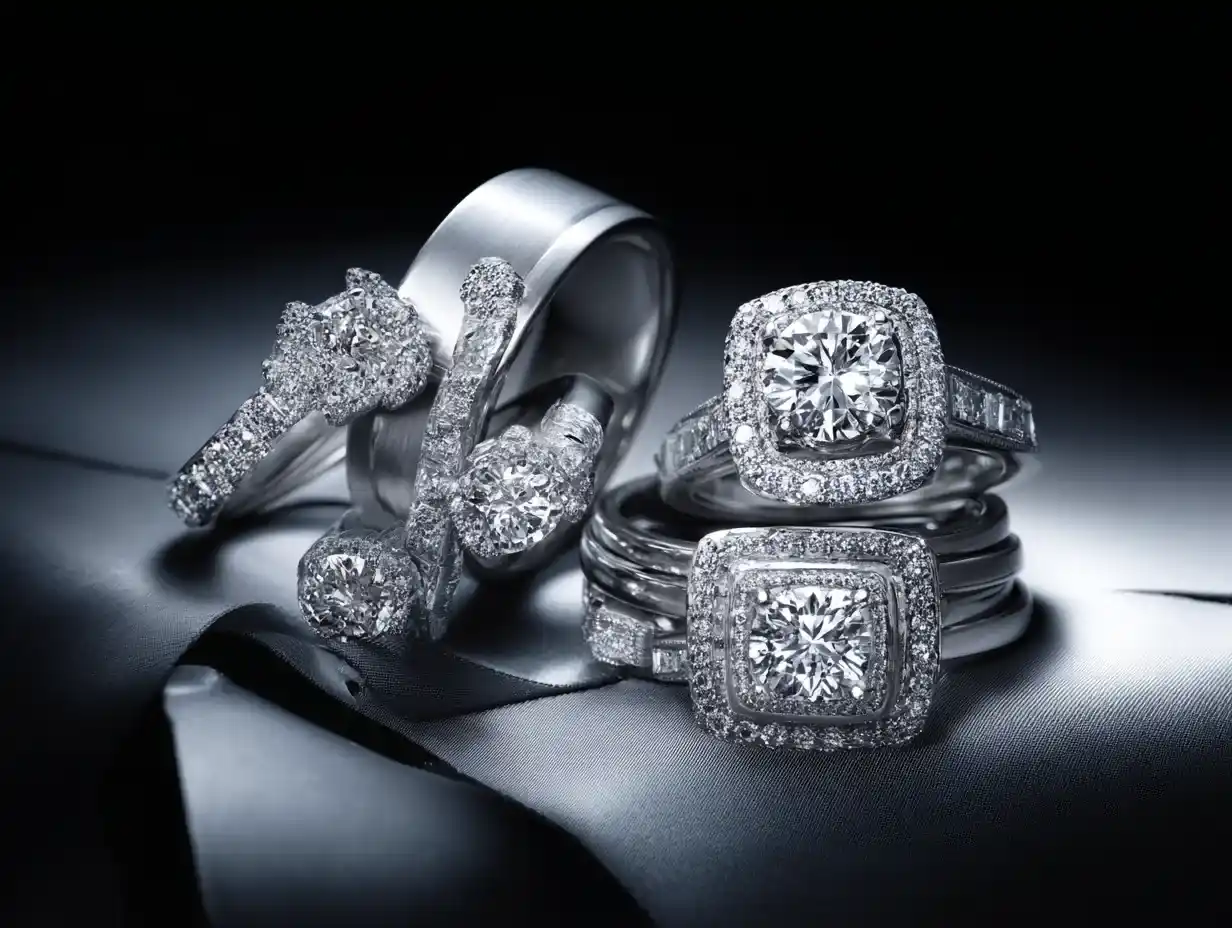
Platinum engagement rings represent the pinnacle of commitment jewelry. Platinum’s strength securely holds diamonds, while its pure white color maximizes diamond brilliance. The metal’s durability ensures engagement rings withstand decades of daily wear. Classic solitaires, elaborate halos, and vintage-inspired designs all showcase beautifully in platinum’s prestigious setting.

Platinum Wedding Bands

Platinum wedding bands symbolize eternal commitment through their enduring beauty and strength. Simple bands develop distinguished patina over years of wear, visibly marking time together. Detailed bands featuring diamonds or engraving maintain crisp details better in platinum than softer metals. Many couples choose platinum for both engagement rings and wedding bands, creating cohesive sets celebrating their union.

Platinum Fine Jewelry

Beyond bridal jewelry, platinum creates exceptional necklaces, earrings, and bracelets. Diamond tennis bracelets in platinum provide ultimate luxury and security. Platinum chains offer substantial feel and lasting beauty. Statement pieces in platinum combine precious metal prestige with artistic design, creating heirloom jewelry worthy of passing through generations.

Platinum vs. White Gold

Platinum and white gold both offer white metal aesthetics but differ significantly in properties and maintenance. Platinum maintains natural white color permanently, while white gold requires periodic rhodium replating. Platinum’s higher purity suits sensitive skin better than white gold potentially containing nickel. Platinum weighs more and feels more substantial. White gold costs less initially but incurs ongoing maintenance expenses.

For important pieces worn daily—particularly engagement rings—platinum’s durability and low maintenance justify higher initial investment. For fashion jewelry or occasional-wear pieces, white gold’s accessibility provides white metal beauty at reduced cost. Consider wearing frequency, budget, and personal priorities when choosing between these white metal options.

Caring for Platinum Jewelry

Regular Cleaning

Clean platinum jewelry using warm water and mild dish soap with soft brushes. Platinum tolerates various cleaning methods, including ultrasonic and steam cleaning (when gemstones permit). Its durability makes platinum forgiving of regular cleaning without damage concerns affecting softer metals. Regular cleaning maintains brilliance while allowing inspection for loose stones or damage requiring professional attention.

Professional Maintenance

Professional jewelers can polish platinum, removing scratches and restoring original shine. Unlike gold, platinum polishing doesn’t remove significant metal—displaced platinum merely redistributes rather than disappearing. Schedule professional cleaning and inspection annually for engagement rings and frequently worn platinum pieces. Jewelers check prong security, examine settings, and ensure jewelry remains structurally sound.

Embracing Patina

Many platinum owners appreciate the patina developing naturally over time. This soft, matte surface tells your jewelry’s story through visible wear patterns. Patina doesn’t indicate damage or devalue platinum—it’s simply surface texture change. Choose whether to maintain polished finish through regular professional service or embrace patina’s distinguished character. Either approach preserves platinum’s integrity and value.

Platinum Hallmarks and Authenticity

Authentic platinum jewelry features hallmarks indicating purity—Pt950, Pt900, or PLAT. Reputable jewelers provide documentation verifying platinum content. Weight provides authenticity clues—platinum’s density creates noticeable heft compared to gold or silver pieces of similar size. When purchasing platinum jewelry, especially significant investments, verify authenticity through established dealers offering guarantees and proper documentation.

Platinum Value and Investment

Platinum commands premium prices reflecting rarity, purity, and desirable properties. Market prices fluctuate based on industrial demand and mining production. However, platinum jewelry maintains value through both intrinsic metal worth and craftsmanship quality. Fine platinum pieces from reputable makers appreciate over time, becoming treasured heirlooms. When investing significantly in jewelry, platinum’s combination of beauty, durability, and prestigious appeal justifies premium pricing.

Platinum’s Rarity and Sourcing

Platinum mining occurs in limited locations—primarily South Africa, Russia, and Zimbabwe. Extracting platinum requires extensive ore processing, contributing to scarcity and cost. This rarity, combined with industrial applications in automotive catalytic converters and other technologies, creates strong demand affecting jewelry market prices. Understanding platinum’s scarcity helps appreciate its value and prestigious position among precious metals.

Choosing Platinum Jewelry

Select platinum for jewelry pieces deserving ultimate quality—engagement rings, wedding bands, and significant heirloom pieces. Platinum suits those with metal sensitivities, active lifestyles requiring durable jewelry, and anyone prioritizing low-maintenance precious metals. While platinum costs more initially, consider total ownership costs—eliminated replating expenses and superior longevity often justify premium prices. Platinum appeals to those valuing genuine luxury, prestigious rarity, and enduring quality over fleeting trends.

Platinum in Modern Jewelry Design

Contemporary designers appreciate platinum’s workability enabling intricate details and innovative forms. Platinum’s strength allows delicate designs impossible in softer metals while maintaining structural integrity. Mixed-metal designs incorporating platinum with gold create sophisticated contrasts. Platinum’s neutral white showcases colored gemstones brilliantly, making it ideal for showcasing rare, valuable stones deserving precious metal settings.

Explore our comprehensive platinum jewelry guides below for detailed information on quality assessment, care recommendations, comparison with alternative metals, and selection strategies. Whether choosing platinum engagement rings or building collections of platinum fine jewelry, you’ll find expert guidance for appreciating and maintaining these prestigious pieces representing jewelry’s ultimate luxury and lasting quality.

Home | Materials | Metals | Platinum

Does Platinum Jewelry Have Nickel In It

by Sara Hein
Does Platinum Jewelry Have Nickel In It

Does Platinum Jewelry Have Nickel In It The short answer to this question is no, platinum jewelry typically does not contain nickel. However, there are a few exceptions to this rule, so it is always best to check with the …

Read More…..

Categories Platinum

Home | Materials | Metals | Platinum

How To Make Platinum Jewelry

by Sara Hein
How To Make Platinum Jewelry

How To Make Platinum Jewelry There are a few things you need to know before you start making platinum jewelry. Platinum is a precious metal and is more expensive than gold. It is also a lot harder to work with, …

Read More…..

Categories Platinum
M
© 2026 Jewelry Carats | Privacy Policy | Cookie Policy | Terms And Conditions | Copyright Notice | Affiliate Disclosure | Disclaimer | Editorial Guidelines | Sitemap