
Affiliate Disclosure: As an Amazon Associate I earn from qualifying purchases. This means that if you click on a link and make a purchase, I may receive a small commission at no extra cost to you. I only recommend products I personally use or believe will add value to my readers.
The Complete Professional Guide
Introduction: Understanding Gold Plated Jewelry and Why Restoration Matters
Gold plated jewelry offers the luxurious appearance of solid gold at a fraction of the cost, making it an accessible option for fashion-conscious consumers. However, the thin layer of gold coating—typically ranging from 0.5 to 2.5 microns thick—inevitably shows wear over time. Understanding how to restore gold plated jewelry at home empowers you to extend the life of your favorite pieces, maintain their beauty, and avoid the expense of professional replating services.
Industry data reveals that properly maintained gold plated jewelry can retain its appearance for 2-5 years with regular wear, compared to just 6-12 months for neglected pieces. The economic benefits of home restoration prove substantial: professional replating services typically cost $30-100 per piece, while home restoration methods cost mere dollars and can be performed multiple times.
This comprehensive guide synthesizes professional jeweler techniques, materials science research, and proven home restoration methods to provide definitive protocols for restoring gold plated jewelry safely and effectively. Whether you’re dealing with faded fashion jewelry, tarnished gold plated rings, or dulled necklaces, this article equips you with professional-grade knowledge for optimal results.
🌟 Essential Tool for Gold Plated Jewelry Care
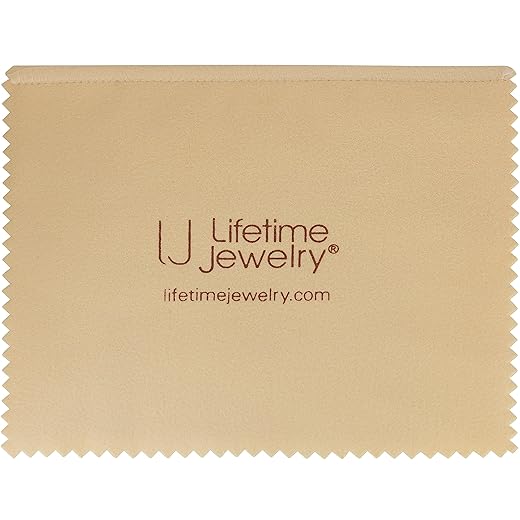
Before diving into restoration techniques, invest in the LIFETIME JEWELRY Professional Polishing Cloth. Specifically formulated for gold and rhodium plated jewelry, this two-in-one cloth safely cleans and polishes without damaging the delicate plating. The inner white cloth removes tarnish while the beige outer layer buffs to a brilliant shine.
Why it’s perfect for gold plated pieces: Unlike abrasive cloths that can strip plating, this gentle formula maintains the gold layer while restoring luster. Compact 5″x6″ size makes it perfect for travel and regular maintenance.
Understanding Gold Plating: The Science Behind the Shine
What Is Gold Plating and How Does It Work?
Gold plating (electroplating) involves depositing a thin layer of gold onto a base metal—typically brass, copper, silver, or stainless steel—through an electrochemical process. An electric current causes gold ions in a specialized solution to bond with the base metal’s surface, creating a durable yet relatively thin coating.
The thickness of gold plating categorizes into several distinct types:
- Flash Plating: 0.175 microns or less—extremely thin, used primarily for decorative purposes, wears quickly
- Gold Electroplate: 0.175-2.5 microns—standard fashion jewelry plating
- Heavy Gold Electroplate: 2.5-7.5 microns—higher quality, longer-lasting
- Gold Filled: 5% or more gold by weight—technically not plating but a mechanically bonded layer, highly durable
Understanding your jewelry’s plating thickness proves critical for restoration approach selection. Thicker plating tolerates more aggressive restoration methods, while flash plating requires extraordinarily gentle care to prevent complete removal of the gold layer.
Why Gold Plated Jewelry Tarnishes and Fades
Despite common misconceptions, pure gold does not tarnish—it’s chemically inert. However, gold plated jewelry tarnishes due to several factors affecting the thin coating and underlying base metal:
Primary Causes of Degradation:
- Mechanical Wear: Friction from daily activities gradually abrades the thin gold layer, particularly on high-contact areas like ring bands and bracelet clasps. Research shows high-wear areas can lose plating 3-5 times faster than protected surfaces.
- Chemical Exposure: Chlorine (swimming pools, cleaning products), perfumes, lotions, and cosmetics react with both the gold plating and base metal. Chlorine proves particularly damaging, capable of dissolving gold bonds within hours of concentrated exposure.
- Base Metal Oxidation: When micro-scratches or wear exposes the underlying base metal, oxidation occurs. Copper-based alloys develop green patina, while brass creates dark spots. This oxidation can spread beneath intact plating, causing bubbling or flaking.
- pH Imbalance: Skin acidity varies among individuals. People with higher skin acidity experience accelerated plating degradation, sometimes noticing tarnishing within weeks of purchase.
- Environmental Factors: Humidity, air pollution, and sulfur compounds in the atmosphere contribute to surface tarnishing. Jewelry stored in humid environments without anti-tarnish protection deteriorates faster than properly stored pieces.
Assessing Your Gold Plated Jewelry: Diagnosis Before Treatment
Determining Plating Condition and Restoration Feasibility
Before attempting restoration, carefully assess your jewelry’s condition to determine the appropriate approach:
Condition Categories:
Mild Tarnishing (Excellent Restoration Candidate):
- Surface appears dull or slightly discolored
- Gold plating intact without visible wear-through
- No green or black spots (indicating base metal exposure)
- Restore with: Gentle cleaning and polishing
Moderate Wear (Good Restoration Candidate):
- Visible dulling with some darkened areas
- Minor wear spots showing base metal (less than 10% of surface)
- Light surface scratches
- Restore with: Deep cleaning, gentle polishing, protective coating
Significant Wear (Challenging Restoration):
- Extensive plating loss (more than 25% of surface)
- Visible base metal discoloration throughout
- Flaking or bubbling plating
- Consider: Home replating kits or professional service
Severe Degradation (Professional Service Recommended):
- Plating completely worn away in major areas
- Structural damage to base metal
- Broken clasps or damaged settings
- Action: Professional replating and possible repair
Essential Tools and Products for Gold Plated Restoration
Building Your Home Restoration Kit
Professional-quality restoration requires specific tools and products designed for delicate plated surfaces. Generic jewelry cleaners often contain abrasives or chemicals too harsh for gold plating.
💎 Professional-Grade Polishing Cloth
The CONNOISSEURS Gold Jewelry Polishing Cloth uses a two-step system specifically formulated for gold plated jewelry:
- ✓ Inner cloth removes dirt and light tarnish without abrasives
- ✓ Outer cloth buffs to high luster
- ✓ Pre-treated formula means no messy liquids
- ✓ Works on gold plated, gold filled, and solid gold
Professional tip: Use gentle pressure in straight lines rather than circular motions to minimize plating wear.
Complete Home Restoration Kit Components:
- Microfiber cloths (non-abrasive): For drying and gentle cleaning
- Soft-bristle brush: Baby toothbrush or dedicated jewelry brush
- Mild dish soap: pH-neutral, no moisturizers or antibacterial additives
- Distilled water: Prevents mineral deposits from tap water
- Small glass bowl: For soaking solutions
- Cotton swabs: Detailed cleaning around settings and crevices
- White vinegar: For specialized cleaning (use sparingly)
- Baking soda: Gentle abrasive for stubborn tarnish (use cautiously)
Step-by-Step Restoration Methods by Condition
Method 1: Gentle Cleaning for Lightly Tarnished Pieces
For gold plated jewelry showing mild surface dulling without visible wear, gentle cleaning often restores original appearance completely.
Professional Protocol:
- Preparation: Inspect jewelry under good lighting for loose stones or structural damage. Do not proceed if damage present—seek professional repair first.
- Initial Dust Removal: Gently wipe with dry microfiber cloth to remove surface dust and prevent scratching during wet cleaning.
- Solution Preparation: Mix 2-3 drops mild dish soap in 1 cup lukewarm water (90-100°F). Never use hot water—thermal shock can loosen plating adhesion.
- Soaking: Submerge jewelry for 5-10 minutes maximum. Extended soaking can penetrate plating micro-cracks and accelerate base metal corrosion.
- Gentle Agitation: Use soft-bristle brush with light pressure to dislodge dirt from crevices. Focus on underside of stones, chain links, and textured areas. Never scrub plated surfaces—pat and dab instead.
- Rinsing: Rinse thoroughly under lukewarm running water. Hold over strainer or plugged sink to prevent loss.
- Drying: Pat dry immediately with clean microfiber cloth. Air dry completely before wearing or storing (minimum 30 minutes).
- Final Polish: Use LIFETIME JEWELRY Polishing Cloth with gentle straight-line motions to restore shine.
This method safely removes 80-90% of surface tarnishing and buildup without risking plating damage. Perform weekly for regularly worn pieces, monthly for occasional-wear jewelry.
Method 2: Deep Cleaning for Moderately Tarnished Jewelry
When gentle cleaning proves insufficient, this enhanced method addresses more stubborn tarnishing while maintaining plating integrity.
Enhanced Cleaning Protocol:
- Pre-Treatment Assessment: Identify areas of heaviest tarnishing. Test cleaning method on inconspicuous area first.
- Warm Soapy Soak: Prepare solution of 1 teaspoon mild dish soap per cup of warm water. Soak jewelry 10-15 minutes.
- Baking Soda Paste (Use Sparingly): For stubborn spots only, create paste of 2 parts baking soda to 1 part water. Apply with cotton swab using gentle dabbing motions—never rub aggressively. Baking soda’s mild abrasiveness can remove tarnish but also thin plating if overused.
- Vinegar Treatment (Optional, Use Cautiously): For persistent tarnish, dilute white vinegar 1:1 with water. Dampen cloth in solution and gently wipe affected areas for 30 seconds maximum. Vinegar’s acidity dissolves tarnish but can also attack gold plating with prolonged exposure. Rinse immediately and thoroughly.
- Detailed Brushing: Use soft toothbrush dampened in soapy water to clean settings, chain links, and detailed areas. Work slowly with minimal pressure.
- Multiple Rinses: Rinse thoroughly 2-3 times to ensure complete removal of cleaning agents. Residual chemicals continue working after cleaning, potentially causing gradual damage.
- Complete Drying: Pat dry and air dry completely. Consider using hair dryer on cool setting held 6+ inches away to accelerate drying without heat damage.
Important Cautions:
- Never use toothpaste—despite popular internet advice, toothpaste contains abrasives that scratch gold plating irreparably
- Avoid ultrasonic cleaners—vibrations can loosen plating adhesion and dislodge stones
- Skip alcohol-based cleaners—alcohol can discolor or damage certain plating types
- Never use silver polish or silver dips—these are formulated for solid silver and will damage gold plating
Method 3: Advanced Restoration for Significant Wear
When gentle methods fail to restore appearance, and visible base metal shows through, advanced techniques can improve appearance—though professional replating may ultimately prove necessary.
Gold Touch-Up Pen Application:
Gold touch-up pens (available from jewelry supply retailers and some online sources) contain diluted gold plating solution allowing spot treatment of small wear areas. While not true electroplating, these products can camouflage minor wear spots temporarily.
Application Protocol:
- Clean jewelry thoroughly using Method 1 or 2
- Ensure complete drying (moisture prevents adhesion)
- Apply pen in thin, even strokes over worn areas
- Allow to dry per manufacturer instructions (typically 24 hours)
- Apply protective sealant (discussed below)
Realistic Expectations: Touch-up pens provide temporary cosmetic improvement lasting weeks to months, not permanent restoration. They work best for small spots on low-wear areas.
⚡ For Serious Restoration: Home Replating Kit
If your jewelry shows extensive wear, consider the Gold Plating Services Brush Plating Kit. This professional-grade system allows true 24K gold replating at home.
Complete kit includes:
- ✓ Control console with voltage adjustment
- ✓ Brush plating wand for precise application
- ✓ 24K gold plating solution (plates ~300 sq. inches)
- ✓ Fine-select pen tips for detailed work
- ✓ Complete instruction manual with photos
Important: Brush plating requires practice and careful technique. Start with less valuable pieces to develop skills. Will not plate chrome or aluminum without special preparation.
Protecting Restored Jewelry: Extending Plating Life
Applying Protective Sealants
After restoration, protective sealants dramatically extend plating life by creating barriers against moisture, chemicals, and abrasion. Professional jewelers often apply clear protective coatings to new gold plated jewelry before sale.
🛡️ Essential Protection: Jewelry Sealant
The Eternal Jewelry Coating uses nano-ceramic technology to bond with jewelry at the molecular level, providing superior protection without visible coating.
Key advantages:
- ✓ Bonds molecularly—never peels or separates like nail polish
- ✓ Water and dust repellent surface
- ✓ Prevents allergic reactions to base metals
- ✓ Easy application: brush on, wait 5 minutes, polish off excess
- ✓ One bottle coats 100+ pieces (2 sq. inch each)
- ✓ Includes polishing cloth and microfiber
Professional insight: Unlike clear nail polish (which yellows, chips, and requires toxic removal), proper jewelry sealants provide long-lasting, nearly invisible protection. Reapply every 2-3 months for daily-wear pieces.
Sealant Application Protocol:
- Surface Preparation: Ensure jewelry is completely clean and dry. Any residual oils or dirt prevent proper adhesion.
- Application: Apply thin, even coat using provided brush. Work in well-ventilated area.
- Curing Time: Follow product-specific instructions. Eternal Jewelry Coating requires just 5 minutes before buffing; other products may require 24-48 hours full cure.
- Final Buff: Polish to remove excess coating and ensure even, invisible finish.
- Reapplication Schedule: Daily-wear pieces every 2-3 months; occasional-wear pieces every 6-12 months.
Alternative Protection: ProtectaClear
For those seeking industrial-grade protection, ProtectaClear 4oz Metal Coating offers extremely durable clear coating used by professionals. This coating excels for high-wear items like rings and bracelets. Apply via dipping, brushing, or spraying. Allows multiple coats for enhanced durability. Skin-safe and food-safe after curing.
Preventive Care: Daily Practices to Extend Plating Life
Protective sealants work best combined with proper wearing and storage practices:
The “Last On, First Off” Rule:
Apply cosmetics, perfumes, lotions, and hairsprays before putting on gold plated jewelry. These products contain chemicals that attack gold plating and accelerate base metal oxidation. Remove jewelry before showering, bathing, or applying skincare products.
Activity-Based Removal Protocols:
- Swimming: Always remove before pools, hot tubs, or ocean swimming. Chlorine dissolves gold bonding; saltwater accelerates corrosion
- Exercise: Sweat’s acidic pH attacks plating. Remove before workouts or sports
- Sleeping: Remove to prevent friction damage and skin product exposure during sleep
- Cleaning: Household chemicals (bleach, ammonia, harsh cleaners) irreparably damage gold plating
- Cooking: Remove rings and bracelets before food preparation to prevent food acid exposure
Proper Storage:
- Individual Storage: Store each piece separately in soft pouches or compartmentalized jewelry boxes. Contact between pieces causes scratching.
- Anti-Tarnish Protection: Use anti-tarnish strips or pouches specifically designed for jewelry storage. These absorb sulfur compounds preventing tarnish formation.
- Environmental Control: Store in cool, dry location (60-75°F, 40-60% humidity). Avoid bathrooms where humidity fluctuates dramatically.
- Post-Wear Cleaning: Wipe with soft cloth after each wear to remove skin oils and cosmetic residue before storage.
When to Choose Professional Replating
Recognizing the Limits of Home Restoration
While home restoration techniques handle most common issues, certain situations benefit from professional replating services:
Professional Service Recommended When:
- Plating loss exceeds 40% of surface area
- Base metal shows significant corrosion or pitting
- Jewelry holds high sentimental or monetary value
- Piece requires structural repair simultaneously
- Previous home restoration attempts failed
- Jewelry features intricate details requiring preservation
Professional Replating Process and Costs:
Professional jewelers use industrial electroplating equipment providing superior results to home methods. Process includes:
- Complete stripping of old plating and thorough base metal cleaning
- Application of strike layer (typically nickel) for improved adhesion
- Electroplating of new gold layer to specified thickness
- Final polishing and quality inspection
Typical costs: $30-75 for small items (rings, earrings), $75-150 for larger pieces (necklaces, bracelets). Turnaround time ranges from 1-3 weeks.
Understanding Different Gold Plating Types
Matching Restoration Methods to Plating Type
Different plating types require modified restoration approaches:
Standard Gold Plate: Most common type. Responds well to all restoration methods described. Relatively forgiving of gentle cleaning errors.
Gold Vermeil: Sterling silver base with minimum 2.5 micron gold plating. More valuable than standard plate. Use only gentlest methods—no abrasives whatsoever. Consider professional service for valuable pieces.
Rose Gold Plate: Gold-copper alloy creates pink hue. More prone to tarnishing than yellow gold due to copper content. Requires frequent gentle cleaning. Protective sealants especially beneficial.
White Gold Plate: Often actually rhodium plating over yellow gold or brass. Extremely thin. Use only Method 1 cleaning—anything more aggressive risks complete plating removal.
Gold Filled: Technically not plating but heat-bonded gold layer representing 5%+ of total weight. Much more durable than plating. Tolerates standard jewelry cleaning methods but still benefits from protective sealants.
Common Mistakes and How to Avoid Them
Critical Errors That Damage Gold Plating Irreparably
Learning from others’ mistakes prevents costly jewelry damage:
Mistake #1: Using Toothpaste
Despite viral internet claims, toothpaste contains abrasives (calcium carbonate, silica, hydrated silica) designed for dental enamel—far too aggressive for thin gold plating. Even “gentle” toothpastes create microscopic scratches that accumulate with repeated use, progressively thinning and dulling plating. Never use toothpaste on any plated jewelry.
Mistake #2: Prolonged Vinegar Soaking
While dilute vinegar can remove tarnish, extended soaking (more than 60 seconds) allows acid penetration through plating micro-cracks, attacking base metal and undermining plating adhesion. Use vinegar sparingly, briefly, and only when other methods fail.
Mistake #3: Ultrasonic Cleaners
Ultrasonic cleaners work excellently for solid gold but prove too aggressive for plated jewelry. High-frequency vibrations can loosen plating adhesion, particularly around soldered joints and setting edges. Additionally, they dislodge stones in weakened settings.
Mistake #4: Harsh Chemical Cleaners
Ammonia, bleach, hydrogen peroxide, and commercial metal polishes designed for solid metals attack gold plating bonds. These chemicals can dissolve or discolor plating within minutes of exposure.
Mistake #5: Excessive Polishing
Over-enthusiastic polishing physically abrades gold plating. Each polishing session removes microscopic amounts of gold. Daily polishing—even with appropriate cloths—gradually thins plating to transparency. Polish only when visible tarnish appears, not as preventive measure.
Mistake #6: Clear Nail Polish Application
Popular social media “hack” recommends clear nail polish as protective coating. Problems: nail polish yellows with age, chips and peels (looks worse than no coating), contains harsh solvents that may damage certain plating types, and requires acetone removal (which damages plating). Use proper jewelry sealants like Eternal Jewelry Coating instead.
Special Considerations for Specific Jewelry Types
Rings: High-Wear Restoration
Rings experience maximum wear due to constant friction against surfaces. Expect faster plating degradation on palm-side band. Focus restoration efforts on visible surfaces. Consider professional replating when palm-side wear exceeds 50%—this indicates imminent failure of visible surfaces.
Necklaces and Chains: Preventing Clasp Wear
Clasp mechanisms experience concentrated wear. Clean carefully around moving parts without forcing mechanisms. Apply sealant to clasps last, ensuring no coating enters mechanical components. Store necklaces flat or hung to prevent chain kinking.
Earrings: Addressing Post Tarnishing
Earring posts contact skin oils constantly, causing rapid tarnishing. Clean posts after every 2-3 wears. Apply sealant to posts to create hypoallergenic barrier preventing skin reactions. Replace severely corroded posts professionally—attempting DIY repair often fails and damages earring.
Watches: Metal Band Restoration
Watch bands require careful cleaning around non-removable components. Avoid submerging unless watch waterproof rating known. Use cotton swabs dampened (not soaked) in cleaning solution for detailed work between links. Never apply liquid sealants near watch case—risk of interior damage. Use cloth-applied sealants only on metal portions.
Maintaining Restored Jewelry: Long-Term Care Protocols
Establishing Effective Maintenance Routines
Consistent care prevents major restoration needs:
Daily Wear Jewelry:
- Quick wipe with soft cloth after each wear
- Weekly: Method 1 gentle cleaning
- Monthly: Detailed cleaning with soft brush
- Quarterly: Protective sealant reapplication
- Annually: Professional inspection
Occasional Wear Jewelry:
- Wipe before storage after wearing
- Quarterly: Method 1 gentle cleaning
- Bi-annually: Protective sealant application
- Annually: Thorough inspection for hidden damage
Special Occasion Jewelry:
- Clean before and after each wearing
- Store in individual anti-tarnish pouches
- Annual gentle cleaning and sealant application
- Consider archival storage for heirloom pieces
Frequently Asked Questions
Q: Can I restore gold plated jewelry that has turned completely green?
A: Green discoloration indicates exposed copper base metal oxidation. Home cleaning can remove surface oxidation, but underlying copper remains exposed. Apply touch-up gold pen followed by protective sealant for temporary improvement. Long-term solution requires professional replating.
Q: How long does home-restored gold plated jewelry last?
A: With proper maintenance and protective sealant application, restored jewelry can maintain appearance for 1-2 years before requiring re-restoration. Actual longevity depends on wear frequency, care practices, and original plating quality.
Q: Is it worth restoring inexpensive gold plated jewelry?
A: Economic analysis: if restoration costs (time + materials) exceed 50% of replacement cost, replacement proves more economical. However, sentimental value often justifies restoration regardless of monetary value. Home restoration costs typically $2-10 per piece, making it worthwhile for most jewelry.
Q: Can I use the same restoration methods on gold filled jewelry?
A: Yes, but gold filled jewelry tolerates slightly more aggressive cleaning due to thicker gold layer. However, gentle methods still recommended to maximize longevity.
Q: Why does my skin turn green even after restoration?
A: Green skin indicates copper from base metal reacting with skin chemistry. Solutions: Apply protective sealant like Eternal Jewelry Coating to create barrier, or apply clear nail polish to skin-contact areas only (not entire piece).
Q: How do I know if my jewelry is gold plated versus solid gold?
A: Examine for hallmarks: “GP” (gold plated), “GEP” (gold electroplate), “HGE” (heavy gold electroplate) indicate plating. Solid gold marked “10K”, “14K”, “18K”, or “24K” without additional letters. Plated jewelry typically lighter weight. When uncertain, consult professional jeweler for testing.
Q: Can I replate gold jewelry at home multiple times?
A: Yes, with proper technique and home replating kits. However, each stripping and replating cycle slightly roughens base metal surface, eventually requiring professional buffing and preparation for optimal results.
🎁 Complete Gold Plated Jewelry Restoration Kit
For comprehensive care of your gold plated jewelry collection, assemble this professional-grade kit:
1. Daily Maintenance: LIFETIME JEWELRY Polishing Cloth
Perfect for quick touch-ups and regular polishing. Compact travel size ideal for on-the-go care.
2. Deep Cleaning: CONNOISSEURS Gold Polishing Cloth
Two-step professional system for thorough cleaning and brilliant shine restoration.
3. Protection: Eternal Jewelry Coating
Nano-ceramic sealant provides long-lasting protection. One bottle treats 100+ pieces.
4. Heavy-Duty Protection (Optional): ProtectaClear 4oz Coating
Industrial-grade protection for high-wear items like rings and bracelets.
5. Advanced Restoration (If Needed): Gold Plating Services Brush Kit
True electroplating capability for severely worn pieces. Requires practice but provides professional results.
Total investment: Approximately $70-120 for complete professional-grade system that maintains your entire collection for years.
Conclusion: Empowering Long-Term Jewelry Care
Restoring gold plated jewelry at home represents both practical economy and mindful stewardship of cherished possessions. The techniques, products, and protocols outlined in this comprehensive guide—synthesized from professional jeweler practices, materials science research, and proven home methods—equip you with professional-grade knowledge for optimal results.
The fundamental principles bear repeating: assess condition before treatment, use appropriate methods for plating thickness, apply protective sealants after restoration, and implement consistent preventive care practices. These principles, consistently applied, extend gold plated jewelry life from months to years while maintaining beautiful appearance.
Remember that gold plating inevitably wears with use—this represents normal material behavior, not personal failure. Home restoration extends jewelry life substantially, but eventual professional replating or replacement becomes necessary for beloved pieces subjected to regular wear. Understanding this reality prevents frustration and allows realistic expectations.
For most jewelry owners, simple routine suffices: weekly gentle cleaning with quality polishing cloths for daily-wear pieces, quarterly protective sealant application, and proper storage practices. This straightforward approach, grounded in materials science rather than internet mythology, preserves gold plated jewelry beauty while making pieces shine with renewed brilliance.
Your gold plated jewelry represents style, memories, and often meaningful moments. Treat these pieces with informed care they deserve—the relatively small time and monetary investment in proper restoration and maintenance yields enormous dividends through extended beauty, prevented damage, and continued wearing enjoyment.
Begin today: assess your collection’s condition, gather appropriate restoration supplies, and implement systematic care protocols. Your jewelry will reward this attention with enduring beauty and continued joy for years to come.
Last Updated: December 2024 | This article contains affiliate links. As an Amazon Associate, I earn from qualifying purchases at no additional cost to you. All product recommendations are based on professional jeweler techniques, materials science research, and verified effectiveness for gold plated jewelry restoration.

Hi, I’m Sara Hein, a passionate jewelry researcher and educator. I created Jewelry Carats to share well-researched insights on gemstones, precious metals, and jewelry care. My goal is making expert jewelry knowledge accessible to everyone.