
Affiliate Disclosure: As an Amazon Associate I earn from qualifying purchases at no additional cost to you.
Why Homemade Jewelry Cleaner Works
Professional jewelry cleaners charge $20-40 for cleaning services using solutions you can create at home for pennies. Homemade jewelry cleaner effectively removes oils, lotions, dirt, and buildup from gold and diamond jewelry using common household ingredients – mild dish soap, diluted ammonia, warm water, and soft brushes. The secret isn’t exotic chemicals but proper technique: adequate soaking time loosening debris, gentle scrubbing reaching crevices, and thorough rinsing preventing residue.
This guide provides three proven homemade jewelry cleaner recipes (safest to strongest), identifies which methods suit different jewelry types and soil levels, explains safety precautions protecting jewelry and gemstones, and recommends essential supplies maximizing cleaning effectiveness.
Recipe #1: Dish Soap Method (Safest, Best for Regular Use)
Ingredients
- 1 cup warm water (NOT boiling)
- 2-3 drops mild dish soap
Instructions
- Mix solution: Combine warm water and dish soap in glass bowl, stir gently
- Soak jewelry: Submerge gold/diamond pieces 15-20 minutes
- Gentle scrubbing: Use soft toothbrush on crevices, prongs, settings
- Rinse thoroughly: Warm running water removing all soap (close drain!)
- Dry completely: Pat with lint-free cloth, air dry 10 minutes, polish with jewelry cloth
Best For
- Weekly routine cleaning
- All gold types (yellow, white, rose, plated)
- Diamonds and hard gemstones
- Jewelry with any gemstone (safest method)
- Beginners
🧼 Recommended Dish Soaps
1. Dawn Ultra Original Dish Soap
- ✓ #1 jeweler-recommended brand
- ✓ Gentle on precious metals
- ✓ Cuts grease effectively
- ✓ Clear formula (no dyes)
Arm & Hammer Pure Baking Soda, 5 lb
Recipe #2: Ammonia Method (Strongest, For Heavy Buildup)
Ingredients
- 1 cup warm water
- 2 tablespoons household ammonia
Instructions
- VENTILATION REQUIRED: Work in well-ventilated area (ammonia fumes strong)
- Mix solution: Combine water and ammonia in glass bowl
- Soak BRIEFLY: 5-10 minutes MAXIMUM (not hours)
- Scrub gently: Soft toothbrush removing loosened debris
- Rinse extensively: Complete ammonia removal essential
- Dry thoroughly: Pat dry, then air dry completely
Best For
- Heavy grease/lotion buildup
- Infrequent deep cleaning (monthly or less)
- Plain gold jewelry without sensitive stones
- Maximum cleaning power needed
⚠️ CRITICAL WARNINGS
- NEVER use on: Pearls, opals, emeralds, turquoise, coral (ammonia damages these)
- ALWAYS dilute: Never use straight ammonia (too harsh)
- Limit time: Maximum 10 minutes soaking
- Ventilation: Open windows, fumes irritating
- Rinse completely: Residual ammonia can damage settings over time
⚡ Household Ammonia
- ✓ Household strength appropriate for jewelry
- ✓ Clear formula
- ✓ Multiple uses (jewelry, household cleaning)
- ✓ Remember: ALWAYS DILUTE 1:6 ratio

Recipe #3: Budget Alternative
Ingredients
- 1 cup hot water
- 1 tablespoon baking soda
- 1 tablespoon salt
- 1 teaspoon dish soap
Instructions
- Mix all ingredients in glass bowl until dissolved
- Soak jewelry 10-15 minutes
- Scrub with soft brush
- Rinse thoroughly
- Dry completely
Best For
- Using pantry staples only
- Budget-conscious cleaning
- Moderately dirty jewelry
Note: Less effective than Recipes #1-2 but works acceptably
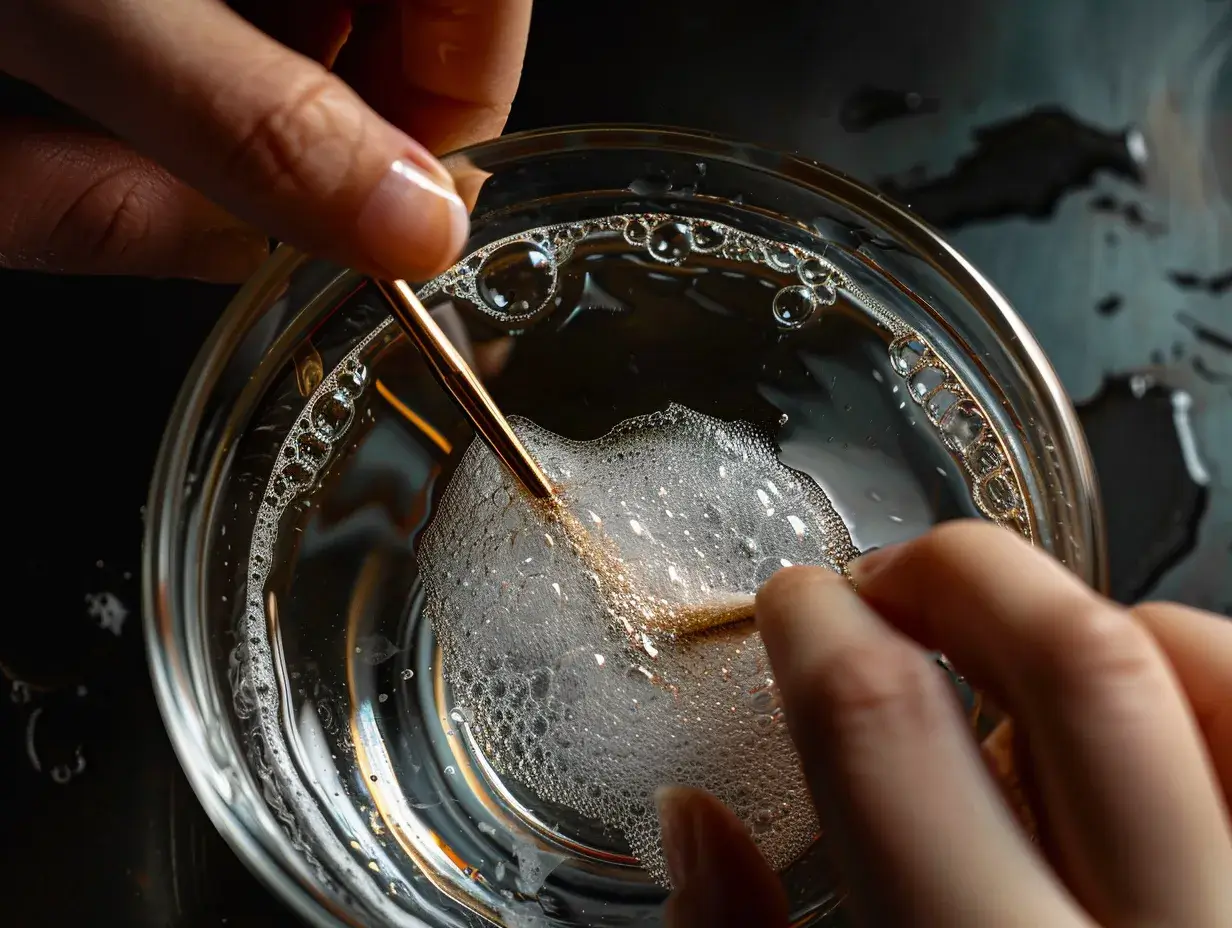
Essential Cleaning Supplies
🔧 Necessary Tools
- ✓ Baby toothbrushes ideal (softest bristles)
- ✓ Reaches crevices and settings
- ✓ Won’t scratch gold
- ✓ Dedicate separate brush for jewelry

- ✓ One for cleaning solution
- ✓ One for rinsing
- ✓ Glass won’t react with solutions
- ✓ Microwave-safe for warming water
Mini Glass Bowls, 3in 2.5oz Small Prep Bowl, 10 pcs Stackable Pinch Bowls for Dipping Spices Sauce
- ✓ Final buffing after cleaning
- ✓ Restores brilliant shine
- ✓ Anti-tarnish treatment
- ✓ Reusable hundreds of times
4. Lint-Free Microfiber Cloths
- ✓ Drying without water spots
- ✓ Won’t scratch surfaces
- ✓ No fiber residue

Gemstone-Specific Guidelines
SAFE for All Homemade Cleaners
- Diamonds: Hardest material, all methods safe
- Sapphires: Very hard, durable
- Rubies: Corundum like sapphires
- Topaz: Hard, chemically resistant
Use ONLY Dish Soap Method (NO Ammonia)
- Pearls: Organic, ammonia damages nacre
- Opals: Porous, water-sensitive
- Emeralds: Often oil-treated, ammonia removes treatment
- Turquoise/Coral: Porous, ammonia harmful
What NOT to Use
NEVER Use on Gold/Diamond Jewelry:
- ❌ Toothpaste: Abrasive, scratches gold permanently
- ❌ Chlorine bleach: Damages gold alloys irreversibly
- ❌ Baking soda paste (concentrated): Too abrasive
- ❌ Boiling water: Loosens settings through thermal expansion
- ❌ Harsh household cleaners: Ajax, Comet, toilet bowl cleaner
- ❌ Straight undiluted ammonia: Unnecessarily harsh
- ❌ Hard-bristle brushes: Scratch surfaces
Professional Cleaning Comparison
When Homemade Cleaner Sufficient
- Routine maintenance cleaning
- Surface dirt and oils
- Regular-wear jewelry
- Simple settings
When Professional Cleaning Recommended
- Prong inspection needed
- Extremely heavy buildup
- Intricate vintage settings
- Loose stones suspected
- Annual maintenance check
🏆 Commercial Cleaner Alternative
If Preferring Ready-Made Solutions:
1. CONNOISSEURS Jewelry Cleaning Kit
- ✓ Professional formula
- ✓ Includes brush and tray
- ✓ Works in 30 seconds
- ✓ Safe for gold and diamonds
- ✓ Convenient for quick cleaning

- ✓ Professional-level deep cleaning
- ✓ Use with homemade solution
- ✓ 3-minute cycles
- ✓ Reaches all crevices

KUNPHY Sonic Jewelry Cleaner, Jewelry Cleaner Machine 12oz 46KHz, Professional Sonic Cleaner with One-Touch Operation, Sonic Cleaner for Rings, Glasses,...
Cleaning Schedule Recommendations
Daily-Wear Jewelry (Rings, Wedding Bands):
- Weekly: Dish soap method (15 minutes)
- Monthly: Ammonia deep clean if needed
Occasional-Wear Jewelry:
- After each wearing: Quick dish soap clean before storage
Storage-Only Jewelry:
- Every 2-3 months: Inspection and cleaning
All Jewelry:
- Every 6-12 months: Professional jeweler cleaning + inspection
Frequently Asked Questions
Is homemade jewelry cleaner safe for diamonds?
Yes, homemade jewelry cleaner is completely safe for diamonds – they’re the hardest natural material and unaffected by gentle cleaning solutions. Diamonds tolerate: Mild dish soap solutions, diluted ammonia (1 part ammonia to 6 parts water), warm water soaking, soft brush scrubbing. Diamond cleaning best practices: Use dish soap + warm water for routine cleaning (safest method). Add diluted ammonia for heavy buildup (stronger cleaning power). Avoid boiling water (can loosen settings through thermal expansion). CAUTION for diamond jewelry settings: Verify setting type before cleaning. Prong settings: Safe for all methods. Glued settings (some vintage/costume): Avoid prolonged soaking, ammonia. Channel settings: Difficult to rinse completely – minimize soap use. Check for loose stones before cleaning – tap gently, listen for rattling. If stones loose, professional jeweler repair needed before cleaning. Bottom line: Diamonds themselves indestructible. Focus safety on metal settings and other gemstones in same piece.
Can I use ammonia on gold jewelry?
Yes, diluted ammonia is safe for gold jewelry when used properly. Safe ammonia use guidelines: ALWAYS dilute – 1 part ammonia to 6 parts water (never use full-strength). Limit soaking time – 5-10 minutes maximum, not hours. Rinse thoroughly – complete removal essential. Use in ventilated area – ammonia fumes strong. Gold types and ammonia: Yellow gold (10K-24K): Safe with diluted ammonia. White gold: Safe BUT some sources recommend avoiding (rhodium plating concern – minimal risk with brief exposure). Rose gold: Safe with diluted ammonia. Gold-plated: AVOID ammonia (can affect plating adhesion). Use plain dish soap instead. Gemstone considerations with ammonia: SAFE: Diamonds, sapphires, rubies (hard stones). UNSAFE: Pearls, opals, emeralds, turquoise, coral (porous/organic stones damaged by ammonia). If gold jewelry contains unsafe gemstones, skip ammonia entirely. Use plain dish soap method. Ammonia benefits: Superior grease-cutting power, removes heavy buildup effectively, restores maximum shine. When uncertain about jewelry composition, default to safer plain dish soap + warm water method.
What’s the best homemade jewelry cleaner recipe?
Best recipe depends on jewelry type and soil level. Top 3 proven recipes: RECIPE #1 – SAFEST (Dish Soap Method): 1 cup warm water + 2-3 drops mild dish soap (Dawn recommended). Mix in glass bowl, soak jewelry 15-20 minutes, gently brush with soft toothbrush, rinse thoroughly, pat dry. Best for: ALL gold types, diamonds, routine cleaning, sensitive gemstones (sapphires, rubies), beginners, frequent cleaning. Advantages: Completely safe, no harsh chemicals, effective for regular maintenance, won’t damage any settings. RECIPE #2 – STRONGEST (Ammonia Method): 1 cup warm water + 2 tablespoons ammonia (household cleaner strength). Mix in glass bowl, soak gold/diamond jewelry 5-10 minutes maximum, brush gently, rinse extensively, dry completely. Best for: Heavy buildup, infrequent deep cleaning, plain gold without sensitive stones, maximum grease removal. CAUTION: Ventilation required, avoid sensitive gemstones, never use full-strength ammonia. RECIPE #3 – BUDGET ALTERNATIVE: 1 tablespoon baking soda + 1 tablespoon salt + 1 cup hot water + 1 teaspoon dish soap. Mix until dissolved, soak 10 minutes, brush, rinse, dry. Best for: Budget-conscious, uses pantry staples, good for moderately dirty jewelry. Recommendation: Start with Recipe #1 (safest) for regular use. Use Recipe #2 (ammonia) only when needed for stubborn buildup. Recipe #3 acceptable but less effective than first two.
How often should I clean jewelry with homemade cleaner?
Cleaning frequency depends on wear patterns and exposure. Recommended schedule: DAILY-WEAR JEWELRY (rings, wedding bands worn constantly): Weekly cleaning with dish soap method – Body oils, lotions, cosmetics accumulate rapidly. Quick 15-minute soak maintains shine. Deep clean monthly with ammonia method if needed. OCCASIONAL-WEAR JEWELRY (special occasions, formal events): Clean after each wearing before storage – Prevents buildup from developing. Takes 15 minutes, maintains optimal condition. STORAGE-ONLY JEWELRY: Inspect and clean every 2-3 months – Even unworn jewelry collects dust, may develop tarnish. Signs jewelry needs immediate cleaning: Visible dirt/grime, dull appearance (lost shine), buildup in crevices/settings, sticky residue from lotions, discoloration. Overcleaning concerns: Excessive cleaning (daily with ammonia) may stress settings over time. Dish soap method gentle enough for frequent use. Ammonia method limit to monthly or as-needed. Professional jeweler recommendation: Supplement home cleaning with professional cleaning every 6-12 months. Jeweler inspects settings, checks stone security, provides deep ultrasonic cleaning. Prevention reducing cleaning needs: Remove jewelry before: applying lotions/cosmetics, showering, swimming, sleeping, exercising, household chores. Proper storage in jewelry box minimizes dust exposure.
What should I never use to clean gold and diamonds?
Avoid these substances/methods damaging gold and diamond jewelry: NEVER USE: (1) Chlorine bleach – Permanently damages gold alloys, weakens metal structure, causes pitting/discoloration. Never wear gold in chlorinated pools/hot tubs. (2) Toothpaste – Abrasive particles scratch gold surfaces permanently. Whitening toothpastes even more damaging. Despite popular myth, never use on jewelry. (3) Baking soda paste (concentrated) – Too abrasive for soft gold, creates microscopic scratches. Diluted baking soda solution okay, but paste form damages. (4) Boiling water – Thermal expansion can loosen stone settings. Thermal shock may crack certain gemstones. Use warm/hot tap water only. (5) Harsh household cleaners – Products like Ajax, Comet, toilet bowl cleaner far too aggressive for delicate jewelry. (6) Ultrasonic cleaners with loose stones – Vibrations dislodge stones with weakened settings. Inspect before ultrasonic use. (7) Straight undiluted ammonia – Full-strength ammonia unnecessarily harsh, strong fumes. Always dilute 1:6 ratio. (8) Abrasive brushes – Hard-bristle brushes scratch gold. Use soft toothbrushes or dedicated jewelry brushes only. SAFE CLEANING PRODUCTS: Mild dish soap (Dawn, Ivory, Palmolive), diluted ammonia (1:6 ratio), warm water, rubbing alcohol (for final diamond sparkle), dedicated jewelry cleaning solutions. When uncertain, stick with safest option: plain dish soap + warm water. Works effectively without risk.
Conclusion
Homemade jewelry cleaner delivers professional-quality results at pennies per cleaning using household ingredients – mild dish soap, diluted ammonia, and warm water. The dish soap method (Recipe #1) provides safest option for weekly routine cleaning, the ammonia method (Recipe #2) offers maximum power for monthly deep cleaning removing stubborn buildup, and both recipes outperform expensive commercial cleaners while being gentler on jewelry.
Key success factors: proper dilution ratios (never use full-strength ammonia), adequate soaking time (15-20 minutes loosening debris more effectively than scrubbing), gentle technique with soft brushes preventing scratches, and complete rinsing removing all residue. For daily-wear gold and diamond jewelry, weekly dish soap cleaning plus monthly ammonia deep clean maintains perpetual brilliance. Combined with annual professional jeweler inspection, homemade cleaning provides complete jewelry care at minimal cost.
Start with safest dish soap method mastering technique before progressing to stronger ammonia solution. Your gold and diamond jewelry deserves regular cleaning maintaining beauty and value – homemade solutions make consistent care affordable and convenient!
Last Updated: December 2024 | This article contains affiliate links. As an Amazon Associate, I earn from qualifying purchases at no additional cost to you.

Hi, I’m Sara Hein, a passionate jewelry researcher and educator. I created Jewelry Carats to share well-researched insights on gemstones, precious metals, and jewelry care. My goal is making expert jewelry knowledge accessible to everyone.