

Rings are among the most meaningful and personal jewelry pieces we wear. Whether you’re shopping for an engagement ring, adding to your fashion jewelry collection, or simply learning about ring styles, this comprehensive guide covers everything you need to know about ring types, settings, and how to choose the perfect piece.
- Engagement Rings – Symbolic rings given during marriage proposals
- Wedding Bands – Rings exchanged during wedding ceremonies
- Fashion Rings – Decorative rings worn for personal style
Each category contains numerous styles, and understanding these differences ensures you find the perfect ring for your needs, preferences, and budget.
Engagement Ring Types
Engagement rings represent one of life’s most important purchases. While traditions vary, engagement rings typically feature a prominent center stone, most commonly a diamond. Understanding the main styles helps you choose a ring that reflects your partner’s taste and will be treasured for a lifetime.
Solitaire Engagement Rings
The solitaire is the most classic and timeless engagement ring style. It features a single center stone set on a simple band, putting all focus on the diamond or gemstone.
Why Choose a Solitaire?
- Timeless elegance that never goes out of style
- Showcases the center stone’s beauty without distraction
- Pairs easily with any wedding band style
- Available at every price point
- Maximum light exposure to the stone for brilliance
Solitaire Setting Options
Four-Prong Setting: The most common, using four metal claws to secure the stone. Allows maximum light entry while providing security.
Six-Prong Setting: Offers additional security for larger stones. Tiffany & Co. popularized this setting, which provides extra protection while maintaining the stone’s brilliance.
Bezel Solitaire: A modern take where metal completely surrounds the stone. Offers maximum protection and works well for active lifestyles.
Tension Solitaire: The stone appears to float between two ends of the band, held by metal tension. Creates a dramatic, contemporary look.
Halo Engagement Rings
Halo rings feature a circle (or “halo”) of smaller diamonds surrounding the center stone. This design became popular during the Art Deco era of the 1920s and remains one of the most sought-after engagement ring styles.
Advantages of Halo Settings
- Makes the center stone appear significantly larger (up to half a carat larger visually)
- Adds extra sparkle and brilliance
- Can make a smaller center diamond look more impressive
- Protects the center stone’s edges
- Vintage-inspired glamour appeals to classic tastes
Halo Variations
Single Halo: One ring of diamonds surrounds the center stone. The most common and classic halo style.
Double Halo: Two concentric rings of diamonds create maximum sparkle and visual impact. Makes even modest center stones appear substantial.
Hidden Halo: Small diamonds encircle the base of the center stone, visible only from the side. Adds secret sparkle while maintaining a classic top view.
Cushion Halo: Designed specifically for cushion-cut diamonds, with a square or rectangular halo that echoes the stone’s shape.
Three-Stone Engagement Rings
Also called trilogy or trinity rings, three-stone designs feature a larger center stone flanked by two smaller side stones. This style carries deep symbolism, representing the past, present, and future of a relationship.
Stone Arrangements
Traditional: Center stone is noticeably larger (often 50-60% of total carat weight), with two matching smaller stones on either side.
Graduated: Stones decrease in size gradually from center to sides, creating a cohesive, flowing look.
Equal Size: All three stones are the same size, creating a modern, balanced appearance. Less common but increasingly popular.
Common Stone Combinations
- Diamond center with diamond sides (most traditional)
- Diamond center with sapphire sides (Princess Diana’s iconic ring style)
- Colored gemstone center with diamond sides
- All colored gemstones (increasingly popular for non-traditional brides)
Vintage and Antique Style Rings
Vintage-inspired engagement rings draw from historical design periods, incorporating intricate details and romantic aesthetics. These rings appeal to those who appreciate craftsmanship and historical significance.
Victorian Era (1837-1901)
Victorian rings feature romantic motifs like flowers, hearts, and nature-inspired designs. Common characteristics include:
- Ornate metalwork and engraving
- Colored gemstones (rubies, sapphires, emeralds)
- Yellow and rose gold
- Cluster settings and floral patterns
Edwardian Era (1901-1910)
Edwardian engagement rings showcase delicate, feminine designs with:
- Filigree (delicate metalwork creating lace-like patterns)
- Milgrain edges (tiny beaded borders)
- Platinum settings (newly discovered and fashionable)
- Old European cut diamonds
Art Deco Era (1920-1935)
Art Deco rings feature geometric, architectural designs reflecting the modern age:
- Bold geometric shapes and symmetry
- Emerald cuts and baguette diamonds
- Platinum and white gold
- Colored gemstone accents (sapphires, emeralds, rubies)
- Step cuts and linear patterns
Retro Era (1940s)
Retro rings from the WWII era feature:
- Large, bold designs using less precious metal (due to wartime restrictions)
- Rose and yellow gold (platinum was reserved for war efforts)
- Cocktail ring influence
- Curved, sculptural designs
Modern and Contemporary Rings
Modern engagement rings break from traditional designs, appealing to couples seeking unique, personalized expressions of their relationship.
East-West Settings
Elongated stones (oval, emerald, marquise) set horizontally rather than vertically. Creates a unique, fashion-forward look that stands out.
Split Shank Rings
The band splits into two or more strands as it approaches the center stone. Adds visual interest and makes the center stone appear larger. Can be simple and clean or ornate with diamonds in the split.
Twisted or Infinity Bands
Metal bands twist around each other, symbolizing two lives intertwining. Often features diamonds along the twist. Creates movement and uniqueness.
Minimalist Settings
Ultra-thin bands with low-profile settings appeal to modern, minimalist aesthetics. Perfect for those who prefer subtle elegance over bold statements.
Colored Stone Centers
Sapphires, emeralds, rubies, and other colored gemstones as center stones break from diamond traditions. Princess Diana’s sapphire ring (now Kate Middleton’s) popularized this trend.
Wedding Band Styles
Wedding bands complement engagement rings and symbolize the marriage commitment. While traditionally simpler than engagement rings, modern wedding bands offer numerous style options.
Plain Metal Bands
Classic, timeless wedding bands in precious metals without embellishment. These represent the purest form of wedding band symbolism.
Metal Options
Yellow Gold: Traditional choice available in 10k, 14k, or 18k. Warm tone suits most skin tones. Higher karat means purer gold but softer metal.
White Gold: Modern alternative to platinum. Rhodium-plated for brilliant white shine. Requires occasional re-plating (every 1-3 years).
Rose Gold: Romantic pink tone created by copper alloy. Increasingly popular for its unique, warm appearance. Complements most skin tones beautifully.
Platinum: Naturally white, doesn’t tarnish or require plating. Most durable precious metal but most expensive. Develops attractive patina over time.
Width Options
- 2mm: Very thin, delicate bands (women’s preference for subtle look)
- 3-4mm: Standard width for women, comfortable for daily wear
- 5-6mm: Popular for men, substantial presence
- 7-8mm: Wide bands making bold statements
Profile Styles
Flat Profile: Flat top and bottom surfaces. Modern, contemporary look. Can be less comfortable for wider bands.
Comfort Fit: Rounded interior for comfortable wear. Slides on/off easily. Recommended for anyone wearing rings daily.
Half-Round: Slightly rounded exterior, flat interior. Traditional appearance with good comfort.
Dome Profile: Curved top surface. Classic, elegant appearance. Comfortable for all-day wear.
Eternity and Half-Eternity Bands
Bands featuring diamonds or gemstones symbolize eternal love and commitment.
Full Eternity Bands
Diamonds completely encircle the band with no metal breaks. Creates maximum sparkle but cannot be resized. Important to get sizing exactly right before purchase.
Pros:
- Maximum sparkle from every angle
- True symbol of eternity (no beginning or end)
- Stones protected on all sides
Cons:
- Cannot resize (major consideration)
- More expensive (more stones required)
- Less comfortable (stones on palm side)
Half-Eternity Bands
Diamonds cover approximately half to three-quarters of the band. Top side sparkles while bottom remains plain metal.
Advantages:
- Can be resized (metal in back allows adjustment)
- More comfortable (smooth metal against palm)
- More affordable than full eternity
- Same visual impact when viewed from top
Setting Styles for Eternity Bands
Prong Set: Individual prongs hold each stone. Maximum light exposure creates exceptional sparkle. Stones sit higher, more likely to catch on things.
Channel Set: Stones sit in a metal channel, protected on both sides. Smooth surface won’t snag. More durable for everyday wear.
Pavé Set: Tiny diamonds set close together with minimal metal showing. Creates “paved” appearance. Requires careful craftsmanship for durability.
Stackable Wedding Bands
Thin bands (1-3mm) designed to be worn together, creating a custom look over time.
Stacking Strategies
All Same Metal: Cohesive, classic look. Easy to coordinate. Timeless aesthetic.
Mixed Metals: Combine yellow, white, and rose gold. Modern, fashion-forward. Requires confidence to pull off.
Diamond and Plain: Alternate sparkle with simplicity. Creates texture and interest. Versatile for different occasions.
Building Your Stack
- Start with engagement ring and wedding band
- Add anniversary band for each milestone
- Incorporate birthstone bands for children
- Mix textures (hammered, polished, matte)
- Vary band widths for visual interest
Contoured and Fitted Bands
Shaped to fit perfectly against engagement ring styles, particularly important for halo and three-stone designs.
Why Choose Contoured Bands?
- No gap between engagement and wedding ring
- Protects engagement ring setting
- Creates cohesive, intentional look
- Prevents rings from spinning
Note: Contoured bands are designed for specific engagement ring styles. Bring your engagement ring when shopping to ensure proper fit.
Matching Wedding Sets
Engagement ring and wedding band designed as matching pair. Ensures perfect style coordination and fit.
Benefits of Wedding Sets
- Guaranteed style harmony
- Perfect fit (no gaps or spinning)
- Often cost-effective (bundled pricing)
- Simplifies decision-making
Potential Drawbacks
- Less personalization
- Wedding band cannot be worn separately
- May limit future stacking options

Fashion Ring Types
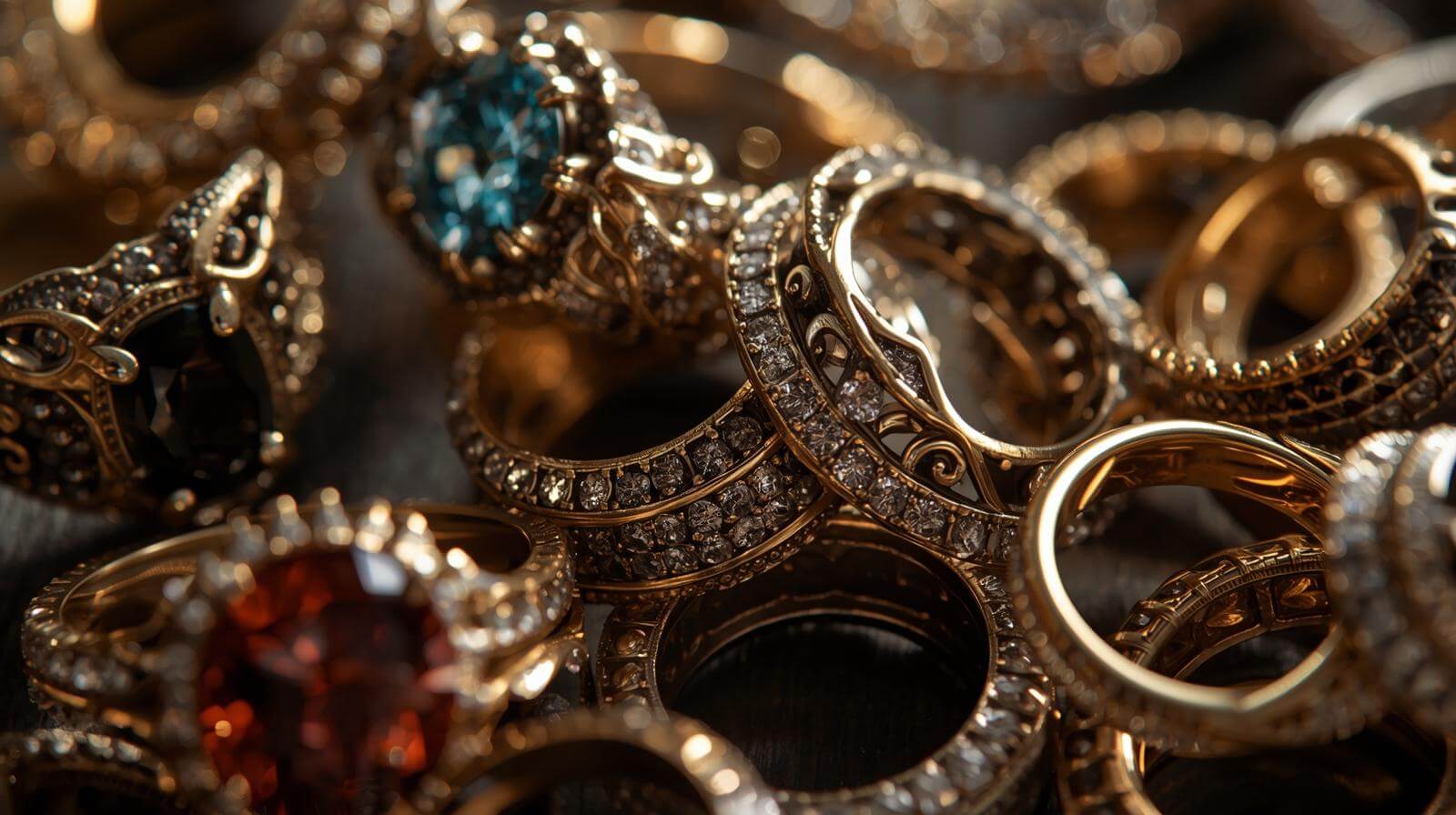
Fashion rings express personal style without ceremonial significance. These rings range from affordable costume jewelry to fine jewelry investment pieces.
Cocktail Rings
Large, bold rings featuring oversized center stones or dramatic designs. Originally worn to Prohibition-era cocktail parties in the 1940s-50s, these statement pieces remain popular for special occasions.
Characteristics of Cocktail Rings
- Large center stone (3+ carats or equivalent)
- Bold, eye-catching designs
- Worn on right hand (leaving left hand for wedding rings)
- Reserved for special occasions and evening events
- Often feature colored gemstones
Popular Cocktail Ring Styles
Cluster Settings: Multiple stones arranged in flower or geometric patterns. Creates substantial visual impact without single large stone cost.
East-West Ovals: Large oval stones set horizontally. Modern take on cocktail ring tradition.
Dome Rings: High, rounded settings creating dramatic profile. Often feature pavé diamonds covering the dome.
Statement Rings
Any eye-catching ring with distinctive design elements. More versatile than cocktail rings, these can work for both day and evening.
Modern Statement Styles
Geometric Designs: Angular shapes, hexagons, triangles. Appeals to minimalist, modern aesthetics.
Architectural Rings: Sculptural metalwork creating 3D structures. Art meets jewelry.
Nature-Inspired: Leaves, vines, flowers rendered in metal and stones. Organic, romantic appeal.
Mixed Materials: Combining different metals, wood, resin, or ceramic. Contemporary, artistic expression.
Stackable Fashion Rings
Thin rings designed for wearing in multiples, creating personalized combinations.
Stacking Guidelines
- Limit to 3-5 rings per hand for balanced look
- Mix widths (alternate thin and slightly wider)
- Combine textures (smooth, hammered, twisted)
- Play with stone placement (scattered vs. clustered)
- Consider negative space (gaps between rings create visual interest)
Popular Stackable Styles
Midi Rings: Worn above the knuckle rather than at base of finger. Creates elongating effect. Works well with 2-3 rings on one finger.
Birthstone Rings: Thin bands featuring birthstones. Stack to represent family members or meaningful dates.
Initial Rings: Delicate bands with letter charms. Personalized and meaningful.
Signet Rings
Traditionally featuring family crests or initials, modern signet rings serve as both identification and style statement.
Modern Signet Trends
- Customized with personal initials or symbols
- Clean, minimalist designs without engraving
- Geometric faces instead of traditional oval
- Worn by all genders (no longer exclusively masculine)
Class and Championship Rings
Commemorate academic achievements or athletic victories. Feature school colors, years, and relevant symbols.
Birthstone Rings
Feature the wearer’s birthstone as the center stone. Meaningful, personal jewelry that celebrates birth month.
Birthstone by Month
- January – Garnet (deep red)
- February – Amethyst (purple)
- March – Aquamarine (light blue)
- April – Diamond (clear)
- May – Emerald (green)
- June – Pearl or Alexandrite
- July – Ruby (red)
- August – Peridot (yellow-green)
- September – Sapphire (blue)
- October – Opal or Tourmaline
- November – Topaz or Citrine (yellow/orange)
- December – Turquoise or Tanzanite (blue)

Ring Settings Explained
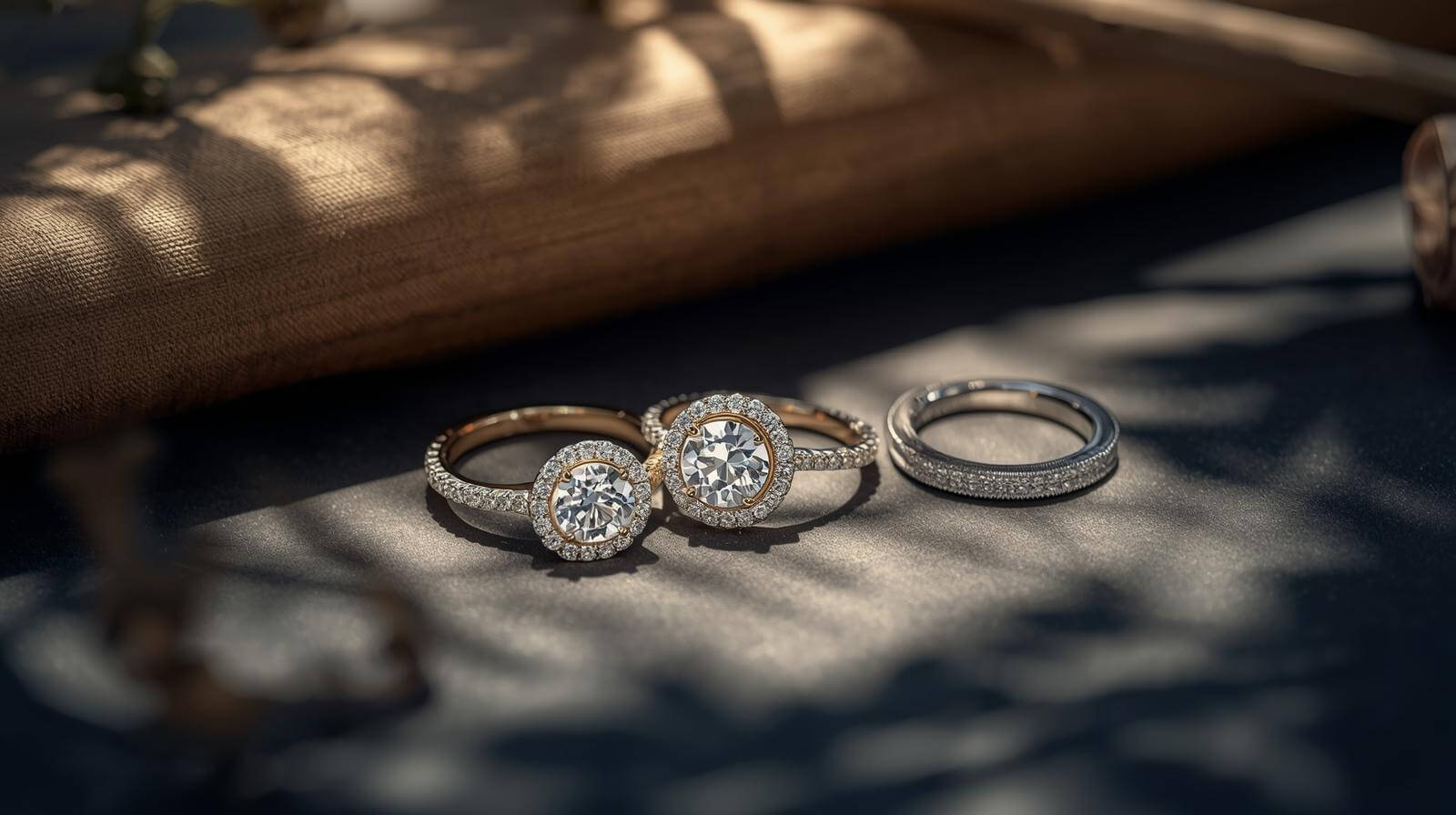
The setting determines how the stone is held in place and dramatically affects the ring’s appearance, durability, and maintenance needs.
Prong Settings
Metal claws (prongs) hold the stone from above, allowing maximum light exposure.
Prong Configuration
Four-Prong: Most common for round diamonds. Creates cross pattern. Allows excellent light entry while providing security.
Six-Prong: Additional security for larger stones. Tiffany setting uses this configuration. Provides extra protection but can make round stones appear more hexagonal.
Double-Prong: Each prong splits into two smaller prongs. Offers vintage, decorative look. Common in Art Deco designs.
Prong Setting Advantages
- Maximum light exposure creates exceptional brilliance
- Stone appears larger (minimal metal coverage)
- Easy to clean around the stone
- Traditional, timeless appearance
Prong Setting Considerations
- Prongs can catch on clothing or hair
- Require regular inspection for wear
- Less protective than bezel settings
- Not ideal for very active lifestyles
Bezel Settings
A metal rim completely surrounds the stone’s edge, holding it in place.
Types of Bezel Settings
Full Bezel: Metal completely encircles the stone. Maximum protection and security. Modern, sleek appearance.
Partial Bezel: Metal wraps around two sides (usually left and right). Compromise between security and light exposure.
Bezel Setting Advantages
- Maximum stone protection (edges fully covered)
- Smooth surface won’t snag
- Ideal for active lifestyles
- Modern, contemporary aesthetic
- Makes stone appear larger (metal frame effect)
Bezel Setting Considerations
- Reduces light entry (slightly less sparkle)
- More difficult to clean around stone
- Difficult to resize (metal must be cut)
- Not all stones suit bezel (some shapes work better)
Channel Settings
Stones set in a metal channel between two walls. Commonly used for wedding bands and accent stones.
Channel Setting Characteristics
- Stones sit flush with metal surface
- Protected on both sides by metal walls
- Smooth surface won’t catch
- Creates continuous line of sparkle
Best Uses for Channel Settings
- Wedding bands (everyday wear durability)
- Side stones on engagement rings
- Eternity bands
- Men’s rings (smooth, no snagging)
Pavé Settings
Tiny diamonds set very close together with minimal metal showing, creating a “paved” appearance.
Pavé Techniques
Traditional Pavé: Tiny beads of metal hold each stone. Requires skilled craftsmanship. Creates seamless diamond surface.
Micro-Pavé: Even smaller diamonds (under 0.01 carats each). Creates incredibly smooth, sparkly surface. Requires microscope for setting.
French Pavé: V-shaped cuts between stones create more light entry. Enhances sparkle but slightly less durable.
Pavé Setting Care
- Small stones can fall out with wear
- Requires gentle handling
- Regular inspection recommended
- Avoid ultrasonic cleaners (can loosen stones)
- Best suited for rings worn occasionally
Tension Settings
Stone appears suspended between two ends of the band, held by metal tension alone.
Tension Setting Requirements
- Requires very strong metal (usually titanium or platinum)
- Only works with hard gemstones (diamonds, sapphires)
- Cannot be resized (tension would release stone)
- Professional setting required (highly specialized)
Tension Setting Appeal
- Dramatic, floating appearance
- Maximum light exposure from all angles
- Modern, contemporary aesthetic
- Unique conversation piece
Cathedral Settings
Arches of metal rise from the band to support the center stone, resembling cathedral architecture.
Cathedral Setting Features
- Elevates stone for dramatic profile
- Protects stone from sides
- Creates elegant, architectural look
- Can feature additional diamonds in arches

How to Choose the Right Ring
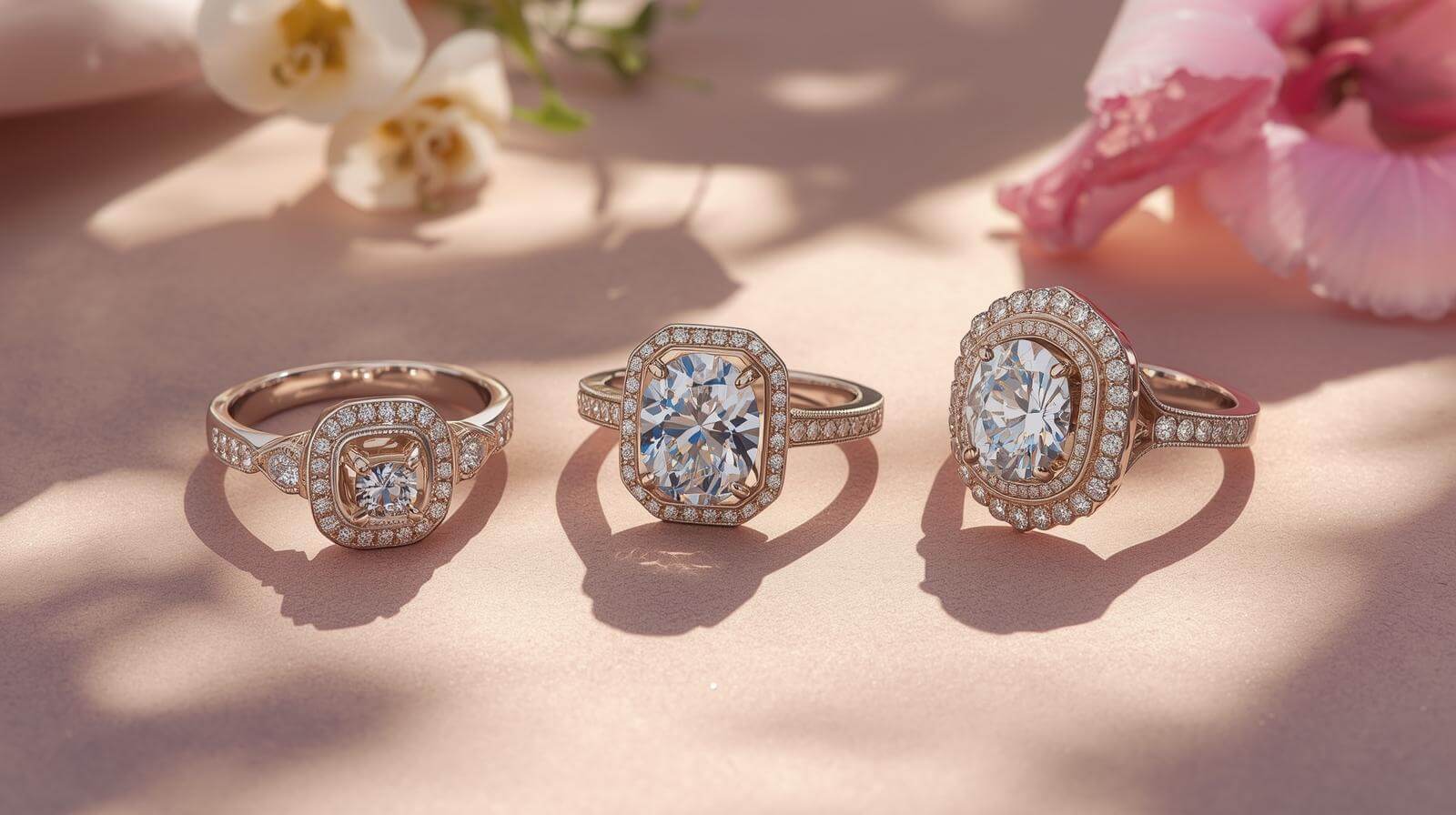
Selecting the perfect ring involves considering lifestyle, personal style, budget, and practical factors.
Lifestyle Considerations
For Active Lifestyles
- Choose bezel or channel settings (no prongs to catch)
- Consider platinum or 14k gold (more durable)
- Opt for lower profile settings
- Avoid delicate pavé settings
- Select harder gemstones (diamonds, sapphires)
For Office/Professional Settings
- Classic styles age well professionally
- Consider comfort (typing, writing)
- Avoid extremely high settings
- Simple designs work with all attire
For Manual Labor
- Consider removing ring during work
- Choose very durable settings
- Avoid high-set stones
- Consider silicone bands for work
Personal Style Matching
Classic Style
Timeless pieces that won’t date: solitaire settings, simple bands, traditional metals, round brilliant diamonds.
Vintage/Romantic Style
Ornate details, filigree work, milgrain edges, colored gemstones, vintage-inspired designs.
Modern/Contemporary Style
Clean lines, geometric shapes, tension settings, minimalist designs, mixed metals.
Glamorous Style
Halo settings, maximum sparkle, larger stones, intricate details, statement pieces.
Budget Strategies
Maximizing Value
- Consider slightly lower clarity (SI1 vs. VS2 often indistinguishable)
- Choose near-colorless grades (G-H vs. D-F saves significantly)
- Halo settings make center stones appear larger
- Consider lab-grown diamonds (identical to natural, lower cost)
- Shop slightly under popular carat weights (0.9ct vs. 1.0ct saves money)
Investment Pieces
- Prioritize quality for engagement rings
- Choose timeless styles
- Invest in certification (GIA, AGS)
- Select reputable jewelers
- Consider resale value
Metal Selection Guide
Durability Ranking (Most to Least)
- Platinum – Most durable, doesn’t wear away
- 18k Gold – Good balance of purity and strength
- 14k Gold – More durable than 18k, less pure
- 10k Gold – Most durable gold, least pure
Color Preferences
Yellow Gold: Warm, traditional, suits warm skin tones
White Gold: Modern, suits cool skin tones, requires maintenance
Rose Gold: Romantic, trendy, suits most skin tones
Platinum: Naturally white, prestigious, most expensive

Ring Sizing Guide
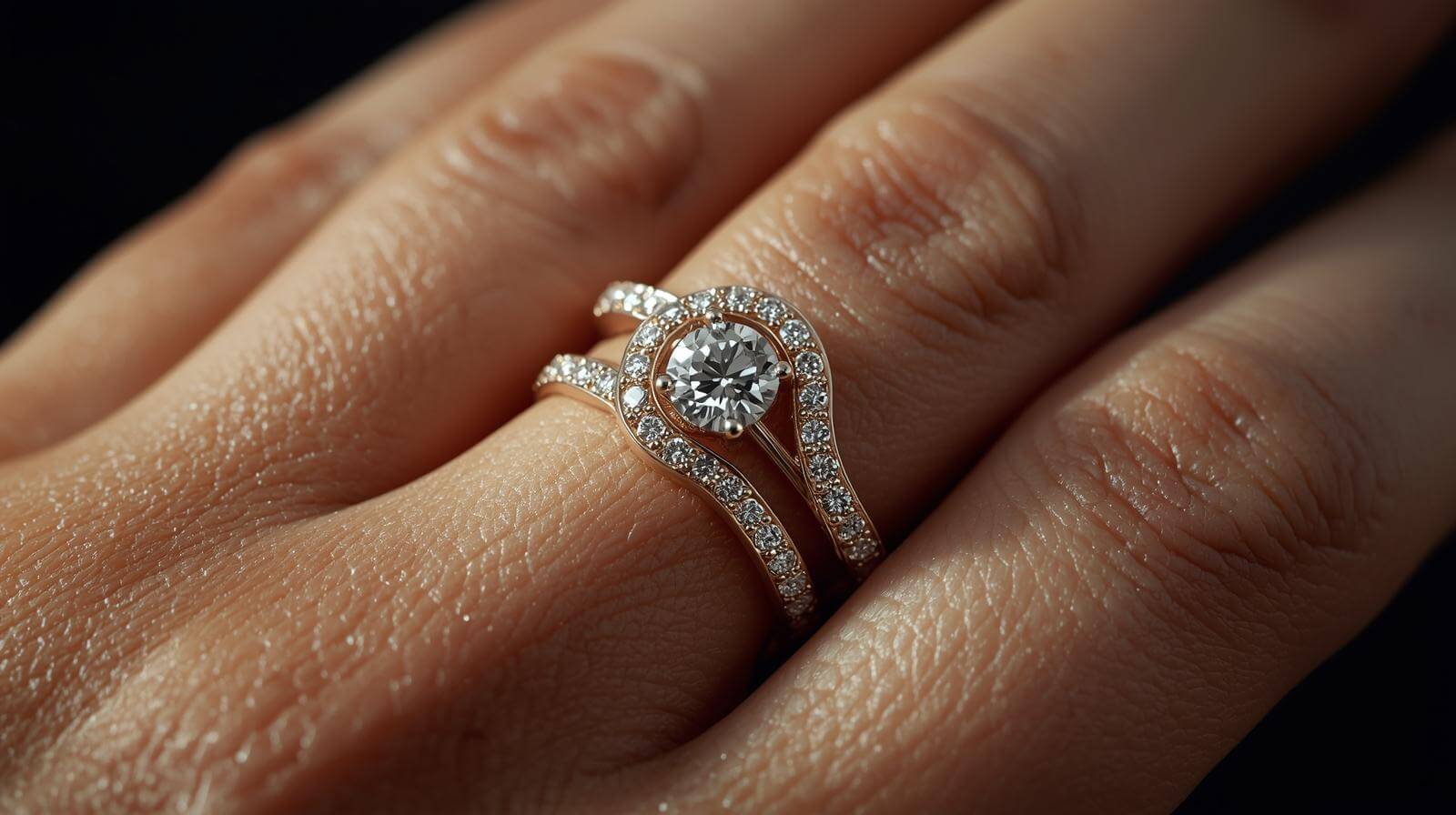
Proper ring sizing ensures comfort, security, and prevents damage to rings and fingers.
Professional Sizing
Visit a jeweler for the most accurate sizing using professional tools:
- Ring Sizer Set: Metal or plastic rings in all sizes to try on
- Ring Mandrel: Measuring your current ring against the mandrel
- Digital Caliper: Precise measurement of ring diameter
At-Home Sizing Methods
Method 1: Existing Ring
- Find a ring that fits the target finger
- Measure inner diameter with a ruler (mm)
- Use ring size chart to convert diameter to size
- Most accurate at-home method
Method 2: String or Paper Strip
- Wrap string around base of finger
- Mark where string overlaps
- Measure length with ruler (mm)
- Divide by 3.14 to get diameter
- Convert to ring size using chart
Note: This method is less accurate and should be confirmed professionally before purchasing.
Ring Sizing Tips
Timing Matters
- Measure in evening when fingers are largest
- Fingers swell in heat, shrink in cold
- Avoid measuring right after exercise
- Account for seasonal changes (fingers swell in summer)
Width Considerations
- Wide bands (6mm+) should be sized up half a size
- Thin bands can be true to size
- Comfort fit bands need less size adjustment
Knuckle Sizing
If knuckles are significantly larger than finger base:
- Ring should slide over knuckle but not spin at base
- May need to size between knuckle and base measurements
- Consider hinged shanks for large knuckle differences
Standard Ring Size Charts
US Women’s Sizes (Most Common)
- Size 4 – 14.9mm diameter
- Size 5 – 15.7mm diameter
- Size 6 – 16.5mm diameter
- Size 7 – 17.3mm diameter (average)
- Size 8 – 18.2mm diameter
- Size 9 – 19.0mm diameter
US Men’s Sizes (Most Common)
- Size 8 – 18.2mm diameter
- Size 9 – 19.0mm diameter
- Size 10 – 19.8mm diameter (average)
- Size 11 – 20.6mm diameter
- Size 12 – 21.4mm diameter
Resizing Considerations
Easy to Resize
- Plain metal bands
- Rings with stones only on top
- Prong-set engagement rings
- Most rings can be sized up or down 1-2 sizes
Difficult or Impossible to Resize
- Eternity bands (stones all around)
- Tension settings
- Rings with continuous patterns
- Some alternative metals (tungsten, ceramic)
- Channel-set bands

Ring Care Tips
Proper care maintains ring beauty and prevents damage, loss, and wear.
Daily Care Practices
When to Remove Rings
- Cleaning: Remove when using harsh chemicals, bleach, or strong cleaners
- Manual Work: Gardening, home repairs, heavy lifting can damage rings
- Exercise: Weights can bend rings, swelling makes removal difficult
- Swimming: Chlorine damages metals, cold water causes finger shrinkage (ring loss)
- Sleeping: Prevents bending, reduces wear on prongs
- Applying Lotion: Product buildup dulls stones
Cleaning Rings at Home
Basic Cleaning Method
- Mix warm water with mild dish soap
- Soak ring for 20-30 minutes
- Gently scrub with soft toothbrush
- Focus on behind stone and under settings
- Rinse thoroughly under warm water
- Dry with lint-free cloth
- Polish with jewelry cloth if needed
Cleaning Frequency
- Daily wear rings: Clean every 1-2 weeks
- Occasional wear rings: Clean before wearing
- Special occasion rings: Clean after each wear
What to Avoid
- Harsh chemicals (bleach, chlorine, acetone)
- Abrasive cleaners or brushes
- Ultrasonic cleaners for delicate settings
- Toothpaste (too abrasive)
- Boiling water (thermal shock can crack stones)
Professional Maintenance
Annual Inspection (Critical)
Schedule yearly professional inspection including:
- Prong security check
- Stone tightness verification
- Shank examination for wear
- Clasp functionality (if applicable)
- Professional cleaning
When to See a Jeweler Immediately
- Loose stones (can feel or hear stone moving)
- Bent prongs (visible damage)
- Shank wearing thin (can see through metal)
- Ring spinning excessively (sizing issue)
- Difficulty removing ring (medical concern)
Storage Best Practices
Daily Storage
- Use ring dish or designated spot
- Keep away from sink (prevents accidental loss)
- Store away from other jewelry (prevents scratching)
- Consistent location prevents loss
Long-Term Storage
- Individual soft pouches for each ring
- Jewelry box with separated compartments
- Climate-controlled environment
- Away from direct sunlight
- Not in bathroom (humidity damages metals)
Insurance and Documentation
What to Document
- Professional appraisal (update every 3-5 years)
- Detailed photographs from multiple angles
- Certificate of authenticity (if applicable)
- Original receipt and warranty
- Care instructions from jeweler
Insurance Options
- Homeowners/Renters Insurance: May cover up to certain amount
- Scheduled Personal Property: Specific coverage for high-value items
- Jewelry-Specific Insurance: Comprehensive protection including loss
Learn More About Jewelry Care
Discover professional cleaning techniques, metal-specific care, and gemstone maintenance in our Complete Guide to Jewelry Care & Maintenance.
Frequently Asked Questions
What is the most popular engagement ring style?
The solitaire engagement ring remains the most popular and timeless style, accounting for approximately 40% of all engagement rings sold. Round brilliant diamonds in four or six-prong settings offer classic elegance that works with any wedding band.
How much should I spend on an engagement ring?
Spend what’s comfortable for your budget, not arbitrary “rules” like two or three months’ salary. Consider your financial situation, savings goals, and partner’s expectations. Quality matters more than size—a well-cut, certified diamond in a durable setting provides better value than a larger stone with poor quality.
Can wedding bands be resized?
Most wedding bands can be resized up or down 1-2 sizes. Plain metal bands resize easily. Eternity bands with stones all around cannot be resized. Channel-set bands and tension settings also present resizing challenges. Consult a jeweler about specific ring resizability before purchase.
What’s the difference between 14k and 18k gold?
14k gold contains 58.3% pure gold mixed with other metals for strength, while 18k contains 75% pure gold. 18k gold offers richer color and higher purity but is softer and more expensive. 14k gold provides excellent durability for everyday wear at a better price point.
Do prongs wear out?
Yes, prongs gradually wear down over time from daily contact with surfaces. This typically takes years but varies based on activity level and metal type. Annual professional inspections catch prong wear before stones become loose. Re-tipping worn prongs is routine maintenance for prong-set rings.
Should I wear my engagement ring to sleep?
Removing your engagement ring before sleep is recommended. Sleeping in rings can bend prongs, catch on bedding, and cause unnecessary wear. It also prevents morning swelling from making removal difficult. Establish a safe bedside storage location if you remove your ring nightly.
Can I mix ring metals?
Yes, mixing metals is fashionable and widely accepted. Many people wear yellow gold wedding bands with white gold engagement rings, or mix rose, yellow, and white gold in their ring stack. Ensure intentional coordination—either pieces designed to mix, or clear style choices that work together.
What causes rings to turn fingers green?
Green discoloration comes from copper in the metal alloy reacting with skin oils and acids. More common with lower-karat gold (10k, 14k) and sterling silver. Not harmful, just cosmetic. Solutions include rhodium plating, applying clear nail polish to ring interior, or choosing higher-karat gold or platinum.
Finding Your Perfect Ring
Understanding ring types, settings, and styles empowers you to make confident decisions whether selecting an engagement ring, wedding band, or fashion jewelry. The perfect ring balances personal style, lifestyle needs, budget, and quality.
Remember that engagement and wedding rings are long-term investments meant to last a lifetime. Prioritize quality, proper sizing, and timeless appeal for these significant pieces. Fashion rings offer more flexibility for trend experimentation and style expression.
Take your time, do research, and consult with reputable jewelers. The right ring will feel perfect—both physically and emotionally—from the moment you put it on.
Continue Exploring Jewelry Types
Return to the main guide:
- Complete Guide to Jewelry Types
Explore other jewelry types:
- Necklace Types & Lengths Guide
- Earring Types & Styles Guide
- Bracelet Types & Styles Guide
Learn about ring care and maintenance:
- Complete Jewelry Care & Maintenance Guide