

Whether you’re shopping for yourself or looking for the perfect gift, understanding the different types of jewelry is essential. From engagement rings to everyday necklaces, this comprehensive guide covers everything you need to know about jewelry styles, materials, and how to wear them.
The Main Jewelry Categories
Jewelry falls into several primary categories:
- Rings – Worn on fingers, including engagement rings, wedding bands, and fashion rings
- Necklaces – Worn around the neck, varying in length from chokers to opera-length pieces
- Earrings – Worn on ears, from simple studs to elaborate chandeliers
- Bracelets – Worn on wrists, including bangles, cuffs, and chain styles
- Brooches & Pins – Decorative pieces attached to clothing
- Body Jewelry – Modern pieces for various body piercings
Each category contains numerous sub-types and styles, which we’ll explore in detail throughout this guide.
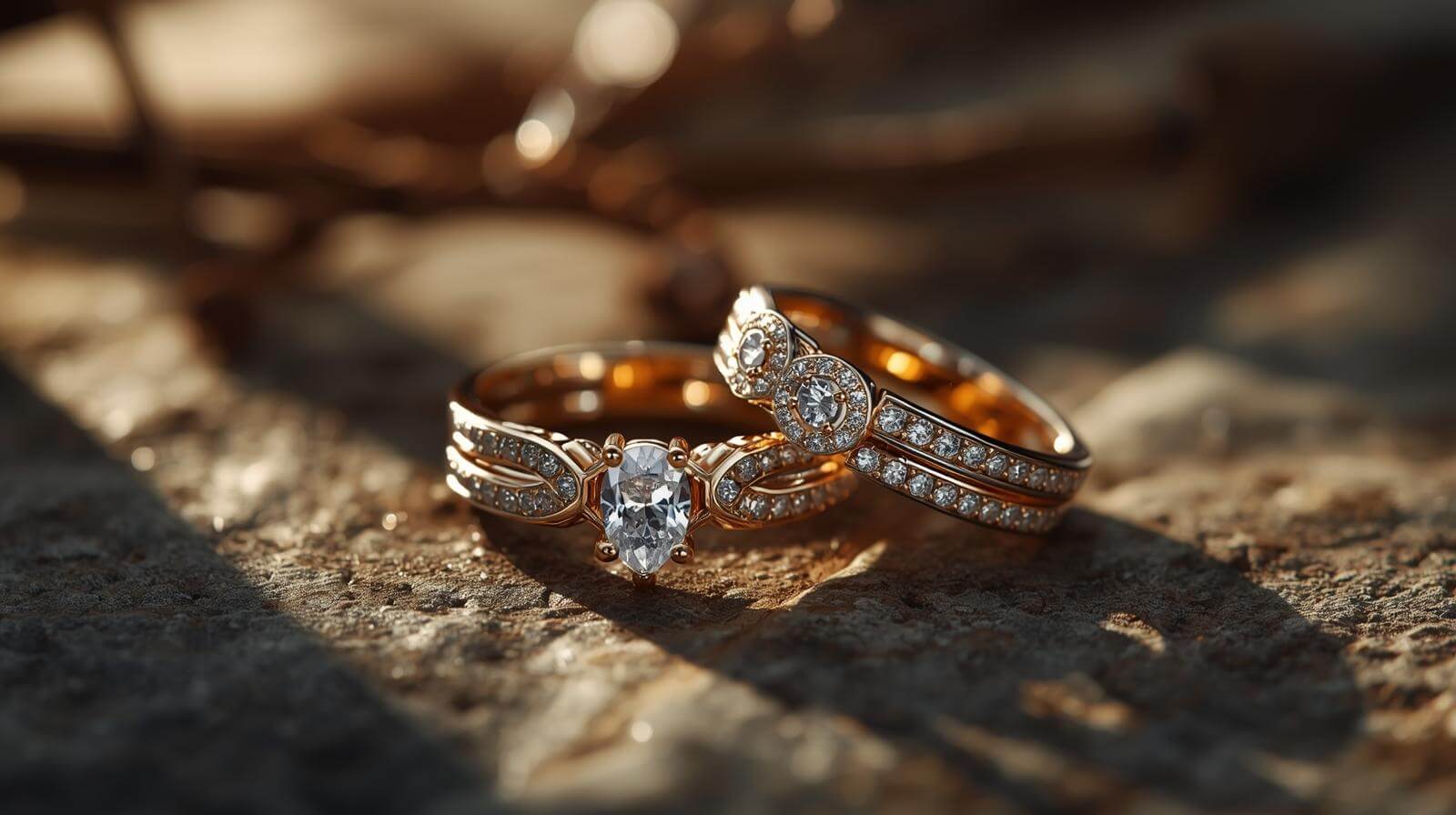

Ring Types & Styles
Rings are perhaps the most symbolic type of jewelry, representing commitment, achievement, and personal style. Understanding the different types helps you choose the right ring for any purpose.
Engagement Rings
Engagement rings mark one of life’s most significant milestones. The most popular styles include:
Solitaire Rings
The classic solitaire features a single center stone, typically a diamond, set on a simple band. This timeless style puts all focus on the center stone and works with any wedding band. Solitaire settings can use prong, bezel, or tension settings.
Halo Rings
Halo rings feature a circle of smaller diamonds surrounding the center stone, making it appear larger and adding extra sparkle. This style became popular in the 1920s and remains a favorite for its vintage-inspired glamour.
Three-Stone Rings
Three-stone rings (also called trilogy or trinity rings) feature three gemstones representing the past, present, and future. The center stone is typically larger, flanked by two smaller side stones.
Vintage and Antique Styles
Vintage-inspired rings draw from historical periods like Victorian, Art Deco, or Edwardian eras. These often feature intricate detailing, milgrain edges, filigree work, and unique stone cuts.
Wedding Bands
Wedding bands complement engagement rings and symbolize marriage. Common styles include:
Plain Metal Bands
Simple, timeless bands in gold, platinum, or other metals. These classic styles never go out of fashion and work with any engagement ring. Widths typically range from 2mm to 8mm.
Eternity Bands
Eternity bands feature diamonds or gemstones encircling the entire band, representing eternal love. Half-eternity bands have stones on only the top half, making them more comfortable and affordable.
Stackable Bands
Thin bands (1-3mm) designed to be worn together in sets. You can mix metals, add anniversary bands over time, or create custom combinations. This trend allows for personal expression and flexibility.
Fashion Rings
Fashion rings express personal style without ceremonial significance:
Cocktail Rings
Bold, oversized rings featuring large center stones or dramatic designs. Originally worn to cocktail parties in the 1940s-50s, these statement pieces remain popular for special occasions.
Statement Rings
Any eye-catching ring with distinctive design elements. These might feature geometric shapes, unusual stones, mixed metals, or artistic designs that spark conversation.
Stackable Fashion Rings
Thin rings designed to be worn in multiples. Mix different metals, textures, and stones to create your unique look. Popular styles include midi rings (worn above the knuckle).
Ring Settings Explained
The setting determines how the stone is held in place:
- Prong Setting – Metal claws hold the stone, allowing maximum light exposure. Most popular for engagement rings.
- Bezel Setting – Metal rim surrounds the stone completely, offering maximum security. Excellent for active lifestyles.
- Channel Setting – Stones set in a metal channel between two walls. Common for wedding bands.
- Pavé Setting – Tiny stones set close together with minimal metal showing, creating a “paved” look.
- Tension Setting – Stone appears suspended between two ends of the band through metal pressure. Modern and dramatic.
Learn More About Ring Types
For a deep dive into engagement rings, wedding bands, and fashion ring styles, read our complete Ring Types & Styles Guide.
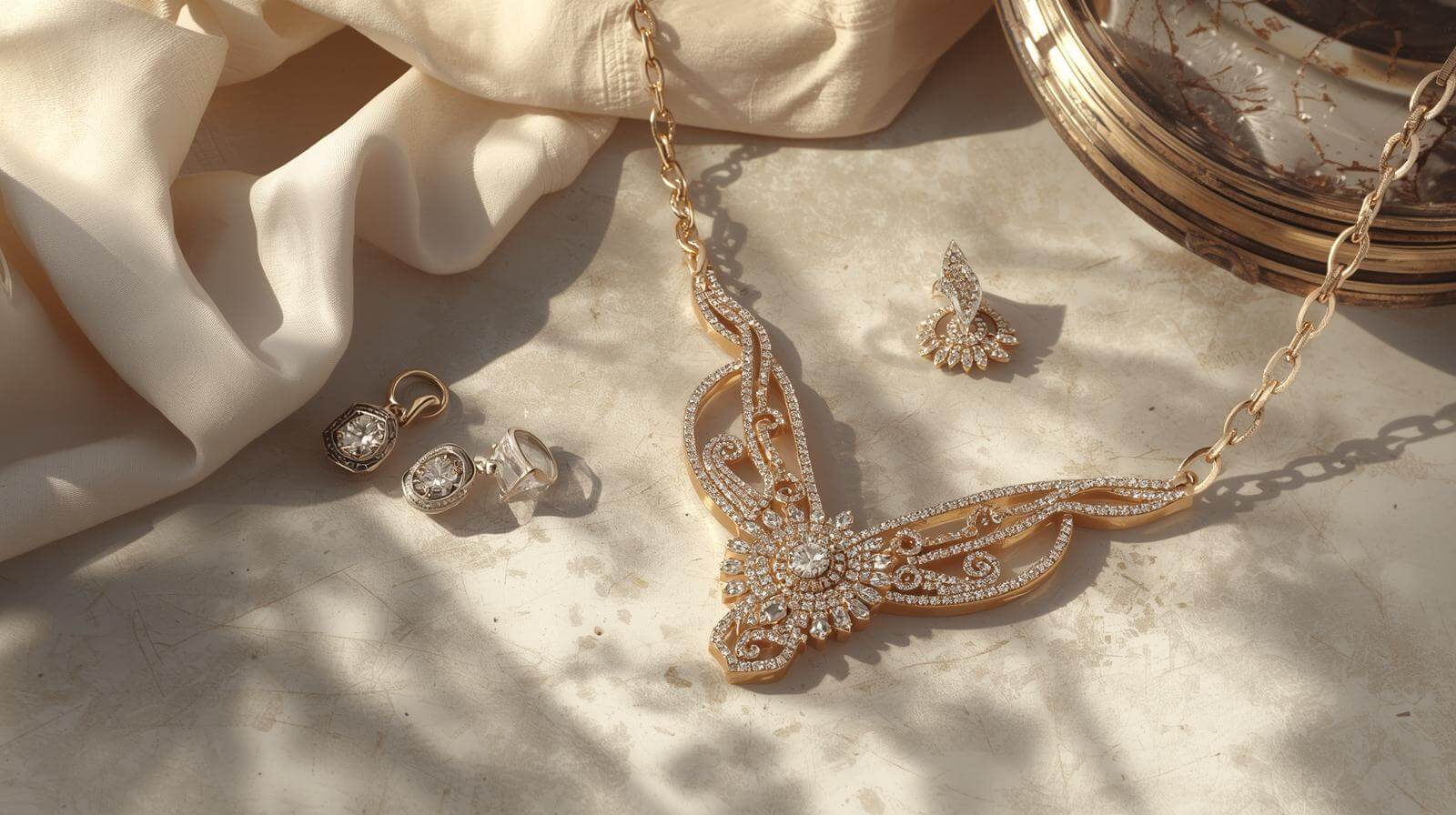

Necklace Types & Lengths
Necklaces frame the face and complement your neckline. Understanding necklace lengths and styles helps you choose pieces that flatter your body type and outfit.
Necklace Lengths
Necklace length dramatically affects how a piece looks and feels:
Choker (14-16 inches)
Sits high on the neck, just above the collarbone. Chokers create a bold, youthful look and work well with strapless or low-cut necklines. Popular in velvet, metal, and beaded styles.
Princess Length (16-18 inches)
The most common necklace length, sitting just below the collarbone. This versatile length works with almost any neckline and is perfect for pendants. Ideal for everyday wear.
Matinee Length (20-24 inches)
Falls at or just above the bust line. This length adds elegance to business attire and works beautifully with high necklines. Popular for both casual and professional settings.
Opera Length (28-36 inches)
Reaches below the bust, creating a dramatic look. Often worn long or doubled for a layered effect. Perfect for formal occasions and evening wear.
Rope Length (over 45 inches)
Extremely long necklaces that can be worn in multiple ways – long, doubled, tripled, or knotted. Offers maximum versatility and creates statement looks.
Necklace Styles
Pendant Necklaces
Feature a decorative element hanging from a chain. Pendants can be symbolic (crosses, hearts), personalized (initials, names), or purely decorative. The pendant becomes the focal point.
Collar Necklaces
Sit flat against the skin, following the shape of the collarbone. Multiple strands or rigid structures create impact. Perfect for off-shoulder or boat-neck tops.
Bib Necklaces
Cover a large area of the chest with elaborate designs. These statement pieces feature multiple strands, large stones, or intricate metalwork. Pair with simple outfits to let the necklace shine.
Lariat or Y-Necklaces
Long necklaces without clasps, featuring a Y-shape or long drop. Thread one end through a loop for adjustable length. Creates an elongating effect, perfect for V-necks.
Chain Types
The chain style affects both aesthetics and durability:
- Cable Chain – Oval or round links in a simple pattern. Classic and versatile.
- Box Chain – Square links creating a smooth, flexible chain. Durable and sleek.
- Rope Chain – Twisted design resembling rope. Substantial and catches light beautifully.
- Snake Chain – Smooth, round chain with tight links. Flexible and modern.
- Figaro Chain – Pattern of short and long links. Italian-inspired classic.
Matching Necklaces to Necklines
- V-Neck – Y-necklaces or pendants that echo the V-shape
- Crew Neck – Princess or matinee length, avoid chokers
- Scoop Neck – Princess length or shorter that follows the neckline
- Strapless – Chokers or statement necklaces that fill the space
- Turtleneck – Long necklaces (opera or rope length) or skip it entirely
Explore Necklace Styles in Detail
Discover how to layer necklaces, choose the right length, and match styles to your wardrobe in our Complete Necklace Types Guide.
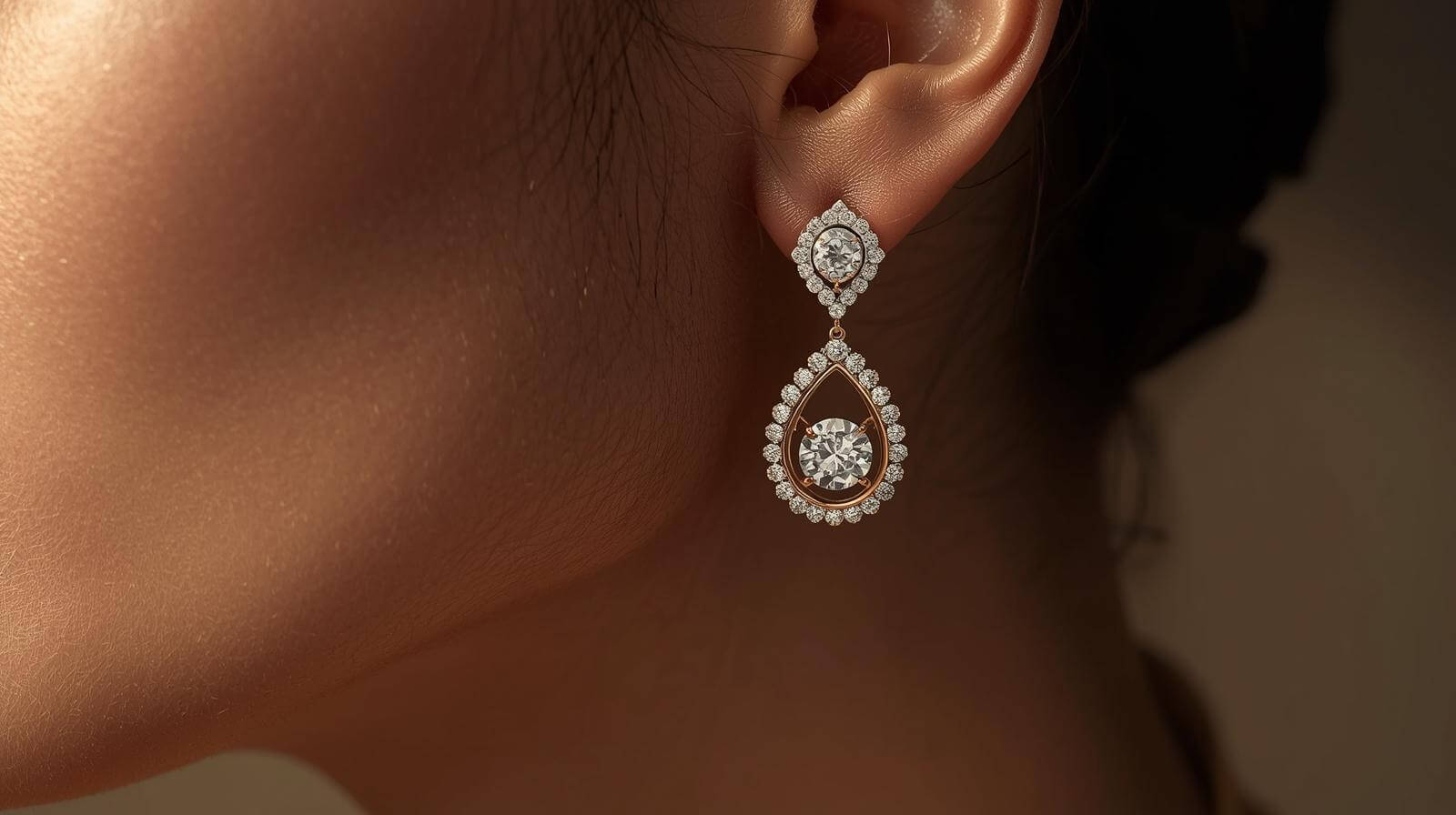

Earring Types & Styles
Earrings frame your face and can transform your entire look. From understated studs to dramatic chandeliers, understanding earring types helps you choose the perfect pair.
Stud Earrings
Stud earrings sit directly on the earlobe without dangling. They’re versatile, comfortable, and appropriate for any occasion.
Classic Diamond Studs
Round brilliant diamonds in simple prong settings represent timeless elegance. A wardrobe essential that works from office to evening.
Gemstone Studs
Colored gemstones add personality while maintaining the stud’s simplicity. Popular choices include sapphires, rubies, emeralds, and birthstones.
Pearl Studs
Cultured or freshwater pearls offer classic sophistication. White, cream, or colored pearls work beautifully for both casual and formal occasions.
Hoop Earrings
Circular or semi-circular earrings that complete or nearly complete a circle:
Small Hoops (Under 1 inch)
Subtle and work-appropriate. Can be worn daily with any outfit. Often feature thin wire or delicate designs.
Medium Hoops (1-2 inches)
The most versatile hoop size, balancing presence with wearability. Perfect for both casual and dressy occasions.
Large Hoops (Over 2 inches)
Make a bold fashion statement. Best saved for special occasions or when earrings are your main accessory.
Huggie Hoops
Small hoops that “hug” the earlobe closely. Comfortable for all-day wear and popular for their secure fit.
Drop and Dangle Earrings
Earrings that hang below the earlobe:
Drop Earrings
A stationary pendant hangs from the earlobe, typically 1-2 inches long. Move minimally, offering subtle elegance.
Dangle Earrings
Components move freely, creating movement and catching light. Length varies from short (1 inch) to very long (4+ inches).
Chandelier Earrings
Elaborate, multi-tiered earrings resembling chandeliers. Feature gemstones, metalwork, or beads in intricate designs. Reserve for special occasions.
Other Earring Types
Ear Cuffs
Wrap around the outer ear without requiring a piercing. Modern and edgy, these create interest without commitment.
Climbers or Crawlers
Follow the curve of your ear upward. Typically feature graduated stones or designs that create a climbing effect.
Threader Earrings
Thin chains or wires thread through the piercing. Adjustable length and creates delicate, modern looks.
Clip-On Earrings
For non-pierced ears, modern clip-ons offer comfort and style. Many traditional earring styles available in clip-on versions.
Earring Backs Explained
The back mechanism affects both security and comfort:
- Butterfly Backs – Most common, metal with folding wings. Adequate for lightweight earrings.
- Screw Backs – Twist to secure, very safe. Ideal for expensive earrings but slower to put on.
- Push Backs – Simple slide-on backs. Quick but less secure for heavy earrings.
- Lever Backs – Wire mechanism that clicks closed. Very secure and comfortable.
- French Hooks – Wire hooks through the ear. Easy on/off but offer minimal security.
Choosing Earrings for Face Shape
- Round Face – Long, angular earrings (drops, dangles) create length
- Oval Face – Most versatile – almost any style works
- Square Face – Round hoops or curved designs soften angles
- Heart-Shaped Face – Studs or teardrops balance wider forehead
- Long Face – Wide earrings (button studs, large hoops) add width
Find Your Perfect Earring Style
Learn about comfort features, styling tips, and how to care for different earring types in our detailed Earring Types Guide.
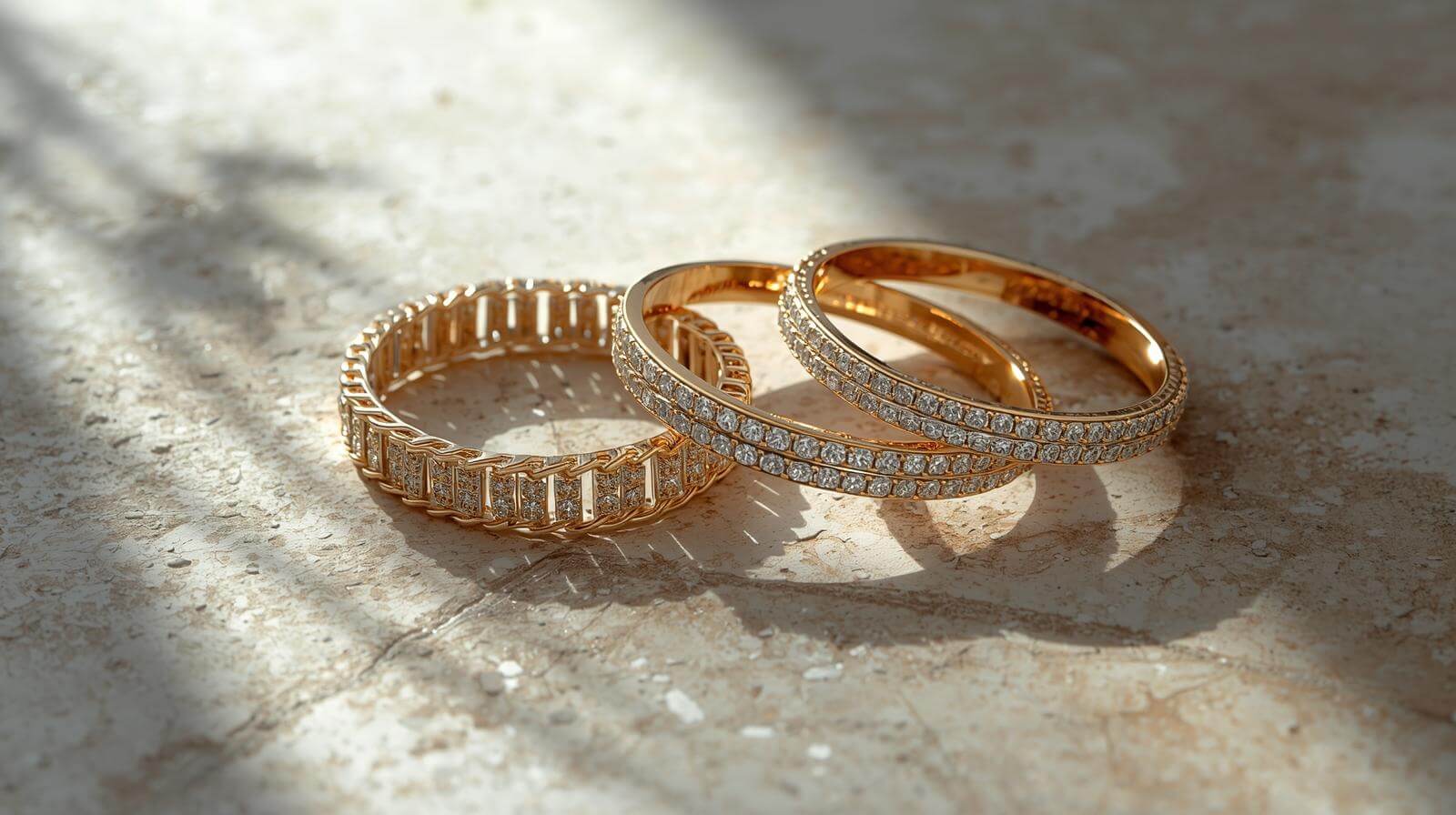

Bracelet Types & Closures
Bracelets add polish to your wrist and can be worn alone or stacked for impact. Understanding the different types helps you build a versatile bracelet collection.
Bangle Bracelets
Rigid, circular bracelets without clasps or with minimal opening:
Solid Bangles
Completely rigid circles that slide over the hand. Available in various widths from thin (2mm) to wide (2+ inches). Can be worn singly for minimal style or stacked for impact.
Hinged Bangles
Feature a hinge and clasp mechanism, making them easier to put on. More comfortable for smaller wrists that have difficulty with solid bangles.
Cuff Bracelets
Open-ended bracelets that don’t complete a full circle:
Open Cuffs
Wide gap at the opening, slide onto the wrist easily. Adjustable fit makes them versatile. Popular in both minimal and ornate designs.
Statement Cuffs
Wide, bold cuffs that become the focal point of your outfit. Often feature gemstones, engraving, or sculptural designs. Best worn alone without competing jewelry.
Chain Bracelets
Flexible bracelets featuring interconnected links:
Link Chain Bracelets
Simple chains in various link patterns (cable, curb, rope). Can be plain or feature charms. Classic and versatile for everyday wear.
Tennis Bracelets
Continuous line of identically-sized diamonds or gemstones in a metal setting. Named after tennis player Chris Evert, these elegant pieces work for both casual and formal occasions.
Curb Chain Bracelets
Interlocking links that lie flat when worn. Available in various widths, these chains create a substantial, masculine or feminine look depending on size.
Charm Bracelets
Bracelets designed to hold decorative charms:
Traditional Charm Bracelets
Link chain bracelets where charms dangle freely from individual links. Collect charms over time to create a personalized story piece.
Italian-Style Charm Bracelets
Flat links that connect to form a flexible band. Charms are built into the links rather than dangling. Sleeker than traditional charm bracelets.
Pandora-Style Bracelets
Threaded bracelets where charms slide onto the band and stay in place. Popular for their customization options and collectibility.
Beaded Bracelets
Strung on elastic or wire, featuring gemstones, pearls, wood, or glass beads. Range from casual bohemian styles to elegant gemstone pieces. Easy to stack and layer.
Bracelet Closures
The clasp affects both security and ease of use:
- Lobster Clasp – Spring-loaded mechanism shaped like a lobster claw. Very secure and easy to use one-handed.
- Spring Ring – Circular clasp with spring mechanism. Simple and secure but smaller than lobster clasps.
- Toggle Clasp – Bar slides through a ring to close. Easy to use but requires proper sizing for security.
- Magnetic Clasp – Magnets hold the bracelet closed. Very easy for those with dexterity issues, but less secure.
- Box Clasp – One end inserts into a box housing with a click. Very secure and elegant, common on tennis bracelets.
Bracelet Sizing Guide
Proper fit ensures comfort and security:
- Snug Fit – Add 1/2 inch to wrist measurement (for bangles and cuffs)
- Comfortable Fit – Add 3/4 to 1 inch to wrist measurement (most chain bracelets)
- Loose Fit – Add 1 to 1.5 inches (for sliding freely over wrist bone)
Stacking Bracelets
Wearing multiple bracelets creates a curated look:
- Mix different widths and textures for visual interest
- Combine metals (gold, silver, rose gold) for modern style
- Balance chunky pieces with delicate ones
- Limit to 3-5 bracelets to avoid overwhelming the wrist
- Consider symmetry – odd numbers often look more balanced
Master the Art of Bracelet Styling
Discover advanced stacking techniques, care tips, and how to choose bracelets for your lifestyle in our Complete Bracelet Types Guide.
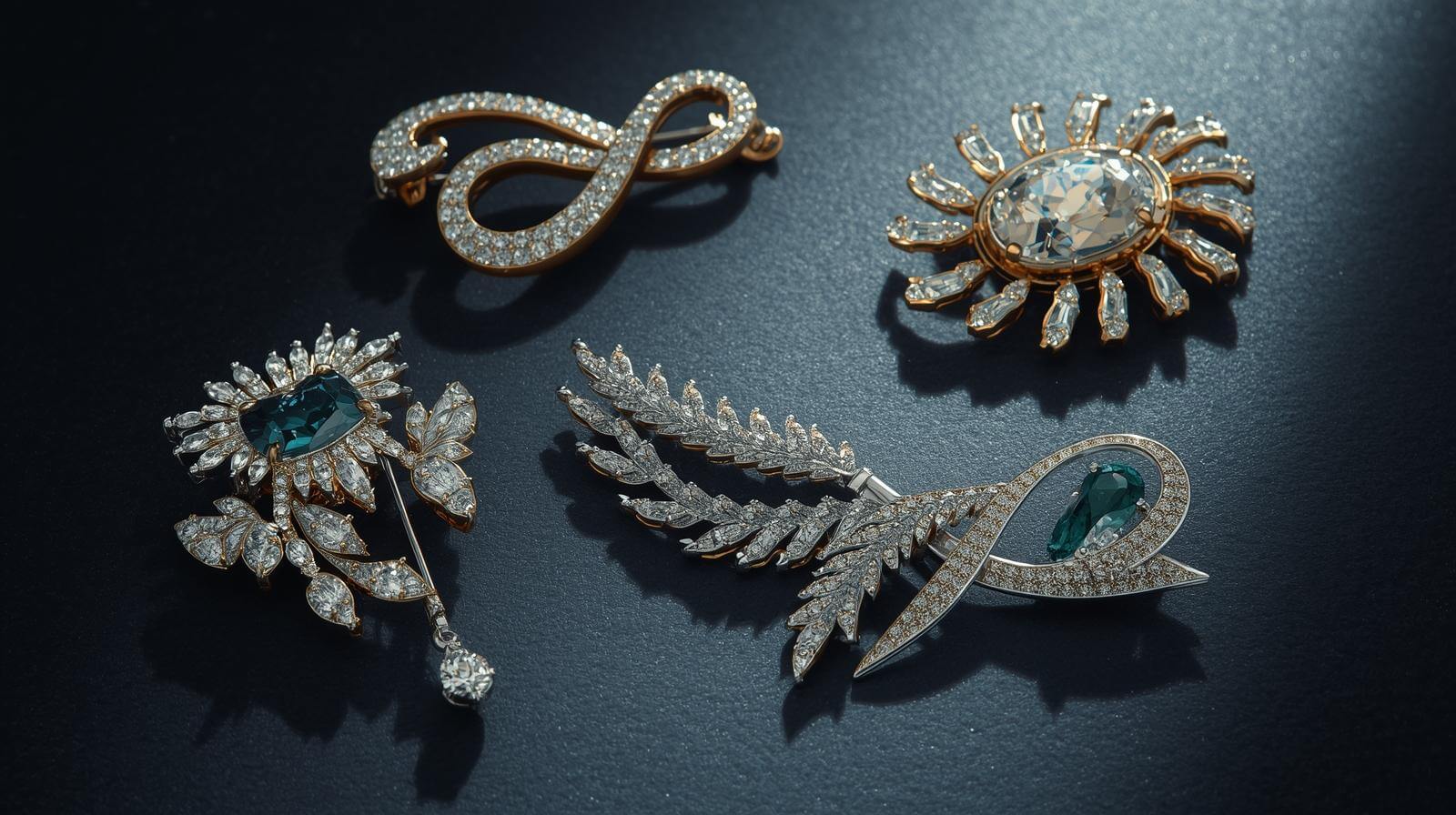

Brooches & Pins
Brooches and pins are decorative jewelry pieces that attach to clothing. While less common today than in previous decades, they’re experiencing a fashion renaissance.
Types of Brooches
Classic Brooches
Traditional designs featuring gemstones, precious metals, and intricate craftsmanship. Often passed down as heirlooms. Popular motifs include flowers, bows, and animals.
Statement Brooches
Large, bold pieces that become the focal point of an outfit. Contemporary designs might feature geometric shapes, enamel work, or unconventional materials.
Vintage Brooches
Authentic pieces from past eras (Victorian, Art Deco, Mid-Century). Highly collectible and offer unique styling opportunities. Look for hallmarks to verify authenticity.
How to Wear Brooches
- On Lapels – Classic placement on jacket or coat lapels
- On Scarves – Secure and decorate scarves and shawls
- On Hats – Add personality to fedoras, berets, or formal hats
- On Bags – Decorate handbags or clutches
- On Waistbands – Create a focal point at the waist
- On Cardigans – Replace plain buttons with decorative brooches
Safety Pins vs Brooch Pins
Modern brooches use a pin-and-catch mechanism similar to safety pins but more secure. Quality brooches feature locking catches that prevent accidental opening.
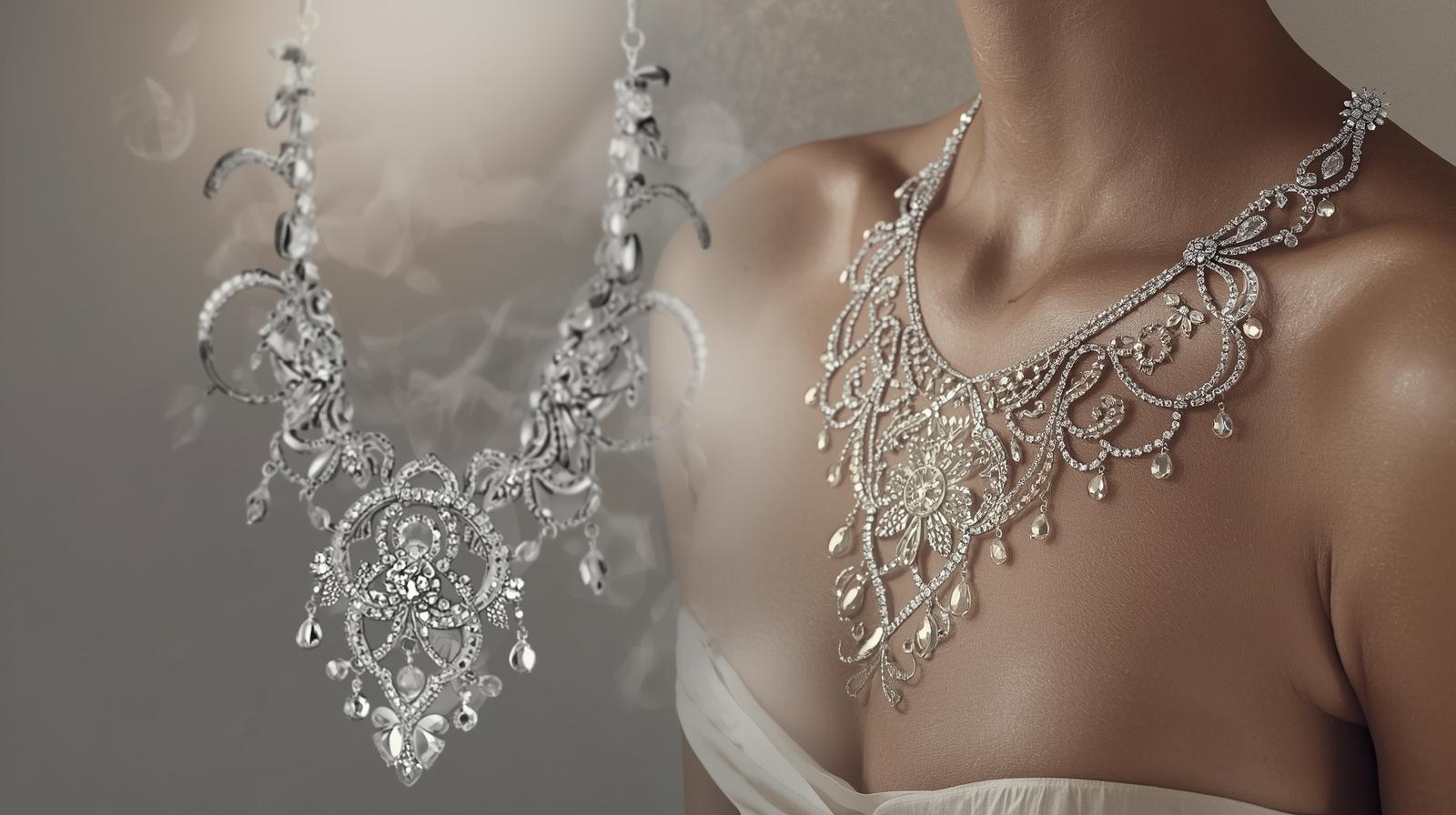

Body Jewelry
Body jewelry encompasses pieces worn in various body piercings beyond traditional ear piercings. This category has grown significantly with mainstream acceptance of diverse piercing locations.
Types of Body Jewelry
Nose Jewelry
Nose studs, rings, and hoops for nostril or septum piercings. Materials range from surgical steel to gold. Styles include simple studs, nose bones, L-shaped posts, and seamless rings.
Belly Button Jewelry
Curved barbells designed for navel piercings. Often feature dangling charms, gemstones, or decorative elements. Popular for beach wear and crop tops.
Cartilage Jewelry
Specialized pieces for upper ear piercings including helix, tragus, and conch piercings. Typically smaller gauge than standard ear piercings and require longer healing time.
Lip and Tongue Jewelry
Labret studs, rings, and barbells for oral piercings. Must be made from body-safe materials and sized appropriately to prevent dental damage.
Body Jewelry Materials
Safe materials for fresh piercings include:
- Implant-grade titanium (ASTM F136)
- Implant-grade steel (ASTM F138)
- 14k or 18k gold (nickel-free)
- Platinum
- Glass (for healed piercings)
Avoid sterling silver, plated metals, and mystery metals in fresh or healing piercings.
When to Wear Each Jewelry Type
Choosing appropriate jewelry for different occasions enhances your overall look and shows attention to detail.
Everyday Jewelry
For daily wear, choose pieces that are comfortable, durable, and versatile:
- Small to medium stud earrings
- Simple necklaces (16-20 inch length)
- Thin wedding bands or simple fashion rings
- Watch or simple bracelet
- Pieces that can withstand washing hands, typing, and normal activities
Professional Settings
Work-appropriate jewelry maintains professionalism while expressing personal style:
- Conservative earrings (studs or small hoops under 1 inch)
- Simple necklace at princess or matinee length
- Classic watch
- One or two simple rings
- Avoid: large statement pieces, jangly bracelets, multiple ear piercings
Formal Events
Special occasions allow for more dramatic jewelry choices:
Black Tie
- Statement necklace or elegant pendant
- Diamond or gemstone earrings (drops or chandeliers)
- Cocktail ring or tennis bracelet
- Opt for precious metals and genuine gems when possible
Cocktail Attire
- Bold necklace or statement earrings (not both)
- Multiple bracelets or bangles
- Eye-catching rings
- More flexibility for trendy, fashion-forward pieces
Wedding and Bridal Jewelry
For Brides
- Classic, timeless pieces that won’t date photos
- Consider dress neckline when choosing necklace
- Earrings visible even with veil or hairstyle
- Bracelet if sleeveless dress
- Don’t overpower the dress – jewelry should complement, not compete
For Wedding Guests
- Elegant but not bridal white/cream pieces
- Sparkle is appropriate but avoid outdoing the bride
- Consider daytime vs evening wedding formality
- Match jewelry formality to dress code
Casual and Weekend Wear
Relaxed occasions offer maximum freedom:
- Layered necklaces
- Stacked bracelets and rings
- Trendy, fashion-forward pieces
- Mixed metals and bohemian styles
- Body jewelry if appropriate for your style
Plan Your Jewelry Wardrobe
Learn how to build a versatile jewelry collection for every occasion in our Jewelry for Every Occasion Guide.
How to Choose Jewelry for Your Style
Building a jewelry collection that reflects your personality and works with your wardrobe requires strategic thinking.
Assessing Your Personal Style
Identify your style category to guide jewelry choices:
Classic Style
- Timeless pieces in precious metals
- Diamond studs, pearl necklaces, simple gold hoops
- Quality over quantity – invest in fewer, better pieces
- Neutral stones: diamonds, pearls, sapphires
Trendy/Fashion-Forward Style
- Statement pieces that reflect current trends
- Mix high and low price points
- Layered and stacked looks
- Experiment with colored gemstones and mixed metals
Minimalist Style
- Clean lines and simple designs
- One or two pieces maximum per outfit
- Geometric shapes, thin chains, small studs
- Often favor white metals (silver, platinum, white gold)
Bohemian Style
- Layered, eclectic pieces
- Natural materials: wood, stone, leather
- Vintage and handmade jewelry
- Mix of textures and colors
Choosing Based on Skin Tone
Metal color can complement or clash with your complexion:
Cool Skin Tones
- Pink, red, or blue undertones
- Best metals: Silver, white gold, platinum
- Best stones: Blue sapphires, amethyst, emeralds, diamonds
Warm Skin Tones
- Yellow, peachy, or golden undertones
- Best metals: Yellow gold, rose gold, copper
- Best stones: Rubies, citrine, amber, coral, topaz
Neutral Skin Tones
- Mix of warm and cool undertones
- Best metals: All metals work – can mix freely
- Best stones: Full range of colored gemstones
Building Your Jewelry Wardrobe
Essential pieces every collection should include:
The Basics (Start Here)
- Diamond or cubic zirconia stud earrings
- Simple gold or silver chain necklace (18-20 inches)
- Watch (dress and/or casual)
- Wedding band or simple ring
- Small hoop earrings
Building Out (Add These Next)
- Statement necklace for special occasions
- Tennis bracelet or simple bangle
- Pearl necklace or earrings
- Cocktail ring
- Pendant necklace (personal or symbolic)
Luxury Additions
- Fine jewelry pieces in precious metals
- Gemstone jewelry (sapphire, ruby, emerald)
- Designer pieces
- Heirloom or vintage jewelry
Quality vs Quantity
Decide your approach based on lifestyle and budget:
Quality Investment Approach
- Buy fewer pieces in precious metals and genuine stones
- Pieces last decades or lifetime
- Can be passed down as heirlooms
- Better for traditional, classic styles
- Requires larger upfront investment
Trendy Fashion Approach
- More pieces at lower price points
- Replace as styles change
- Allows experimentation without risk
- Better for fashion-forward styles
- Lower individual investment
Balanced Approach (Recommended)
- Invest in classic essential pieces
- Supplement with trendy fashion jewelry
- Provides versatility and value
- Allows both timeless and current style expression
Care by Jewelry Type
Proper care extends jewelry life and maintains its beauty. Different jewelry types require specific care approaches.
Ring Care
- Remove when washing hands, applying lotion, or doing manual work
- Check prongs regularly for loose stones
- Professional cleaning and inspection annually
- Store in soft pouches to prevent scratching
- Avoid wearing in chlorine or harsh chemicals
Necklace Care
- Hang or lay flat to prevent tangling
- Apply perfume and hairspray before putting on necklaces
- Clean chains with soft brush and mild soap
- Check clasps regularly for wear
- Store delicate chains separately to avoid knotting
Earring Care
- Clean earring posts and backs regularly to prevent infection
- Remove before sleeping to prevent bending
- Store pairs together to avoid separation
- Check backs for wear – replace if loose
- Sanitize with rubbing alcohol periodically
Bracelet Care
- Remove before swimming, showering, or exercising
- Check clasps and links for weakness
- Bangles: slide on/off carefully to avoid bending
- Charm bracelets: ensure charms are secure
- Polish regularly to maintain shine
Care by Metal Type
Gold Care
- Soak in warm water with mild dish soap
- Gently scrub with soft brush
- Rinse thoroughly and dry with soft cloth
- Professional polishing removes scratches
Silver Care
- Polish regularly with silver polishing cloth
- Store in anti-tarnish bags or with anti-tarnish strips
- Clean with silver cleaner for heavy tarnish
- Wear frequently – body oils help prevent tarnish
Platinum Care
- Most durable precious metal
- Clean like gold – warm soapy water
- Develops patina over time (some prefer this look)
- Professional polishing restores original shine
Gemstone-Specific Care
Diamonds
- Can withstand ultrasonic cleaning
- Attract oils – clean regularly for maximum sparkle
- Very durable – can be worn daily
Pearls
- Extremely delicate – avoid all chemicals
- Wipe with soft, damp cloth after wearing
- Apply perfume/hairspray before putting on pearls
- Restring every 2-3 years if worn frequently
Opals and Emeralds
- Softer stones requiring gentle care
- No ultrasonic cleaners – hand clean only
- Opals: avoid temperature extremes and drying out
- Emeralds: often oil-treated – avoid harsh cleaning
Master Jewelry Care Techniques
Learn professional cleaning methods, storage solutions, and maintenance schedules in our Complete Jewelry Care Guide.
Frequently Asked Questions
What are the main types of jewelry?
The main jewelry categories are rings, necklaces, earrings, bracelets, brooches/pins, and body jewelry. Each category includes numerous subtypes and styles suited for different occasions and preferences.
How do I choose jewelry for my face shape?
For round faces, choose elongating earrings like drops and dangles. Oval faces suit most styles. Square faces look best with curved, round hoops. Heart-shaped faces balance well with studs or teardrops. Long faces benefit from wider earrings that add width.
What jewelry should I wear to work?
Professional settings call for conservative jewelry: small stud earrings or hoops under 1 inch, simple necklaces at princess or matinee length, a classic watch, and one or two simple rings. Avoid large statement pieces and jangly bracelets that might distract.
What’s the difference between fashion jewelry and fine jewelry?
Fine jewelry uses precious metals (gold, platinum, silver) and genuine gemstones, representing a significant investment intended to last decades. Fashion jewelry uses less expensive materials like base metals, glass, and synthetic stones, designed for current trends at accessible prices.
How should I store my jewelry?
Store jewelry in a cool, dry place away from direct sunlight. Keep pieces separated to prevent scratching and tangling. Use soft pouches for individual pieces, jewelry boxes with compartments, or hanging organizers for necklaces. Silver requires anti-tarnish storage.
What necklace length is most versatile?
Princess length (16-18 inches) is the most versatile, sitting just below the collarbone. This length works with almost any neckline and is perfect for pendants. It’s appropriate for both casual and formal occasions, making it ideal for everyday wear.
Can I wear gold and silver jewelry together?
Yes, mixing metals is now fashionable and widely accepted. The key is to do it intentionally – either choose pieces that already combine metals, or wear pieces that clearly coordinate despite different metals. Neutral skin tones have the most flexibility in mixing metals.
How do I know my ring size?
Visit a jeweler for professional sizing, or use a printable ring sizer at home. Ring size can vary by finger and time of day (fingers swell in heat). For the most accurate fit, measure in the evening when fingers are largest, and ensure the ring slides over your knuckle comfortably.
What’s the safest earring back?
Screw backs provide maximum security as they twist to lock in place, making them ideal for expensive earrings. Lever backs offer excellent security with easier use. Butterfly backs work for lightweight earrings but shouldn’t be used for heavy or valuable pieces.
How often should I clean my jewelry?
Clean frequently worn pieces monthly with mild soap and water. Remove buildup on earring posts weekly. Polish silver pieces as needed when tarnish appears. Professional cleaning and inspection for valuable jewelry should occur annually to check for loose stones and wear.
What jewelry can I wear in the shower?
Solid gold and platinum can be worn in the shower, though soap buildup dulls them over time. Remove sterling silver (tarnishes faster when wet), pearls and opals (damaged by water), and gemstone jewelry with glued settings. Costume jewelry should always be removed.
Are brooches still fashionable?
Yes, brooches are experiencing a fashion renaissance. Modern styling includes wearing them on lapels, scarves, hats, handbags, and even as hair accessories. Contemporary designers are creating fresh, artistic brooch designs that appeal to younger generations.
How many bracelets should I stack?
Three to five bracelets create a balanced, curated look without overwhelming the wrist. Mix different widths and textures for visual interest. Combine metals if you like mixed-metal looks. Keep it odd-numbered for better visual balance, and ensure the stack remains comfortable.
What jewelry should a bride wear?
Brides should choose classic, timeless pieces that won’t date wedding photos. Consider the dress neckline when selecting necklaces – strapless dresses pair with statement necklaces, while high necklines look better with just earrings. Ensure jewelry complements rather than competes with the dress.
What’s the difference between a bangle and a bracelet?
Bangles are rigid, circular bracelets without clasps (or with minimal opening) that slide over the hand. Bracelets are flexible, feature links or chain construction, and typically use clasps. Bangles tend to move more freely on the wrist while bracelets conform closer to wrist size.
Building Your Jewelry Collection
Understanding jewelry types empowers you to make informed decisions whether shopping for yourself or choosing gifts. A well-curated jewelry collection includes essential everyday pieces, special occasion jewelry, and statement pieces that express your unique style.
Start with the basics – simple studs, a versatile necklace, and a quality watch. Build from there based on your lifestyle, personal style, and budget. Remember that quality matters more than quantity, especially for pieces you’ll wear frequently.
Most importantly, wear what makes you feel confident and authentic. Jewelry should enhance your natural beauty and complement your personality, not follow rigid rules. As you learn more about different jewelry types, you’ll develop preferences and discover what works best for you.
Continue Your Jewelry Journey
Explore our detailed guides on specific jewelry types:
- Ring Types & Styles Complete Guide
- Necklace Types & Lengths Complete Guide
- Earring Types & Styles Complete Guide
- Bracelet Types & Styles Complete Guide
- Jewelry for Every Occasion Guide
Learn how to care for your jewelry collection:
- Complete Guide to Jewelry Care & Maintenance
- How to Clean Gold Jewelry
- How to Clean Silver Jewelry