Skip to content
Jewelry Carats
Jewelry Carats
  • HOME
  • JEWELRY TYPES
    • Rings
    • Necklaces
    • Bracelets
    • Earrings
    • Watches
  • MATERIALS
    • Gold Jewelry
    • Silver Jewelry
    • Diamonds Jewelry
    • Gemstones Jewelry
  • STYLES
    • Fine Jewelry
    • Fashion Jewelry
    • Vintage Jewelry
  • CARE GUIDE
    • Cleaning
    • Storage
    • Repair And Maintenance
  • ABOUT
  • SHOP
  • BLOG
  • CONTACT
  • HOME
  • JEWELRY TYPES
    • Rings
    • Necklaces
    • Bracelets
    • Earrings
    • Watches
  • MATERIALS
    • Gold Jewelry
    • Silver Jewelry
    • Diamonds Jewelry
    • Gemstones Jewelry
  • STYLES
    • Fine Jewelry
    • Fashion Jewelry
    • Vintage Jewelry
  • CARE GUIDE
    • Cleaning
    • Storage
    • Repair And Maintenance
  • ABOUT
  • SHOP
  • BLOG
  • CONTACT

Repair And Maintenance


Home | Care Guide | Repair And Maintenance | Page 6

Jewelry repair and maintenance preserve the beauty, functionality, and value of your precious pieces while preventing minor issues from becoming costly problems. Regular maintenance catches wear before it causes damage, while timely repairs restore beloved jewelry to wearable condition. Understanding common jewelry problems, repair options, and preventive maintenance empowers you to protect your investment and enjoy your collection for years to come.

Why Jewelry Repair and Maintenance Matter

Even the highest-quality jewelry requires occasional repair and regular maintenance. Daily wear subjects jewelry to stress, impacts, and environmental factors that gradually cause wear. Prongs loosen, clasps weaken, chains stretch, and settings shift. Catching these issues early through regular maintenance prevents stone loss, irreparable damage, and expensive emergency repairs. Professional maintenance also includes cleaning and inspection, ensuring your jewelry remains beautiful and secure.

Common Jewelry Repairs

Prong Retipping and Rebuilding

Prongs securing gemstones gradually wear down from daily contact with surfaces. Worn prongs risk losing stones, making retipping one of the most critical repairs. Jewelers rebuild worn prongs by adding metal and reshaping them to securely hold gemstones. Regular inspection catches prong wear before stones loosen, preventing devastating loss of valuable gems.

Ring Resizing

Fingers change size due to weight fluctuations, temperature, aging, and pregnancy. Professional jewelers resize rings by cutting the band, adding or removing metal, and seamlessly rejoining the ring. Most rings can be sized up or down several sizes, though extensive resizing may affect design integrity. Some rings with continuous patterns or channel-set stones present sizing challenges requiring expert assessment.

Chain Repair

Broken chains are among the most common jewelry repairs. Jewelers repair chains by soldering broken links, replacing damaged sections, or installing new clasps. Fine chains require delicate work, while heavier chains tolerate more robust repairs. Regular inspection identifies weak links before they break, preventing loss of pendants and complete chain replacement.

Clasp Replacement

Worn or broken clasps make necklaces and bracelets unwearable. Replacing clasps restores functionality while potentially upgrading to more secure mechanisms. Lobster clasps, spring rings, and toggle clasps each offer different security levels and aesthetic appeal. Choose replacement clasps matching your jewelry’s style and metal type.

Stone Replacement and Resetting

Lost or damaged stones require replacement or resetting. Jewelers source matching gemstones and secure them in existing settings or create new settings when necessary. Original stones can be reset in different mountings, transforming inherited pieces into contemporary designs while preserving sentimental gemstones.

Bracelet and Necklace Restringing

Pearl necklaces and beaded jewelry require periodic restringing as thread weakens and stretches over time. Professional restringing includes knotting between pearls or beads, preventing loss if the strand breaks. Fresh stringing restores drape and appearance while ensuring security. Most experts recommend restringing pearl necklaces every 2-3 years with regular wear.

Preventive Maintenance

Regular Professional Inspection

Annual professional inspections catch developing problems before they require major repairs. Jewelers examine prongs, settings, clasps, and overall condition, identifying issues invisible to untrained eyes. Many jewelers offer free inspections, making this essential maintenance accessible and affordable.

Professional Cleaning

Beyond home cleaning, professional jewelers use ultrasonic cleaners, steam, and specialized solutions removing stubborn buildup. Professional cleaning restores brilliance while allowing inspection of jewelry under optimal conditions. Schedule professional cleaning at least annually, more frequently for daily-worn pieces like engagement rings.

Rhodium Plating Renewal

White gold jewelry features rhodium plating providing brilliant white finish. This plating wears off gradually, requiring renewal every 1-3 years depending on wear. Replating restores white gold’s pristine appearance, making pieces look new again. Combine replating with other maintenance for efficiency.

When to Seek Professional Repair

Certain jewelry issues require immediate professional attention. Loose stones demand urgent inspection—continued wear risks permanent loss. Broken prongs need immediate repair before stones fall out. Severely tangled chains benefit from professional unknotting preventing damage from amateur attempts. Visible damage to settings, bands, or mountings warrants professional assessment even if jewelry remains wearable.

Don’t delay repairs for sentimental or valuable jewelry. Minor problems escalate into major issues when ignored. The cost of preventive repair pales compared to replacing lost gemstones or extensively damaged pieces. When uncertain about damage severity, consult professionals—most offer free estimates and advice.

DIY Repairs vs. Professional Service

Some minor jewelry issues suit DIY solutions while others absolutely require professional expertise. Simple tasks like cleaning, changing watch batteries in accessible cases, or tightening loose earring backs can be handled at home with proper tools and knowledge. However, anything involving precious gemstones, intricate settings, or valuable pieces demands professional attention.

Never attempt DIY repairs on engagement rings, heirloom jewelry, or pieces with significant monetary or sentimental value. The risks of causing irreparable damage far outweigh potential savings. When considering DIY repair, honestly assess your skill level and available tools. If uncertain, choose professional service.

Finding Quality Jewelry Repair Services

Select jewelry repair services carefully, especially for valuable pieces. Seek jewelers with professional certifications, positive reviews, and established reputations. Ask about experience with your jewelry type—vintage pieces require specialists familiar with period-appropriate techniques. Request detailed estimates before authorizing work, understanding exactly what repairs include.

Verify insurance coverage for jewelry while in repair shop possession. Reputable jewelers maintain insurance protecting customer pieces during repairs. Get written receipts describing jewelry and agreed repairs. For valuable items, photograph pieces before leaving them for repair.

Understanding Repair Costs

Jewelry repair costs vary based on complexity, materials, and regional pricing. Simple repairs like clasp replacement or chain soldering typically cost $20-75. Ring resizing ranges from $50-200 depending on metal type and sizing extent. Prong work costs $40-100 per stone. Complex repairs involving multiple issues or precious metals command higher prices but protect valuable jewelry investments.

Compare estimates from multiple jewelers for expensive repairs, but prioritize quality and reputation over lowest price. Cheap repairs often require redoing by competent jewelers, ultimately costing more. Consider repair costs relative to jewelry value—spending $200 repairing a $2000 ring makes financial sense; repairing $30 fashion jewelry may not.

Caring for Repaired Jewelry

After repairs, follow jeweler recommendations for break-in periods and care. Newly resized rings may feel different initially. Restrung pearls need wearing to settle properly. Replated pieces benefit from gentle handling while fresh plating cures. Avoid immediate exposure to harsh chemicals or extreme conditions after repairs.

Monitor repaired areas during initial wearing, ensuring repairs hold properly. Quality repairs should last years with proper care. If repairs fail quickly, contact the jeweler—reputable shops stand behind their work with guarantees.

Maintaining Jewelry Between Repairs

Proper daily care minimizes repair frequency. Remove jewelry during activities risking damage—gardening, exercising, cleaning, and sleeping. Apply lotions, perfumes, and cosmetics before putting on jewelry. Store pieces properly when not wearing them. These simple habits significantly extend periods between necessary repairs.

Inspect jewelry regularly for developing issues. Check prongs monthly by gently wiggling stones—movement indicates loosening. Examine clasps for secure closure. Look for worn chain links or damaged settings. Early detection enables preventive repair before catastrophic failure.

Insurance and Documentation

Insure valuable jewelry and maintain current appraisals reflecting replacement costs. Document repairs with receipts and photographs. This documentation proves value for insurance claims and helps future jewelers understand repair history. Update appraisals after significant repairs or stone replacements affecting value.

Explore our comprehensive jewelry repair and maintenance guides below for detailed information on specific repairs, finding qualified jewelers, preventing common problems, and maintaining various jewelry types. Proper repair and maintenance protect your investment while ensuring your cherished pieces remain beautiful and wearable for generations.

Home | Care Guide | Repair And Maintenance | Page 6

How To Repair Lane Cedar Jewelry Box Lock

by Sara Hein
How To Repair Lane Cedar Jewelry Box Lock

The Lane Cedar Jewelry Box Lock is an important mechanism used to store and protect jewelry items. It keeps your treasures safe and secure with a Traditional style locking system that is extremely sturdy. This type of locking system can …
Read More…..

Categories Repair And Maintenance

Home | Care Guide | Repair And Maintenance | Page 6

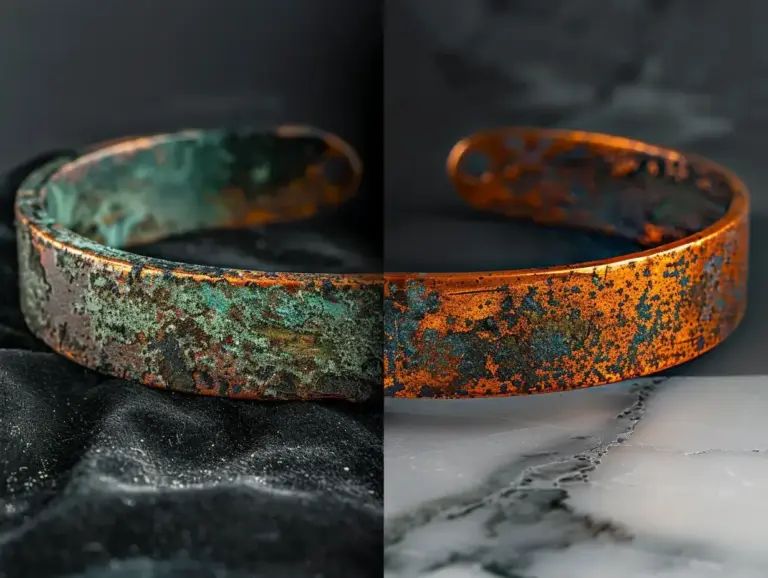
How To Fix Jewelry That Has Turned Copper

by Sara Hein
How To Fix Jewelry That Has Turned Copper 1

Affiliate Disclosure: As an Amazon Associate I earn from qualifying purchases at no additional cost to you. Complete Restoration Guide Introduction: Understanding the Copper Problem Few jewelry frustrations match discovering your favorite piece has turned an unappealing copper color, developed …

Read More…..

Categories Repair And Maintenance

Home | Care Guide | Repair And Maintenance | Page 6

How To Fix Discolored Jewelry

by Sara Hein
How To Fix Discolored Jewelry

How To Fix Discolored Jewelry If you have ever looked down at your jewelry and seen that it is a little bit off-color, don’t worry, you are not alone. Many people experience this issue at some point, and there are …

Read More…..

Categories Repair And Maintenance
Newer posts
← Previous Page1 … Page5 Page6
M
© 2026 Jewelry Carats | Privacy Policy | Cookie Policy | Terms And Conditions | Copyright Notice | Affiliate Disclosure | Disclaimer | Editorial Guidelines | Sitemap