
Affiliate Disclosure: As an Amazon Associate I earn from qualifying purchases at no additional cost to you.
Complete Restoration Guide
Introduction: Understanding the Copper Problem
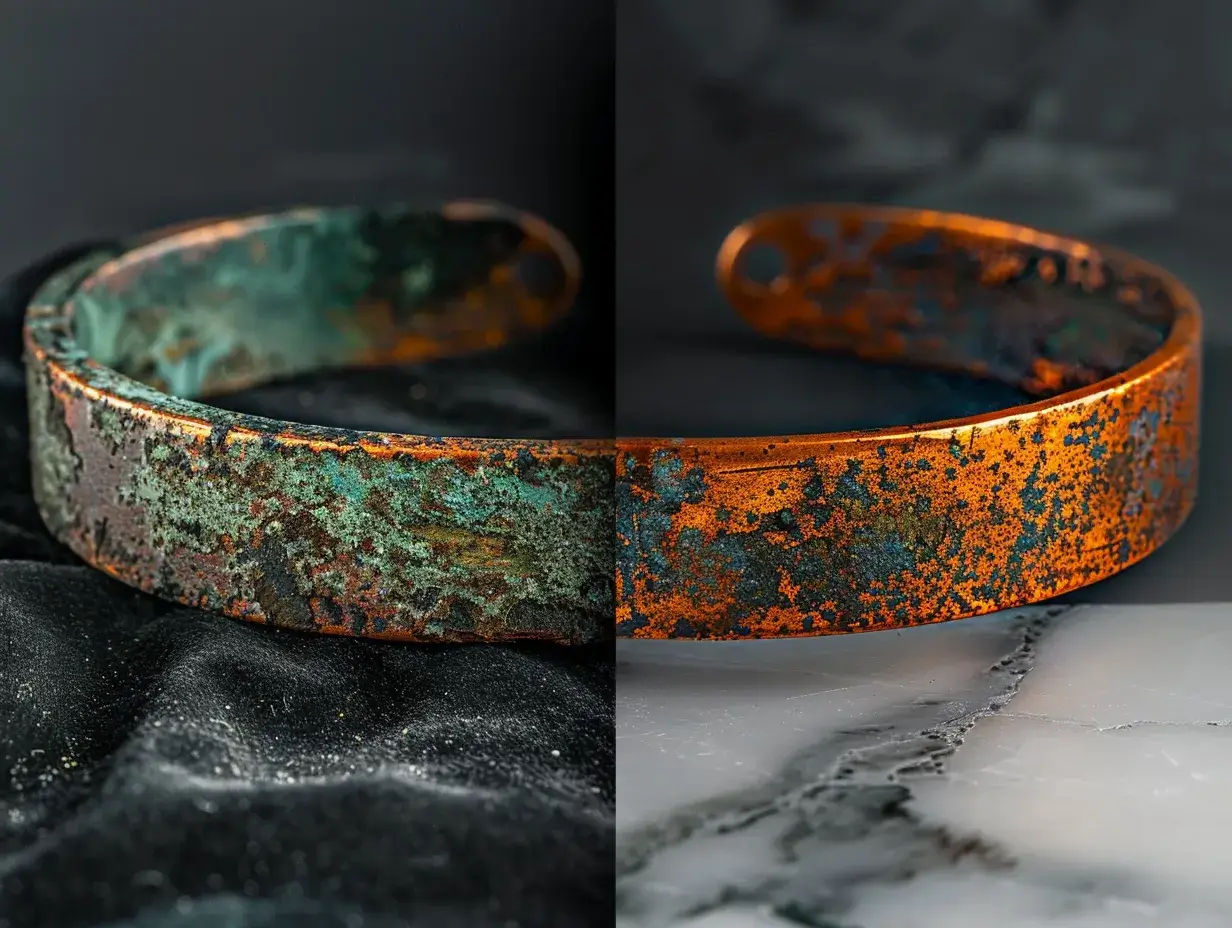
Few jewelry frustrations match discovering your favorite piece has turned an unappealing copper color, developed green tarnish, or started leaving greenish stains on your skin. This common problem affects costume jewelry, plated pieces, and even some precious metals – transforming once-beautiful accessories into embarrassing eyesores you can’t wear. Whether your gold-plated necklace now looks brassy, your silver ring shows copper-tinted tarnish, or your bracelet leaves your wrist green, the copper discoloration seems like permanent damage requiring replacement.
Good news: most jewelry that turned copper is completely fixable through proper cleaning, restoration techniques, and preventive care. The copper appearance results from oxidation – a reversible chemical reaction creating surface tarnish you can remove. Even jewelry with worn plating exposing copper base metal underneath has solutions including professional re-plating or protective coatings extending wearable life significantly.
This comprehensive guide explains why jewelry turns copper, identifies whether your specific pieces are restorable, provides proven cleaning methods from DIY household solutions to professional-grade products, demonstrates protective strategies preventing recurrence, and helps you decide when restoration makes sense versus replacement. Whether dealing with cheap costume jewelry or sentimental pieces deserving rescue, you’ll learn exactly how to fix jewelry that turned copper, restore original appearance, and maintain brilliant finish preventing future problems.
Why Jewelry Turns Copper: Understanding the Causes
The Oxidation Process
What Actually Happens:
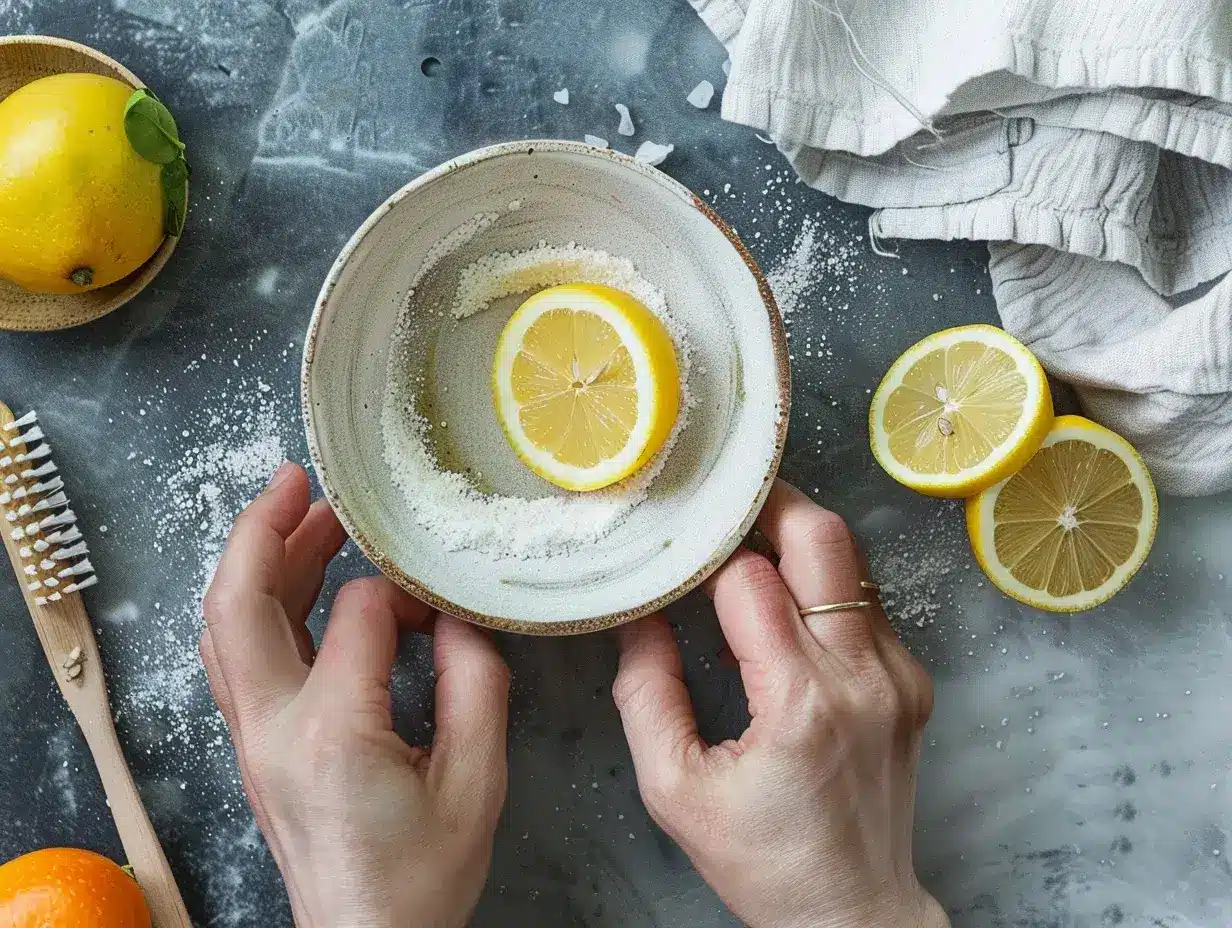
Copper-colored appearance on jewelry results from oxidation – a chemical reaction where copper metal reacts with oxygen, moisture, acids, or sulfur compounds forming copper oxide or copper salts on the surface. This process creates visible tarnish ranging from dull brown to greenish patina (verdigris).
Why Copper Specifically:
Copper is highly reactive compared to precious metals like gold and platinum. Even small copper content in jewelry alloys causes visible tarnishing. The green color specifically indicates copper salt formation – same chemical process creating the green patina on the Statue of Liberty (which is copper).
Common Jewelry Types Affected
1. Plated Jewelry (Most Common Problem):
- Gold-plated: Thin gold layer over copper/brass base metal wears through revealing copper underneath
- Silver-plated: Sterling silver or rhodium plating wears exposing copper/brass base
- Fashion/costume jewelry: Often minimal plating wearing quickly with regular use
Why Plating Wears:
- Friction from daily wear
- Contact with lotions, perfumes, cleaning products
- Low-quality plating (thin application, poor adhesion)
- High-contact areas (ring bands, bracelet clasps) wear fastest
2. Solid Copper or Brass Jewelry:
- Pure copper jewelry naturally develops patina over time
- Brass (copper-zinc alloy) tarnishes similarly to pure copper
- Bronze (copper-tin alloy) also oxidizes creating copper appearance
3. Sterling Silver with Copper Tarnish:
- Sterling silver is 92.5% silver, 7.5% copper (required for strength)
- The copper component can tarnish creating copper-tinted appearance
- Appears as brown or reddish tinge rather than bright silver
4. Low-Karat Gold with Copper Alloys:
- 10K gold (41.7% pure gold) contains significant copper/other metals
- Rose gold specifically contains high copper content (creates pink color)
- Copper component can slightly tarnish affecting overall appearance
Accelerating Factors
What Makes Jewelry Turn Copper Faster:
- Body chemistry: Acidic sweat, body oils, pH variations accelerate copper oxidation
- Moisture exposure: Swimming, showering, humidity speed tarnish formation
- Chemicals: Perfumes, lotions, hairsprays, cleaning products react with copper
- Chlorine: Pool/hot tub exposure extremely damaging to plated jewelry
- Improper storage: Humid environments, contact with other metals accelerate oxidation
- Wearing continuously: Never removing jewelry means constant exposure to sweat/oils
Assessing Your Jewelry: Can It Be Fixed?
Identification Guide
Solid Copper/Brass Jewelry:
- Signs: Uniformly copper-colored, green patina develops evenly, no flaking
- Fixable: YES – 100% restorable through cleaning
- Method: Copper polish or acidic cleaning solutions
Plated Jewelry with Worn Plating:
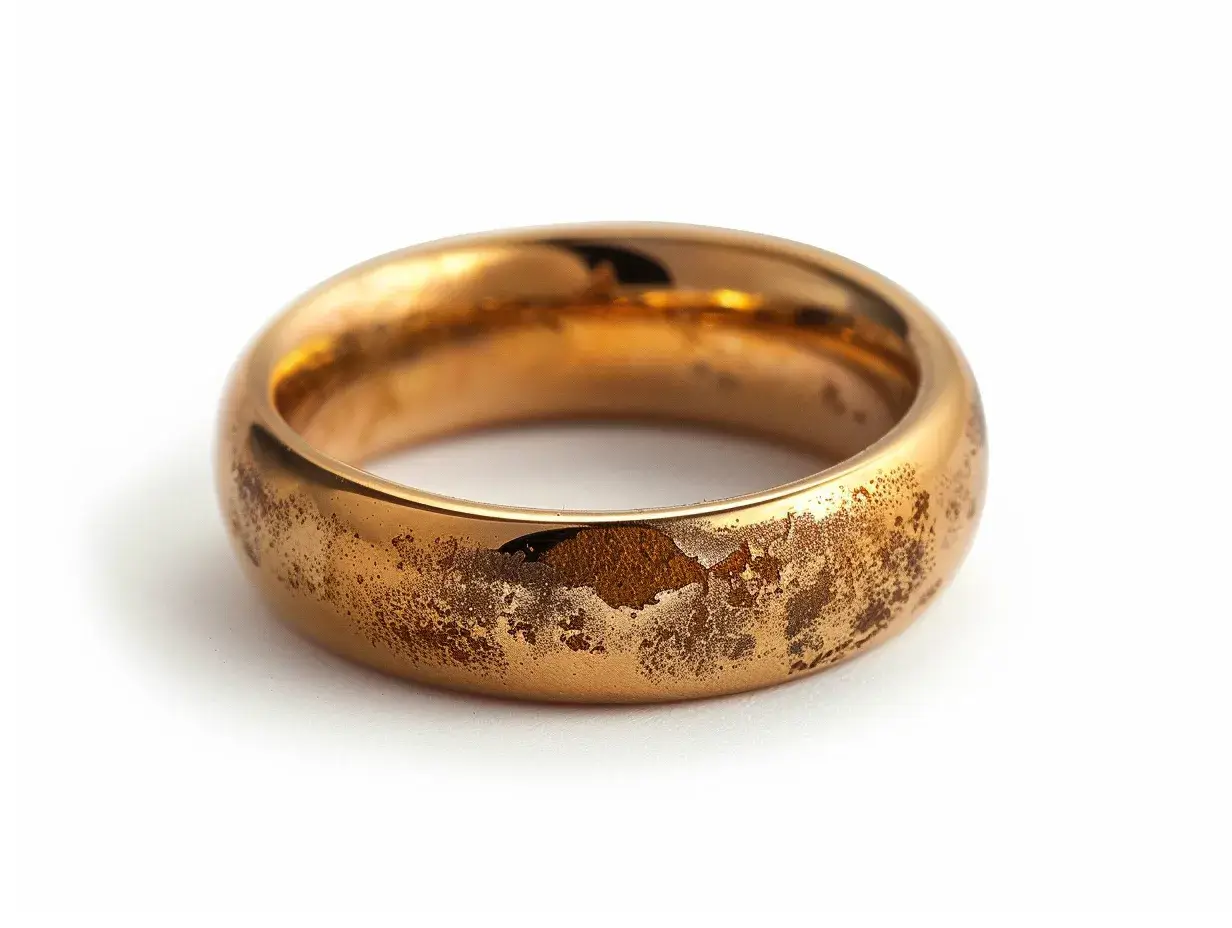
- Signs: Copper shows through in high-wear areas (ring band, bracelet clasp), flaking/peeling visible
- Fixable: PARTIALLY – cleaning removes tarnish but doesn’t restore plating
- Options: Professional re-plating, protective coating, or replacement
Sterling Silver with Tarnish:
- Signs: 925 stamp present, copper-tinted but silver visible underneath
- Fixable: YES – fully restorable with silver cleaner
- Method: Silver polish or tarnish remover
When Restoration Makes Sense
RESTORE if:
- Solid copper/brass/sterling silver – full restoration possible
- Sentimental value regardless of monetary worth
- High-quality piece with worn plating – re-plating economical
- Recent purchase still under warranty
CONSIDER REPLACEMENT if:
- Cheap costume jewelry with completely degraded plating
- Causing skin reactions/allergies
- Restoration cost exceeds replacement cost
- Frequent re-tarnishing despite protection efforts
DIY Cleaning Methods for Copper-Turned Jewelry
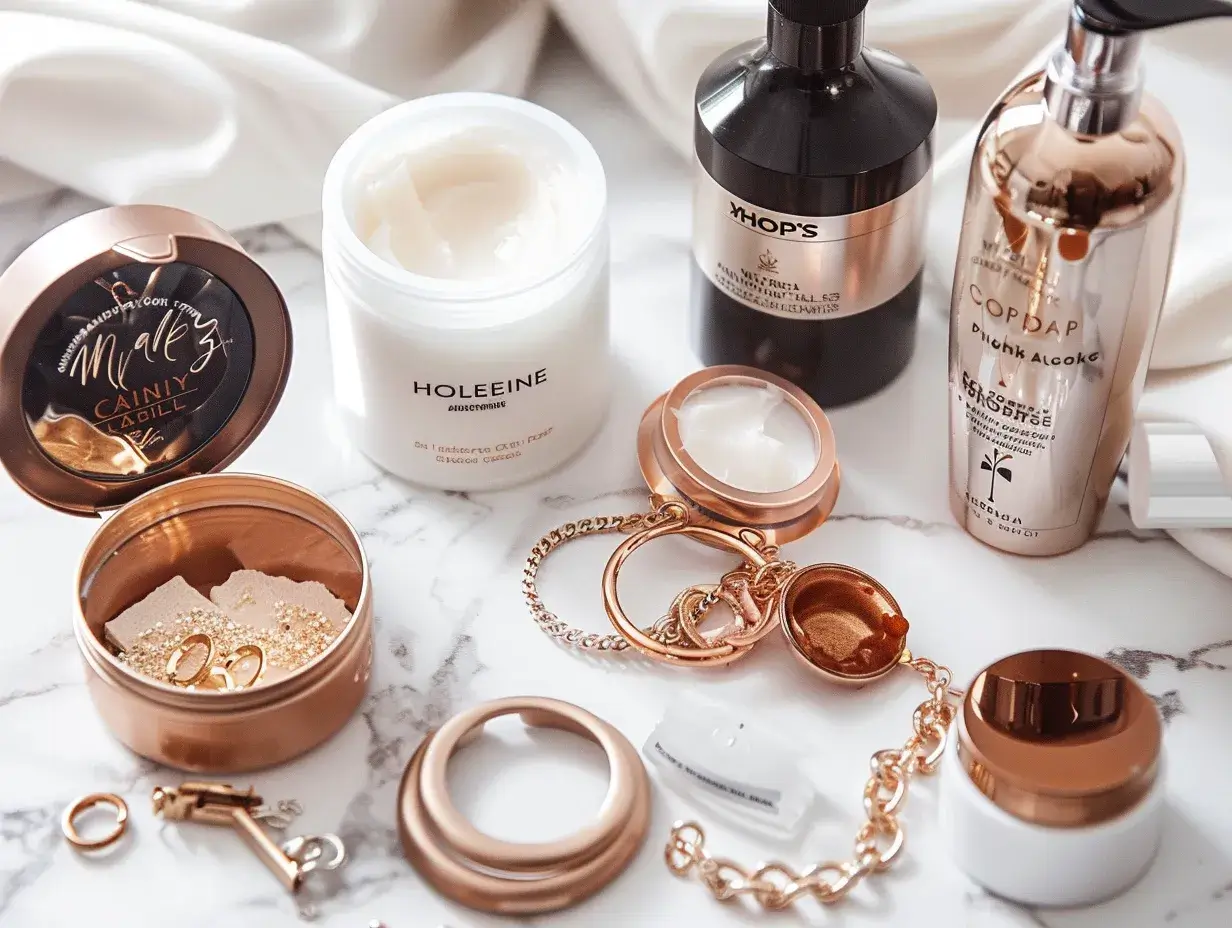
Method 1: Lemon Juice and Salt (Best for Copper/Brass)
Why This Works:
Lemon juice (citric acid) dissolves copper oxide while salt acts as gentle abrasive removing tarnish without scratching. This natural method works excellently for solid copper, brass, or bronze jewelry.
Step-by-Step Process:
- Mix paste: Equal parts lemon juice and table salt (1 tablespoon each)
- Apply: Use soft cloth or toothbrush applying paste to tarnished areas
- Scrub gently: Circular motions 2-3 minutes focusing on green/brown areas
- Rinse thoroughly: Warm water removing all paste residue
- Dry completely: Pat with soft cloth then air dry 10 minutes
- Buff to shine: Clean microfiber cloth buffing to brilliant finish
Gemstone Warning: Avoid this method if jewelry contains pearls, opals, emeralds, or porous stones – acid damages them. Use plain soap and water instead.
Method 2: White Vinegar Soak
Best For: Heavily tarnished copper jewelry, intricate designs where scrubbing difficult
Process:
- Pour white vinegar in glass bowl (enough to submerge jewelry)
- Optional: Add 1 tablespoon salt to vinegar for enhanced cleaning
- Submerge jewelry 15-20 minutes (heavily tarnished: up to 30 minutes)
- Remove and scrub gently with soft brush if needed
- Rinse thoroughly under warm water
- Dry completely and buff
Important: Extended soaking (over 30 minutes) can affect glued components or loosen settings. Monitor closely.
Method 3: Baking Soda Paste (Gentle Option)
When to Use: Delicate jewelry, pieces with gemstones, mild tarnish
Instructions:
- Mix baking soda with water creating thick paste (3:1 ratio)
- Apply to jewelry with fingers or soft cloth
- Gently rub tarnished areas using light pressure
- Rinse thoroughly removing all baking soda
- Dry and polish
Note: Baking soda less aggressive than lemon/vinegar but requires more effort for heavy tarnish.
Method 4: Dish Soap and Warm Water (Safest Universal Method)
Best For: Sterling silver, jewelry with gemstones, regular maintenance cleaning
Process:
- Mix warm water with 2-3 drops mild dish soap
- Soak jewelry 10-15 minutes
- Scrub gently with soft toothbrush
- Rinse thoroughly
- Dry completely and buff
🍋 DIY Cleaning Essentials
1. Dawn Ultra Original Dish Soap
- ✓ Gentle formula safe for all jewelry types
- ✓ Cuts through oils and grime
- ✓ Won’t damage gemstones
2. Soft-Bristle Jewelry Brush Set
- ✓ Reaches intricate details
- ✓ Won’t scratch metals
- ✓ Essential for thorough cleaning
Professional-Grade Cleaning Products
Commercial Copper/Brass Cleaners
🏆 Top Copper & Brass Restoration Products
1. Wright’s Copper Cream (8oz, 2-Pack)
- ✓ Works FAST – transforms copper in seconds
- ✓ Protective coating prevents future tarnish
- ✓ Safe for copper jewelry, brass, bronze
- ✓ Odor-free formula
- ✓ Includes application sponge
- ✓ Removes even heavy green patina
2. HOPE’S Brass Polish and Cleaner (8oz)
- ✓ Fast-acting tarnish remover
- ✓ Safe for brass, copper, chrome, sterling silver
- ✓ Leaves protective barrier preventing re-tarnish
- ✓ Non-flammable, ammonia-free
- ✓ No harsh chemicals or coarse abrasives
- ✓ Mirror-like shine finish
3. BrassMate Liquid Copper Cleaner (½ Gallon)
- ✓ Professional-grade liquid formula
- ✓ Quick dip method – works in seconds
- ✓ REUSABLE – solution lasts indefinitely
- ✓ No rubbing or scrubbing required
- ✓ Removes years of buildup instantly
- ✓ Best for multiple pieces or heavy tarnish
Multi-Metal Tarnish Removers
✨ Convenient Tarnish Wipes
1. Weiman Jewelry Polish Wipes (20-Count)
- ✓ Works on silver, gold, brass, copper, aluminum
- ✓ Pre-moistened wipes – no mess
- ✓ Removes tarnish instantly
- ✓ Anti-tarnish agents provide lasting protection
- ✓ Ammonia-free formula safe for gemstones
- ✓ Perfect for quick touch-ups
2. MAAS Metal Polish (1.1lb Can with Cloth)
- ✓ Universal polish for all metals
- ✓ Removes tarnish, rust, oxidation
- ✓ Water-resistant protective coating
- ✓ Professional-quality results
- ✓ Includes polishing cloth
How to Use Commercial Cleaners
Cream/Paste Products (Wright’s, HOPE’S):
- Apply small amount to soft cloth or included applicator
- Rub onto tarnished jewelry using circular motions
- Watch tarnish disappear immediately
- Rinse with warm water
- Dry thoroughly and buff to shine
Liquid Dip Products (BrassMate):
- Pour solution into non-metal container
- Submerge jewelry completely
- Agitate 30-60 seconds
- Remove and rinse immediately
- Dry and buff
- Filter used solution through cloth, reuse indefinitely
Wipes (Weiman):
- Remove wipe from container
- Rub jewelry until tarnish removed
- No rinsing required (optional rinse if desired)
- Buff with clean section of cloth
- Discard used wipe
Fixing Plated Jewelry with Exposed Copper
Understanding the Limitation
Critical Reality:
When gold or silver plating wears completely through exposing copper base metal, cleaning removes tarnish but doesn’t restore plating. The jewelry remains copper-colored underneath. You have three options:
Option 1: Professional Re-Plating
What It Is:
Jeweler applies new layer of gold, silver, or rhodium plating over cleaned jewelry restoring original appearance.
Cost:
- Gold plating: $30-60 per piece
- Silver plating: $20-40 per piece
- Rhodium plating: $40-80 per piece
When Worth It:
- Sentimental jewelry (family heirlooms, gifts)
- High-quality pieces with good construction
- Unique designs difficult to replace
- Set of matching jewelry (earrings + necklace)
Not Worth It:
- Cheap costume jewelry costing less than re-plating
- Poor quality pieces likely to re-tarnish quickly
- Jewelry with other damage (broken clasps, missing stones)
Option 2: Protective Coating (Temporary Fix)
DIY Protection Methods:
🛡️ Protective Jewelry Coatings
1. Eternal Jewelry Coating Spray
- ✓ Clear protective barrier
- ✓ Prevents tarnishing for 3-6 months
- ✓ Easy spray application
- ✓ Safe for all metals
- ✓ Won’t alter jewelry appearance
2. ProtectaClear 4oz (Brush-On)
- ✓ Brush-on precision application
- ✓ Creates hard protective finish
- ✓ Long-lasting protection
- ✓ Won’t yellow or discolor
Budget Alternative: Clear Nail Polish
- ✓ Apply thin coat to jewelry back/base
- ✓ Creates temporary barrier (2-3 months)
- ✓ Reapply as coating wears
- ✓ Best for non-visible surfaces only
Application Tips:
- Clean jewelry thoroughly first removing all tarnish
- Dry completely – no moisture under coating
- Apply thin, even coat following product instructions
- Allow 24 hours full drying before wearing
- Reapply every 3-6 months as protection wears
Option 3: Replacement
When Replacement Makes More Sense:
- Inexpensive jewelry where re-plating costs more than new piece
- Fashion jewelry easily replaceable
- Jewelry causing persistent skin reactions
- Upgrading to better quality preventing future problems
Upgrade Recommendations:
💎 Quality Jewelry Alternatives (Tarnish-Resistant)
Best Tarnish-Free Options:
- Stainless Steel: Affordable, durable, never tarnishes, hypoallergenic
- Titanium: Extremely lightweight, corrosion-resistant, hypoallergenic
- Solid 14K+ Gold: Won’t wear through like plating, minimal tarnish
- Sterling Silver (925): Tarnishes but easily cleaned, no base metal exposure
- Platinum: Premium option, never tarnishes, extremely durable
Avoid:
- Gold/silver “tone” or “color” (usually plated brass)
- “Gold-filled” under 1/20 14K (thin layer, wears through)
- Jewelry without metal content stamps (likely low quality)
Preventing Future Copper Discoloration
Daily Wear Habits
ALWAYS Remove Jewelry Before:
- Swimming: Chlorine accelerates copper oxidation and plating wear
- Showering/bathing: Soap residue, hot water, humidity promote tarnishing
- Exercising: Sweat extremely corrosive to copper and plated jewelry
- Applying cosmetics: Lotions, perfumes, hairsprays contain chemicals reacting with metals
- Cleaning house: Harsh chemicals damage jewelry rapidly
- Sleeping: Prevents unnecessary wear and moisture exposure
Proper Application Order:
Apply ALL cosmetics, lotions, perfumes, hairspray FIRST. Wait 5 minutes for complete drying. THEN put on jewelry. This minimizes chemical contact with metals.
Storage Strategies
Optimal Storage Conditions:
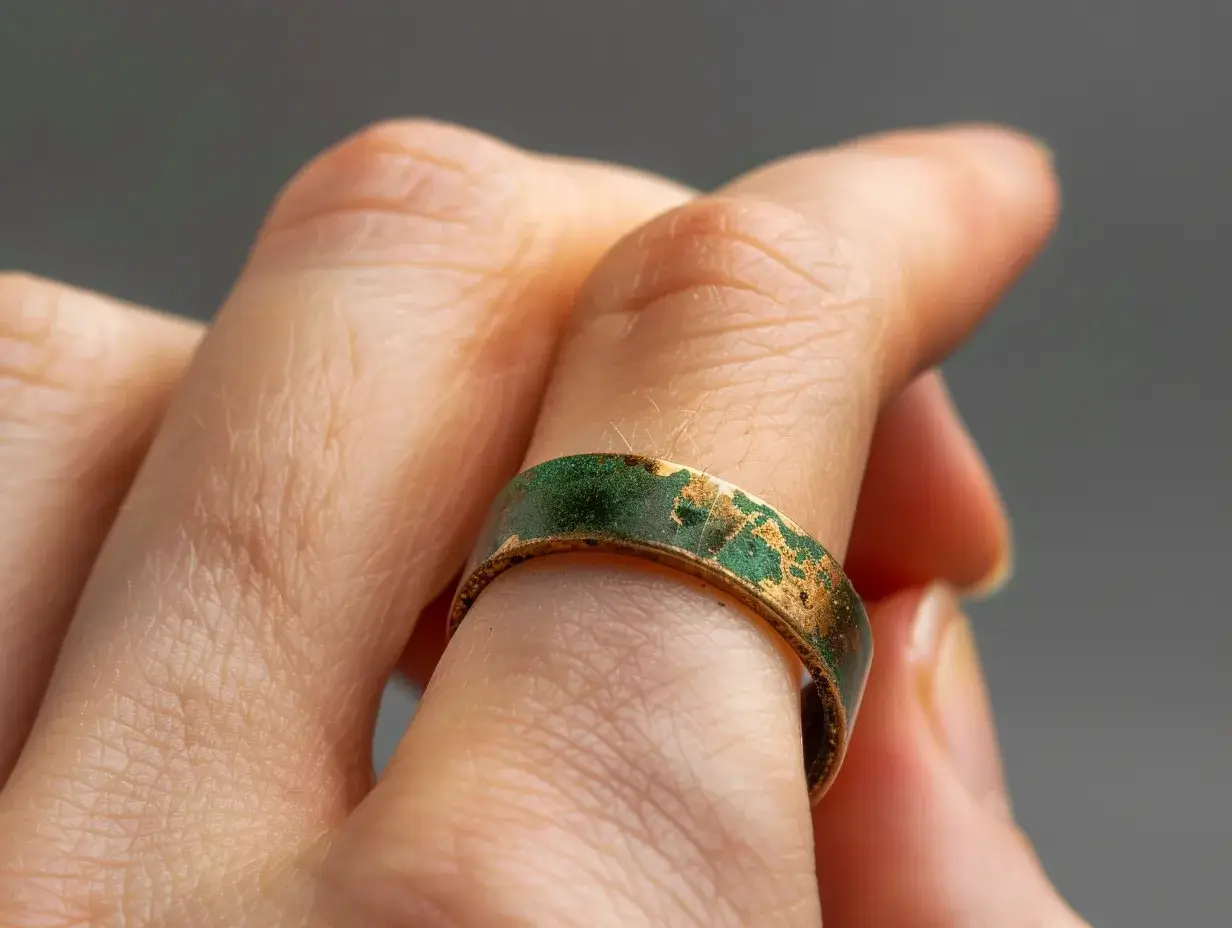
- Individual storage: Separate pieces preventing metal-to-metal contact
- Anti-tarnish environment: Use anti-tarnish strips or bags
- Low humidity: Store in climate-controlled area, NOT bathroom
- Airtight containers: Minimize air exposure slowing oxidation
- Clean before storing: Remove oils and dirt before putting jewelry away
📦 Anti-Tarnish Storage Solutions
1. Rosenthal Anti-Tarnish Bags (10-Pack)
- ✓ Neutralizes tarnish-causing gases
- ✓ 3+ years protection per bag
- ✓ Prevents copper oxidation
- ✓ Reusable until bag changes color
2. 3M Anti-Tarnish Strips (25-Pack)
- ✓ Small tabs fit any jewelry box
- ✓ Absorbs corrosive gases
- ✓ 6 months protection per strip
- ✓ Affordable protection
3. Velvet Jewelry Pouches (50-Pack)
- ✓ Individual storage for each piece
- ✓ Soft velvet prevents scratching
- ✓ Drawstring closure
- ✓ Perfect for travel protection
Maintenance Routine
Weekly:
- Wipe jewelry with soft cloth after wearing
- Check for early tarnish signs
- Ensure proper storage
Monthly:
- Clean jewelry even if not visibly dirty
- Inspect for plating wear or damage
- Reapply protective coating if needed
Annually:
- Deep clean entire jewelry collection
- Professional inspection for valuable pieces
- Replace anti-tarnish strips/tabs
Removing Green Stains from Skin
Quick Removal
The green “ring” on your finger or wrist isn’t harmful – just cosmetic:
- Wash affected area with soap and warm water
- For stubborn stains: Rub with lemon juice or white vinegar
- Exfoliate gently with baking soda paste
- Apply lotion after cleaning preventing dryness
Prevention:
- Apply clear nail polish to jewelry’s skin-contact surfaces
- Use jewelry coating spray on entire piece
- Remove jewelry before activities causing sweating
- Keep skin dry where jewelry sits
Frequently Asked Questions
Why did my jewelry turn copper color or green?
Jewelry turns copper-colored or green due to oxidation – a chemical reaction between metal and moisture, oils, or chemicals. Most commonly occurs with: (1) Copper jewelry or brass (copper alloy) exposed to air, sweat, and body oils developing green patina (copper oxide); (2) Gold-plated or silver-plated jewelry where thin plating wears through exposing copper/brass base metal underneath – the exposed base metal then tarnishes creating copper appearance; (3) Sterling silver containing copper (7.5% copper in 925 sterling) reacting with sulfur creating copper-tinted tarnish; (4) Low-quality costume jewelry with minimal plating wearing quickly. Accelerating factors include: sweat acidity, lotion/perfume chemicals, humid environments, chlorine exposure, storing jewelry while dirty. The green color specifically indicates copper oxidation forming copper salts (verdigris). This is reversible through proper cleaning – the jewelry isn’t permanently damaged, just needs tarnish removal and protection.
Can I restore jewelry that turned copper back to its original color?
Yes, most jewelry that turned copper can be restored with proper cleaning. Success depends on jewelry type: Solid copper/brass jewelry: Fully restorable using tarnish removers, acidic solutions (lemon juice, vinegar), or commercial copper cleaners removing oxidation and revealing original shine. Plated jewelry (gold-plated, silver-plated): If plating worn through exposing copper base metal, cleaning removes tarnish BUT doesn’t restore plating – jewelry will appear copper-colored base metal. Options: professional re-plating ($20-60) or replacement. Sterling silver with copper tarnish: Fully restorable using silver cleaners removing copper-tinted tarnish revealing bright silver. Restoration methods: DIY (lemon-salt paste, vinegar soak, baking soda), commercial cleaners (Weiman wipes, Wright’s Copper Cream, brass/copper polish), professional jeweler cleaning for valuable pieces. Prevention after restoration: protective coatings (clear nail polish, jewelry sealant), proper storage (anti-tarnish bags), removing before water/chemical exposure.
How do I remove green tarnish from jewelry?
Remove green tarnish using acidic solutions dissolving copper oxide: DIY Method: Mix equal parts lemon juice and salt creating paste. Apply to jewelry, scrub gently with soft toothbrush 2-3 minutes, rinse thoroughly with warm water, dry completely, buff with soft cloth. Alternative: Soak jewelry in white vinegar 15-20 minutes, remove and scrub gently, rinse and dry. Commercial cleaners: Copper/brass polish (Wright’s Copper Cream, HOPE’S Brass Polish) applied with cloth following product directions – works faster than DIY. Multi-metal tarnish wipes (Weiman) convenient for quick cleaning. Prevention after removal: Apply protective coating (jewelry sealant, clear nail polish on back/base) creating barrier against moisture. Store in airtight bags with anti-tarnish strips. Wipe jewelry after wearing removing oils. Remove before swimming, showering, applying lotions. Important: If jewelry has gemstones, avoid soaking in acidic solutions – use gentle soap and water instead, or professional cleaning.
Is green residue from jewelry harmful?
No, green residue from jewelry is NOT harmful – it’s copper oxide and copper salts that are non-toxic. The green staining on skin (often called ‘green finger’ or ‘verdigris’) is purely cosmetic and easily washes off with soap and water. Copper absorption through skin is minimal and actually beneficial – copper has antimicrobial properties and some people wear copper jewelry intentionally for potential health benefits. However, allergic reactions possible: True copper allergies rare (affects 1-3% population). Nickel allergies more common – nickel often alloyed with copper in costume jewelry causing skin irritation, redness, itching (not just green staining). If experiencing irritation beyond simple green staining: discontinue wearing, choose nickel-free or hypoallergenic jewelry (surgical steel, titanium, high-karat gold, platinum). Green staining indicates jewelry quality issue (thin plating wearing through, high copper content) suggesting need for better quality pieces or protective coating application.
Should I just replace jewelry that turned copper?
Decision depends on jewelry value and cause: Keep and restore if: Solid copper/brass jewelry – fully restorable, just needs cleaning. Sterling silver with tarnish – easily cleaned back to bright silver. Sentimental value regardless of monetary worth. High-quality piece where plating worn – professional re-plating affordable ($20-60) compared to replacement. Consider replacement if: Cheap costume jewelry with completely worn plating – re-plating costs more than replacement. Jewelry causing skin irritation/allergic reactions – indicates problematic metals. No sentimental value and restoration cost approaches new jewelry cost. Frequently causes green staining despite cleaning/coating – poor quality base metals. Replacement recommendations: Upgrade to solid precious metals (14K+ gold, sterling silver, platinum) eliminating plating issues. Choose stainless steel or titanium for affordable tarnish-free options. Verify ‘nickel-free’ or ‘hypoallergenic’ if previous pieces caused reactions. Invest in quality over quantity – one good piece outlasts multiple cheap replacements. Budget option: Clean existing jewelry, apply protective coating extending life 6-12 months while saving for quality replacement.
 Conclusion
 Conclusion
Discovering jewelry turned copper frustrates every jewelry owner, but understanding the cause empowers effective solutions. Whether dealing with oxidized solid copper naturally developing patina, plated jewelry where worn coating exposes base metal, or sterling silver showing copper-tinted tarnish, restoration is possible through proper cleaning techniques and preventive care strategies.
Key takeaways: Copper discoloration results from reversible oxidation – not permanent damage. DIY methods using lemon juice, vinegar, or baking soda effectively remove tarnish from copper and brass at minimal cost. Commercial products like Wright’s Copper Cream, HOPE’S Brass Polish, or Weiman wipes deliver faster professional results. Plated jewelry with exposed base metal requires either professional re-plating, protective coating application, or quality replacement depending on value and cost considerations.
Prevention surpasses restoration efforts: Remove jewelry before water/chemical exposure, apply protective coatings creating moisture barriers, store properly in anti-tarnish environments, and maintain regular cleaning preventing heavy buildup. For persistent copper problems despite restoration efforts, upgrade to quality alternatives like solid gold, sterling silver, stainless steel, or titanium eliminating plating wear issues entirely.
Your restored jewelry deserves proper care maintaining brilliant appearance. Whether rescuing sentimental heirlooms or extending life of favorite fashion pieces, these proven techniques ensure jewelry looks beautiful preventing embarrassing copper discoloration. Implement today’s restoration methods and tomorrow’s prevention strategies – your jewelry will thank you with lasting shine free from disappointing copper tarnish.
Last Updated: December 2024 | This article contains affiliate links. As an Amazon Associate, I earn from qualifying purchases at no additional cost to you.

Hi, I’m Sara Hein, a passionate jewelry researcher and educator. I created Jewelry Carats to share well-researched insights on gemstones, precious metals, and jewelry care. My goal is making expert jewelry knowledge accessible to everyone.