Skip to content
Jewelry Carats
Jewelry Carats
  • HOME
  • JEWELRY TYPES
    • Rings
    • Necklaces
    • Bracelets
    • Earrings
    • Watches
  • MATERIALS
    • Gold Jewelry
    • Silver Jewelry
    • Diamonds Jewelry
    • Gemstones Jewelry
  • STYLES
    • Fine Jewelry
    • Fashion Jewelry
    • Vintage Jewelry
  • CARE GUIDE
    • Cleaning
    • Storage
    • Repair And Maintenance
  • ABOUT
  • SHOP
  • BLOG
  • CONTACT
  • HOME
  • JEWELRY TYPES
    • Rings
    • Necklaces
    • Bracelets
    • Earrings
    • Watches
  • MATERIALS
    • Gold Jewelry
    • Silver Jewelry
    • Diamonds Jewelry
    • Gemstones Jewelry
  • STYLES
    • Fine Jewelry
    • Fashion Jewelry
    • Vintage Jewelry
  • CARE GUIDE
    • Cleaning
    • Storage
    • Repair And Maintenance
  • ABOUT
  • SHOP
  • BLOG
  • CONTACT

Vintage Jewelry


Home | Styles | Vintage Jewelry | Page 43

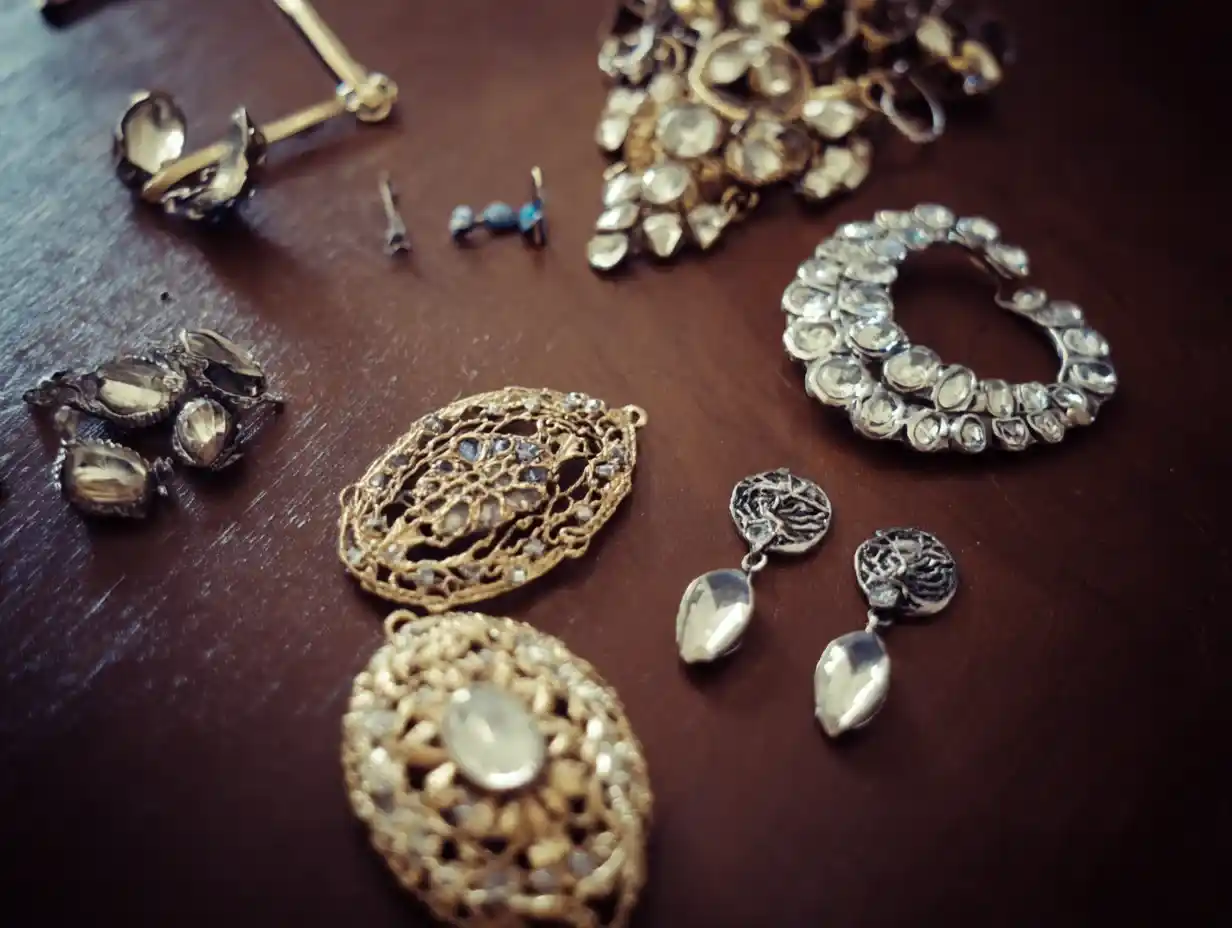
Vintage jewelry captures the romance, craftsmanship, and distinctive character of bygone eras, offering collectors and enthusiasts the opportunity to own wearable pieces of history. Each vintage treasure tells stories of the artisans who created it, the era that inspired its design, and the individuals who cherished it through decades. Whether you collect vintage jewelry for its beauty, historical significance, or investment potential, these timeless pieces bring unique elegance impossible to replicate in contemporary designs.

What Defines Vintage Jewelry

Generally, jewelry qualifies as “vintage” when it’s between 20 and 100 years old—pieces older than 100 years are typically classified as antique. However, vintage jewelry encompasses more than age alone. It represents specific design periods with characteristic styles, construction methods, and materials reflecting their eras’ aesthetic values and technical capabilities. Understanding these period distinctions helps collectors identify, authenticate, and appreciate vintage jewelry properly.

Why Collect Vintage Jewelry

Unique Character and Quality

Vintage jewelry showcases craftsmanship rarely found in modern mass-produced pieces. Many vintage items were handmade by skilled artisans using time-intensive techniques no longer economically viable. This superior craftsmanship, combined with period-specific designs, creates distinctive pieces impossible to find in contemporary jewelry stores.

Sustainable and Ethical Choice

Purchasing vintage jewelry represents ultimate recycling, giving beautiful pieces new life rather than demanding newly mined materials. This sustainable approach appeals to environmentally conscious consumers while supporting small businesses and estate dealers rather than large commercial jewelry operations.

Investment Potential

Quality vintage jewelry from renowned makers or significant periods often appreciates over time. Well-preserved pieces from sought-after eras like Art Deco or by prestigious houses can significantly increase in value, making vintage jewelry both beautiful adornment and financial investment.

Historical Connection

Wearing vintage jewelry connects you tangibly to history. Each piece survived decades, witnessed historical events, and carried personal significance for previous owners. This historical dimension adds depth and meaning beyond aesthetic appeal, transforming accessories into conversation pieces and heirlooms.

Major Vintage Jewelry Periods

Art Deco (1920-1935)

Art Deco jewelry features geometric patterns, bold colors, and streamlined designs reflecting the Jazz Age’s modern aesthetic. Platinum settings showcase diamonds in angular, symmetrical arrangements, while colored gemstones—particularly emeralds, rubies, and sapphires—create striking contrasts. Art Deco pieces remain highly collectible, commanding premium prices for exceptional examples.

Retro (1940-1950)

World War II material restrictions influenced Retro jewelry’s bold, sculptural designs emphasizing yellow and rose gold over platinum. Large, three-dimensional pieces featuring ribbons, bows, and Hollywood glamour motifs characterize this period. Retro jewelry offers substantial presence at often more accessible prices than earlier periods.

Mid-Century Modern (1950-1960)

Postwar prosperity enabled whimsical, optimistic designs featuring cultured pearls, cocktail rings, and charm bracelets. This period embraced both elegant formality and playful creativity, producing diverse styles from sophisticated diamond jewelry to fun novelty pieces. Mid-century pieces offer excellent entry points for beginning vintage collectors.

Identifying Authentic Vintage Jewelry

Authenticating vintage jewelry requires examining multiple factors. Construction methods reveal age—hand-fabricated pieces with slight irregularities suggest older vintage, while perfectly uniform elements might indicate reproduction. Hallmarks and maker’s marks provide valuable dating and attribution information, though not all legitimate vintage jewelry bears marks.

Materials and gemstone cuts reflect their periods. Old European and old mine cut diamonds indicate pre-1920s manufacture. Certain plastics like Bakelite date to specific eras. Patina and wear patterns should align with claimed age—excessive wear on supposedly lightly-used pieces raises questions, while pristine condition on decades-old jewelry might suggest modern reproduction.

Caring for Vintage Jewelry

Vintage pieces require gentle care respecting their age and delicate nature. Avoid harsh cleaning methods that might damage period-appropriate finishes or loosen aged settings. Professional jewelers experienced with vintage jewelry should handle repairs and restorations. Over-restoration can decrease vintage jewelry’s value and historical authenticity—preserve original patina and character when possible.

Store vintage jewelry carefully in soft pouches or compartmented boxes preventing damage. Remove vintage pieces before activities risking harm. Insure valuable vintage jewelry and maintain updated appraisals reflecting current market values. Regular professional inspection ensures settings remain secure and identifies issues requiring attention.

Building a Vintage Jewelry Collection

Beginning collectors should educate themselves about periods, styles, and makers before purchasing. Handle pieces in person when possible, examining construction and condition carefully. Start with pieces genuinely appealing to you rather than solely investment-focused purchases. Develop relationships with reputable dealers who stand behind their attributions and provide return policies.

Focus collections on specific periods, styles, or makers, building expertise and cohesive collections rather than scattered acquisitions. Set budgets accounting for both purchase price and potential restoration costs. Document acquisitions with photographs, provenance information, and receipts for insurance and future resale purposes.

Vintage Jewelry as Investment

Investing in vintage jewelry requires knowledge, patience, and selectivity. Focus on quality over quantity—exceptional pieces from significant makers or periods appreciate more reliably than mediocre examples. Condition significantly impacts value; pristine pieces command premiums while damaged items, even from prestigious makers, struggle to appreciate.

Market trends influence vintage jewelry values. Currently, Art Deco and Mid-Century Modern pieces enjoy strong demand, while Victorian mourning jewelry appeals to niche collectors. Understanding market dynamics helps time purchases and sales advantageously. However, collect primarily for enjoyment—appreciation potential should enhance rather than solely motivate purchases.

Where to Find Vintage Jewelry

Vintage jewelry appears in various venues, each offering advantages. Estate sales and auctions provide opportunities discovering treasures at competitive prices but require knowledge to avoid overpaying or purchasing reproductions. Reputable vintage jewelry dealers charge fair prices while standing behind authenticity and condition claims. Online marketplaces expand options but increase risks—examine photographs carefully and verify seller reputations.

Antique shows and vintage jewelry fairs gather multiple dealers, enabling comparison shopping and networking with knowledgeable sellers. Family heirlooms sometimes yield unexpected vintage treasures worth appraising professionally. Wherever you shop, purchase from sources offering reasonable return policies and providing honest descriptions.

Explore our comprehensive vintage jewelry guides below for detailed information on specific periods, authentication techniques, collecting strategies, and care recommendations. Understanding vintage jewelry’s rich history and distinctive characteristics enhances both collecting success and appreciation for these timeless treasures.

Home | Styles | Vintage Jewelry | Page 43

History Of Anson Jewelry

by Sara Hein
History Of Anson Jewelry

The history of Anson Jewelry stretches back to the 1950s. In 1955, the company opened with a mission to manufacture and design fashionable jewelry at an affordable price. Anson Jewelry has worked tirelessly creating beautiful products that have been popular …

Read More…..

Categories History

Home | Styles | Vintage Jewelry | Page 43

History Of Marcasite Jewelry

by Sara Hein
History Of Marcasite Jewelry

Marcasite jewelry encompasses pieces featuring the cabochon-cut faceted stones of small shining pieces of pyrite, which gives off an effect resembling that of diamonds when the faceted stones are lightened up in direct sunlight. It’s no surprise that its popularity …

Read More…..

Categories History

Home | Styles | Vintage Jewelry | Page 43

History Of Jewelry With Feathers

by Sara Hein
History Of Jewelry With Feathers

The history of jewelry with feathers is rich and diverse. Feathers have historically been used in a variety of cultures as an accessory for formal garments or as gifts given to highlight the significance of an individual. Many ancient civilizations …

Read More…..

Categories History

Home | Styles | Vintage Jewelry | Page 43

History Of Paparazzi Jewelry

by Sara Hein
History Of Paparazzi Jewelry

The history of Paparazzi Jewelry dates back to the early 1980s when jewelry started to become increasingly popular. The founder, David Liu, wanted to give people the chance to access affordable and fashionable jewelry without sacrificing quality or style. He …

Read More…..

Categories History

Home | Styles | Vintage Jewelry | Page 43

History Of Ojibwe Jewelry

by Sara Hein
History Of Ojibwe Jewelry

The history of Ojibwe jewelry is deeply rooted in the culture of the Ojibwe people. The Ojibwe, also called Anishinaabe, are an Indigenous people from what is now known as North America. Since ancient times, they have woven their spiritual …

Read More…..

Categories History
Older posts
Newer posts
← Previous Page1 … Page42 Page43 Page44 … Page55 Next →
M
© 2026 Jewelry Carats | Privacy Policy | Cookie Policy | Terms And Conditions | Copyright Notice | Affiliate Disclosure | Disclaimer | Editorial Guidelines | Sitemap