Skip to content
Jewelry Carats
Jewelry Carats
  • HOME
  • JEWELRY TYPES
    • Rings
    • Necklaces
    • Bracelets
    • Earrings
    • Watches
  • MATERIALS
    • Gold Jewelry
    • Silver Jewelry
    • Diamonds Jewelry
    • Gemstones Jewelry
  • STYLES
    • Fine Jewelry
    • Fashion Jewelry
    • Vintage Jewelry
  • CARE GUIDE
    • Cleaning
    • Storage
    • Repair And Maintenance
  • ABOUT
  • SHOP
  • BLOG
  • CONTACT
  • HOME
  • JEWELRY TYPES
    • Rings
    • Necklaces
    • Bracelets
    • Earrings
    • Watches
  • MATERIALS
    • Gold Jewelry
    • Silver Jewelry
    • Diamonds Jewelry
    • Gemstones Jewelry
  • STYLES
    • Fine Jewelry
    • Fashion Jewelry
    • Vintage Jewelry
  • CARE GUIDE
    • Cleaning
    • Storage
    • Repair And Maintenance
  • ABOUT
  • SHOP
  • BLOG
  • CONTACT

History


Home | Styles | Vintage Jewelry | History | Page 31

The history of jewelry spans human civilization, reflecting cultural values, technological advances, and artistic movements across millennia. From ancient civilizations’ symbolic adornments to Victorian mourning jewelry and Art Deco’s geometric brilliance, vintage jewelry tells the story of humanity through wearable art. Understanding jewelry history enriches appreciation for antique and vintage pieces while informing contemporary design and collecting.

Why Jewelry History Matters

Studying jewelry history provides context for understanding styles, techniques, and materials that define different eras. This knowledge helps collectors authenticate vintage pieces, identify periods and origins, and appreciate the craftsmanship that created treasures from past centuries. Historical understanding also reveals the cultural significance jewelry held in various societies, from status symbols to spiritual talismans and romantic tokens.

Ancient Jewelry Civilizations

Egyptian Jewelry

Ancient Egyptians created elaborate jewelry featuring gold, precious stones, and colorful glass. Symbolism dominated design, with scarabs representing rebirth, ankhs symbolizing life, and specific colors carrying religious significance. Egyptian metalworking techniques, including granulation and cloisonné, influenced jewelry making for millennia. Pharaohs’ burial treasures, discovered centuries later, showcase the sophistication of ancient Egyptian jewelry artistry.

Greek and Roman Jewelry

Greek jewelry emphasized naturalistic designs featuring flowers, leaves, and mythological creatures crafted in gold with minimal gemstones. Romans expanded on Greek traditions, incorporating colored gemstones and developing new techniques. Both civilizations created jewelry serving decorative, symbolic, and practical purposes, from ceremonial crowns to everyday rings and brooches.

Asian Jewelry Traditions

Chinese, Indian, and other Asian civilizations developed distinctive jewelry traditions using jade, pearls, coral, and precious metals. Intricate goldsmithing, elaborate filigree work, and symbolic designs characterized Asian jewelry. These ancient traditions continue influencing contemporary jewelry design and remain culturally significant in modern Asian societies.

Medieval and Renaissance Jewelry

Medieval jewelry served religious and status-indicating functions, featuring crosses, reliquaries, and heraldic symbols crafted in gold and embellished with gemstones. The Renaissance brought renewed interest in classical designs, naturalistic motifs, and gemstone appreciation. Improved cutting techniques enhanced gemstones’ brilliance, while portrait miniatures and enameling added personal touches to jewelry pieces.

Georgian Era (1714-1837)

Georgian jewelry featured romantic, nature-inspired designs and sentimental symbolism. Jewelry makers created pieces by hand, resulting in unique items with charming irregularities. Sentiment jewelry incorporated hidden messages through gemstone arrangements spelling words (e.g., REGARD using Ruby, Emerald, Garnet, Amethyst, Ruby, Diamond). Mourning jewelry commemorated deceased loved ones, while lover’s eye miniatures offered romantic tokens.

Victorian Era (1837-1901)

Queen Victoria’s long reign influenced jewelry fashion dramatically, with styles evolving through early romantic, grand, and late aesthetic periods. Early Victorian jewelry featured nature motifs, serpents, and lockets. Following Prince Albert’s death, mourning jewelry became prevalent, incorporating jet, black enamel, and hair work. Late Victorian pieces embraced lighter aesthetics with stars, crescents, and delicate designs.

Edwardian Era (1901-1915)

Edwardian jewelry epitomized refined elegance through platinum’s introduction, enabling delicate, lace-like designs impossible with heavier gold. Garland styles featuring bows, ribbons, and wreaths dominated, while the newly developed platinum allowed for invisible settings showcasing diamonds’ brilliance. This period represented jewelry making’s peak technical sophistication before World War I changed society and fashion.

Art Nouveau (1890-1910)

Art Nouveau rejected Victorian conventions, embracing organic, flowing lines inspired by nature. Jewelry featured stylized flowers, insects, and feminine forms rendered in enamel, opals, and unconventional materials. This artistic movement valued creativity and craftsmanship over precious materials, producing distinctive pieces that remain highly collectible today.

Art Deco (1920-1935)

Art Deco revolutionized jewelry design with geometric patterns, bold colors, and modern aesthetics reflecting the Jazz Age’s energy. Platinum settings showcased diamonds in angular, symmetrical designs. Colored gemstones—especially emeralds, rubies, and sapphires—created striking contrasts. This period’s distinctive style remains influential in contemporary jewelry design.

Retro and Mid-Century (1940-1960)

World War II’s material restrictions led to bold, sculptural designs using yellow and rose gold. After the war, cocktail rings, charm bracelets, and statement pieces reflected postwar optimism and prosperity. The 1950s introduced whimsical designs and cultured pearls’ widespread availability, while the 1960s embraced mod styles and experimental materials.

Collecting Historical Jewelry

Understanding jewelry history enhances collecting success. Learn to identify period characteristics through construction methods, materials, and design elements. Authentic vintage pieces often show appropriate wear consistent with age. Hallmarks, maker’s marks, and construction techniques help verify period and authenticity. Study reputable references and consult experts when acquiring significant pieces.

Preserving Jewelry History

Antique and vintage jewelry represents irreplaceable cultural heritage. Proper care preserves these historical treasures for future generations. Avoid over-restoration that might destroy historical integrity. Document pieces’ provenance and history when known. Consider museum donations for exceptionally significant items ensuring their preservation and public appreciation.

Explore our extensive jewelry history guides below for detailed information on specific periods, identification techniques, collecting strategies, and preservation methods. Understanding jewelry’s rich history deepens appreciation for vintage pieces while informing contemporary collecting and design choices.

Home | Styles | Vintage Jewelry | History | Page 31

History of Aurora Borealis Jewelry

by Sara Hein
Captivating Aurora Borealis Jewelry - Embodying the Mystical Beauty and History

The history of Aurora Borealis jewelry dates back to ancient times, where it was revered for its ethereal beauty and mystical connotations. This unique form of jewelry has evolved over the centuries, taking inspiration from the natural phenomenon of the …

Read More…..

Categories History

Home | Styles | Vintage Jewelry | History | Page 31

History of Royal Jewelry

by Sara Hein
Exquisite royal jewelry collection spanning centuries

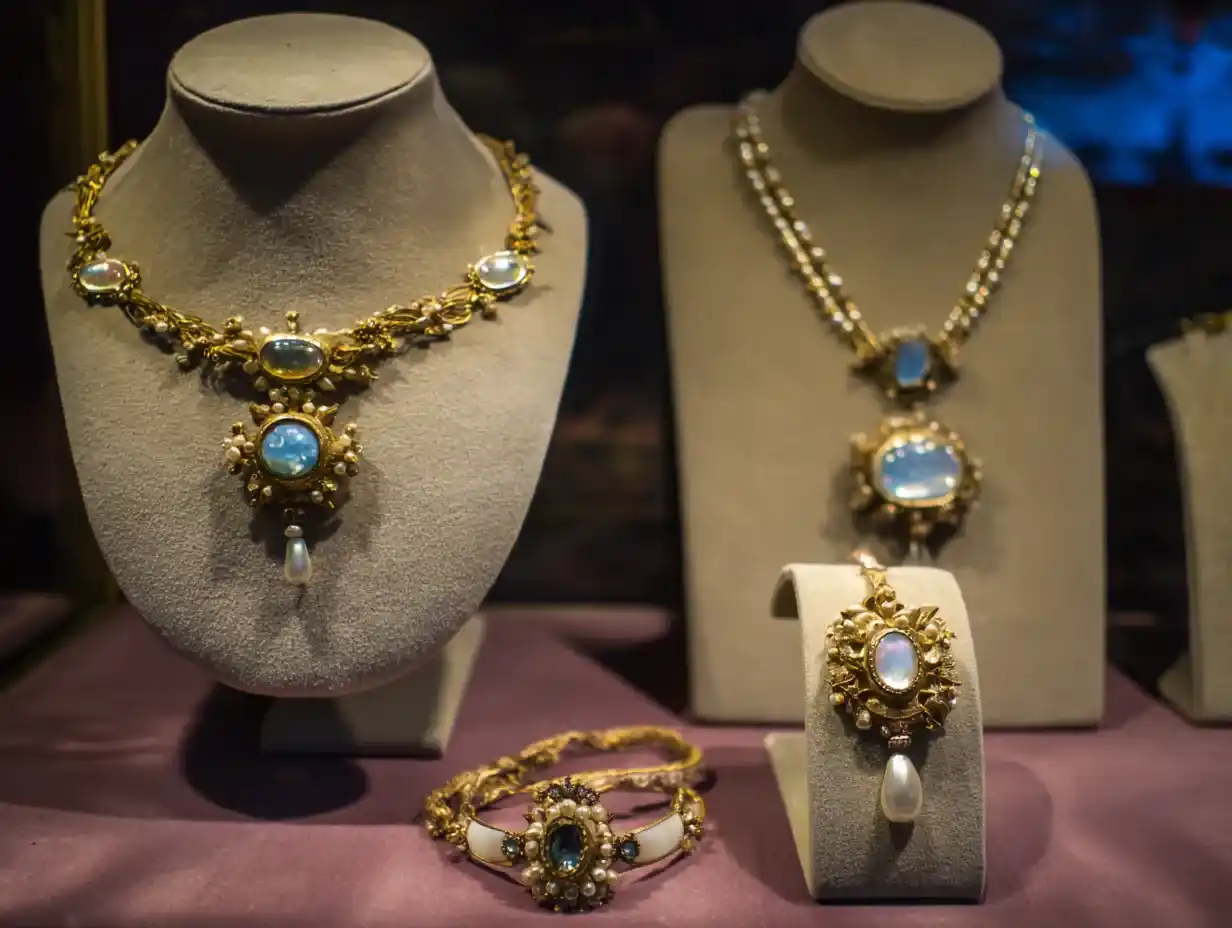
The history of royal jewelry is a captivating journey through the opulence, symbolism, and artistry of adornments worn by monarchs throughout the ages. From ancient civilizations to modern-day royalty, royal jewelry has held a significant cultural and historical significance. This …

Read More…..

Categories History

Home | Styles | Vintage Jewelry | History | Page 31

History of Trifari Jewelry

by Sara Hein
Influence, Innovations, Legacy

History of Trifari jewelry traces back to its Italian origins and subsequent journey to America, where it has left an indelible mark on the world of costume jewelry. The story of Trifari spans from its humble beginnings in Italy to …

Read More…..

Categories History

Home | Styles | Vintage Jewelry | History | Page 31

History of Tiffany Jewelry

by Sara Hein
Timeline showcasing the exquisite history of Tiffany jewelry designs and craftsmanship

For over 180 years, Tiffany & Co. has been at the forefront of luxury jewelry and iconic designs. The history of Tiffany jewelry is a tale of innovation, elegance, and enduring legacy in the world of fashion and accessories. From …

Read More…..

Categories History

Home | Styles | Vintage Jewelry | History | Page 31

History of Anglo Saxon Jewelry

by Sara Hein
History of Anglo Saxon Jewelry

The history of Anglo Saxon jewelry dates back to the early medieval period, with intricate pieces crafted by skilled artisans. The jewelry not only served a decorative purpose but also held deep symbolic and cultural significance for the Anglo-Saxon people. …

Read More…..

Categories History
Older posts
Newer posts
← Previous Page1 … Page30 Page31 Page32 … Page46 Next →
M
© 2026 Jewelry Carats | Privacy Policy | Cookie Policy | Terms And Conditions | Copyright Notice | Affiliate Disclosure | Disclaimer | Editorial Guidelines | Sitemap