How To Make Bamboo Jewelry

How To Make Bamboo Jewelry Bamboo is one of the most versatile materials on the planet. It can be used to make everything from furniture to bicycles. It is also a popular material for jewelry. Here is a guide on …

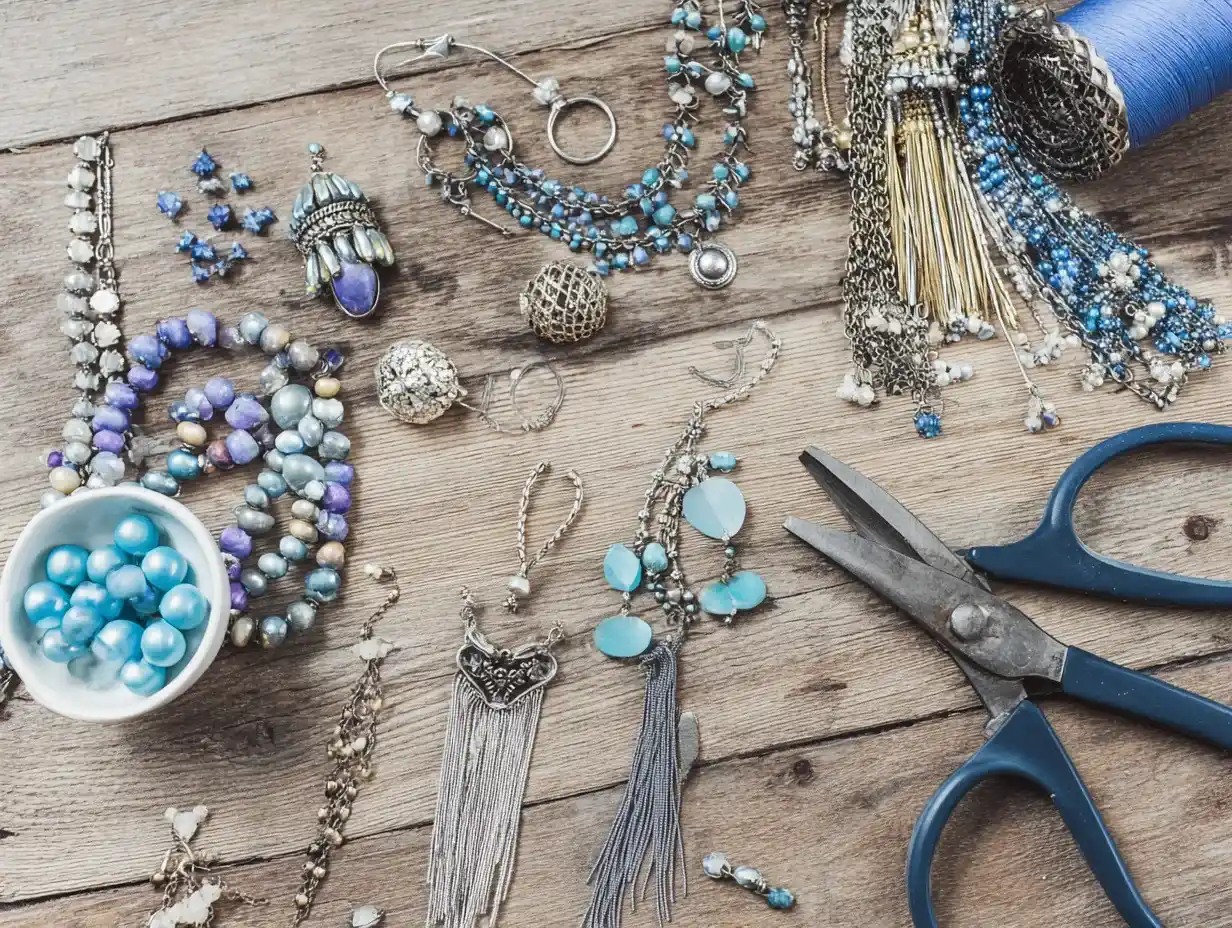
DIY jewelry making empowers you to create personalized accessories that perfectly reflect your unique style, budget, and creativity. Whether you’re crafting simple beaded bracelets or mastering advanced metalworking techniques, making your own jewelry offers immense satisfaction, creative expression, and practical benefits. This accessible hobby welcomes beginners while challenging experienced crafters with endless possibilities for learning and creating.
Creating DIY jewelry provides numerous advantages beyond simply owning unique accessories. You control design, materials, and quality while expressing creativity and developing valuable skills. Handmade jewelry makes thoughtful, personalized gifts that carry more meaning than store-bought alternatives. Additionally, DIY jewelry making often costs less than purchasing comparable ready-made pieces, especially as your skills develop and you create more complex designs.
Starting DIY jewelry requires minimal investment in basic tools. Round-nose pliers, flat-nose pliers, and wire cutters enable most beginner projects. Add a ruler, beading mat to prevent beads from rolling, and basic findings like jump rings, clasps, and ear wires. These foundational tools open possibilities for countless projects while you develop skills and determine which techniques interest you most.
New jewelry makers should start with affordable, forgiving materials. Craft wire in various gauges, assorted beads, and basic chain provide versatility without significant expense. Purchase small quantities initially, experimenting with different materials before investing in premium supplies. Many craft stores offer beginner kits containing tools, materials, and instructions for specific projects.
Abundant free resources support DIY jewelry learning. Online video tutorials demonstrate techniques visually, while blogs and websites offer written instructions and inspiration. Join online communities where makers share advice, troubleshoot problems, and inspire each other. Local craft stores often host workshops teaching specific techniques. Books provide comprehensive references for mastering various jewelry-making methods.
Stringing represents jewelry making’s most accessible entry point. Simply threading beads onto cord or wire creates necklaces and bracelets requiring no special skills. As proficiency develops, explore more complex patterns, mixed materials, and sophisticated finishing techniques. Stringing projects range from simple single-strand designs to elaborate multi-strand creations.
Wire wrapping uses pliers to manipulate wire into decorative shapes and secure components without soldering. This versatile technique creates pendants, earrings, rings, and decorative elements. Beginners start with simple loops and spirals, progressing to intricate wraps around gemstones and complex wire weaving patterns. Wire wrapping requires only basic tools while offering unlimited creative possibilities.
Polymer clay sculpting enables you to create colorful, lightweight beads and pendants in any imaginable shape or pattern. This malleable material accepts various tools and techniques, from simple shaping to complex caning and surface treatments. After baking to harden, polymer clay pieces combine into unique jewelry impossible to find in stores.
Resin jewelry making preserves flowers, creates colorful pendants, and encapsulates small objects in crystal-clear resin. This contemporary technique produces modern, eye-catching pieces. While requiring careful attention to mixing ratios and curing times, resin work rewards patience with stunning, professional-looking results.
Macramé uses knotting techniques to create bohemian-style jewelry from cord and thread. This ancient art form requires no special tools beyond cord and perhaps a clipboard for securing work. Macramé patterns range from simple friendship bracelets to intricate knotted designs incorporating beads and other elements.
Simple projects build confidence while creating wearable pieces. Try making beaded bracelets, wire-wrapped rings, or polymer clay earrings. These quick wins provide satisfaction and finished jewelry without overwhelming time commitments, perfect for beginners establishing their craft.
As skills develop, tackle more complex projects like multi-strand necklaces, intricate wire-wrapped pendants, or resin jewelry with embedded elements. These intermediate projects develop technical skills while producing impressive pieces worthy of gifts or personal wear.
Experienced DIY jewelry makers explore advanced techniques like metal smithing, stone setting, or complex bead weaving. These skills require specialized tools and training but enable creation of professional-quality pieces rivaling commercially produced jewelry. Many makers eventually sell their creations, transforming hobbies into side businesses or full-time careers.
Every jewelry maker encounters challenges. Twisted wire frustrates beginners—practice consistent tension and use quality tools. Beads fall off? Ensure proper crimping or knotting between beads. Clasps don’t close smoothly? Check jump ring closure and clasp quality. Most problems improve with practice and proper technique. Don’t hesitate to seek advice from experienced makers in online communities.
Many DIY jewelry makers eventually sell their creations. Start by sharing pieces with friends and family, gathering feedback and building confidence. Online marketplaces, craft fairs, and social media provide sales channels for handmade jewelry. Price pieces fairly considering materials, time, and skill level. As your business grows, invest in better materials and tools that support increased production while maintaining quality.
Making your own jewelry supports sustainability by reducing consumption and waste. Use recycled materials, repurpose broken jewelry, and choose ethically sourced components when possible. DIY jewelry aligns with slow fashion principles, creating meaningful pieces designed to last rather than disposable trendy items.
Jewelry making mastery requires practice and patience. Start with beginner projects, gradually increasing complexity as confidence grows. Don’t fear mistakes—they’re learning opportunities. Save failed projects for parts and materials. Document your progress through photos, noting what works and what doesn’t. Celebrate improvements while remaining curious about new techniques and materials.
Explore our comprehensive DIY jewelry guides below for step-by-step tutorials, technique explanations, material recommendations, and troubleshooting advice. Whether you’re creating your first beaded bracelet or mastering advanced wire work, you’ll find inspiration and guidance for your jewelry-making journey.
How To Make Bamboo Jewelry Bamboo is one of the most versatile materials on the planet. It can be used to make everything from furniture to bicycles. It is also a popular material for jewelry. Here is a guide on …

How To Make Jewelry From Aluminum Cans Making jewelry from aluminum cans is a fun, easy, and eco-friendly way to recycle cans and create one-of-a-kind pieces of jewelry. This Instructable will show you how to make a simple bracelet from …

How To Make Piercing Jewelry Making piercing jewelry is a fun and creative way to show off your style. There are a few things you need to know before you get started, though. Here’s a quick guide to making your …

How To Make Dog Nose Print Jewelry Dog nose prints offer a unique and personal way to capture your pet’s personality. Not only are they a sentimental keepsake, but they can also be used as a form of identification in …

How To Make Forbidden Gatorade Jewelry Cleaner Ingredients: 1 cup of Gatorade 1 cup of warm water 1 tablespoon of dish soap Instructions: 1. Pour the Gatorade and warm water into a bowl and stir together. 2. Add the dish …