How To Melt Silver To Make Jewelry

How To Melt Silver To Make Jewelry Jewelry making is a popular hobby and a way to create unique pieces that are personal to you. One of the most popular materials to use in jewelry making is silver. Silver is …

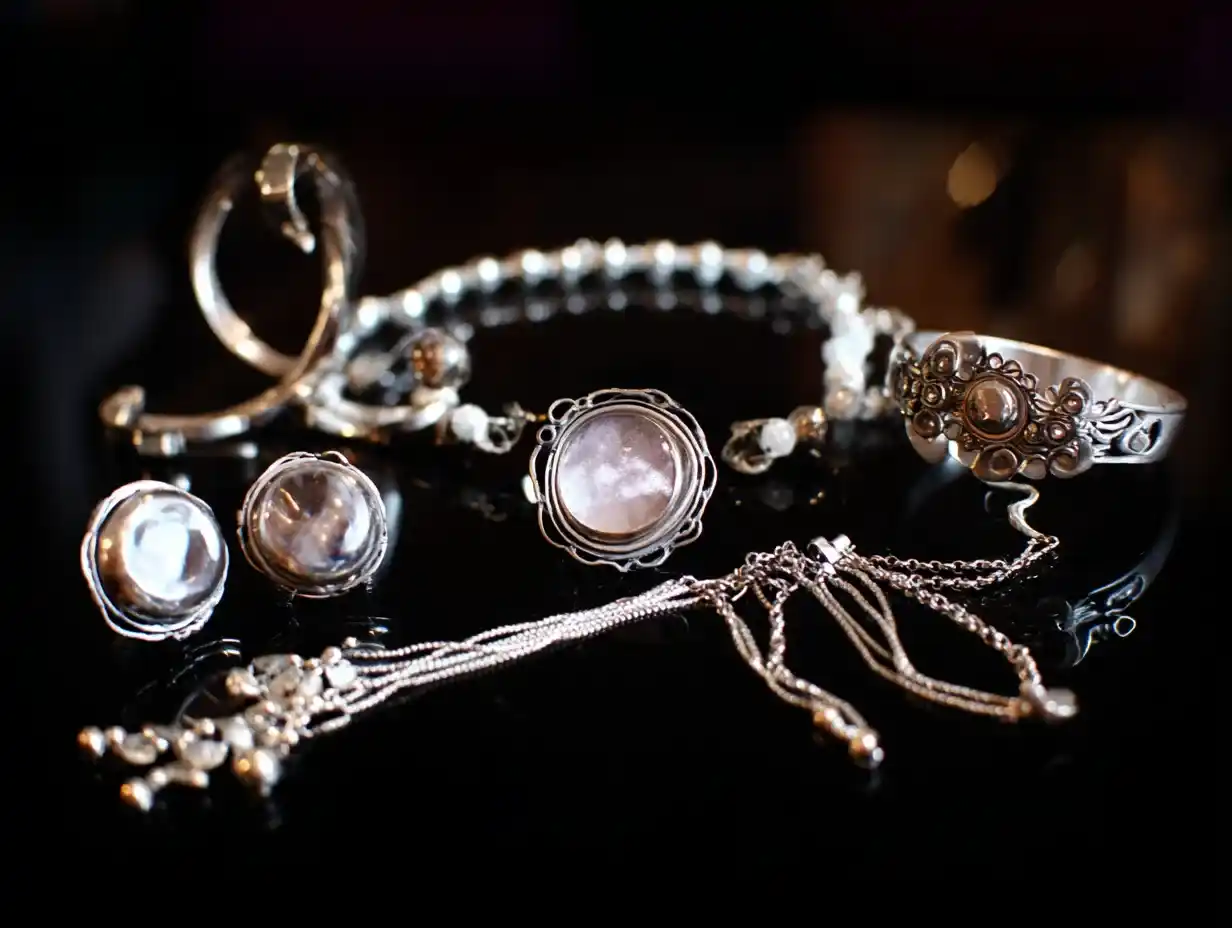
Silver jewelry combines timeless elegance with accessible luxury, offering cool, lustrous beauty that complements every skin tone and style. From ancient civilizations to contemporary fashion, silver has adorned humanity with its distinctive bright shine and versatile appeal. Understanding silver types, care requirements, and quality factors helps you select pieces that bring silver’s classic beauty to your jewelry collection while maintaining their brilliance for years to come.
Silver’s cool, bright luster creates stunning jewelry at prices far more accessible than gold or platinum. Its neutral tone complements all gemstone colors beautifully while coordinating effortlessly with both casual and formal attire. Silver’s malleability enables intricate designs and detailed craftsmanship, from delicate filigree to bold contemporary statements. Whether you prefer minimalist modern pieces or ornate vintage-inspired designs, silver provides the perfect canvas for diverse jewelry aesthetics.
Sterling silver represents the jewelry industry standard, containing 92.5% pure silver and 7.5% other metals (typically copper). This alloy balances silver’s beauty with necessary strength for wearable jewelry. The 925 hallmark stamped on sterling silver pieces verifies authenticity and purity. Sterling silver offers excellent value, providing genuine precious metal beauty at accessible prices suitable for building extensive jewelry collections.
Fine silver contains 99.9% pure silver with minimal alloy content. While brighter and more resistant to tarnish than sterling silver, fine silver’s softness limits jewelry applications. It suits earrings and pendants receiving less wear but proves too soft for rings and bracelets enduring daily stress. Fine silver appeals to those with metal sensitivities, as higher purity reduces allergic reaction risks.
Argentium silver, a modern sterling silver alloy, replaces some copper with germanium, significantly increasing tarnish resistance. This innovative alloy maintains sterling silver’s workability while requiring less frequent polishing. Argentium silver’s bright white color and durability make it increasingly popular for contemporary jewelry. While slightly more expensive than traditional sterling, reduced maintenance needs justify the premium for many buyers.
Coin silver, containing 90% silver, historically derived from melted coins. This lower-purity silver appears in antique and vintage jewelry. While less common today, coin silver pieces possess historical charm and collectible value. Verify purity when purchasing older silver jewelry, as coin silver requires different care than higher-purity alternatives.
Modern silver jewelry embraces clean lines, geometric shapes, and minimalist aesthetics. Contemporary designs showcase silver’s versatility through innovative techniques and unexpected forms. These pieces suit professional environments and fashion-forward individuals seeking sophisticated accessories without excessive ornamentation.
Vintage silver jewelry features ornate detailing, intricate patterns, and romantic motifs characteristic of Victorian, Art Nouveau, and Art Deco periods. Antique silver pieces carry historical significance and craftsmanship rarely replicated in modern production. Collectors appreciate vintage silver for both aesthetic beauty and investment potential.
Southwestern silver jewelry, particularly Native American designs, incorporates distinctive techniques like stamping, overlay, and stone setting. Turquoise and coral frequently accent these pieces, creating bold, colorful aesthetics. Authentic Southwestern silver represents cultural heritage and artisan traditions spanning generations.
Silver’s neutral tone beautifully showcases virtually all gemstone colors. Vibrant turquoise, deep amethysts, fiery garnets, and sparkling cubic zirconia all shine against silver’s bright backdrop. This versatility enables creative combinations and personalized designs impossible with warm-toned gold overshadowing delicate gemstone hues.
Silver tarnishes when exposed to sulfur compounds in air, creating dark surface discoloration. This natural oxidation process doesn’t damage silver—it’s merely a surface reaction easily reversed through cleaning. Tarnish rate varies based on environmental conditions, storage methods, and individual body chemistry. While some find tarnish frustrating, others appreciate the patina developed on vintage pieces, considering it character rather than flaw.
Clean silver jewelry regularly using commercial silver polishing cloths, liquid cleaners, or homemade solutions. Simple methods include baking soda paste, aluminum foil with baking soda in hot water, or specialized silver dips. Gentle polishing removes tarnish while restoring brilliant shine. Clean silver after wearing to remove oils and residues accelerating tarnish formation.
Store silver in anti-tarnish bags, cloths, or sealed containers minimizing air exposure. Anti-tarnish strips placed in jewelry boxes slow oxidation. Store silver pieces separately, preventing scratches from harder materials. Keep silver away from rubber, wool, and sulfur-containing materials accelerating tarnish.
Apply lotions, perfumes, and hair products before putting on silver jewelry, preventing chemical exposure. Remove silver before swimming in chlorinated pools or hot tubs—chlorine can damage silver. Avoid exposing silver to household chemicals and harsh cleaning agents. Interestingly, wearing silver regularly helps prevent tarnish through gentle abrasion removing oxidation.
Professional jewelers can deep-clean severely tarnished silver and repair damage home methods cannot address. For valuable or intricate pieces, consider professional cleaning ensuring appropriate treatment without risking damage. Jewelers can also check settings, clasps, and structural integrity during cleaning appointments.
Silver-plated jewelry features thin silver layers over base metal cores. While offering silver’s appearance at minimal cost, plating wears off over time, exposing base metal beneath. Solid sterling silver, though more expensive initially, lasts indefinitely with proper care. When purchasing silver jewelry, verify whether pieces are solid sterling or plated, ensuring appropriate pricing and setting realistic longevity expectations.
Quality silver jewelry features proper hallmarks (925, Sterling, or Ster) verifying authenticity. Examine construction—well-made pieces display secure settings, smooth finishes, and functional clasps. Weight provides clues—solid silver feels substantial, while plated pieces seem lighter. Reputable jewelers provide written documentation confirming silver purity and content.
Pure silver rarely causes allergic reactions. However, sterling silver’s copper content may trigger sensitivities in some individuals. Those with metal allergies might prefer fine silver or Argentium silver with reduced copper content. Testing new silver jewelry on small skin areas before extensive wear helps identify potential reactions. Quality silver jewelry generally causes fewer reactions than costume jewelry containing nickel.
Silver possesses intrinsic value based on weight and purity, though significantly less than gold or platinum per ounce. Silver prices fluctuate with commodities markets. While silver jewelry typically costs more than raw silver value due to craftsmanship, it maintains inherent worth. Antique and artisan silver pieces may command premiums based on artistic merit, historical significance, or maker reputation beyond simple metal value.
Contemporary fashion embraces mixing silver with gold, creating dynamic, personalized looks. Two-tone jewelry featuring both metals offers versatility. Don’t feel constrained by traditional matching rules—wear silver and gold pieces together confidently. Many designers intentionally combine metals in single pieces, creating modern aesthetics celebrating contrast rather than coordination.
Select silver jewelry based on lifestyle, aesthetic preferences, and maintenance willingness. Active individuals benefit from durable designs and lower-maintenance Argentium silver. Those appreciating vintage aesthetics seek ornate sterling pieces with character. Consider garment colors when building silver collections—silver’s cool tone complements blues, purples, greens, and jewel tones beautifully. Budget-conscious buyers appreciate silver’s accessible luxury enabling extensive collections impossible with pricier precious metals.
Silver carries symbolic meanings across cultures. In Western traditions, silver represents moon, femininity, and intuition. Eastern cultures associate silver with prosperity and purification. Silver’s antimicrobial properties historically made it valuable beyond ornamentation. Many believe silver possesses healing properties and protective qualities, adding spiritual dimension to its aesthetic appeal.
Explore our comprehensive silver jewelry guides below for detailed information on specific styles, tarnish prevention techniques, cleaning methods, and quality assessment. Whether building your first silver collection or maintaining treasured heirloom pieces, you’ll find expert guidance for enjoying silver jewelry’s timeless beauty and accessible luxury.
How To Melt Silver To Make Jewelry Jewelry making is a popular hobby and a way to create unique pieces that are personal to you. One of the most popular materials to use in jewelry making is silver. Silver is …

925 A is an abbreviation for the metal silver. Jewelry marked with 925 A means that the metal in the jewelry is made up of at least 92.5% silver. The other 7.5% can be made up of other metals, such …