What Does 10K D Mean On Jewelry

What Does 10K D Mean On Jewelry 10K D is an indication of gold purity on jewelry. 10K means that the gold in the piece is 41.7% pure, meaning that the jewelry is made of 10 parts gold and 3.3 …

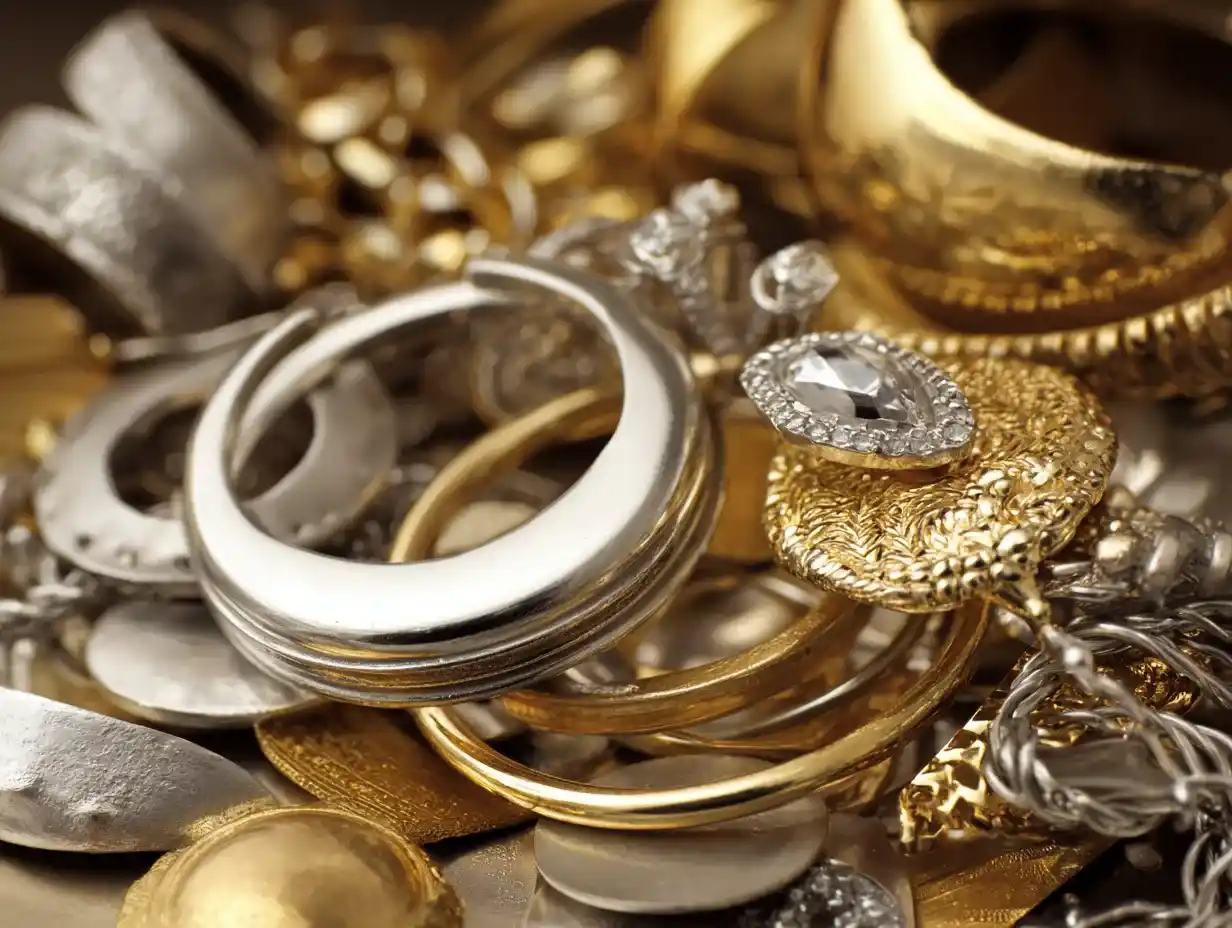
Metals form the foundation of virtually all jewelry, providing structural strength, lustrous beauty, and lasting value. From precious gold and platinum to versatile silver and innovative alternative metals, understanding metal properties, characteristics, and care requirements helps you select jewelry that balances aesthetic preferences with practical durability. The right metal choice enhances gemstone beauty, suits your lifestyle, and ensures comfortable wear for years to come.
Metal selection significantly impacts jewelry’s appearance, durability, price, and maintenance requirements. Precious metals offer intrinsic value and time-tested beauty, while alternative metals provide contemporary aesthetics and exceptional strength. Metal color—warm gold tones versus cool silver hues—affects how jewelry complements skin tones and coordinates with other accessories. Understanding metal properties ensures informed choices aligning with both practical needs and aesthetic desires.
Gold reigns as jewelry’s most popular precious metal, valued for warm beauty, malleability, and resistance to tarnish and corrosion. Pure 24-karat gold is too soft for jewelry, so it’s alloyed with other metals for durability. Common gold purities include 18k (75% gold), 14k (58.3% gold), and 10k (41.7% gold). Higher karat gold displays richer color and costs more, while lower karat gold offers superior durability and affordability.
Gold color varieties—yellow, white, and rose—result from different alloy combinations. Yellow gold combines pure gold with silver and copper, creating classic warm tones. White gold mixes gold with palladium, nickel, or zinc, producing silvery appearance often enhanced with rhodium plating. Rose gold’s romantic pinkish hue comes from higher copper content. Each gold color offers distinct aesthetics suitable for different styles and preferences.
Platinum provides exceptional durability, natural white color, and prestigious appeal. This dense, heavy metal resists scratching better than gold while maintaining color without plating. Platinum’s purity—typically 95% in jewelry—suits sensitive skin beautifully. Its strength securely holds valuable gemstones, making platinum ideal for engagement rings and fine jewelry. Platinum costs more than gold but offers superior longevity and hypoallergenic properties.
Silver offers affordable elegance with cool, bright luster. Sterling silver (92.5% silver, 7.5% other metals) provides standard purity balancing beauty with durability. Silver tarnishes when exposed to air and sulfur-containing substances, requiring regular polishing. Despite maintenance needs, silver’s accessibility and versatility make it popular for both fine and fashion jewelry. Argentium silver—a modern alloy—resists tarnishing better than traditional sterling.
Titanium combines exceptional strength with remarkably light weight. This biocompatible metal suits those with metal sensitivities perfectly. Titanium’s contemporary gray appearance appeals to modern aesthetics. Its extreme hardness resists scratching but makes resizing difficult or impossible. Titanium suits men’s jewelry and alternative wedding bands particularly well.
Tungsten carbide offers extraordinary hardness—virtually scratch-proof surfaces maintain polished appearance indefinitely. This dense metal provides substantial weight some prefer. Tungsten’s brittleness means it can shatter under extreme impact, and rings cannot be resized. Available in various colors through plating, tungsten suits those prioritizing durability and contemporary style.
Stainless steel provides affordable durability with excellent corrosion resistance. This versatile metal suits casual and contemporary jewelry designs. Stainless steel’s hypoallergenic properties accommodate sensitive skin. While less prestigious than precious metals, quality stainless steel jewelry offers practical elegance at accessible prices.
Palladium, platinum group member, offers similar properties at lower prices. This naturally white metal doesn’t require rhodium plating like white gold. Palladium’s lighter weight (compared to platinum) and hypoallergenic properties appeal to those seeking platinum alternatives. Its durability suits engagement rings and daily-wear jewelry excellently.
Beyond metal type, finishes dramatically affect jewelry appearance. Polished finishes create bright, reflective surfaces showcasing metal’s natural luster. Matte or satin finishes offer sophisticated, understated elegance. Hammered textures add artisan character, while brushed finishes combine polish with subtle texture. Mixed finishes—polished highlights with matte backgrounds—create visual interest and contemporary appeal.
Metal allergies, particularly nickel sensitivity, affect many people. Nickel commonly appears in white gold, sterling silver, and costume jewelry alloys. Those with sensitivities should choose hypoallergenic metals—platinum, palladium, titanium, high-karat gold (18k+), or nickel-free sterling silver. Testing new jewelry on small skin areas before wearing extensively helps identify potential reactions. Quality jewelers disclose metal content, enabling informed selections for sensitive skin.
Clean gold jewelry using warm water and mild soap with soft brushes. Higher karat gold is softer—handle carefully to prevent scratching and denting. White gold requires periodic rhodium replating to maintain bright white appearance. Store gold separately from harder gemstones that might scratch it.
Platinum develops patina—soft surface scratches—over time, which some appreciate as character. Professional polishing restores bright finish when desired. Clean platinum using methods safe for gold. Platinum’s durability enables professional refinishing that removes scratches without significant metal loss.
Polish silver regularly using commercial silver cleaners or polishing cloths. Store in anti-tarnish bags or with anti-tarnish strips slowing oxidation. Avoid exposing silver to chlorine, sulfur compounds, and harsh chemicals accelerating tarnish. Regular wearing actually helps prevent tarnish through gentle abrasion removing oxidation.
Titanium and tungsten require minimal maintenance—simple soap and water cleaning suffices. Avoid harsh chemicals and extreme impacts potentially damaging these metals. Stainless steel cleans easily with soap and water, resisting tarnish and corrosion naturally.
Contemporary trends embrace mixing different metal colors and types in jewelry wardrobes and individual pieces. Combine gold and silver tones freely, creating eclectic, personalized looks. Two-tone jewelry featuring multiple metals offers versatility coordinating with varied accessories. Don’t feel constrained by traditional “rules” about matching metals—personal style trumps outdated conventions.
Precious metals possess intrinsic value based on weight and purity. Gold and platinum prices fluctuate with commodities markets. While jewelry typically costs more than raw metal value due to craftsmanship, precious metal jewelry maintains inherent worth. Alternative metals lack intrinsic value—their worth derives entirely from craftsmanship and design. When investing significantly, choose precious metals retaining value beyond artistic merit.
Select metals based on multiple factors: budget, lifestyle, aesthetic preferences, and skin sensitivities. Active individuals benefit from durable metals like platinum or tungsten. Those preferring warm tones choose gold, while cool-tone lovers select silver, white gold, or platinum. Consider maintenance willingness—silver requires regular polishing, while platinum and alternative metals need minimal care. Balance all factors, choosing metals bringing both beauty and practical satisfaction.
Explore our comprehensive metal guides below for detailed information on specific metal types, care requirements, quality assessment, and selection strategies. Understanding jewelry metals empowers confident choices creating collections that balance beauty, durability, value, and personal style perfectly.
What Does 10K D Mean On Jewelry 10K D is an indication of gold purity on jewelry. 10K means that the gold in the piece is 41.7% pure, meaning that the jewelry is made of 10 parts gold and 3.3 …

925 A is an abbreviation for the metal silver. Jewelry marked with 925 A means that the metal in the jewelry is made up of at least 92.5% silver. The other 7.5% can be made up of other metals, such …