Skip to content
Jewelry Carats
Jewelry Carats
  • HOME
  • JEWELRY TYPES
    • Rings
    • Necklaces
    • Bracelets
    • Earrings
    • Watches
  • MATERIALS
    • Gold Jewelry
    • Silver Jewelry
    • Diamonds Jewelry
    • Gemstones Jewelry
  • STYLES
    • Fine Jewelry
    • Fashion Jewelry
    • Vintage Jewelry
  • CARE GUIDE
    • Cleaning
    • Storage
    • Repair And Maintenance
  • ABOUT
  • SHOP
  • BLOG
  • CONTACT
  • HOME
  • JEWELRY TYPES
    • Rings
    • Necklaces
    • Bracelets
    • Earrings
    • Watches
  • MATERIALS
    • Gold Jewelry
    • Silver Jewelry
    • Diamonds Jewelry
    • Gemstones Jewelry
  • STYLES
    • Fine Jewelry
    • Fashion Jewelry
    • Vintage Jewelry
  • CARE GUIDE
    • Cleaning
    • Storage
    • Repair And Maintenance
  • ABOUT
  • SHOP
  • BLOG
  • CONTACT

Other Metals

Home | Materials | Metals | Other Metals | Page 4

Beyond traditional precious metals, innovative alternative materials bring contemporary aesthetics, exceptional durability, and accessible luxury to modern jewelry. From aerospace-grade titanium and virtually indestructible tungsten to refined stainless steel and elegant palladium, these metals offer unique properties and advantages appealing to fashion-forward individuals seeking distinctive jewelry. Understanding alternative metal characteristics, benefits, and limitations helps you explore exciting options beyond conventional choices.

The Rise of Alternative Metals

Alternative metals emerged meeting demands for durable, hypoallergenic, and affordable jewelry options. Traditional precious metals, while beautiful, don’t suit everyone’s lifestyle, budget, or aesthetic preferences. Modern metals offer strength exceeding gold or silver, require minimal maintenance, and create contemporary looks impossible with traditional materials. These innovations democratize jewelry ownership while expanding creative possibilities for designers and wearers alike.

Popular Alternative Metals

Titanium

Titanium revolutionized jewelry with extraordinary strength-to-weight ratio creating remarkably light yet durable pieces. This biocompatible metal, used in medical implants, suits sensitive skin perfectly. Titanium’s natural gray color appeals to modern aesthetics, though anodizing creates vibrant colors impossible with precious metals. Its extreme hardness resists scratching beautifully but makes resizing difficult or impossible.

Titanium particularly suits men’s jewelry—wedding bands, bracelets, and contemporary accessories. Active individuals appreciate titanium’s durability withstanding demanding lifestyles. While lacking precious metal prestige, titanium offers practical elegance combining aerospace technology with wearable art. Its lightweight nature makes large statement pieces comfortable for extended wearing.

Tungsten Carbide

Tungsten carbide offers virtually scratch-proof surfaces maintaining polished appearance indefinitely. This incredibly hard material creates substantial, weighty jewelry appealing to those preferring solid feel. Tungsten’s contemporary gray color suits modern aesthetics, while plating creates gunmetal, black, or gold appearances.

Tungsten’s brittleness means extreme impacts can shatter rather than dent pieces. Rings cannot be resized—proper initial sizing is crucial. Emergency removal requires shattering rather than cutting, though this actually protects fingers in accidents by breaking cleanly rather than crushing. Tungsten suits those prioritizing durability and maintaining pristine appearance over traditional precious metal values.

Stainless Steel

Stainless steel provides affordable durability with excellent corrosion resistance. This versatile metal suits casual and contemporary jewelry designs from simple bands to elaborate statement pieces. Surgical-grade stainless steel’s hypoallergenic properties accommodate sensitive skin while offering substantial feel at accessible prices.

Stainless steel’s industrial associations initially limited jewelry applications, but contemporary designers embrace its modern aesthetic and practical advantages. Mixed with precious metals or gemstones, stainless steel creates sophisticated pieces balancing luxury with everyday wearability. Its resistance to tarnishing and corrosion requires minimal maintenance—simple soap and water cleaning suffices.

Palladium

Palladium, a platinum group metal, bridges alternative and precious metal categories. This naturally white metal offers similar properties to platinum at lower prices and reduced weight. Palladium’s hypoallergenic nature and durability suit engagement rings and fine jewelry. Unlike white gold, palladium never requires replating, maintaining consistent white color permanently.

Palladium’s relative affordability (compared to platinum) makes white metal luxury more accessible. Its lighter weight (compared to platinum) appeals to those finding platinum uncomfortably heavy. Quality palladium jewelry features Pd950 or Pd500 hallmarks verifying authenticity. Consider palladium when desiring platinum properties without extreme premium pricing.

Cobalt Chrome

Cobalt chrome alloys combine brightness rivaling platinum with hardness exceeding gold. This contemporary metal creates brilliant white jewelry requiring no plating or maintenance. Cobalt chrome’s density provides substantial weight and quality feel. Its biocompatibility suits sensitive skin, though those with specific cobalt allergies should avoid it.

Cobalt chrome particularly suits wedding bands and men’s jewelry. Its extreme hardness makes resizing challenging, requiring accurate initial sizing. The metal’s brilliant white color showcases gemstones beautifully, creating modern alternatives to traditional precious metal settings.

Bronze and Brass

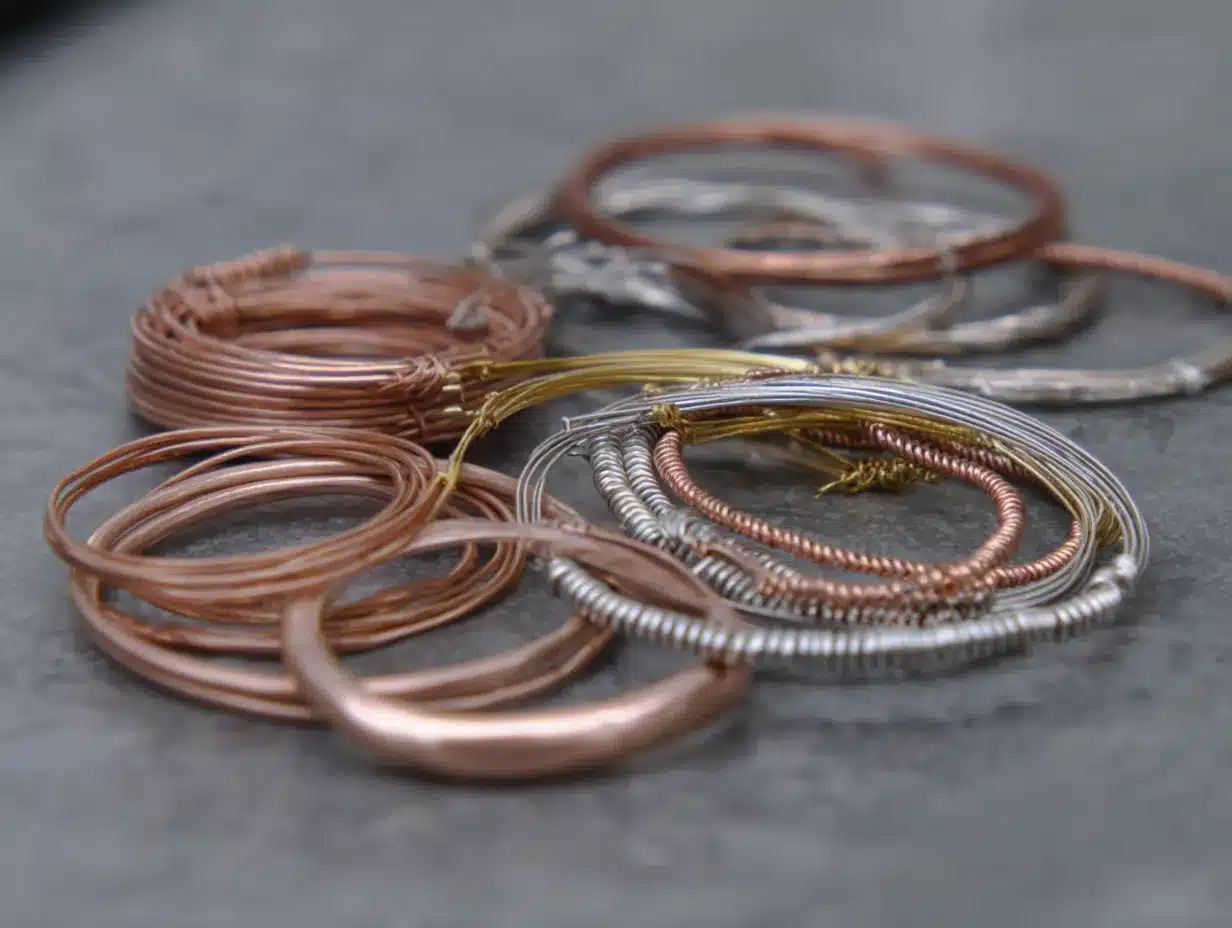
Bronze and brass bring warm, vintage-inspired aesthetics to contemporary jewelry. These copper alloys develop distinctive patina over time, creating evolving character. Bronze and brass suit bohemian and artisan jewelry styles beautifully. While requiring more maintenance than modern alloys—regular polishing prevents excessive tarnishing—these traditional materials offer affordable warmth and historical connection.

Some individuals react to copper content in bronze and brass. Test pieces on small skin areas before extensive wear. Quality bronze and brass jewelry often features protective coatings extending tarnish-free wear. These metals suit fashion jewelry and artistic pieces where material authenticity matters less than aesthetic result.

Carbon Fiber

Carbon fiber brings ultra-modern aesthetics to jewelry through distinctive woven patterns and exceptional lightness. This high-tech material, used in aerospace and automotive applications, creates statement pieces celebrating contemporary innovation. Carbon fiber combines with precious metals, creating striking contrasts between traditional luxury and cutting-edge technology.

Carbon fiber’s lightweight nature enables large designs worn comfortably. Its unique appearance appeals to tech enthusiasts and those seeking truly distinctive jewelry. While not a metal technically, carbon fiber occupies similar market space as alternative metals, offering modern alternatives to traditional materials.

Advantages of Alternative Metals

Exceptional Durability

Many alternative metals exceed precious metals in hardness and scratch resistance. Tungsten, titanium, and cobalt chrome maintain pristine appearance through daily wear that would damage gold or silver. This durability suits active lifestyles, professional environments, and anyone prioritizing practical jewelry maintenance.

Hypoallergenic Properties

Titanium, surgical steel, and platinum group metals rarely trigger allergic reactions. These materials suit individuals unable to wear gold or silver comfortably. Biocompatible metals eliminate concerns about skin sensitivity, ensuring comfortable wear for everyone.

Contemporary Aesthetics

Alternative metals create modern looks impossible with traditional materials. Industrial finishes, mixed textures, and innovative forms celebrate contemporary design sensibilities. These materials appeal to those seeking distinctive jewelry reflecting current aesthetics rather than traditional values.

Accessible Pricing

Alternative metals offer quality jewelry at prices significantly lower than precious metals. This accessibility enables building extensive collections, experimenting with trends, and owning multiple pieces serving different purposes without significant investment.

Limitations and Considerations

Resizing Challenges

Most alternative metals resist resizing due to extreme hardness. Accurate initial sizing is crucial. Some jewelers refuse resizing alternative metal pieces or charge premiums for difficult work. Consider this limitation when purchasing rings or other fitted jewelry.

Repair Difficulties

Traditional jewelry repair techniques often don’t work with alternative metals. Finding jewelers willing and able to repair these pieces may prove challenging. Consider this when purchasing expensive alternative metal jewelry—repair options may be limited.

Lack of Intrinsic Value

Unlike precious metals possessing inherent commodity value, alternative metals have minimal intrinsic worth. Their value derives entirely from craftsmanship and design. When reselling, expect prices reflecting artistic merit rather than material value.

Caring for Alternative Metals

Most alternative metals require minimal maintenance. Clean using mild soap and water with soft cloths. Avoid harsh chemicals and abrasive materials potentially damaging finishes. Store separately preventing scratches from harder materials. Titanium and tungsten resist tarnishing, requiring only occasional cleaning maintaining appearance. Bronze and brass need regular polishing preventing excessive patina development.

Choosing Alternative Metals

Select alternative metals based on lifestyle, aesthetic preferences, and priorities. Active individuals benefit from durable titanium or tungsten. Those seeking lightweight comfort choose titanium. Buyers prioritizing pristine appearance select tungsten. Consider sizing permanence—ensure accurate fit before purchasing. Evaluate whether lack of intrinsic value matters for your purposes. Alternative metals suit those valuing practical advantages and contemporary aesthetics over traditional precious metal prestige.

Explore our comprehensive alternative metal guides below for detailed information on specific materials, care requirements, comparison with precious metals, and selection strategies. These innovative materials expand jewelry possibilities beyond traditional limitations, offering exciting options for modern wearers seeking distinctive, durable, and accessible accessories.

Home | Materials | Metals | Other Metals | Page 4

How To Prevent Stainless Steel Jewelry From Rusting

by Sara Hein
How To Prevent Stainless Steel Jewelry From Rusting

How To Prevent Stainless Steel Jewelry From Rusting Stainless steel is a popular metal for jewelry because it is strong and does not corrode or rust like other metals. However, if you do not take care of your stainless steel …

Read More…..

Categories Other Metals

Home | Materials | Metals | Other Metals | Page 4

Is Copper Wire Safe For Jewelry

by Sara Hein
Is Copper Wire Safe For Jewelry

Is Copper Wire Safe For Jewelry The short answer is yes, copper wire is safe for jewelry. However, there are a few things you should keep in mind when using copper wire in your jewelry designs. Copper is a soft …

Read More…..

Categories Other Metals

Home | Materials | Metals | Other Metals | Page 4

How To Use Copper Tape For Jewelry

by Sara Hein
How To Use Copper Tape For Jewelry

How To Use Copper Tape For Jewelry In the world of jewelry making, there are a million and one ways to make something beautiful. One of the simplest and most versatile ways to do this is by using copper tape. …

Read More…..

Categories Other Metals

Home | Materials | Metals | Other Metals | Page 4

What Is Bronze Milor Italy Jewelry

by Sara Hein
What Is Bronze Milor Italy Jewelry

What Is Bronze Milor Italy Jewelry Bronze Milor Italy jewelry is made from an alloy of copper and tin. It is named for the Italian city of Milor, where it was first produced. Bronze Milor jewelry is prized for its …

Read More…..

Categories Other Metals

Home | Materials | Metals | Other Metals | Page 4

How To Pickle Copper Jewelry

by Sara Hein
How To Pickle Copper Jewelry

How To Pickle Copper Jewelry Pickling copper jewelry is a great way to clean it and protect it from tarnish. You can pickle copper jewelry with a vinegar and salt solution. To make the pickling solution, mix 1 part white …

Read More…..

Categories Other Metals
Older posts
Newer posts
← Previous Page1 … Page3 Page4 Page5 Page6 Next →
M
© 2026 Jewelry Carats | Privacy Policy | Cookie Policy | Terms And Conditions | Copyright Notice | Affiliate Disclosure | Disclaimer | Editorial Guidelines | Sitemap