What Does 14K Gf Mean On Jewelry

What Does 14K Gf Mean On Jewelry When you see 14k Gf on a piece of jewelry, it means that the item is made of 14 karat gold and has a gold fill coating. Gold fill is a layer of …

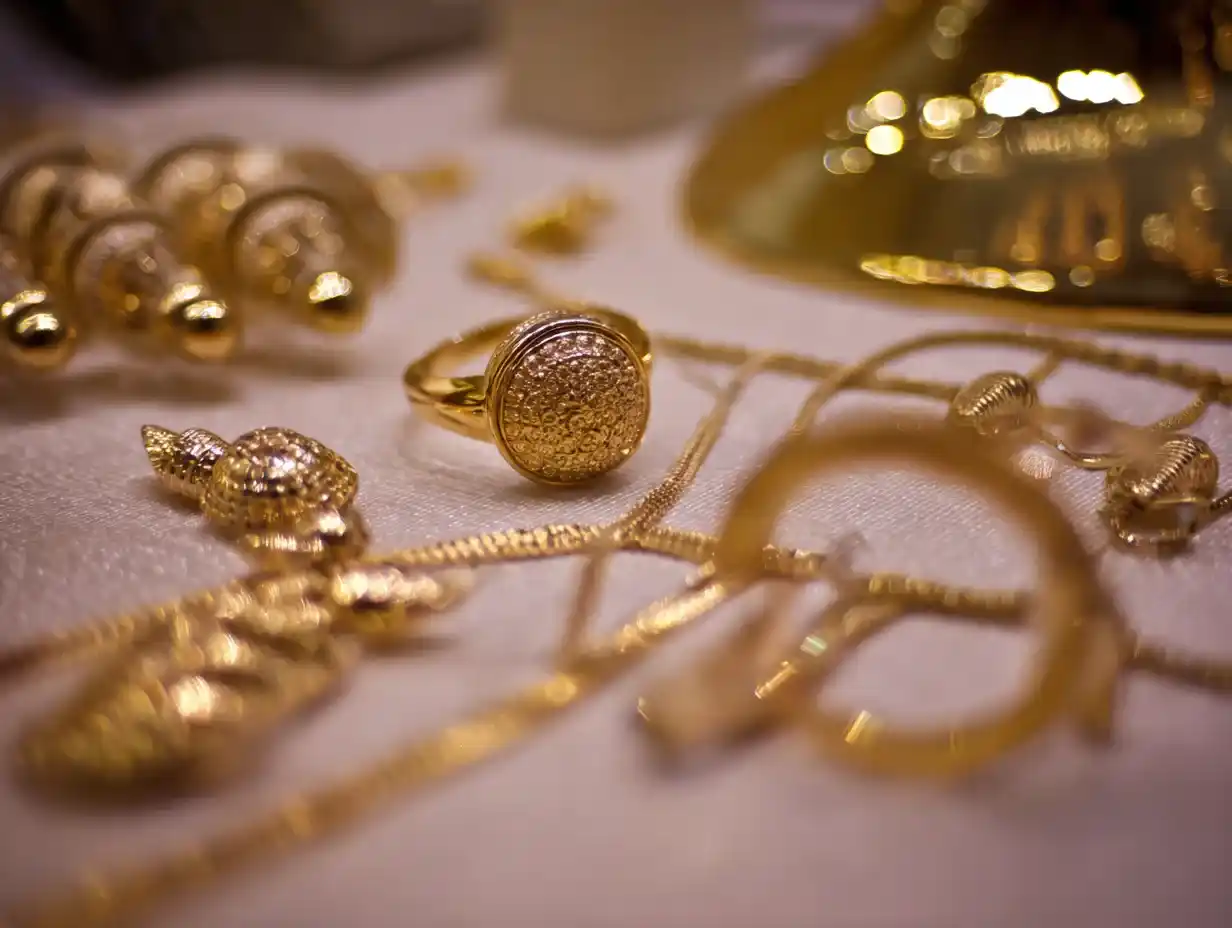
Gold jewelry has captivated humanity for thousands of years, symbolizing wealth, status, and timeless beauty across cultures and civilizations. From ancient Egyptian treasures to contemporary designer pieces, gold remains the most sought-after precious metal for creating jewelry that endures through generations while maintaining both aesthetic appeal and intrinsic value.
Gold’s unique properties make it ideal for jewelry creation: it doesn’t tarnish, resists corrosion, and possesses exceptional malleability that allows craftsmen to create intricate designs. Pure gold (24 karat) is too soft for most jewelry applications, so it’s alloyed with other metals to increase durability while maintaining beauty. Understanding gold purity, colors, and care requirements helps you make informed choices when selecting pieces for your collection.
Yellow gold represents the classic, traditional appearance of gold jewelry, closest to the metal’s natural color. Created by alloying pure gold with silver and copper, yellow gold offers warm, rich tones that complement most skin types and never go out of style. This timeless choice works beautifully for engagement rings, wedding bands, and heirloom pieces designed to last generations.
White gold achieves its silvery appearance through alloys with palladium, nickel, or zinc, often finished with rhodium plating for extra brilliance and durability. This contemporary alternative to platinum offers similar aesthetics at more accessible prices. White gold beautifully showcases diamonds and colored gemstones, making it popular for engagement rings and modern jewelry designs.
Rose gold’s romantic, pinkish hue comes from higher copper content in its alloy mixture. This increasingly popular option offers vintage charm with contemporary appeal, complementing a wide range of skin tones with flattering warmth. Rose gold jewelry makes distinctive statement pieces and pairs beautifully with other gold colors in mixed-metal designs.
Gold purity is measured in karats, indicating the proportion of pure gold in an alloy. 24k gold is pure but too soft for jewelry. 18k gold (75% pure) offers excellent color and quality while maintaining durability. 14k gold (58.3% pure) provides the best balance of durability, beauty, and value for everyday wear. 10k gold (41.7% pure) offers maximum durability at accessible price points.
Higher karat gold contains more pure gold, displays richer color, and costs more, but scratches more easily. Lower karat gold provides greater durability and affordability while still offering genuine gold beauty. Choose karat ratings based on your priorities: appearance, budget, and how you’ll wear the piece.
Gold jewelry requires regular maintenance to preserve its luster and beauty. Clean gold pieces regularly using warm water, mild dish soap, and a soft brush to remove oils and dirt. Avoid harsh chemicals and chlorine that can damage gold alloys. Store gold jewelry separately to prevent scratching, and remove pieces during activities that might cause damage.
Professional cleaning and inspection annually ensures your gold jewelry remains in optimal condition. Jewelers can check settings, repair minor damage, and restore shine through professional polishing. Rhodium-plated white gold may need re-plating every few years to maintain its brilliant appearance.
Gold jewelry serves dual purposes: personal adornment and investment. While fashion trends influence designs, gold’s intrinsic value provides financial security. When purchasing gold jewelry as investment, prioritize higher karat ratings, classic designs with lasting appeal, and pieces from reputable jewelers with proper certification. Well-maintained gold jewelry can appreciate over time while providing years of wearing pleasure.
Gold jewelry suits every occasion from casual daily wear to formal celebrations. Delicate gold chains and simple stud earrings work beautifully for everyday elegance. Statement gold pieces and diamond-accented designs elevate special occasions. Wedding jewelry traditionally features gold for its symbolism of lasting commitment and eternal love.
Consider your lifestyle when selecting gold jewelry. Active individuals might prefer 14k gold for its durability, while collectors of fine jewelry may choose 18k or higher for superior quality and color. Mix gold colors strategically to create contemporary, personalized looks that express your unique style.
Gold adapts to every design aesthetic, from minimalist modern pieces to elaborate vintage-inspired creations. Chain necklaces in various styles—from delicate to bold—remain eternally popular. Gold rings range from simple bands to complex designs with gemstone settings. Hoop earrings, bangles, and charm bracelets showcase gold’s versatility across jewelry types.
Explore our comprehensive guides below for detailed information on selecting, caring for, and styling gold jewelry. Whether you’re purchasing your first gold piece or expanding an established collection, you’ll find expert advice for making confident choices that bring lasting beauty and value.
What Does 14K Gf Mean On Jewelry When you see 14k Gf on a piece of jewelry, it means that the item is made of 14 karat gold and has a gold fill coating. Gold fill is a layer of …

What Does 10K D Mean On Jewelry 10K D is an indication of gold purity on jewelry. 10K means that the gold in the piece is 41.7% pure, meaning that the jewelry is made of 10 parts gold and 3.3 …