
Affiliate Disclosure: As an Amazon Associate I earn from qualifying purchases at no additional cost to you.
The Complete Professional Guide
Introduction: Why Your Gold Jewelry Blackens (And How to Fix It)
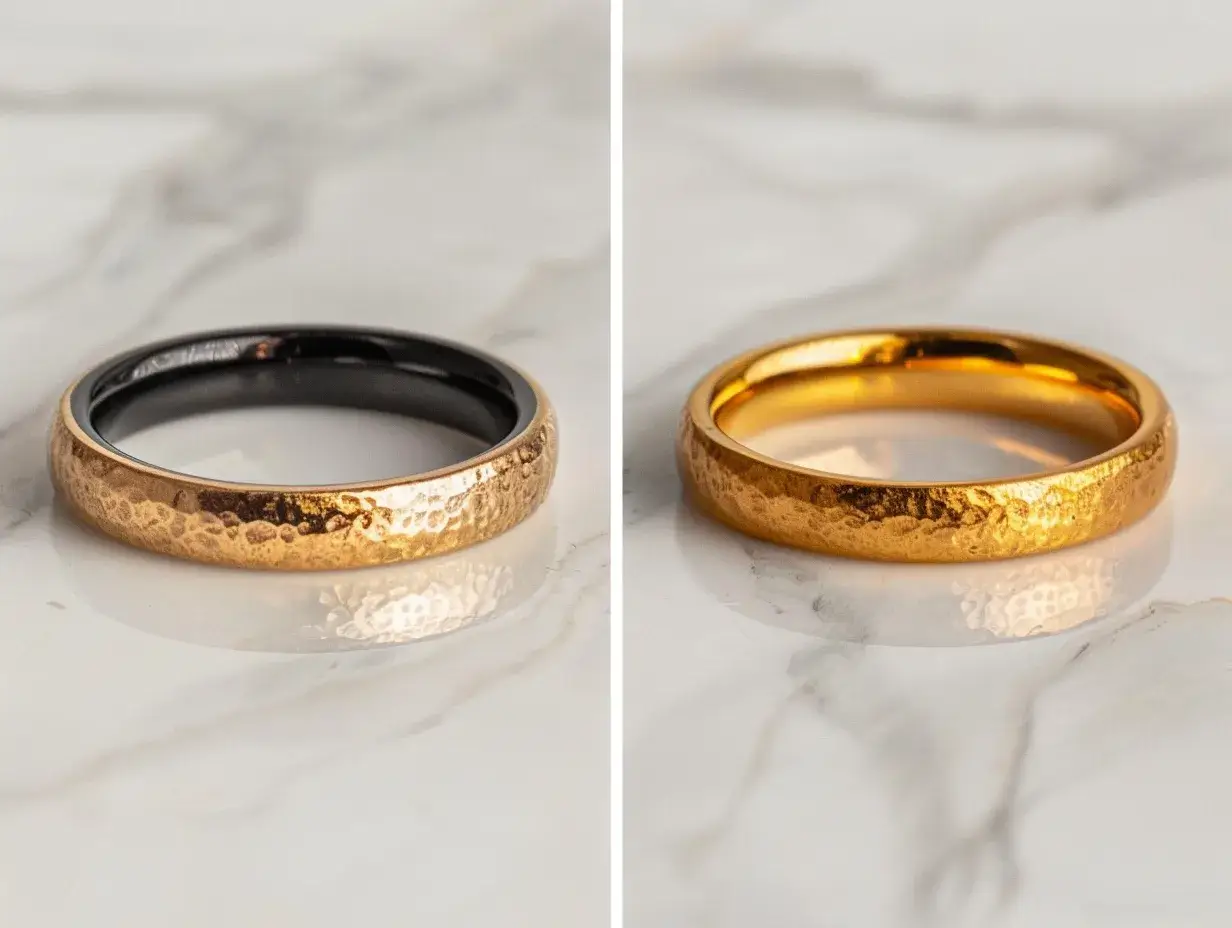
Discovering your favorite gold necklace, ring, or bracelet has developed an unsightly black coating triggers immediate concern. Questions flood your mind: Is it fake? Did I damage it? Is it ruined forever? The reassuring truth: blackened gold jewelry is a common, usually reversible problem with straightforward solutions.
Gold jewelry blackening results from predictable chemical reactions between alloy metals and environmental substances—not defective jewelry or improper care necessarily. Understanding why gold blackens, which types are most susceptible, and proven cleaning methods empowers you to restore jewelry’s brilliance and prevent future tarnishing.
This comprehensive guide explains the science behind gold tarnishing, provides step-by-step cleaning protocols for various blackening types, identifies when professional service is required, and offers prevention strategies that dramatically extend jewelry’s pristine appearance. Whether dealing with slight discoloration or severe black coating, you’ll find effective solutions here.
🌟 Professional Cleaning Solution
For comprehensive gold jewelry care, the CONNOISSEURS All-Purpose Jewelry Cleaning Kit provides professional results:
- ✓ 8oz delicate jewelry cleaner (safe for gold)
- ✓ Professional dip tray and soft-bristle brush
- ✓ Gold and silver polishing cloths included
- ✓ Ammonia-free formula protects gemstones
- ✓ Removes oils, cosmetics, and tarnish
Understanding Why Gold Jewelry Turns Black
The Science of Gold Tarnishing
Critical Fact: Pure 24K gold does NOT tarnish or turn black. Gold’s chemical inertness makes it virtually immune to oxidation and corrosion. However, pure gold’s extreme softness (Mohs hardness 2.5-3) renders it impractical for daily-wear jewelry—it scratches, dents, and deforms easily.
To create durable jewelry, goldsmiths alloy pure gold with harder metals. These alloy metals provide the strength gold needs but introduce tarnishing vulnerability.
Common Gold Alloys and Their Properties:
- Copper: Strengthens gold, creates warm yellow and rose tones. Most reactive alloy—oxidizes to form black copper oxide or green copper carbonate
- Silver: Lightens gold color, adds hardness. Tarnishes to black silver sulfide when exposed to sulfur
- Zinc: Improves malleability, whitens gold. Moderately reactive, forms zinc oxide
- Nickel: Hardens gold significantly, creates white gold. Highly reactive, causes allergies in many people
- Palladium: Premium white gold alloy, hypoallergenic. Least reactive but expensive
Primary Causes of Gold Blackening
1. Oxidation of Alloy Metals
When oxygen interacts with copper, silver, or other alloy metals in gold jewelry, chemical oxidation occurs. This forms metal oxides—dark compounds that coat the jewelry surface. Humid environments accelerate oxidation dramatically.
2. Sulfur Exposure (Sulfide Formation)
Sulfur compounds in air pollution, certain foods (eggs, onions), rubber products, and wool fabrics react with silver and copper in gold alloys to form metal sulfides. Silver sulfide appears black; copper sulfide creates dark brown-black coating. Even trace sulfur exposure causes gradual darkening.
3. Chlorine Damage
Chlorine aggressively attacks gold alloy metals. Sources include:
- Swimming pools and hot tubs
- Household bleach and cleaners
- Tap water (contains trace chlorine)
- Laundry detergents
Repeated chlorine exposure doesn’t just blacken gold—it makes metal brittle, causing structural failure (snapped chains, broken prongs).
4. Cosmetic and Personal Care Products
Lotions, perfumes, makeup, hairspray, and sunscreen contain chemicals that react with gold alloys. Zinc oxide (common sunscreen ingredient) particularly causes black marks. These products also create residue films trapping moisture against jewelry, facilitating tarnishing.
5. Body Chemistry (Sweat and Skin Oils)
Human sweat contains:
- Salt (sodium chloride – corrosive)
- Fatty acids (react with metals)
- Urea and lactate (acidic compounds)
Individual skin pH varies (typically 4.5-6.5). Lower pH (more acidic) accelerates gold alloy corrosion. Hormonal changes, diet, and medication affect skin chemistry, explaining why jewelry blackens faster on some people.
Why Lower-Karat Gold Tarnishes Faster
Karat System Explained:
- 24K: 99.9% pure gold – virtually no tarnishing but extremely soft
- 22K: 91.7% gold, 8.3% alloys – minimal tarnishing, relatively soft
- 18K: 75% gold, 25% alloys – good tarnish resistance, practical durability
- 14K: 58.3% gold, 41.7% alloys – moderate tarnish susceptibility, very durable
- 10K: 41.7% gold, 58.3% alloys – high tarnish risk, maximum durability
Lower-karat gold contains more reactive alloy metals, creating more surface area for oxidation and sulfide formation. 10K gold can blacken within weeks under adverse conditions; 18K gold might take years for similar tarnishing.
Identifying Your Gold Type and Blackening Cause
Determining Gold Purity
Check jewelry for karat stamps:
- “24K”, “999”, or “1.000” – Pure gold (rare in jewelry)
- “18K”, “750” – 18-karat gold (75% gold)
- “14K”, “585” – 14-karat gold (58.5% gold)
- “10K”, “417” – 10-karat gold (41.7% gold)
- “GP” or “GEP” – Gold plated (thin gold layer over base metal)
- “GF” – Gold filled (thicker gold layer, more durable than plating)
Assessing Blackening Severity
Mild Tarnish: Light dulling, slight discoloration, easily removable with gentle cleaning
Moderate Tarnish: Visible dark spots or patches, requires proper jewelry cleaner
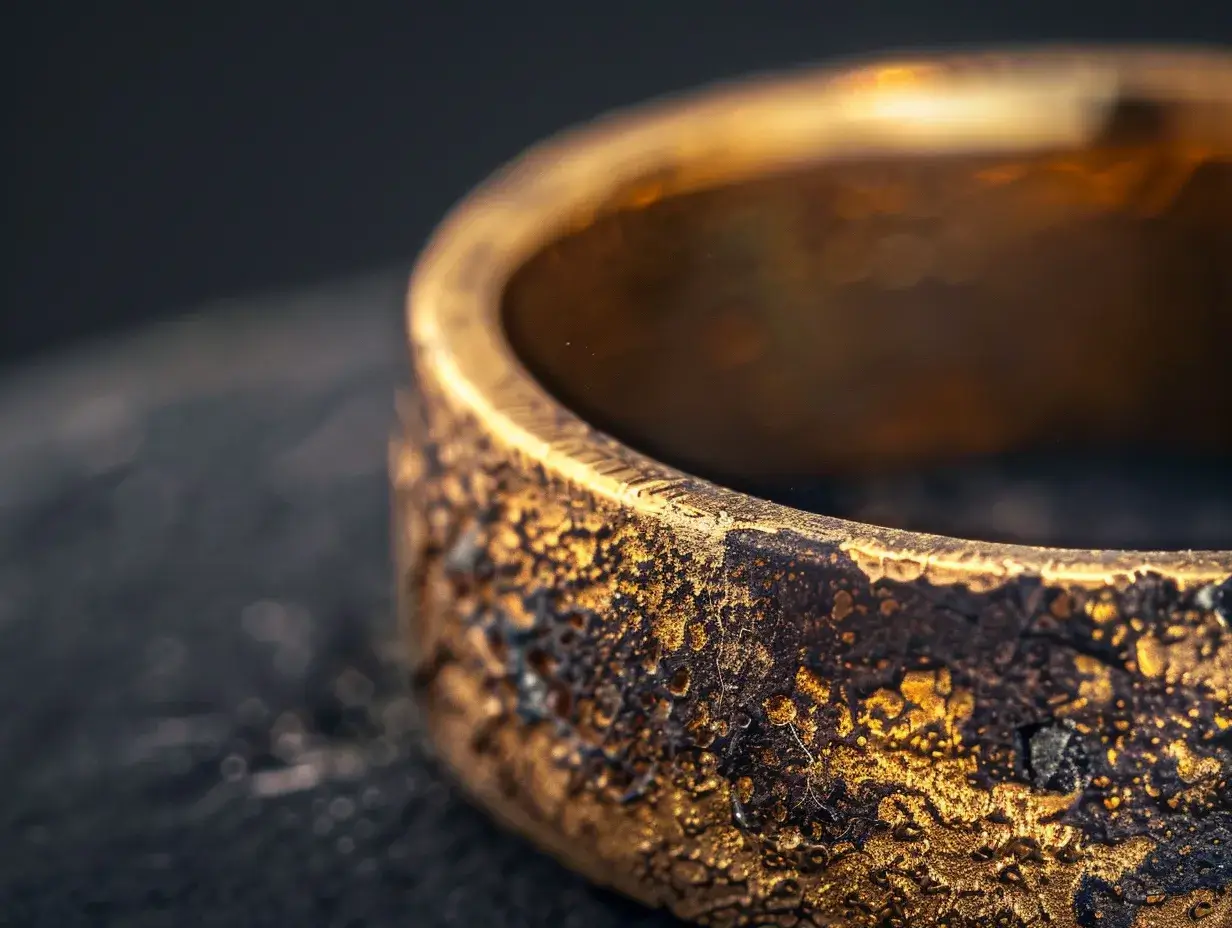
Severe Tarnish: Heavy black coating, may need professional cleaning or replating if plated jewelry
Complete Cleaning Methods by Blackening Type
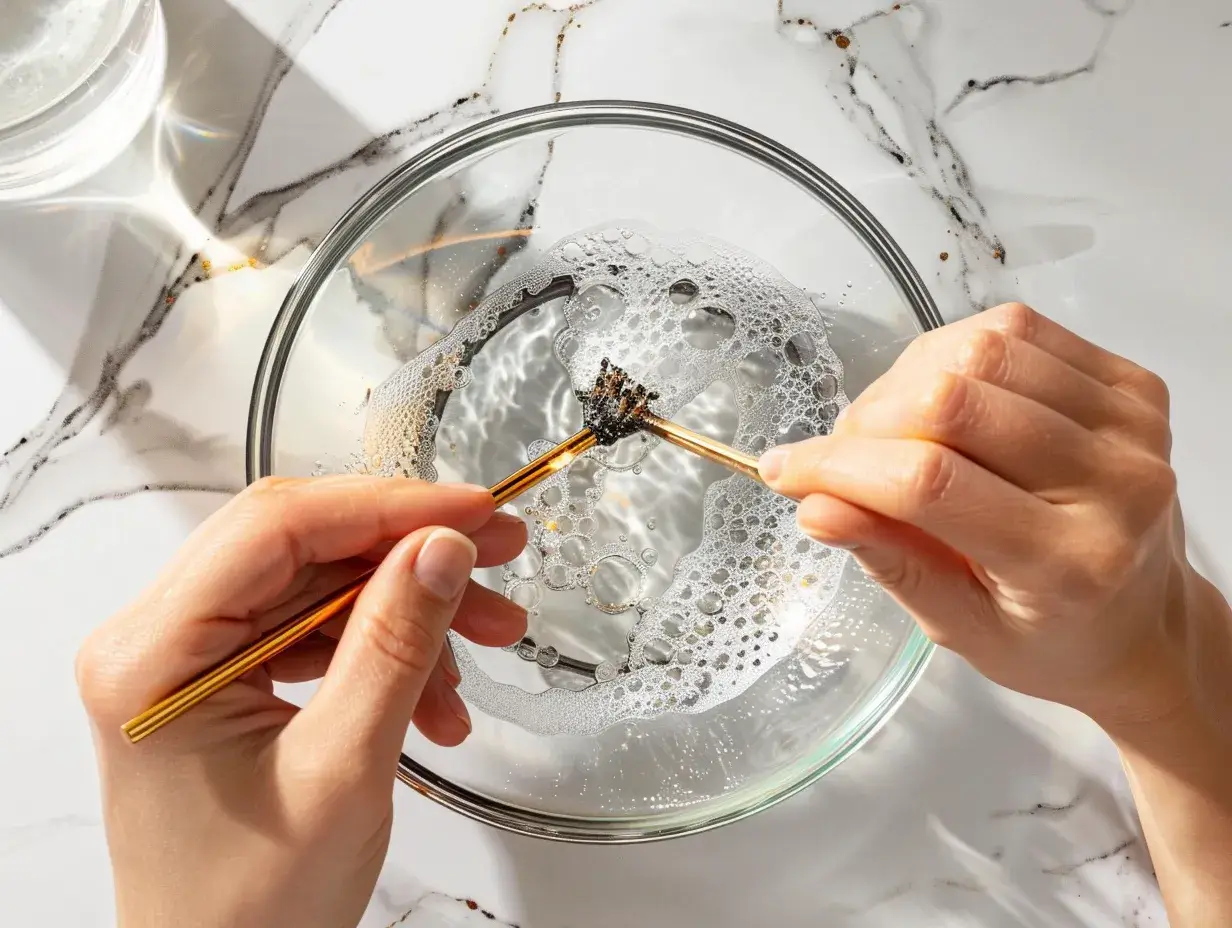
Method 1: Gentle Soap and Water (Mild Tarnish)
Best for: Regular maintenance, light surface dulling, preventive cleaning
Step-by-Step Protocol:
- Mix 2-3 drops mild dish soap in 1 cup lukewarm water (90-100°F)
- Place jewelry in solution, soak 10-15 minutes
- Gently agitate with soft-bristle brush (baby toothbrush works perfectly)
- Focus on crevices, chain links, behind stones
- Rinse thoroughly under lukewarm running water
- Pat dry with lint-free cloth, allow complete air drying
- Buff gently with polishing cloth for extra shine
✨ Professional Polish
LIFETIME JEWELRY Professional Polishing Cloth
- ✓ Two-in-one cleaning and buffing system
- ✓ Safe for gold and rhodium plated jewelry
- ✓ Dry method – no messy liquids
- ✓ Compact 5″x6″ travel size
Method 2: Baking Soda Paste (Moderate Tarnish)
Best for: Stubborn black spots, oxidation, metal sulfide removal
Materials Needed:
- Baking soda (pure sodium bicarbonate)
- Warm water
- Soft cloth or cotton swab
- Soft-bristle brush
Procedure:
- Create paste: 3 parts baking soda to 1 part water
- Apply paste to blackened areas with cloth or cotton swab
- Gently rub in circular motions – minimal pressure
- Let sit 2-3 minutes for stubborn tarnish
- Rinse thoroughly with warm water
- Dry completely and buff with clean cloth
CAUTION: Baking soda is mildly abrasive. Use sparingly on gold-plated jewelry (can wear through thin plating). Never scrub aggressively.
Method 3: Professional Jewelry Cleaner (Heavy Tarnish)
Best for: Severe blackening, multiple pieces, regular maintenance
Commercial jewelry cleaners formulated specifically for gold provide superior results without damage risks of improvised methods.
Application:
- Follow product instructions precisely
- Typical process: submerge jewelry in solution 1-3 minutes
- Agitate gently with provided brush
- Rinse thoroughly under running water
- Dry completely
Method 4: Ultrasonic Cleaning (Professional Results at Home)
🔬 Professional-Grade Cleaning
KUNPHY Ultrasonic Jewelry Cleaner
- ✓ 46KHz high-frequency ultrasonic waves
- ✓ 360° deep cleaning reaches all crevices
- ✓ 12oz capacity fits rings, necklaces, earrings
- ✓ One-touch operation with 3-minute timer
- ✓ Safe for gold with hard gemstones
- ✓ Low noise operation (below 45dB)
How ultrasonic works: Microscopic bubbles collapse against jewelry surface, dislodging tarnish and dirt from intricate areas unreachable by brushing.
Ultrasonic Cleaning Protocol:
- Fill tank with warm water and jewelry cleaning solution
- Place jewelry in basket (ensure pieces don’t touch)
- Run 3-minute cycle
- Inspect results – repeat if necessary
- Rinse thoroughly, dry completely
IMPORTANT: Never ultrasonic clean:
- Soft gemstones (pearls, opals, emeralds, turquoise)
- Glued components
- Loose stone settings
- Very thin gold plating
Special Considerations for Different Gold Types
Yellow Gold
Most straightforward to clean. Responds well to all methods listed. Copper content in lower-karat yellow gold causes most blackening—focus cleaning on darkened areas.
White Gold
Often rhodium-plated for bright white appearance. Black marks may indicate rhodium wear, exposing yellow-white gold alloy beneath. Gentle cleaning only—aggressive methods strip rhodium faster. Professional rhodium replating restores original appearance when plating wears thin.
Rose Gold
High copper content (22-25% in 18K rose gold) makes it most tarnish-prone. Develops characteristic darkening called “patina” some people appreciate. Regular gentle cleaning prevents heavy oxidation. Avoid harsh chemicals that accelerate copper reactions.
Gold-Plated Jewelry
CRITICAL: Gold plating is microscopically thin (0.175-2.5 microns). Aggressive cleaning wears through plating completely.
Safe cleaning for gold plate:
- Mild soap and water only
- Very soft cloth
- No abrasives whatsoever
- No extended soaking
- Pat dry immediately after rinsing
When black coating appears on gold-plated jewelry, it often indicates base metal exposure through worn plating. Professional replating may be only solution.
What NOT to Use on Blackened Gold
Dangerous “Cleaning Hacks” to Avoid
1. Toothpaste (Never!)
Despite viral social media claims, toothpaste ruins gold jewelry. Abrasives scratch soft gold irreparably. Fluoride and other chemicals can discolor certain alloys. Use proper jewelry cleaners instead.
2. Vinegar or Lemon Juice (Risky)
Acids dissolve metal oxides effectively but also attack gold alloys, particularly copper. Brief exposure (30 seconds) might work for severe tarnish, but extended soaking causes permanent damage. Professional cleaners safer.
3. Harsh Chemical Cleaners
Bleach, ammonia, drain cleaners—all catastrophically damage gold jewelry. These chemicals corrode alloy metals, weaken structural integrity, and can dissolve gold alloys entirely with prolonged exposure.
4. Abrasive Materials
Steel wool, scouring pads, rough cloths—create deep scratches removing gold along with tarnish. Once scratched, gold requires professional polishing to restore smooth surface.
When to Seek Professional Jewelry Cleaning
Indicators Professional Service Required
- Home methods fail: Tarnish persists after proper cleaning attempts
- Severe corrosion: Pitting, flaking, or structural damage visible
- Valuable pieces: Heirloom, expensive, or sentimental jewelry warrants expert care
- Complex designs: Intricate filigree, multiple gemstone settings difficult to clean thoroughly at home
- Uncertain composition: Unknown karat, suspect fake gold, mixed metals
- Replating needed: Gold-plated jewelry with worn-through plating
What Professional Jewelers Do
Professional cleaning includes:
- Inspection: Assess damage, identify metal type, check stone security
- Steam cleaning: High-pressure steam removes deep-seated grime
- Ultrasonic cleaning: Industrial-grade equipment, professional solutions
- Polishing: Removes scratches, restores original luster
- Replating: Applies fresh rhodium to white gold or gold plating to worn pieces
Typical costs: $15-40 for basic cleaning, $50-150 for replating services
Preventing Future Blackening
Daily Wear Practices
“Last On, First Off” Rule:
Apply all cosmetics, perfumes, lotions, hairspray BEFORE wearing gold jewelry. Remove jewelry FIRST when undressing. This minimizes chemical exposure.
Activities Requiring Jewelry Removal:
- Swimming (pools, hot tubs, ocean)
- Showering and bathing
- Exercise and sports
- Sleeping
- Household cleaning
- Gardening
- Cooking (especially with acidic foods)
- Applying cosmetics
Proper Storage
Optimal Storage Conditions:
- Individual compartments: Prevent scratching from pieces touching
- Anti-tarnish strips: Absorb airborne sulfur compounds
- Lined jewelry boxes: Fabric lining prevents metal-to-metal contact
- Low humidity: Store in climate-controlled environment (40-60% humidity)
- Avoid bathrooms: Humidity fluctuations accelerate tarnishing
- Ziplock bags: For long-term storage, seal with anti-tarnish strip
Protective Coatings
🛡️ Prevent Future Tarnishing
Option 1: Eternal Jewelry Coating
- ✓ Nano-ceramic molecular bonding
- ✓ Invisible protective barrier
- ✓ Prevents tarnish and oxidation
- ✓ Easy application: brush, wait, polish
Option 2: ProtectaClear Metal Coating
- ✓ Professional jeweler-grade coating
- ✓ Maximum durability for high-wear items
- ✓ Food-safe and skin-safe after curing
Regular Maintenance Schedule
Daily-Wear Jewelry:
- Quick wipe with soft cloth after each wear
- Weekly gentle soap cleaning
- Monthly deep cleaning with jewelry cleaner
- Quarterly professional inspection
Occasional-Wear Jewelry:
- Clean before storage after wearing
- Bi-annual gentle cleaning
- Annual professional cleaning
Frequently Asked Questions
Why is my gold jewelry turning black?
Gold jewelry turns black due to chemical reactions between alloy metals (copper, silver, zinc, nickel) and environmental substances. Pure 24K gold doesn’t tarnish, but most jewelry contains 25-58% alloy metals for durability. These react with sulfur compounds in air, chlorine, sweat, cosmetics, and perfumes to form metal sulfides and oxides – the black coating you see. Lower-karat gold (10K-14K) contains more reactive alloys and blackens faster. Body chemistry, humidity, and chemical exposure accelerate the process.
Can I use toothpaste to clean blackened gold jewelry?
Never use toothpaste on gold jewelry. Despite viral claims, toothpaste contains abrasives (calcium carbonate, silica, hydrated silica) designed for dental enamel that permanently scratch gold’s soft surface. These microscopic scratches accumulate with repeated use, dulling jewelry and wearing away gold plating on plated pieces. Toothpaste can also discolor certain gold alloys. Use proper jewelry cleaning solutions or mild dish soap instead. Safe alternatives include warm soapy water, professional jewelry cleaners, or ultrasonic cleaning with appropriate solutions.
Is the black tarnish on gold jewelry harmful to my skin?
The black tarnish itself (metal oxides and sulfides) is generally not harmful – it’s chemically stable on skin. However, black marks it leaves indicate metal migration that can signal potential issues. If gold jewelry causes skin irritation, redness, or allergic reactions beyond simple discoloration, this suggests nickel allergy (common in white gold and lower-karat pieces containing nickel). The black residue on skin from jewelry isn’t toxic but indicates oxidation. If experiencing skin reactions, switch to higher-karat gold (18K-24K with less nickel), hypoallergenic metals like palladium-based white gold, or apply protective coating to create barrier between metal and skin.
How often should I clean gold jewelry to prevent blackening?
Cleaning frequency depends on wear patterns and exposure. Daily-wear gold jewelry (rings, chains) benefits from weekly gentle cleaning with mild soap to remove skin oils and cosmetics before they cause tarnishing. Deep cleaning with professional jewelry cleaner should occur monthly for frequently worn pieces. Occasional-wear pieces need cleaning every 2-3 months or when visible tarnish appears. After swimming, exercise, or chemical exposure (household cleaners, perfumes, lotions), clean jewelry immediately – don’t wait. Regular preventive cleaning prevents heavy tarnish buildup that requires aggressive methods potentially damaging jewelry. Quick daily wipes with soft cloth after wearing significantly extends time between deep cleanings.
Will professional cleaning restore permanently blackened gold?
It depends on damage type. Surface tarnish (metal oxides and sulfides) responds excellently to professional cleaning – jewelers use industrial ultrasonic cleaners, high-pressure steam cleaning, and professional-grade polishing compounds that remove black coating and restore original brilliant shine. Most blackening from normal wear and environmental exposure is completely reversible. However, if base metal has deeply corroded beneath thin gold plating, or if gold plating has worn away completely exposing blackened base metal underneath, professional replating is required rather than just cleaning. Deep corrosion pitting in alloy metals may require metal refinishing or reconstruction. Professional jewelers can assess whether simple cleaning suffices or replating/repair is needed. Approximately 85-90% of blackened gold jewelry is fully restorable through proper cleaning.
Conclusion
Blackened gold jewelry, while alarming when discovered, represents a common, usually reversible problem with straightforward solutions. Understanding that pure gold doesn’t tarnish—only the alloy metals in practical jewelry do—removes anxiety about permanently damaged pieces. The black coating results from predictable chemical reactions between copper, silver, and other alloys with environmental substances: sulfur, chlorine, cosmetics, and body chemistry.
Successful restoration requires matching cleaning method to tarnishing severity and gold type. Mild tarnish responds to gentle soap and water; moderate blackening requires baking soda paste or professional cleaners; severe tarnish benefits from ultrasonic cleaning or professional jeweler services. Gold-plated jewelry demands extra caution—aggressive cleaning wears through microscopically thin plating irreparably.
Prevention through proper wearing habits and storage practices dramatically extends gold jewelry’s pristine appearance. Remove jewelry before chemical exposure, store in low-humidity environment with anti-tarnish protection, and maintain regular gentle cleaning schedule. Protective sealant coatings provide additional tarnish resistance for high-wear pieces.
Your gold jewelry’s blackening tells a story of chemical interaction, not quality deficiency. Armed with proper knowledge and cleaning techniques, you can restore tarnished treasures to original brilliance and implement practices preventing future discoloration. Whether cleaning beloved heirloom pieces or daily-wear favorites, the methods outlined here ensure your gold jewelry maintains its beautiful appearance for generations.
Last Updated: December 2024 | This article contains affiliate links. As an Amazon Associate, I earn from qualifying purchases at no additional cost to you.

Hi, I’m Sara Hein, a passionate jewelry researcher and educator. I created Jewelry Carats to share well-researched insights on gemstones, precious metals, and jewelry care. My goal is making expert jewelry knowledge accessible to everyone.