
Affiliate Disclosure: As an Amazon Associate I earn from qualifying purchases at no additional cost to you.
Complete Professional Guide
Introduction: Why 14K Gold Requires Specific Care
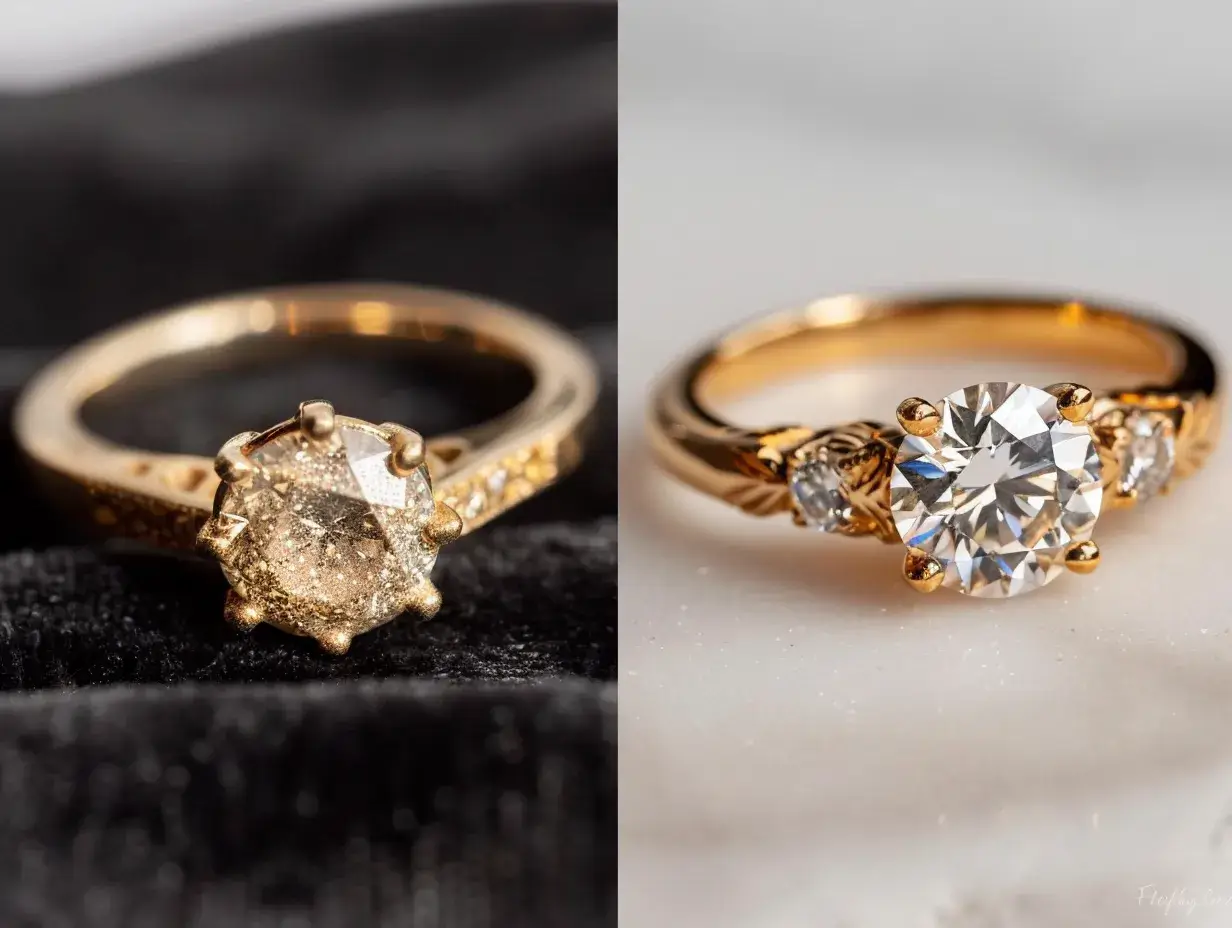
14K gold jewelry represents the perfect balance between beauty, durability, and affordability – making it the most popular gold choice for everyday wear including wedding rings, engagement rings, chains, and bracelets. However, this widespread daily use means 14K gold jewelry accumulates body oils, lotions, cosmetics, dirt, and environmental grime faster than occasional-wear pieces, gradually dulling the beautiful luster that makes gold so appealing.
Unlike pure 24K gold which never tarnishes, 14K gold contains 58.3% pure gold mixed with 41.7% alloy metals (copper, silver, zinc, nickel) added for strength and durability. While these alloys make 14K gold practical for daily wear, they also make it slightly more susceptible to tarnishing and require specific cleaning approaches avoiding damage to both the gold and its metal components. Additionally, many 14K gold pieces feature gemstone settings requiring extra care preventing stone damage or loosening during cleaning.
The good news: proper home cleaning of 14K gold is simple, safe, and highly effective using basic household items and proven techniques. Regular maintenance not only restores brilliant shine but also provides opportunity to inspect jewelry for loose stones, worn prongs, or damage requiring professional attention. This comprehensive guide reveals professional jeweler-approved methods for cleaning 14K gold safely at home, identifies what products and techniques to avoid preventing permanent damage, provides specific care instructions for different gold colors and gemstone types, and establishes maintenance schedules keeping your jewelry perpetually beautiful.
Whether caring for precious wedding bands worn daily, special occasion pieces deserving pristine presentation, or inherited heirlooms requiring gentle preservation, understanding proper 14K gold care ensures your jewelry maintains its value, beauty, and sentimental significance for generations.
Understanding 14K Gold Composition
What Makes 14K Gold Different
Gold Purity Explained:
The “14K” designation means 14 parts pure gold out of 24 parts total, equal to 58.3% pure gold. The remaining 41.7% consists of alloy metals creating stronger, more durable jewelry suitable for daily wear.
Common 14K Gold Alloy Combinations:
- Yellow Gold: Gold + copper + silver (traditional warm yellow appearance)
- White Gold: Gold + nickel or palladium + zinc (silvery-white finish, usually rhodium-plated)
- Rose Gold: Gold + high copper content + silver (pinkish-red romantic hue)
Why Alloys Affect Cleaning Needs
Pure gold (24K) advantages: Never tarnishes, chemically inert, immune to most chemicals
14K gold considerations:
- Copper component can tarnish slightly creating dullness
- Silver content may develop slight tarnish over time
- Nickel (in white gold) can cause allergic reactions in sensitive individuals
- Alloy metals react with chlorine, harsh chemicals, and certain cosmetics
- Rhodium plating on white gold wears thin requiring re-plating every 1-3 years
Cleaning Implications:
14K gold requires gentler cleaning than stainless steel or platinum but tolerates more aggressive methods than gold-plated jewelry. The key is removing surface contamination without affecting alloy metals or wearing through any plating.
Method 1: Dish Soap and Warm Water (Best for Regular Cleaning)
Why This Method Works
Professional Jeweler Standard:
The Gemological Institute of America (GIA) and professional jewelers worldwide recommend mild dish soap and warm water as the safest, most effective routine cleaning method for 14K gold. This gentle approach effectively cuts through oils and grime without harsh chemicals risking damage to gold or gemstones.
Science Behind the Method:
Dish soap contains surfactants designed to break down grease and oils – exactly what accumulates on jewelry from skin contact, lotions, and cosmetics. Warm water enhances cleaning effectiveness by loosening debris while being safe for metal and most gemstones.
Step-by-Step Cleaning Process
Materials Needed:
🧼 Essential Home Cleaning Supplies
1. Dawn Ultra Original Dish Soap
- ✓ Professional jeweler recommended
- ✓ Gentle formula safe for precious metals
- ✓ Cuts through oils and grime effectively
- ✓ Won’t damage gemstones
- ✓ Clear formula – no dyes
Additional Supplies (have on hand):
- Small glass or ceramic bowl
- Soft-bristle toothbrush (designated for jewelry only)
- Lint-free microfiber cloths
- Warm tap water
Detailed Instructions:
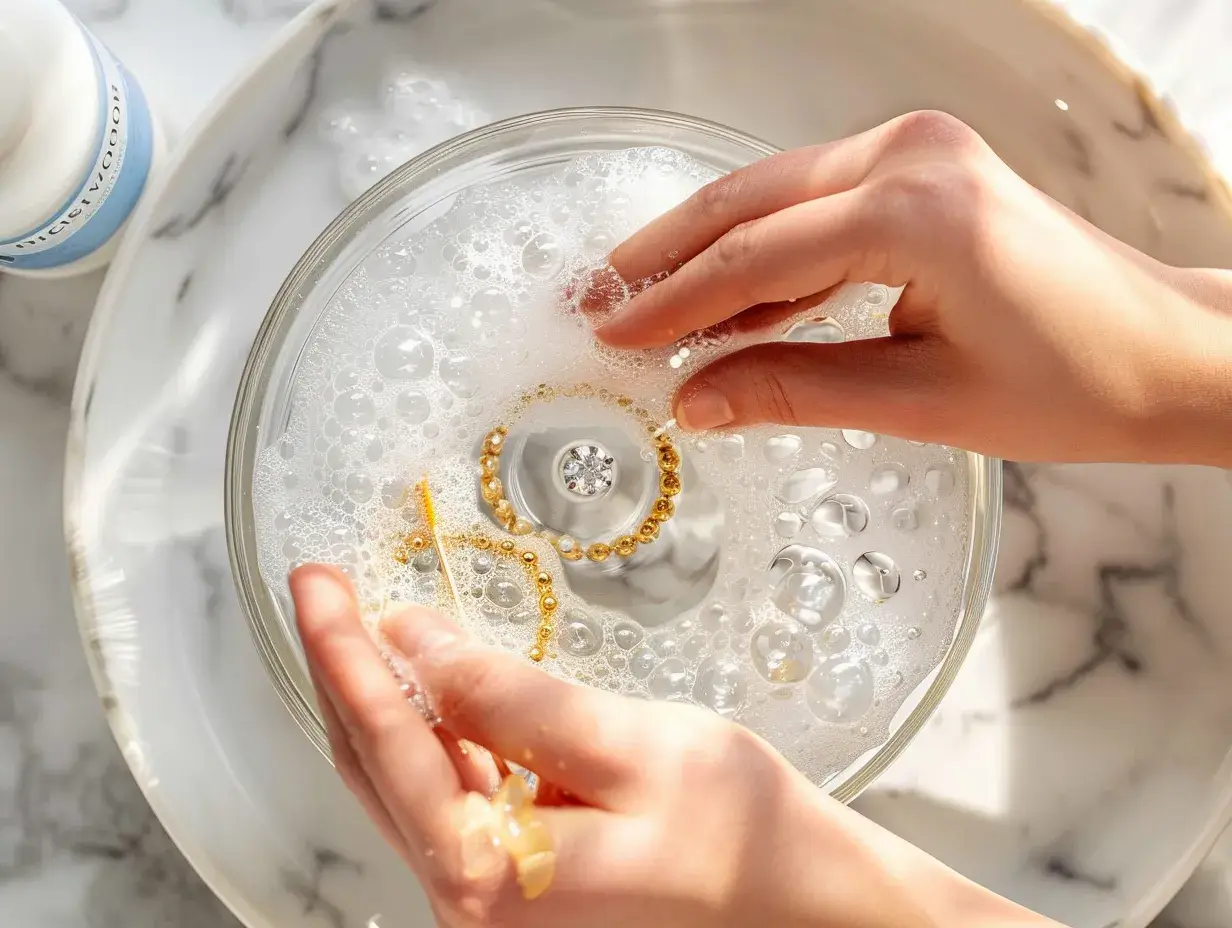
- Prepare cleaning solution:
- Fill small bowl with warm water (comfortable to touch, NOT hot)
- Add 2-3 drops mild dish soap
- Gently mix creating light suds
- Alternative: Use sodium-free seltzer water for extra cleaning power (carbonation loosens debris)
- Soak jewelry:
- Place 14K gold pieces in solution
- Soak 15-20 minutes for regular cleaning
- Extend to 30 minutes for heavily soiled pieces
- Important: Place bowl in safe location where it won’t be disturbed or accidentally emptied
- Gentle scrubbing:
- Remove one piece at a time from solution
- Use soft-bristle toothbrush with gentle circular motions
- Pay special attention to:
- Crevices and detailed designs
- Around and under gemstone settings
- Chain links and clasps
- Engraved areas
- Ring band interior
- Never use force – gentle pressure sufficient
- Thorough rinsing:
- Rinse under warm running water (NOT over open drain – use strainer or close drain)
- Ensure ALL soap removed (soap residue attracts dirt)
- Continue rinsing until water runs completely clear
- Complete drying:
- Pat jewelry dry with lint-free microfiber cloth
- Gently absorb moisture from all surfaces
- Allow to air dry additional 10-15 minutes
- Never wear jewelry until completely dry
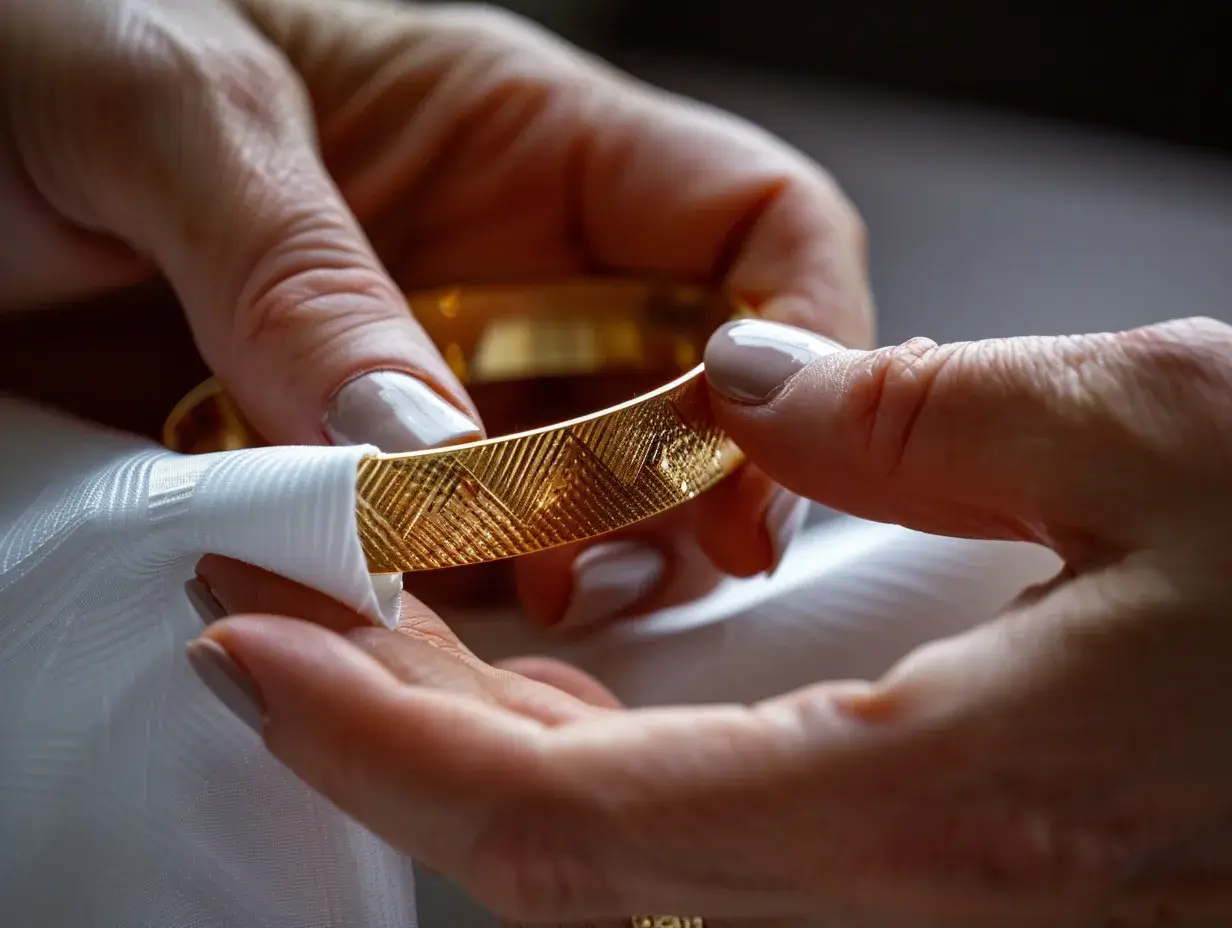
- Final polish:
- Use jewelry polishing cloth buffing entire piece
- Circular motions with light pressure
- Restores brilliant shine
Frequency: Weekly for daily-wear pieces, after each wearing for occasional jewelry.
Safe For: All 14K gold types, diamonds, sapphires, rubies, hard gemstones.
Caution For: Pearls, opals, emeralds (use even gentler approach – see gemstone section).
Method 2: Commercial Gold Cleaning Solutions
When to Use Professional Cleaners
Commercial cleaners offer advantages:
- Faster cleaning action than dish soap
- Formulated specifically for gold and gemstones
- Include anti-tarnish agents providing lasting protection
- More effective on heavy buildup
- Often include specialized tools (brushes, dipping baskets)
🏆 Top Professional Gold Cleaning Products
1. CONNOISSEURS All-Purpose Jewelry Cleaning Kit
- ✓ #1 Best Seller in jewelry care
- ✓ Complete kit: solution + 2 polishing cloths
- ✓ Works in 30 seconds
- ✓ Safe for 14K gold, diamonds, gemstones
- ✓ Includes dip tray and soft-bristle brush
- ✓ Professional jeweler quality
2. Blitz Gem & Jewelry Cleaner Concentrate (8oz)
- ✓ Concentrated formula – 8x uses per bottle
- ✓ Since 1912 – trusted heritage
- ✓ Non-toxic, biodegradable
- ✓ Safe for 14K gold and precious stones
- ✓ Made in USA
- ✓ Works instantly
3. CONNOISSEURS Diamond Dazzle Stik (Travel Pen)
- ✓ Portable pen – perfect for on-the-go
- ✓ Brush tip reaches intricate settings
- ✓ Advanced polymer formula
- ✓ Reduces appearance of fine scratches
- ✓ Ideal for engagement/wedding rings
- ✓ 36,000+ Amazon reviews
How to Use Commercial Gold Cleaners
General Instructions (always follow product-specific directions):
- Read product label carefully noting any gemstone warnings
- Typical dip method: Submerge jewelry 10-30 seconds in solution
- Use provided brush cleaning detailed areas
- Rinse thoroughly under warm water
- Dry completely with soft cloth
- Buff with polishing cloth for maximum shine
Safety Notes:
- Never use silver cleaners on gold (different formulation)
- Avoid cleaners containing harsh ammonia if jewelry has gemstones
- Test on inconspicuous area first if using new product
- Never soak gold-plated jewelry (use quick dip only)
Method 3: Ultrasonic Cleaning
How Ultrasonic Cleaners Work
Technology:
Ultrasonic cleaners generate high-frequency sound waves (typically 40-50 kHz) creating microscopic bubbles in cleaning solution. These bubbles collapse against jewelry surfaces producing gentle scrubbing action reaching every crevice impossible to clean manually – perfect for intricate 14K gold designs.
🔬 Professional Ultrasonic Cleaning
1. KUNPHY Professional Ultrasonic Cleaner (12oz)
- ✓ 46KHz high-frequency cleaning
- ✓ 360° coverage reaching all areas
- ✓ One-touch operation
- ✓ 3-minute auto cycle
- ✓ Safe for 14K gold with diamonds
- ✓ Quiet operation under 45dB
2. KUNPHY Ultrasonic Cleaning Solution (8.5oz)
- ✓ Formulated for gold and precious metals
- ✓ Safe for diamonds and hard gemstones
- ✓ Enhances ultrasonic effectiveness
- ✓ Concentrated formula
Safety Guidelines for Ultrasonic Use
SAFE for ultrasonic cleaning:
- 14K gold (yellow, white, rose) in good condition
- Diamonds in secure settings
- Sapphires and rubies in tight settings
- Well-maintained modern jewelry
AVOID ultrasonic cleaning if:
- Jewelry contains pearls, opals, emeralds, turquoise, or coral
- Any stones loose or damaged
- Prongs worn or bent
- Antique jewelry with delicate construction
- Heavily worn pieces with structural weakness
- Jewelry with glued components
Pre-Cleaning Inspection:
- Examine jewelry carefully under good lighting
- Check each stone gently with fingernail – should not move
- Inspect prongs ensuring all secure and straight
- Shake jewelry near ear listening for rattling (indicates loose stones)
- If ANY concern: skip ultrasonic, use manual cleaning instead
Ultrasonic Cleaning Process:
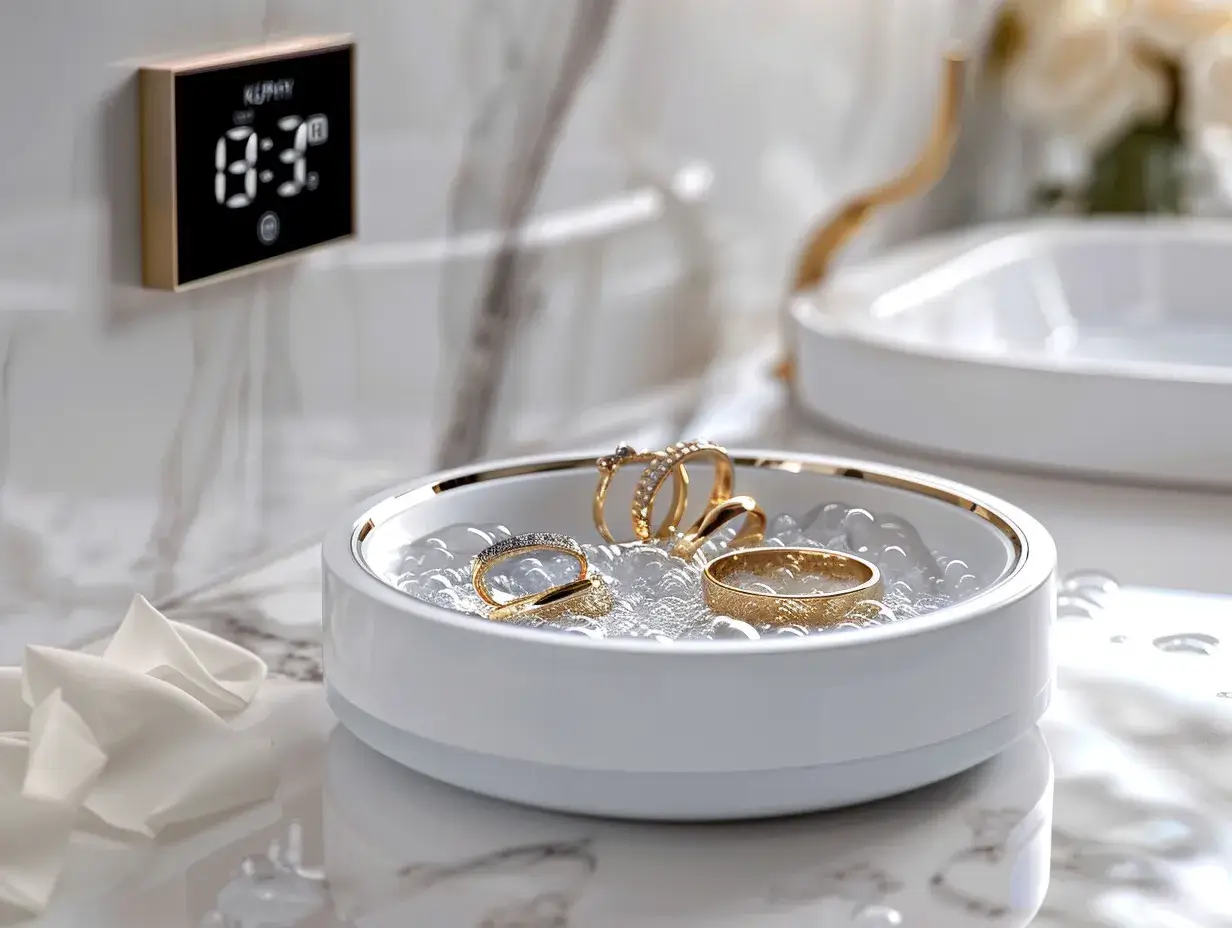
- Fill ultrasonic cleaner with appropriate solution (or water + dish soap)
- Place jewelry in basket (don’t overcrowd – 2-3 pieces maximum)
- Run 3-5 minute cycle (longer unnecessary, may loosen settings)
- Remove jewelry and inspect immediately
- Rinse thoroughly under warm water
- Dry completely
Frequency: Monthly for detailed pieces with secure settings, or when manual cleaning insufficient.
Specific Care for Different 14K Gold Types
Yellow Gold Care
Characteristics: Traditional gold appearance, warm yellow color, most forgiving 14K gold type.
Cleaning Approach:
- All standard methods safe (soap, commercial cleaners, ultrasonic)
- Copper content may cause slight dulling over time – regular cleaning prevents
- Polish frequently maintaining warm glow
- Avoid chlorine and harsh chemicals affecting copper alloys
White Gold Special Considerations
Rhodium Plating Factor:
Most white gold features thin rhodium plating creating brilliant white finish. This plating wears through with time and use (typically 1-3 years), revealing yellowish-white gold underneath.
Gentle Care Essential:
- Clean more frequently (shows dirt/oils more visibly than yellow gold)
- Use mildest methods avoiding excessive scrubbing wearing through plating
- Soap and water preferred over harsh commercial cleaners
- Limit ultrasonic cleaning frequency
- Avoid abrasive polishing cloths
- Professional re-plating every 1-3 years maintaining white appearance ($50-100 typically)
Rose Gold Maintenance
Copper Content Considerations:
Rose gold’s beautiful pink hue comes from high copper alloy content. Copper can develop slight patina (darkening) over time.
Care Approach:
- Standard cleaning methods safe and effective
- If patina develops: Commercial gold cleaner restores original color
- Some wearers appreciate natural patina creating vintage aesthetic
- Avoid harsh chemicals affecting copper component
- Regular cleaning prevents heavy tarnish buildup
Gemstone-Specific Cleaning Guidelines
Safe for Standard Cleaning Methods
Hard, Durable Stones:
- Diamonds: Hardest natural material – safe for all methods including ultrasonic, steam, commercial cleaners. Clean frequently maintaining maximum brilliance
- Sapphires: Very hard (9 Mohs scale) – all cleaning methods safe
- Rubies: Corundum like sapphires – very durable, all methods appropriate
- Topaz: Hard and chemically resistant – standard cleaning safe
Require Gentle Approach
Pearls (Most Delicate):
- NEVER ultrasonic clean – vibrations damage nacre layers
- NO commercial cleaners – chemicals destroy organic material
- Clean with barely damp soft cloth ONLY
- Wipe after each wearing removing oils
- Store separately from other jewelry
- Professional cleaning recommended for valuable pearls
Opals:
- High water content makes them fragile
- Avoid ultrasonic (can crack opals)
- Never soak in water or cleaning solutions
- Damp cloth only for cleaning
- Store in slightly humid environment preventing drying/cracking
Emeralds:
- Often oil-filled treatment requiring gentle care
- Avoid ultrasonic (damages filling, cracks inclusions)
- Brief soap and water acceptable but minimal exposure
- Never harsh chemicals or ammonia
- Professional cleaning safest
What NOT to Do: Avoiding Damage
Harmful Cleaning Methods
NEVER Use These on 14K Gold:
- Toothpaste: Contains abrasives scratching gold surface permanently. Whitening formulas even worse. Causes cumulative damage destroying finish over time.
- Baking Soda Paste: Too abrasive for soft 14K gold. While recommended by some sources, professional jewelers warn against it. Microscopic scratching dulls finish.
- Chlorine Bleach: Permanently damages and discolors 14K gold alloys. Weakens metal structure. Can cause jewelry to literally pit and deteriorate. Never wear gold in chlorinated pools/hot tubs.
- Harsh Ammonia Solutions: Pure ammonia too strong for most 14K gold jewelry. If using ammonia: dilute heavily (1 part ammonia to 6 parts water), use only on plain gold without gemstones, limit exposure to 1-2 minutes maximum.
- Boiling Water: Extreme temperature can loosen stone settings through thermal expansion. Some gemstones crack from thermal shock.
- Vinegar or Lemon Juice: Acidic nature can affect 14K gold alloys over time, especially copper content. Not recommended for regular cleaning despite some online suggestions.
Dangerous Practices
- Cleaning over open drain: Jewelry loss risk. Always close drain or use strainer/bowl
- Using hard-bristle brushes: Scratches gold surface and can bend prongs
- Excessive force scrubbing: Damages settings, scratches metal, loosens stones
- Air-drying only: Leaves water spots. Pat dry first, then air dry
- Wearing during chemical exposure: Swimming, cleaning house, applying perfumes/lotions while wearing jewelry accelerates deterioration
Polishing and Shine Restoration
✨ Professional Polishing Products
1. CONNOISSEURS Premium Gold Polishing Cloth (14×14″)
- ✓ Extra-large 14″x14″ size
- ✓ Ultra-soft fabric won’t scratch
- ✓ Anti-tarnish formula
- ✓ Two-sided: cleaning + buffing
- ✓ Reusable hundreds of times
2. LIFETIME JEWELRY Polishing Cloth (2-Pack)
- ✓ Dual-sided design
- ✓ Works on all 14K gold types
- ✓ Compact for travel
- ✓ Affordable 2-pack
3. Sunshine Polishing Cloth 5-Pack
- ✓ Multiple cloths for different jewelry
- ✓ Professional jeweler quality
- ✓ Long-lasting formula
Proper Polishing Technique
- Ensure jewelry completely clean and dry
- Use polishing cloth with gentle circular motions
- Light to moderate pressure (never force)
- Polish entire piece ensuring even shine
- Pay attention to detailed areas
- Buff until brilliant shine achieved
- Never wash polishing cloths (removes cleaning agents)
Storage and Maintenance
Proper Storage Preventing Tarnish
📦 Jewelry Storage Solutions
1. SONGMICS Large Jewelry Box with Lock
- ✓ Multiple compartments
- ✓ Velvet lining preventing scratches
- ✓ Lockable for security
- ✓ Dust-proof
2. Velvet Jewelry Pouches (50-Pack)
- ✓ Individual storage
- ✓ Soft velvet preventing scratches
- ✓ Perfect for travel
3. 3M Anti-Tarnish Strips (25-Pack)
- ✓ Absorbs tarnish-causing gases
- ✓ 6 months protection per strip
- ✓ Place in jewelry box
Maintenance Schedule
Daily:
- Quick wipe with polishing cloth after wearing
- Visual inspection
- Proper storage
Weekly:
- Soap and water cleaning for daily-wear pieces
- Thorough drying
- Check clasps and closures
Monthly:
- Deep cleaning (commercial cleaner or ultrasonic)
- Detailed inspection of settings
- Polish to restore maximum shine
Every 6-12 Months:
- Professional jeweler cleaning and inspection
- Prong tightening if needed
- Professional polishing for scratches
- Rhodium re-plating for white gold (as needed)
Frequently Asked Questions
What is the best way to clean 14K gold jewelry at home?
The safest and most effective home cleaning method for 14K gold uses warm water and mild dish soap: (1) Fill small bowl with warm (not hot) water; (2) Add 2-3 drops mild dish soap (Dawn recommended); (3) Soak jewelry 15-20 minutes loosening dirt and oils; (4) Gently scrub with soft-bristle toothbrush paying attention to crevices, prongs, chain links; (5) Rinse thoroughly under warm running water; (6) Pat dry with lint-free microfiber cloth; (7) Air dry additional 10 minutes before storing. This method is safe for all 14K gold types (yellow, white, rose) and most gemstones except pearls, opals, and emeralds requiring gentler care. Clean daily-wear pieces weekly, occasional pieces after each wearing. For heavily soiled jewelry, extend soaking to 30 minutes or use commercial gold cleaner. Never use hot water (loosens stone settings), harsh chemicals (bleach, chlorine), or abrasive materials (toothpaste, baking soda paste, steel wool) as these damage 14K gold’s finish and durability.
Can I use toothpaste to clean 14K gold jewelry?
No, do NOT use toothpaste on 14K gold jewelry. This common myth causes permanent damage. Toothpaste contains abrasive particles (silica, calcium carbonate) designed for tooth enamel – much harder than gold. These abrasives create microscopic scratches dulling gold’s finish permanently, especially visible on polished surfaces. 14K gold (58.3% pure gold + 41.7% alloy metals) is softer than many realize. Whitening toothpastes even more abrasive containing hydrogen peroxide potentially affecting alloy metals. Gel toothpastes still contain abrasive particles. Damage is cumulative – repeated toothpaste use creates increasingly visible scratching destroying jewelry’s value and appearance. Safe alternatives providing better results: (1) Mild dish soap and water for routine cleaning; (2) Professional gold cleaning solutions specifically formulated for precious metals; (3) Jewelry polishing cloths for quick shine restoration; (4) Professional jeweler cleaning for valuable pieces. If you’ve already used toothpaste on 14K gold, stop immediately. Polish with proper jewelry cloth minimizing visible damage, but microscopic scratching is permanent.
How often should I clean my 14K gold jewelry?
Cleaning frequency depends on wear patterns and exposure: Daily-wear jewelry (rings, bracelets): Clean weekly with soap and water. Body oils, lotions, cosmetics accumulate rapidly dulling shine. Quick daily wipe with jewelry cloth between deep cleanings. Occasional-wear pieces (special events, formal occasions): Clean after each wearing before storage preventing buildup. Storage-only jewelry: Inspect and clean every 2-3 months even when not worn. Dust accumulates, tarnish can develop. Deep cleaning schedule: Monthly use commercial gold cleaner or ultrasonic cleaning for thorough treatment. Professional cleaning: Every 6-12 months have jeweler professionally clean, inspect settings, check stone security, verify prongs tight. Adjust frequency based on: Heavy cosmetics/lotion use = more frequent cleaning. Manual work/gardening exposure = clean immediately after. Swimming (chlorine/saltwater) = clean same day preventing damage. White gold jewelry: More frequent cleaning recommended as rhodium plating shows dirt more visibly. Prevention reduces cleaning needs: Remove jewelry before activities exposing to chemicals, moisture, dirt.
Is 14K gold safe to clean with ultrasonic cleaner?
Yes, 14K gold is generally safe for ultrasonic cleaning, but gemstone compatibility and jewelry condition require careful consideration. Safe for ultrasonic: Solid 14K gold (yellow, white, rose) – metal unaffected by vibrations. Diamonds in secure settings – hardest natural material, vibration-safe. Sapphires and rubies in tight settings – very hard stones tolerating ultrasonic. UNSAFE for ultrasonic: Pearls – organic material damaged by vibrations. Opals – high water content, vibrations cause cracking. Emeralds – often oil-treated, ultrasonic removes treatment and can crack inclusions. Loose or damaged settings – vibrations dislodge stones with weakened prongs. Heavily worn jewelry – structural weakness amplified by vibrations. Antique pieces – older construction methods may not withstand modern ultrasonic cleaning. Before ultrasonic cleaning: Inspect jewelry carefully for loose stones (shake gently near ear listening for rattling). Check prongs visually ensuring all secure. Avoid if any stones damaged or chipped. Use appropriate cleaning solution (jewelry cleaner or mild dish soap, not plain water). Clean 3-5 minutes maximum – extended ultrasonic exposure unnecessary. Rinse thoroughly after cleaning. Best practice: Annual professional jeweler ultrasonic cleaning with pre-inspection for safety.
What should I avoid when cleaning 14K gold jewelry?
Critical substances and practices to AVOID when cleaning 14K gold: Harsh chemicals: Chlorine bleach (permanently damages/discolors gold alloys, weakens metal structure), ammonia in high concentrations (safe diluted 1:6 ratio for plain gold only, never on gemstones), household cleaners (acetone, nail polish remover safe for pure gold but may affect alloy metals). Abrasive materials: Toothpaste (micro-scratches from abrasive particles), baking soda paste (abrasive, scratches soft gold), steel wool/scouring pads (severe scratching), rough paper towels (micro-scratches), hard-bristle brushes (surface damage). Temperature extremes: Boiling water (can loosen stone settings through thermal expansion), very hot water (weakens glue in older jewelry), ice water immediately after hot water (thermal shock cracks certain gemstones). Poor techniques: Vigorous scrubbing (damages prongs, scratches surfaces), cleaning over open drain (jewelry loss risk), using dirty/contaminated cleaning solutions (redeposits grime), inadequate rinsing (soap residue attracts more dirt), air-drying only (water spots). Unsafe timing: Wearing during swimming (chlorine damage), showering with soap buildup, applying perfumes/lotions while wearing (chemical exposure), sleeping in jewelry (unnecessary wear). Proper 14K gold cleaning: Gentle methods, appropriate products, careful handling, complete rinsing, proper drying, safe storage.
Conclusion
Maintaining 14K gold jewelry’s brilliant shine requires consistent care using proper methods respecting both the gold metal and its alloy composition. Understanding that 14K gold contains 58.3% pure gold mixed with copper, silver, and other alloy metals empowers informed cleaning decisions avoiding damage while maximizing effectiveness. The beauty of 14K gold care lies in its simplicity – mild dish soap and warm water provide safe, effective cleaning for most situations, while commercial products and ultrasonic cleaning offer enhanced results when needed.
Key principles: Clean regularly preventing heavy buildup requiring aggressive treatment. Weekly soap-and-water cleaning for daily-wear pieces takes minutes preventing the dullness and tarnish developing from accumulated oils, lotions, and environmental grime. Avoid harsh chemicals (chlorine, bleach, pure ammonia), abrasive materials (toothpaste, baking soda paste, steel wool), and dangerous practices (cleaning over open drains, using excessive force, wearing during chemical exposure). Inspect jewelry during each cleaning checking for loose stones, worn prongs, or damage requiring professional attention.
Different 14K gold types require specific considerations: White gold with rhodium plating needs gentler care limiting plating wear, rose gold’s copper content may develop slight patina easily removed through proper cleaning, and all 14K gold jewelry benefits from professional cleaning and inspection every 6-12 months ensuring settings remain secure while achieving maximum brilliance impossible with home methods alone.
Your 14K gold jewelry represents both financial investment and emotional significance – wedding rings symbolizing lifelong commitment, inherited heirlooms connecting generations, or treasured gifts marking special occasions. Proper care preserves not just monetary value but the beauty and meaning these pieces hold. Implement today’s proven techniques: consistent gentle cleaning, appropriate products for your specific jewelry type, protective storage between wearings, and professional maintenance maintaining structural integrity. Your future self will appreciate the stunning, well-maintained 14K gold jewelry looking as magnificent decades from now as the day you first wore it.
Last Updated: December 2024 | This article contains affiliate links. As an Amazon Associate, I earn from qualifying purchases at no additional cost to you.

Hi, I’m Sara Hein, a passionate jewelry researcher and educator. I created Jewelry Carats to share well-researched insights on gemstones, precious metals, and jewelry care. My goal is making expert jewelry knowledge accessible to everyone.