Skip to content
Jewelry Carats
Jewelry Carats
  • HOME
  • JEWELRY TYPES
    • Rings
    • Necklaces
    • Bracelets
    • Earrings
    • Watches
  • MATERIALS
    • Gold Jewelry
    • Silver Jewelry
    • Diamonds Jewelry
    • Gemstones Jewelry
  • STYLES
    • Fine Jewelry
    • Fashion Jewelry
    • Vintage Jewelry
  • CARE GUIDE
    • Cleaning
    • Storage
    • Repair And Maintenance
  • ABOUT
  • SHOP
  • BLOG
  • CONTACT
  • HOME
  • JEWELRY TYPES
    • Rings
    • Necklaces
    • Bracelets
    • Earrings
    • Watches
  • MATERIALS
    • Gold Jewelry
    • Silver Jewelry
    • Diamonds Jewelry
    • Gemstones Jewelry
  • STYLES
    • Fine Jewelry
    • Fashion Jewelry
    • Vintage Jewelry
  • CARE GUIDE
    • Cleaning
    • Storage
    • Repair And Maintenance
  • ABOUT
  • SHOP
  • BLOG
  • CONTACT

Gemstones


Home | Materials | Gemstones | Page 5

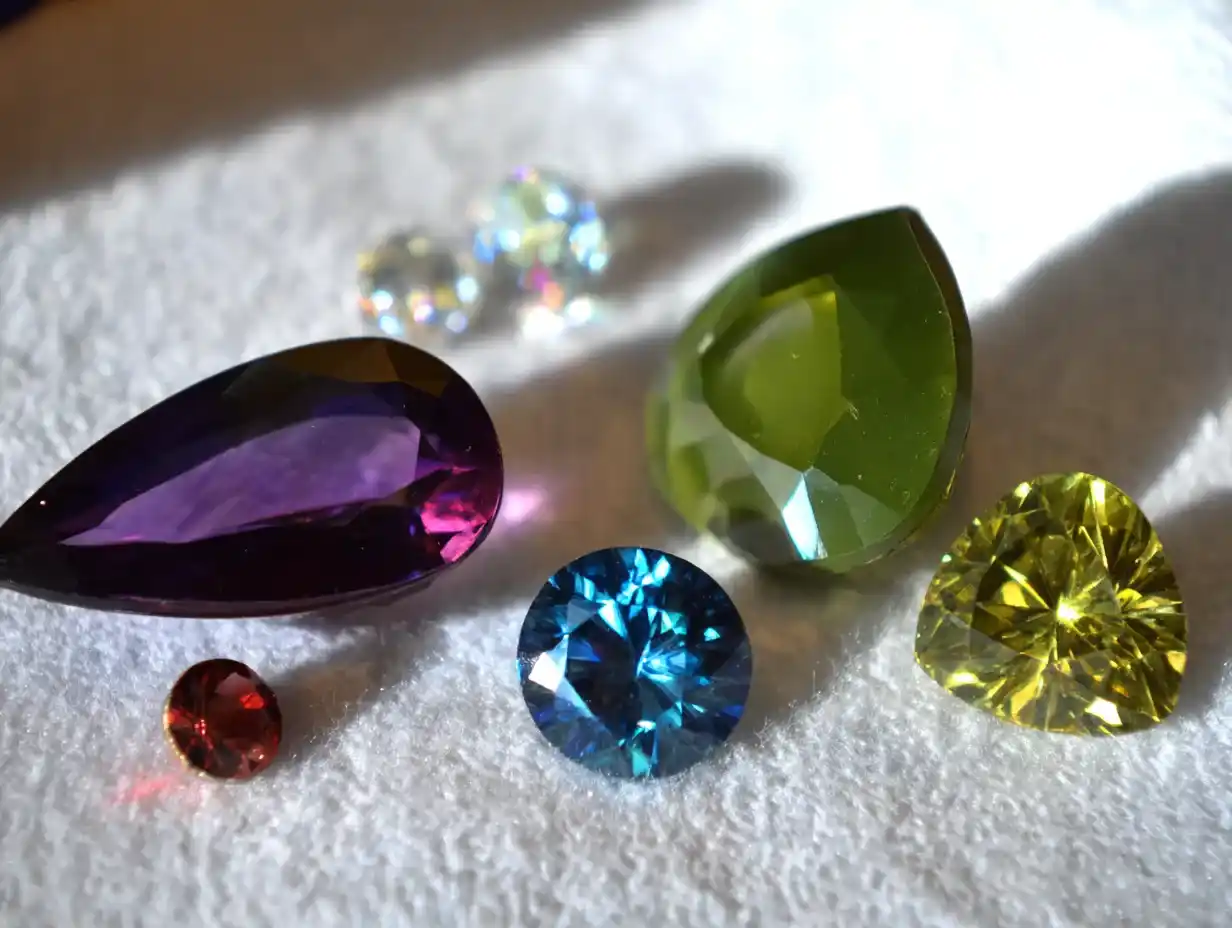
Gemstone jewelry celebrates nature’s most beautiful creations, featuring colorful minerals formed deep within Earth over millions of years. From brilliant diamonds and rich rubies to vibrant turquoise and mystical opals, gemstones offer endless variety in color, character, and symbolism. Understanding gemstone types, quality factors, and care requirements empowers you to select pieces that bring lasting beauty, personal meaning, and potential investment value to your jewelry collection.

The Allure of Gemstones

Gemstones captivate through their natural beauty, rarity, and the geological wonder of their formation. Each gemstone variety offers unique colors, optical properties, and characteristics developed through specific conditions over vast time periods. Beyond aesthetics, gemstones carry cultural significance, metaphysical associations, and symbolic meanings spanning human civilization. Birthstones connect individuals to specific months, while anniversary stones commemorate relationship milestones. This combination of beauty, rarity, and meaning makes gemstone jewelry treasured across generations.

Precious vs. Semi-Precious Gemstones

Historically, gemstones divided into “precious” (diamonds, rubies, sapphires, emeralds) and “semi-precious” (all others). This classification, though outdated and somewhat arbitrary, persists in common usage. Rarity, beauty, and durability determine true value more accurately than traditional categories. Some “semi-precious” gemstones—fine jade, top-quality opals, rare alexandrite—command prices exceeding lower-quality “precious” stones. Focus on individual gemstone quality rather than categorical labels when assessing value and desirability.

Popular Gemstones in Jewelry

Diamonds

Diamonds represent gemstone jewelry’s pinnacle, prized for exceptional hardness, brilliant sparkle, and symbolic significance. While colorless diamonds dominate engagement ring markets, fancy colored diamonds—yellow, pink, blue—offer rare beauty at premium prices. Diamonds’ durability suits daily wear, making them practical choices for frequently worn pieces. Understanding the four Cs—cut, color, clarity, carat—ensures informed diamond selections balancing quality with budget.

Rubies

Rubies feature rich red hues ranging from pinkish to deep blood-red. These precious gemstones symbolize passion, love, and vitality across cultures. Fine rubies rival or exceed diamond prices per carat, particularly those with excellent color, clarity, and origin. Burmese rubies command premium values, while Thai and African rubies offer beautiful alternatives at more accessible prices. Rubies’ hardness (9 on Mohs scale) ensures durability suitable for all jewelry types.

Sapphires

Sapphires appear in rainbow colors, though blue sapphires remain most recognized. These durable gemstones suit engagement rings and daily-wear jewelry beautifully. Color intensity and saturation dramatically affect sapphire value—vivid, evenly colored stones command premium prices. Beyond blue, fancy sapphires in pink, yellow, orange (padparadscha), and other hues offer distinctive alternatives. Star sapphires display asterism—six-rayed stars appearing in cabochon-cut stones—creating mystical effects.

Emeralds

Emeralds showcase rich green hues valued since ancient times. These precious gemstones almost always contain inclusions—called “jardin” (garden)—accepted as part of emeralds’ character. Unlike diamonds, clarity matters less than color in emeralds. Colombian emeralds command highest prices, though emeralds from Zambia, Brazil, and Afghanistan offer excellent quality. Emeralds require careful handling due to relative softness and brittleness compared to diamonds and sapphires.

Amethyst

Amethyst features purple hues ranging from pale lilac to deep violet. Once rare and expensive, amethyst discoveries made it accessible while maintaining beauty. This quartz variety suits everyday jewelry, offering royal colors at affordable prices. Amethyst symbolizes clarity, spiritual awareness, and sobriety. Its widespread availability enables large statement pieces impossible with rarer gemstones.

Aquamarine

Aquamarine displays serene blue-green hues reminiscent of tropical seas. This beryl family member (related to emeralds) offers excellent clarity and size availability. Aquamarine’s calming colors suit both casual and formal jewelry. March’s birthstone, aquamarine symbolizes youth, health, and hope. Its durability and clarity make aquamarine popular for large, eye-catching jewelry pieces.

Opals

Opals display unique play-of-color—rainbow flashes dancing across stone surfaces. Each opal is completely unique, with color patterns impossible to replicate. Australian opals—black, white, boulder, and crystal varieties—represent highest quality. Ethiopian opals offer vibrant colors at accessible prices. Opals require gentle care due to water content and relative softness, but their extraordinary beauty rewards careful handling.

Turquoise

Turquoise features distinctive blue-green hues often displaying characteristic matrix patterns. This ancient gemstone holds cultural significance, particularly in Native American and Persian traditions. Turquoise suits bohemian and Southwestern jewelry styles beautifully. Quality varies significantly—Persian turquoise with minimal matrix commands premium prices, while treated and stabilized turquoise offers durability at lower costs.

Gemstone Treatments and Enhancements

Many gemstones undergo treatments improving color, clarity, or durability. Heat treatment enhances sapphire and ruby colors—widely accepted and permanent. Emerald oiling fills surface-reaching fractures, requiring periodic re-treatment. Irradiation creates certain gemstone colors. Fracture filling improves diamond clarity but requires careful handling. Reputable jewelers disclose treatments, allowing informed purchasing decisions. Untreated gemstones command premiums but treated stones offer beauty at more accessible prices.

Gemstone Cuts and Shapes

Cutting dramatically impacts gemstone beauty and value. Faceted cuts maximize brilliance in transparent stones—round brilliant, oval, cushion, emerald, and princess cuts each offer distinct aesthetics. Cabochon cuts create smooth, domed surfaces showcasing color and special effects like asterism or chatoyancy. Master gem cutters optimize each stone’s potential, balancing size retention with beauty enhancement. Well-cut gemstones display even color, maximum brilliance, and pleasing proportions.

Birthstones and Their Meanings

Birthstones associate specific gemstones with birth months, adding personal significance to jewelry. Traditional and modern birthstone lists offer options for each month. Birthstone jewelry makes thoughtful gifts marking birthdays and special occasions. Beyond birth month associations, gemstones carry symbolic meanings—garnets represent friendship, peridots bring prosperity, topaz enhances strength. These associations add depth to gemstone jewelry beyond aesthetic appeal.

Caring for Gemstone Jewelry

Different gemstones require specific care approaches based on hardness, chemical sensitivity, and structural characteristics. Hard gemstones (diamonds, rubies, sapphires) tolerate ultrasonic cleaning and more vigorous care. Softer stones (opals, pearls, turquoise) need gentle handling, avoiding chemicals and impacts. Remove gemstone jewelry before activities risking damage. Clean regularly using methods appropriate for specific stones. Store separately preventing harder stones from scratching softer ones.

Some gemstones—emeralds, opals, pearls—benefit from occasional professional care beyond simple cleaning. Emerald re-oiling, pearl restringing, and professional inspection ensure gemstone jewelry maintains beauty and security. Consult jewelers regarding care for specific gemstone types, especially valuable or delicate pieces.

Investing in Gemstone Jewelry

Quality gemstone jewelry represents both personal enjoyment and potential investment. Rare gemstones from famous localities—Kashmir sapphires, Burmese rubies, Colombian emeralds—appreciate significantly over time. Seek gemstones with excellent color, minimal treatments, and documented origins when investing. Purchase from reputable dealers providing gemological certifications verifying quality and authenticity. While not all gemstone jewelry appreciates, fine pieces from renowned sources maintain value well.

Synthetic and Lab-Created Gemstones

Synthetic gemstones possess identical chemical and physical properties to natural stones but form in laboratories. These provide ethical, affordable alternatives to mined gems while offering guaranteed quality and larger sizes. Lab-created gemstones suit those prioritizing environmental concerns or maximum size for budget. Natural gemstones appeal to those valuing geological rarity and traditional prestige. Neither choice is inherently better—select based on personal values and preferences.

Explore our comprehensive gemstone guides below for detailed information on specific varieties, quality assessment, care recommendations, and symbolic meanings. Whether selecting engagement ring gemstones, building birthstone collections, or appreciating gemological wonders, you’ll find expert guidance for making informed choices bringing natural beauty and lasting value to your jewelry collection.

Home | Materials | Gemstones | Page 5

How to Start Your Own Diamond Jewelry Business

by Sara Hein
Step-by-step guide on how to start your own diamond jewelry business successfully

Starting your own diamond jewelry business can be an exciting and profitable venture. The world of diamond jewelry is filled with endless possibilities, as people have always had a fascination and desire for these exquisite gems. However, entering this industry …

Read More…..

Categories Diamonds

Home | Materials | Gemstones | Page 5

What Does CHF Mean in Diamond Jewelry

by Sara Hein
CHF, or Carat Weight, represents the measurement of diamond size in diamond jewelry

In the world of diamond jewelry, there are countless acronyms and grading systems that determine the quality and value of these precious stones. One such acronym that often sparks curiosity is CHF. Many individuals, especially those new to the world …

Read More…..

Categories Diamonds

Home | Materials | Gemstones | Page 5

Why Is Diamond Used in Jewelry

by Sara Hein
Shimmering and enduring, diamond's resilience makes it a popular choice for jewelry creation

Diamonds have long captivated the human imagination with their unrivaled beauty and brilliance. These precious gemstones have been prized throughout history and across cultures for their undeniable allure, making them a staple in jewelry. But what makes diamonds so special, …

Read More…..

Categories Diamonds

Home | Materials | Gemstones | Page 5

What to Do if a Jewelry Change My Diamond

by Sara Hein
Solutions for Jewelry & Diamond Changes: Expert Tips on What to Do If Your Jewelry Alters

The purchase of diamond jewelry is often a significant investment, both financially and sentimentally. When you entrust a jeweler with the task of setting your precious stone, there is an inherent expectation that they will handle it with utmost care …

Read More…..

Categories Diamonds

Home | Materials | Gemstones | Page 5

What Is the Average Markup on Diamond Jewelry

by Sara Hein
What is the average markup on diamond jewelry? - Learn about typical price adjustments in the diamond industry

Diamond jewelry is often seen as a symbol of luxury and elegance, but have you ever wondered how much extra you’re paying for that sparkle? The average markup on diamond jewelry is a question that has piqued the curiosity of …

Read More…..

Categories Diamonds
Older posts
Newer posts
← Previous Page1 … Page4 Page5 Page6 … Page26 Next →
M
© 2026 Jewelry Carats | Privacy Policy | Cookie Policy | Terms And Conditions | Copyright Notice | Affiliate Disclosure | Disclaimer | Editorial Guidelines | Sitemap