

Choosing appropriate jewelry for different occasions shows attention to detail and elevates your overall appearance. From professional office settings to black-tie galas, understanding jewelry etiquette helps you feel confident and appropriately dressed. This guide covers jewelry selection for every occasion, helping you build a versatile collection that works from Monday morning meetings to Saturday night celebrations.
Essential Everyday Pieces
Earrings
Best Choices:
- Small to medium stud earrings (diamond, pearl, or gemstone)
- Small hoops (under 1 inch diameter)
- Simple drop earrings (under 1 inch length)
Why These Work: Small earrings won’t catch on clothing, interfere with phone use, or become uncomfortable during long days. They add polish without distraction.
Necklaces
Best Choices:
- Simple chain (princess length, 18-20 inches)
- Small pendant on delicate chain
- Layered delicate necklaces (2-3 thin chains)
Why These Work: Versatile lengths work with most necklines. Simple designs complement rather than compete with outfits.
Rings
Best Choices:
- Wedding/engagement rings (if applicable)
- One simple fashion ring
- Thin stacking rings (2-3 maximum)
Why These Work: Comfortable for typing, writing, and daily tasks. Won’t catch on things or interfere with activities.
Bracelets
Best Choices:
- Simple bangle or cuff
- Delicate chain bracelet
- Watch (counts as jewelry)
Why These Work: Comfortable for all-day wear. Won’t jangle during meetings or typing.
Everyday Jewelry Guidelines
Durability Matters
- Choose pieces you won’t worry about damaging
- Opt for secure settings (bezels over high prongs)
- Select comfortable pieces that won’t need constant adjustment
- Consider 14k gold over 18k (more durable for daily wear)
Versatility Is Key
- Pieces should work with jeans and blazers equally well
- Neutral metals (gold, silver, rose gold) match everything
- Classic styles never look out of place
- Avoid trendy pieces that date quickly
Work-From-Home Jewelry
Even when working remotely, jewelry can boost confidence and help maintain professional mindset.
Video Call Jewelry
- Focus on earrings and necklaces (visible on camera)
- Avoid jangly bracelets (microphone picks up sound)
- Choose non-reflective finishes (prevent camera glare)
- Keep it simple and professional
Professional & Office Settings
Professional jewelry should enhance your credibility without causing distraction. The key is polished, understated elegance that complements your expertise.
Conservative Professional Environments
Law firms, financial institutions, corporate offices, and formal business settings require more conservative jewelry choices.
Appropriate Jewelry
Earrings:
- Small studs (diamond, pearl, or simple metal)
- Small hoops (under 3/4 inch)
- Conservative drop earrings (under 1 inch)
Necklaces:
- Simple chain at princess or matinee length
- Pearl strand (single or double)
- Small, understated pendant
Rings:
- Wedding/engagement rings
- One additional simple ring maximum
- Class rings or professional organization rings
Bracelets:
- Watch (classic style)
- Simple bangle or tennis bracelet
- Avoid multiple jangly bracelets
What to Avoid
- Large statement pieces
- Excessive jewelry on any body part
- Visible body jewelry (nose rings, multiple ear piercings)
- Jangly or noisy jewelry
- Trendy or costume jewelry
Creative Professional Environments
Advertising agencies, design studios, tech companies, and creative industries allow more personal expression.
Expanded Options
- Statement earrings or necklaces (choose one focal point)
- Layered necklaces
- Multiple rings or stacked bracelets
- Mixed metals
- More colorful gemstones
- Contemporary or artistic designs
Still Avoid
- Anything so dramatic it overshadows your work
- Jewelry that interferes with tasks
- Pieces that create constant distraction
Client-Facing Roles
Sales, consulting, client services, and public-facing positions require careful jewelry consideration.
Key Principles
- Match client industry norms (conservative for finance, more flexible for creative)
- Choose quality over quantity (one good piece beats many cheap ones)
- Ensure jewelry doesn’t distract from your message
- Consider cultural sensitivities when meeting international clients
Professional Jewelry Investment
Worth the Investment
- Quality watch (considered essential in many industries)
- Diamond or pearl studs (wear daily for years)
- Simple gold or silver chain
- Wedding/engagement rings (if applicable)
Can Be More Affordable
- Additional fashion rings
- Bracelet collection
- Variety of earring styles
- Trendy or seasonal pieces
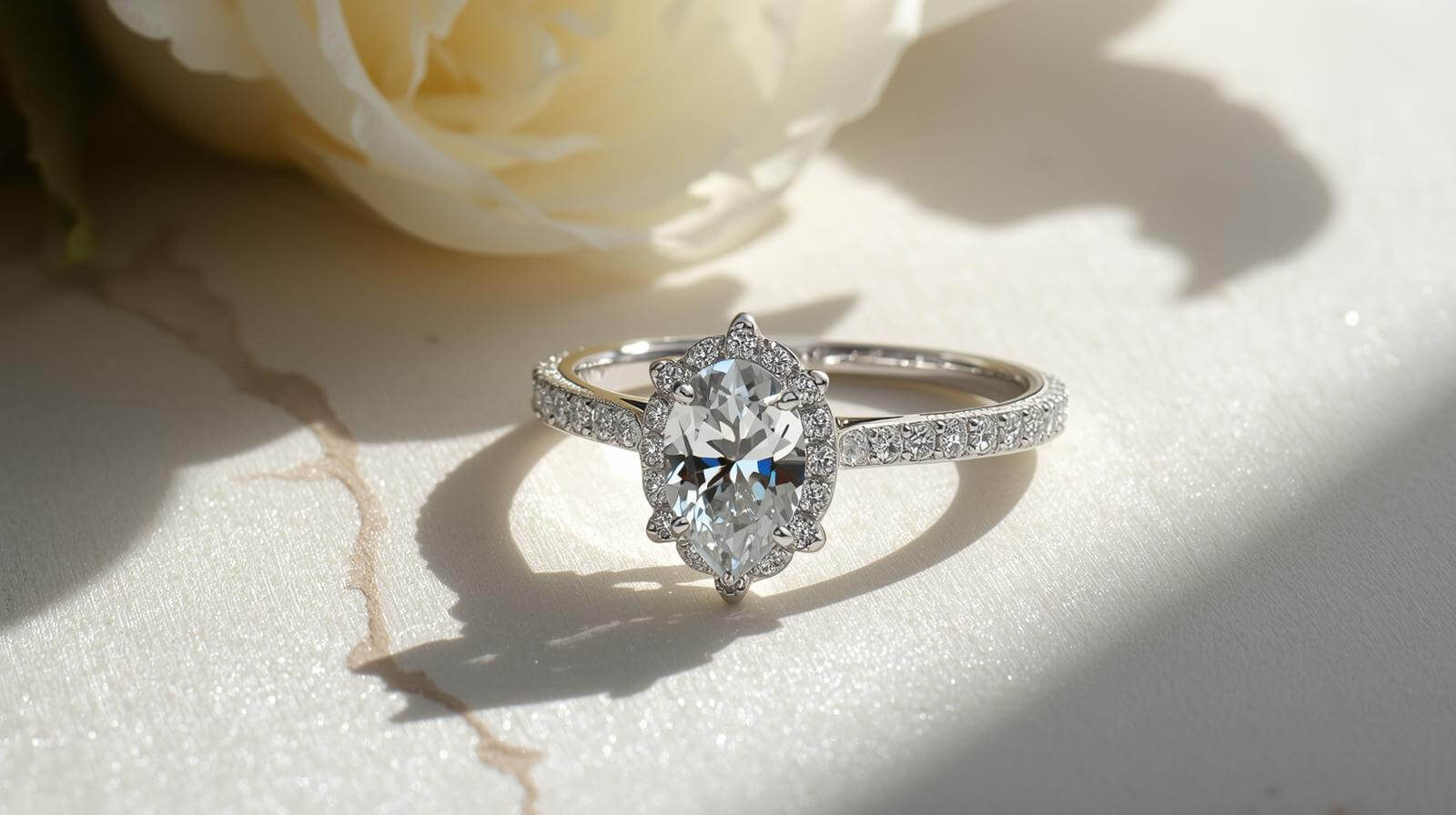

Wedding & Bridal Jewelry
Wedding jewelry requires special consideration, balancing tradition, personal style, and the formality of the celebration.
For Brides
Timeless Over Trendy
Choose classic pieces that won’t date your wedding photos. You’ll look at these images for decades—ensure your jewelry looks elegant in 20 years.
Coordinating with Your Dress
Strapless or Off-Shoulder:
- Showcase neckline with statement necklace
- Or skip necklace, focus on dramatic earrings
- Bracelet becomes more visible with no sleeves
High Neckline or Detailed Bodice:
- Skip the necklace entirely
- Let dress details shine
- Focus on earrings and bracelet
V-Neck or Sweetheart:
- Delicate pendant that echoes neckline
- Or simple strand of pearls
- Avoid competing with neckline
Essential Bridal Pieces
Earrings:
- Should be visible even with veil or hairstyle
- Classic studs (diamond or pearl) always work
- Drop earrings if hair is up
- Avoid chandelier earrings (too much with dress details)
Necklace:
- Not required—assess if dress needs it
- Simple pearl strand for classic look
- Delicate pendant for modern bride
- Statement necklace only with very simple dress
Bracelet:
- Visible if sleeveless dress
- Tennis bracelet adds subtle sparkle
- Pearl bracelet complements pearl necklace
- Keep simple—not the focal point
Something Borrowed, Something Blue
Traditional bridal jewelry can incorporate these elements:
- Borrowed: Wear mother’s or grandmother’s jewelry
- Blue: Sapphire earrings or blue stone in bracelet
- Old: Vintage or heirloom pieces
- New: Purchase new jewelry for the occasion
For Bridesmaids
Coordinating Bridesmaids’ Jewelry
- Matching Sets: Gift matching jewelry to entire party (creates cohesion in photos)
- General Guidelines: Specify metal color and style, let bridesmaids choose specific pieces
- Complete Freedom: Allow personal choice (works for mismatched dress styles)
Bridesmaid Jewelry Guidelines
- Should complement but not outshine bride
- Consider dress neckline when choosing necklaces
- Keep relatively simple and classic
- Coordinate metal color with dress color
For Wedding Guests
Daytime vs. Evening Weddings
Daytime/Outdoor Weddings:
- Lighter, more delicate jewelry
- Pearls, colored gemstones
- Avoid heavy statement pieces
- Consider outdoor elements (wind, heat)
Evening/Formal Weddings:
- More dramatic jewelry acceptable
- Diamonds, crystals catch candlelight beautifully
- Statement necklace or earrings appropriate
- Coordinate with formal attire
Guest Jewelry Etiquette
- Avoid wearing bridal white or cream pearls (bride’s domain)
- Don’t outshine the bride with excessive jewelry
- Match formality of jewelry to dress code
- Consider wedding theme (beach, rustic, black-tie)
For Grooms and Groomsmen
Appropriate Men’s Jewelry
- Wedding band (primary focus)
- Watch (classic style)
- Cufflinks (if wearing French cuffs)
- Tie bar or tie tack
- Class or military ring
What to Avoid
- Multiple rings
- Visible chains or pendants
- Earrings (unless bride approves)
- Flashy or attention-grabbing pieces
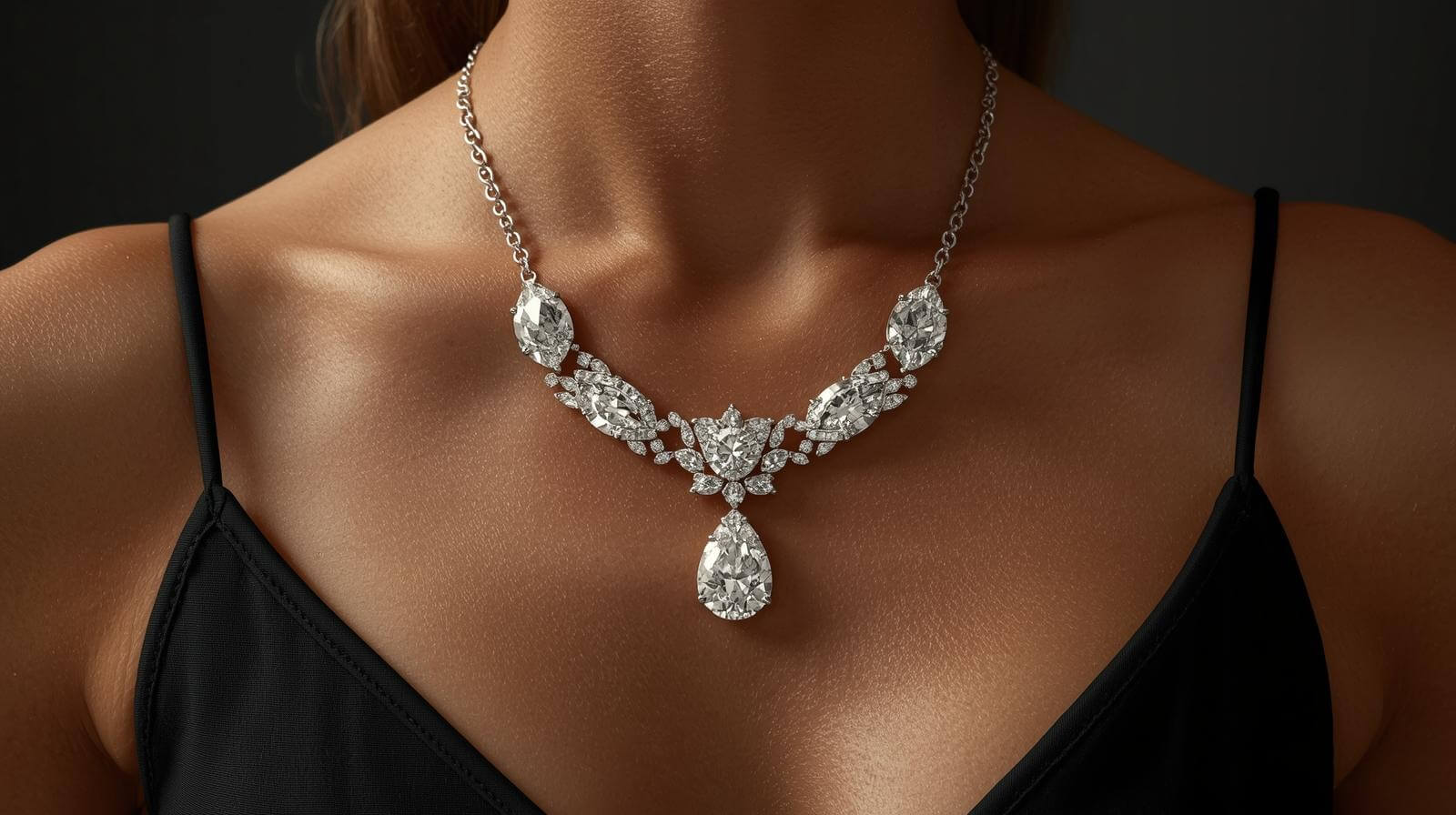

Formal Events & Black Tie
Formal occasions offer opportunities to wear your most elegant jewelry. Understanding dress codes helps you choose appropriately dramatic pieces.
Black Tie Events
Galas, formal weddings, opera opening nights, and prestigious award ceremonies.
Black Tie Jewelry for Women
Earrings:
- Dramatic drop or chandelier earrings
- Large diamond or gemstone studs (2+ carats)
- Vintage-inspired elaborate designs
Necklaces:
- Statement necklace (if simple earrings)
- Diamond rivière or collar
- Opera-length pearl strand
- Or skip entirely if wearing dramatic earrings
Bracelets:
- Tennis bracelet or multiple bangles
- Diamond or gemstone cuff
- Vintage cocktail bracelet
Rings:
- Cocktail rings appropriate
- Large statement rings
- Can wear multiple if coordinated
Black Tie Jewelry for Men
- Formal watch (dress watch, not sports watch)
- Cufflinks (required with tuxedo shirt)
- Studs (formal shirt buttons)
- Wedding ring
- Pocket watch (optional, traditional)
Black Tie Optional / Formal
Slightly less formal than strict black tie, allowing more flexibility.
Appropriate Jewelry
- Still lean toward elegant, formal pieces
- Can be slightly less dramatic than black tie
- Focus on one statement piece rather than multiple
- Quality over quantity
Cocktail Attire
Semi-formal evening events, holiday parties, upscale restaurant dinners.
Cocktail Jewelry Guidelines
- More flexibility than black tie
- Statement pieces encouraged
- Mix traditional with trendy
- Personality can shine through
Popular Cocktail Jewelry
- Bold necklaces (bib, collar, statement)
- Cocktail rings (hence the name)
- Stackable bangles
- Colorful gemstone pieces
- Art deco or vintage-inspired designs
Formal Event Jewelry Strategy
The Statement Piece Rule
Choose ONE area to make a statement:
- Statement Earrings: Skip necklace, simple bracelet and ring
- Statement Necklace: Simple studs, delicate bracelet
- Statement Ring: Keep other jewelry minimal
Jewelry and Gown Coordination
- Sequined or Beaded Gown: Minimal jewelry (dress provides sparkle)
- Simple Solid Gown: Perfect canvas for statement jewelry
- Detailed Neckline: Skip necklace, focus on earrings and bracelet
- Strapless Gown: Showcase necklace and earrings

Special Occasions
Beyond work and formal events, numerous special occasions have their own jewelry considerations.
Anniversary Celebrations
Traditional Anniversary Jewelry
- 1st: Gold jewelry
- 5th: Sapphire
- 10th: Diamond jewelry
- 15th: Ruby
- 20th: Emerald
- 25th: Silver jewelry
- 30th: Pearl
- 40th: Ruby
- 50th: Gold jewelry
- 60th: Diamond jewelry
Anniversary Gift Ideas
- Upgrade wedding jewelry with anniversary band
- Start a charm bracelet, add charm each anniversary
- Tennis bracelet as milestone gift
- Pendant with meaningful date or coordinates
Valentine’s Day
Valentine’s Jewelry
- Heart-shaped pendants or earrings
- Red stones (rubies, garnets)
- Pink stones (pink sapphires, morganite)
- Love-themed charms (infinity, heart, “love” words)
- Matching couple’s jewelry (if both partners enjoy jewelry)
Birthdays
Birthday Jewelry Ideas
- Birthstone jewelry (traditional and meaningful)
- Charm with birth year
- Initial jewelry
- Milestone birthday pieces (Sweet 16, 18th, 21st, 30th, etc.)
Graduation
Appropriate Graduation Jewelry
- Classic pieces that mature with the graduate
- Pearl necklace or earrings (traditional graduation gift)
- Simple gold or silver bracelet
- Everyday studs for professional life
- Watch (marks transition to professional world)
Religious Ceremonies
Baptism/Christening
- Cross pendant (to grow into)
- Engraved bracelet with date
- Pearl jewelry (traditional)
- Religious medal
First Communion/Confirmation
- Cross necklace appropriate for age
- Religious medal bracelet
- Small cross earrings
Bar/Bat Mitzvah
- Star of David jewelry
- Chai symbol pieces
- Initial jewelry
- Traditional Jewish jewelry designs
Travel Jewelry
Traveling requires practical jewelry choices that minimize risk while keeping you looking polished.
What to Bring
Essential Travel Jewelry
- One pair everyday earrings
- One simple necklace
- Wedding/engagement rings (if worn daily)
- Watch
- One versatile bracelet
Optional Additions
- One pair dressier earrings for dinners
- One statement piece if attending events
- Additional rings if you wear them daily
What to Leave Home
Never Travel With
- Irreplaceable heirlooms
- Extremely expensive pieces
- Jewelry with only sentimental value
- Pieces you’d devastate to lose
Travel Jewelry Tips
Packing
- Use travel jewelry case with compartments
- Thread necklaces through straws to prevent tangling
- Fasten necklace clasps before packing
- Pack in carry-on (never checked luggage)
- Consider wearing valuable pieces on plane
Safety
- Use hotel safe for jewelry when not wearing
- Consider travel insurance for valuable pieces
- Photograph jewelry before traveling (for insurance claims)
- Avoid wearing obviously expensive jewelry in tourist areas
- Be aware of destination-specific safety concerns
Beach and Pool
- Remove all jewelry before swimming (chlorine damages metals)
- Saltwater corrodes even gold
- Sand scratches metals and stones
- Easy to lose jewelry in water or sand
- Consider leaving jewelry in room entirely
Seasonal Jewelry
Adjusting jewelry to seasons keeps your style fresh and appropriate for climate and activities.
Summer Jewelry
Summer Characteristics
- Lighter, more delicate pieces
- Colorful gemstones
- Casual, relaxed styles
- Minimal layering (heat consideration)
Popular Summer Choices
- Turquoise and coral
- Shell and beach-inspired designs
- Bright colored enamel
- Lightweight metals
- Minimalist pieces that won’t trap heat
Fall Jewelry
Fall Characteristics
- Warmer metal tones (gold, bronze, copper)
- Earth-tone gemstones
- Layered pieces
- Richer, deeper colors
Popular Fall Choices
- Amber and topaz
- Deep red garnets
- Chocolate diamonds
- Yellow and rose gold
- Longer necklaces to layer over sweaters
Winter Jewelry
Winter Characteristics
- Sparkle and shine (holiday season)
- Cooler metal tones
- Statement pieces
- Formal jewelry for holiday parties
Popular Winter Choices
- Diamonds (holiday sparkle)
- White gold and platinum
- Blue stones (sapphires, blue topaz)
- Crystal and rhinestone pieces
- Brooches for coat lapels
Spring Jewelry
Spring Characteristics
- Fresh, light colors
- Floral and nature motifs
- Pastel gemstones
- Renewed energy in style
Popular Spring Choices
- Aquamarine and morganite
- Rose quartz
- Light-colored pearls
- Floral designs
- Butterfly and nature themes
Holiday Jewelry
Christmas/New Year’s
- Sparkle maximized (sequins, diamonds, crystals)
- Red and green gemstones acceptable
- Statement pieces for parties
- Metallic tones (silver, gold)
Other Holidays
- Easter: Pastels, pearls, spring colors
- Independence Day: Red, white, blue stones
- Halloween: Orange and black, playful designs
- Thanksgiving: Earth tones, amber, topaz
Jewelry Etiquette Rules
Understanding jewelry etiquette prevents fashion faux pas and ensures you’re always appropriately accessorized.
General Etiquette Guidelines
Less Is More
- Choose one focal point per outfit
- If wearing statement necklace, keep earrings simple
- If wearing dramatic earrings, skip or minimize necklace
- When in doubt, remove one piece before leaving home
Match Formality
- Jewelry formality should match outfit and occasion
- Don’t wear casual jewelry with formal attire
- Don’t wear formal jewelry with casual clothes
- Create cohesion between clothing and accessories
Consider Your Audience
- Client meetings: conservative, understated
- Creative environments: more personal expression
- Religious services: modest, respectful
- Job interviews: minimal, professional
Specific Etiquette Rules
Engagement Rings
- Traditionally worn on left ring finger
- Some cultures use right hand
- May be moved to right hand after wedding in some traditions
- Not required to wear 24/7 (safety/practicality considerations)
Wedding Bands
- Worn closest to heart (below engagement ring)
- Both partners wear on same hand in most Western cultures
- Some choose not to wear (personal choice)
- Remove for safety if necessary
Watches
- Traditionally worn on non-dominant wrist
- Can wear with bracelet(s) on same wrist
- Should match formality of occasion
- Smart watches less formal than traditional watches
Mixing Metals
- Now widely accepted and fashionable
- Ensure intentional mixing (not accidental)
- Let one metal predominate
- Two-tone pieces can bridge different metals
Cultural Considerations
Religious Jewelry
- Wear your faith symbols with pride
- Be respectful of others’ religious jewelry
- Consider appropriateness in various settings
- Some workplaces have specific policies
Cultural Jewelry
- Wear jewelry from your own culture proudly
- Be thoughtful about wearing traditional jewelry from cultures not your own
- Understand symbolism before wearing cultural pieces
- Respect sacred or ceremonial jewelry significance
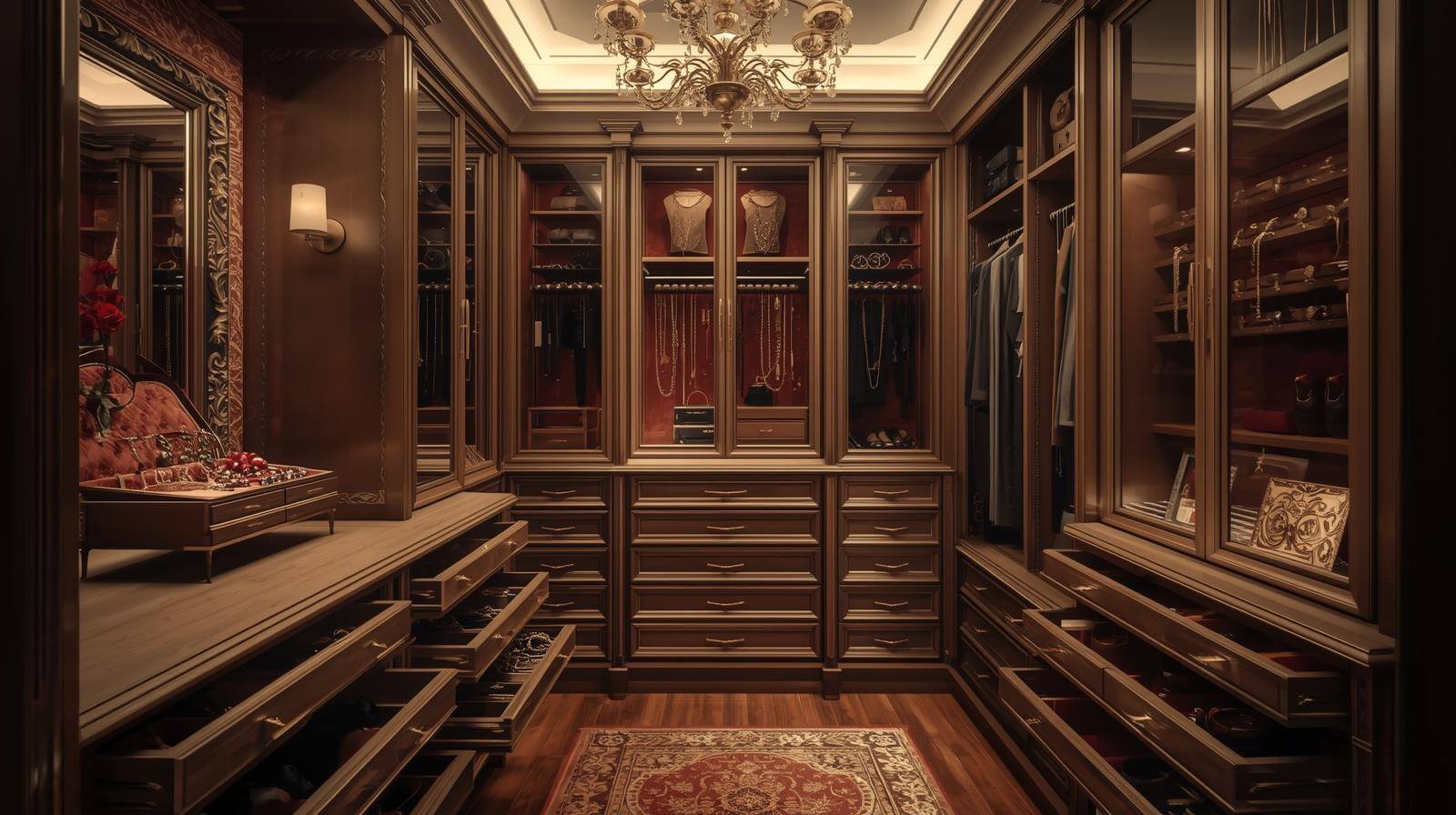

Building a Jewelry Wardrobe
A well-planned jewelry collection serves all occasions without requiring excessive pieces or spending.
Essential Jewelry Wardrobe
Level 1: The Basics (Start Here)
- Diamond or CZ stud earrings (everyday wear)
- Simple gold or silver chain necklace (18-20 inches)
- Watch (dress or casual depending on lifestyle)
- Wedding/engagement rings (if applicable)
- One simple bracelet or bangle
Level 2: Expanding (Add Next)
- Small hoop earrings
- Pearl necklace or earrings
- One pendant necklace (personal or symbolic)
- Tennis bracelet or bangles
- Statement necklace for special occasions
Level 3: Completing (Build Out)
- Drop or dangle earrings for evening
- Cocktail ring
- Additional chains for layering
- Charm bracelet
- Statement earrings
Budget Strategies
Invest In
- Pieces worn daily (studs, wedding rings, watch)
- Classic styles that won’t date
- Quality metals for longevity
- Pieces for important life events
Save On
- Trendy pieces that may date quickly
- Costume jewelry for variety
- Pieces worn occasionally
- Statement jewelry for specific events
Organizing Your Collection
Storage Solutions
- Jewelry box with compartments
- Hanging organizer for necklaces
- Ring dishes for daily pieces
- Travel case for portable storage
Organization Tips
- Group by occasion (everyday, work, formal)
- Keep most-worn pieces easily accessible
- Store similar types together
- Rotate seasonal pieces
- Regularly audit and remove unworn items
Frequently Asked Questions
What jewelry is appropriate for a job interview?
Keep jewelry minimal and professional: small stud earrings, simple necklace (if any), watch, and wedding rings if applicable. Avoid statement pieces, jangly bracelets, or anything that draws attention away from your qualifications. Match the industry’s formality level—more conservative for finance/law, slightly more flexible for creative fields.
Can I wear the same jewelry every day?
Yes, everyday jewelry is designed for daily wear. Simple studs, a basic chain, and wedding rings can be worn constantly. However, remove jewelry for sleeping, showering, and swimming to extend its life. Having 2-3 everyday options allows rotation while pieces are cleaned.
How much jewelry is too much?
Follow the “one statement piece” rule: if wearing statement earrings, keep other jewelry simple. Generally, 3-5 pieces total (earrings, necklace, ring, bracelet, watch) is balanced. If you feel you’re “wearing” your jewelry rather than enhancing your outfit, remove one piece.
Should I match my metals?
Matching metals creates a cohesive look, but mixing metals is now widely accepted and fashionable. When mixing, ensure one metal predominates (60-70%) and that the mix appears intentional. Two-tone pieces can help bridge different metal colors.
What jewelry should a bride wear?
Brides should choose timeless, classic pieces that won’t date wedding photos. Consider dress neckline—strapless allows statement necklaces, while high necklines work better without. Focus on one or two areas: dramatic earrings with simple bracelet, or elegant necklace with delicate earrings. Ensure jewelry complements rather than competes with the dress.
Is it okay to wear costume jewelry to formal events?
High-quality costume jewelry is perfectly acceptable at formal events, especially if it’s well-made and looks expensive. The key is appearance, not price tag. Cubic zirconia can look identical to diamonds in photos. However, very cheap-looking plastic jewelry should be avoided at formal occasions.
What jewelry should I travel with?
Bring minimal, versatile pieces: one pair everyday earrings, one simple necklace, watch, and wedding rings. Add one dressier option if attending events. Never travel with irreplaceable heirlooms or extremely expensive pieces. Pack jewelry in carry-on luggage and use hotel safes when not wearing.
Can I wear pearls during the day?
Yes, pearls are appropriate for any time of day. The old rule about pearls being only for evening is outdated. Simple pearl studs or a single strand work beautifully for daytime, business, and casual wear. Save larger, more dramatic pearl pieces for evening events.
Mastering Jewelry for Every Occasion
Understanding when and how to wear different jewelry types allows you to feel confident and appropriately dressed for any situation. The key is building a versatile collection that covers everyday needs while including special pieces for meaningful occasions.
Remember that jewelry etiquette provides guidelines, not rigid rules. Personal style, cultural background, and individual circumstances all factor into jewelry choices. The most important rule is wearing pieces that make you feel confident and authentic.
Start with essential everyday pieces, invest in quality for frequently-worn items, and save on trendy or occasional pieces. With thoughtful curation, a relatively modest jewelry collection can serve every occasion from Monday morning meetings to Saturday night galas.
Continue Building Your Jewelry Knowledge
Return to the main guide:
- Complete Guide to Jewelry Types
Explore specific jewelry types:
- Ring Types & Styles Guide
- Necklace Types & Lengths Guide
- Earring Types & Styles Guide
- Bracelet Types & Styles Guide
Learn about jewelry care:
- Complete Jewelry Care & Maintenance Guide