How To Clean Jewelry With Peroxide

How To Clean Jewelry With Peroxide Are your pieces of jewelry looking a little worse for wear Do they need a good clean but you’re not sure how to go about it Never fear, we’re here to help! In this …

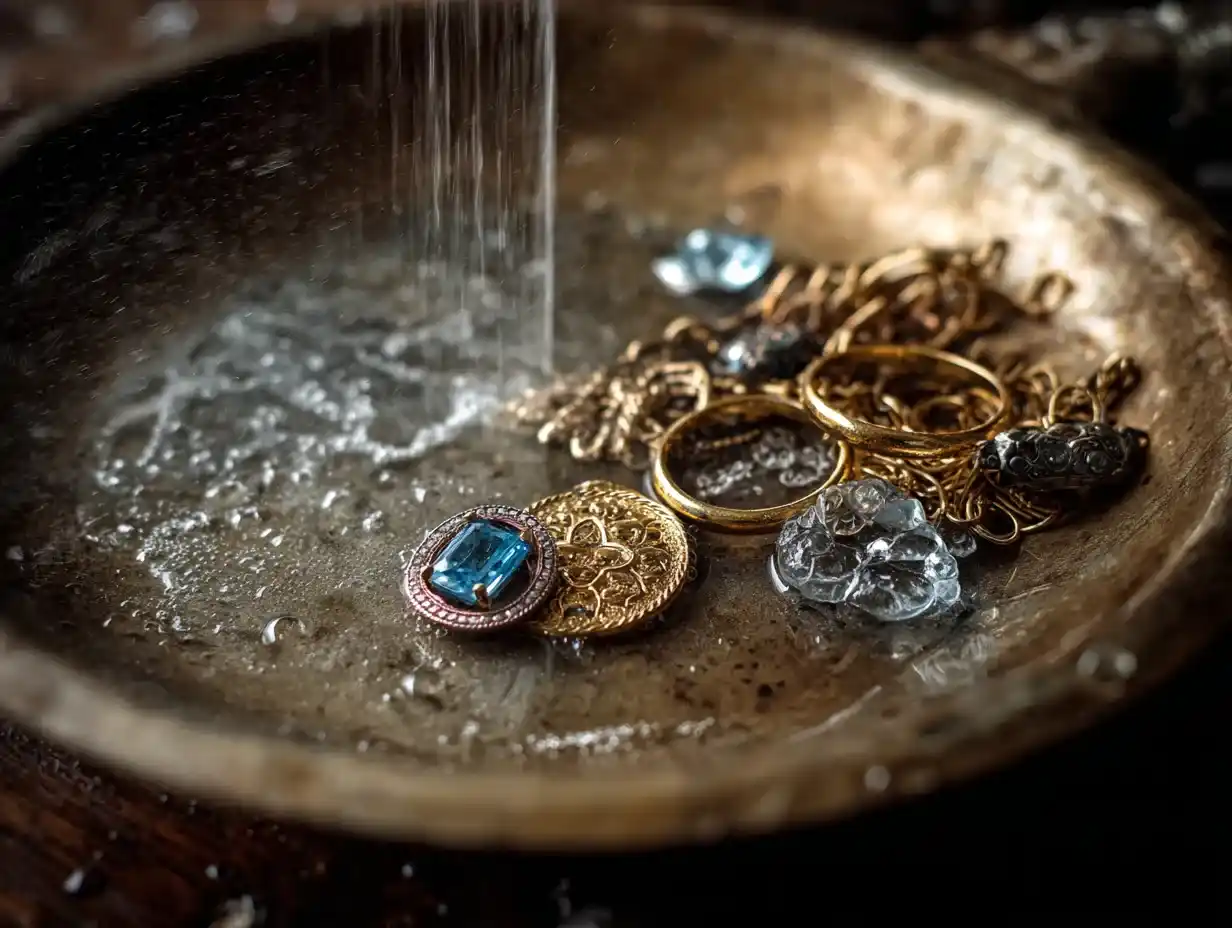
Regular jewelry cleaning maintains the brilliance, beauty, and value of your precious pieces while extending their lifespan significantly. Daily wear exposes jewelry to oils, lotions, dirt, and environmental residue that gradually diminishes sparkle and can cause long-term damage. Understanding proper cleaning methods for different jewelry types ensures your accessories remain stunning without risking damage from incorrect care techniques.
Clean jewelry simply looks better—diamonds sparkle more brilliantly, metals shine brighter, and gemstones display their true colors when free from buildup. Beyond aesthetics, regular cleaning prevents long-term issues. Accumulated grime can loosen stone settings, corrode metals, and harbor bacteria against skin. Professional jewelers often discover problems during cleanings, catching issues before they require expensive repairs. Consistent cleaning preserves both beauty and value while ensuring comfortable, hygienic wear.
Before cleaning any jewelry, identify materials involved. Different metals and gemstones require specific care approaches—what safely cleans diamonds might damage pearls or opals. Always use gentle methods first, escalating to stronger cleaning only when necessary. Never use harsh chemicals, abrasive materials, or ultrasonic cleaners without verifying safety for your specific jewelry. When uncertain, consult professional jewelers rather than risking damage to valuable pieces.
Gold tolerates gentle cleaning well. Mix warm water with mild dish soap, soaking gold pieces for 15-20 minutes. Use a soft brush (baby toothbrushes work excellently) to gently scrub crevices and settings. Rinse thoroughly under warm running water and pat dry with soft, lint-free cloth. For heavily soiled gold jewelry, professional ultrasonic cleaning safely removes stubborn buildup without scratching.
Silver tarnishes naturally when exposed to air and sulfur-containing substances. Remove tarnish using commercial silver polishing cloths or gentle silver cleaning solutions. For heavily tarnished pieces, line a bowl with aluminum foil, add hot water and baking soda, and submerge silver jewelry for several minutes. This chemical reaction removes tarnish effectively. Rinse and dry thoroughly, then store in anti-tarnish bags to slow future tarnishing.
Diamonds attract oils and require regular cleaning to maintain brilliance. Soak diamond jewelry in warm water with mild detergent or ammonia solution (one part ammonia to six parts water) for 20-30 minutes. Gently scrub with a soft brush, paying special attention to the pavilion (diamond’s underside) where oils accumulate. Rinse thoroughly and dry with lint-free cloth. Professional ultrasonic cleaning several times yearly keeps diamonds sparkling optimally.
Softer gemstones like pearls, opals, emeralds, and turquoise require gentler care. Wipe these pieces with damp soft cloth rather than soaking. Never use ultrasonic cleaners or harsh chemicals on delicate stones. Pearls benefit from wiping with damp cloth after each wearing to remove body oils. Store pearls separately and restring periodically to prevent breakage.
Fashion jewelry featuring plated metals or costume jewelry materials needs careful cleaning to avoid damaging finishes. Wipe with damp cloth only—never soak or use harsh cleaners. Dry immediately and thoroughly to prevent tarnishing or finish deterioration. For gemstone-embellished fashion jewelry, avoid getting water on glued-in stones that might loosen.
While regular at-home cleaning maintains jewelry between professional services, annual professional cleaning provides deeper cleaning and inspection. Jewelers use ultrasonic cleaners, steam cleaners, and specialized equipment unsuitable for home use. Professional cleanings include inspection for loose stones, worn prongs, and other issues requiring attention. Schedule professional cleanings for valuable pieces, especially engagement rings and heirloom jewelry.
The gentlest and safest method for most jewelry combines warm water with mild dish soap. This solution effectively removes oils and dirt without damaging materials. Safe for gold, platinum, and most gemstones (except delicate stones requiring dry cleaning only).
Stronger than soap and water, ammonia solutions (heavily diluted) safely clean diamonds and hard gemstones. Never use on pearls, opals, emeralds, or other delicate stones. Ensure good ventilation when working with ammonia and rinse jewelry thoroughly afterward.
Mix baking soda with water to create gentle polishing paste for gold and silver. Apply with soft cloth in gentle circular motions. This mild abrasive removes tarnish and light buildup without scratching metals. Rinse completely and dry thoroughly.
Invest in proper cleaning tools to safely maintain your jewelry. Soft brushes (baby toothbrushes or specialized jewelry brushes) reach crevices without scratching. Lint-free cloths dry jewelry without leaving residue. Small bowls dedicate to jewelry cleaning prevent contamination. Polishing cloths specifically designed for jewelry restore shine to metals effectively.
Avoid cleaning damaged jewelry—loose stones might fall out during cleaning. Don’t clean jewelry with glued components that water might loosen. Antique jewelry with original patina shouldn’t be over-cleaned, as this might reduce historical value. When uncertain about cleaning safety, consult professionals before proceeding.
Create regular cleaning schedules based on wear frequency. Daily-worn pieces like engagement rings benefit from weekly gentle cleaning. Occasionally worn jewelry needs cleaning before and after use. Deep clean all jewelry seasonally. Professional cleaning annually ensures comprehensive care. Consistent maintenance prevents heavy buildup requiring aggressive cleaning that might cause damage.
Proper storage after cleaning preserves cleanliness longer. Store pieces separately in soft pouches or compartmented jewelry boxes preventing scratching and tangling. Keep jewelry away from bathroom humidity that accelerates tarnishing. Remove jewelry before applying lotions, perfumes, or cosmetics that cause buildup requiring more frequent cleaning.
Explore our comprehensive jewelry cleaning guides below for detailed instructions on specific materials, troubleshooting stubborn buildup, and maintaining various jewelry types. Proper cleaning preserves your jewelry’s beauty, value, and wearability for years of enjoyment.
How To Clean Jewelry With Peroxide Are your pieces of jewelry looking a little worse for wear Do they need a good clean but you’re not sure how to go about it Never fear, we’re here to help! In this …

How To Clean Green Stuff Off Jewelry If you’re like most people, you probably don’t think about jewelry cleaning until there’s a green stuffy build-up on your rings, necklaces or earrings. And that’s too bad, because cleaning your jewelry regularly …

How To Clean Discolored Brighton Jewelry Brighton jewelry is known for its colorful and intricate designs. However, over time, the delicate enamel on the jewelry can start to discolor or chip away, leaving a dull and faded look. Here are …

How To Clean Incolay Stone Jewelry Boxes There are a few things you can do to clean your Incolay Stone jewelry box. The best way to clean the box is to first dust it off with a soft cloth. You …

How To Clean Iron Jewelry Iron is a strong and durable metal that is often used in jewelry. However, over time, it can become dirty and tarnished. Here is a guide on how to clean iron jewelry. To clean iron …