
Affiliate Disclosure: As an Amazon Associate I earn from qualifying purchases at no additional cost to you.
Safe Removal Methods
Introduction: The Super Glue Mishap
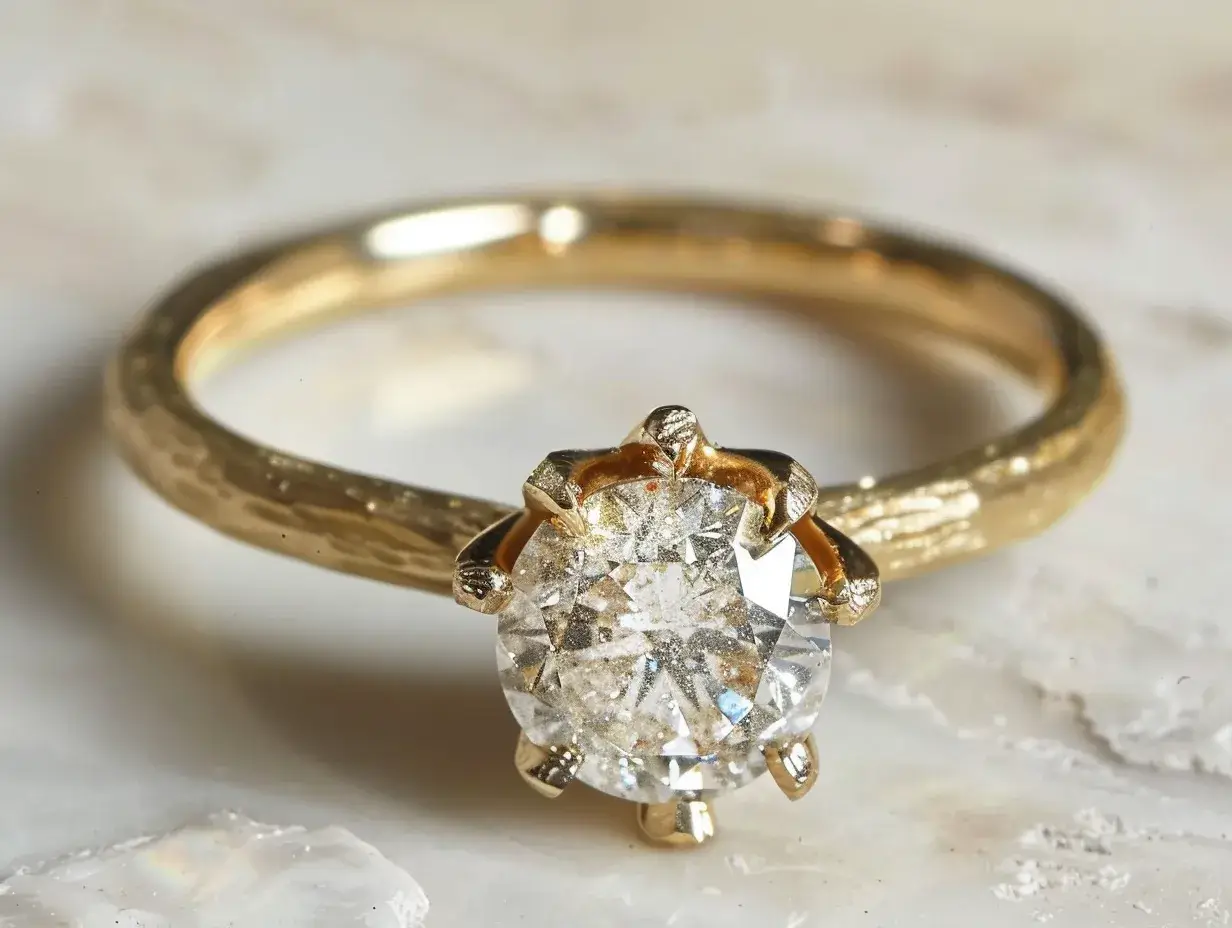
Super glue accidents happen in an instant – one moment you’re carefully repairing something, the next moment your favorite gold ring, necklace, or bracelet has unwanted adhesive smeared across its surface. The powerful bonding strength that makes cyanoacrylate (super glue) so effective for repairs becomes a nightmare when it lands on precious jewelry. The clear adhesive dries white and crusty, obscuring beautiful gold surfaces, filling intricate details, and creating panic about potential permanent damage.
Whether the accident occurred during a DIY repair project, jewelry fixing attempt gone wrong, or simply from handling items near wet super glue, the result is the same: precious gold jewelry marred by stubborn adhesive that won’t wipe away with soap and water. The immediate questions arise – Will this ruin my jewelry permanently? Can I remove it safely? Will harsh chemicals damage the gold or gemstones?
Good news: Super glue CAN be safely removed from gold jewelry using proper techniques and appropriate solvents. Gold metal itself is chemically inert and unaffected by the removal methods, though gemstones require careful consideration. This comprehensive guide explains proven super glue removal techniques from simple acetone application to alternative methods for sensitive pieces, identifies which approaches are safe for different jewelry types, provides step-by-step instructions preventing damage, and offers prevention strategies avoiding future accidents.
Understanding super glue’s chemistry and gold’s properties empowers confident, safe removal restoring jewelry to pristine condition. Whether dealing with solid gold, gold-plated pieces, or jewelry containing gemstones, you’ll learn exactly how to eliminate that frustrating adhesive without causing harm.
Understanding Super Glue and Gold Compatibility
What Is Super Glue?
Chemical Composition:
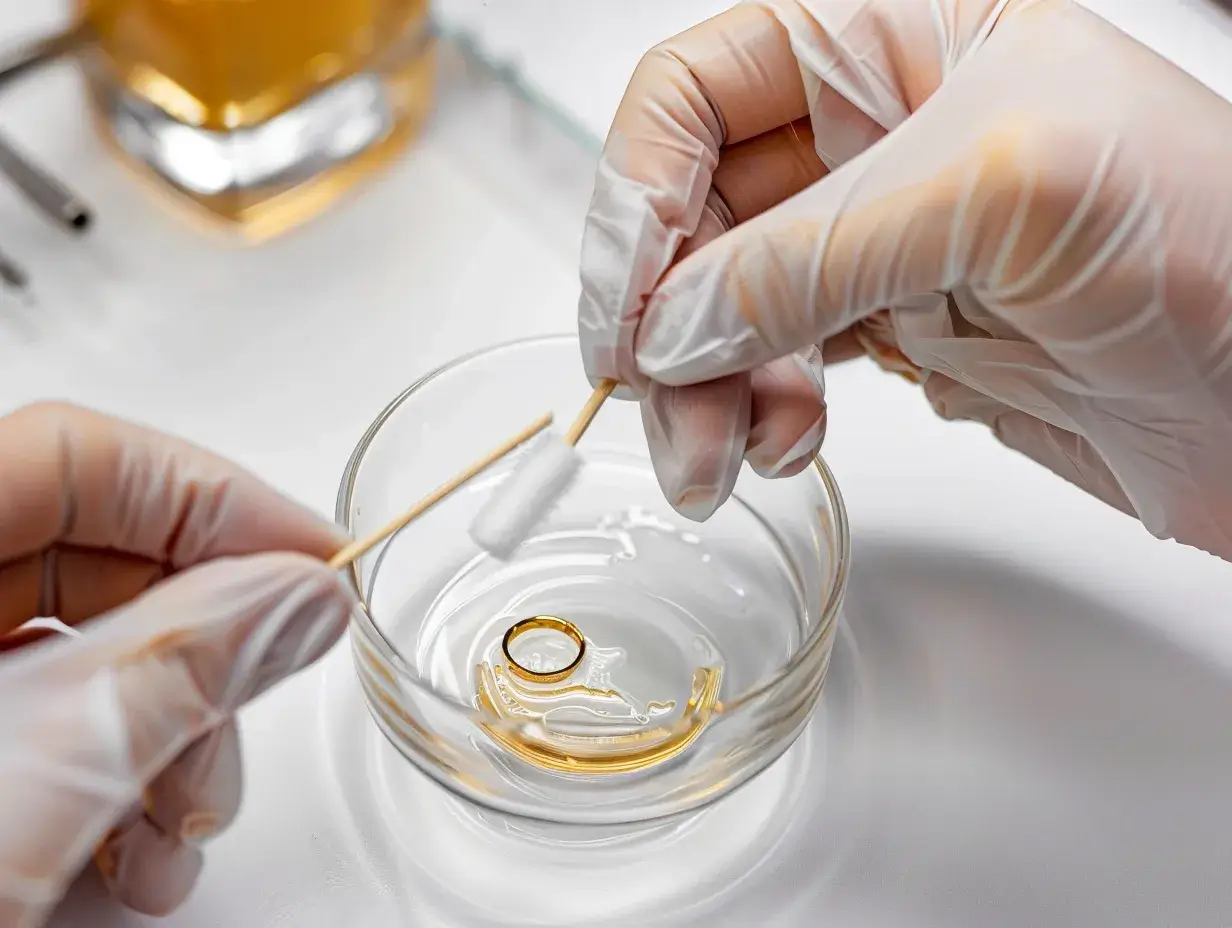
Super glue is cyanoacrylate adhesive – a fast-acting, strong-bonding polymer that cures (hardens) through reaction with moisture in the air. Once applied, it bonds within seconds and reaches full strength in 24 hours, creating an incredibly strong connection between surfaces.
Why It’s So Difficult to Remove:
- Instant bonding creates mechanical and chemical adhesion
- Penetrates microscopic surface irregularities
- Hardens into rigid plastic-like substance
- Resistant to water, soap, and most common cleaners
The Weakness: Despite its strength, super glue has one significant vulnerability – it dissolves in certain solvents, particularly acetone.
Is Gold Affected by Removal Methods?
Gold Metal Properties:
Gold is chemically inert – it doesn’t react with most substances including acids, bases, or solvents used for super glue removal. This makes gold one of the safest metals for aggressive cleaning methods.
Safe for Gold:
- Acetone: No chemical reaction with gold – 100% safe
- Rubbing alcohol: Safe for all gold karats
- Vinegar: Mild acid safe for gold (though it can affect some alloy metals in lower karat gold slightly)
- Warm soapy water: Completely safe
Gold Plating Consideration:
Gold-plated jewelry has thin gold layer over base metal. Brief solvent exposure is safe, but excessive soaking or aggressive scrubbing can wear through plating faster. Use minimal solvent with shorter contact times for plated pieces.
Gemstone Safety Concerns
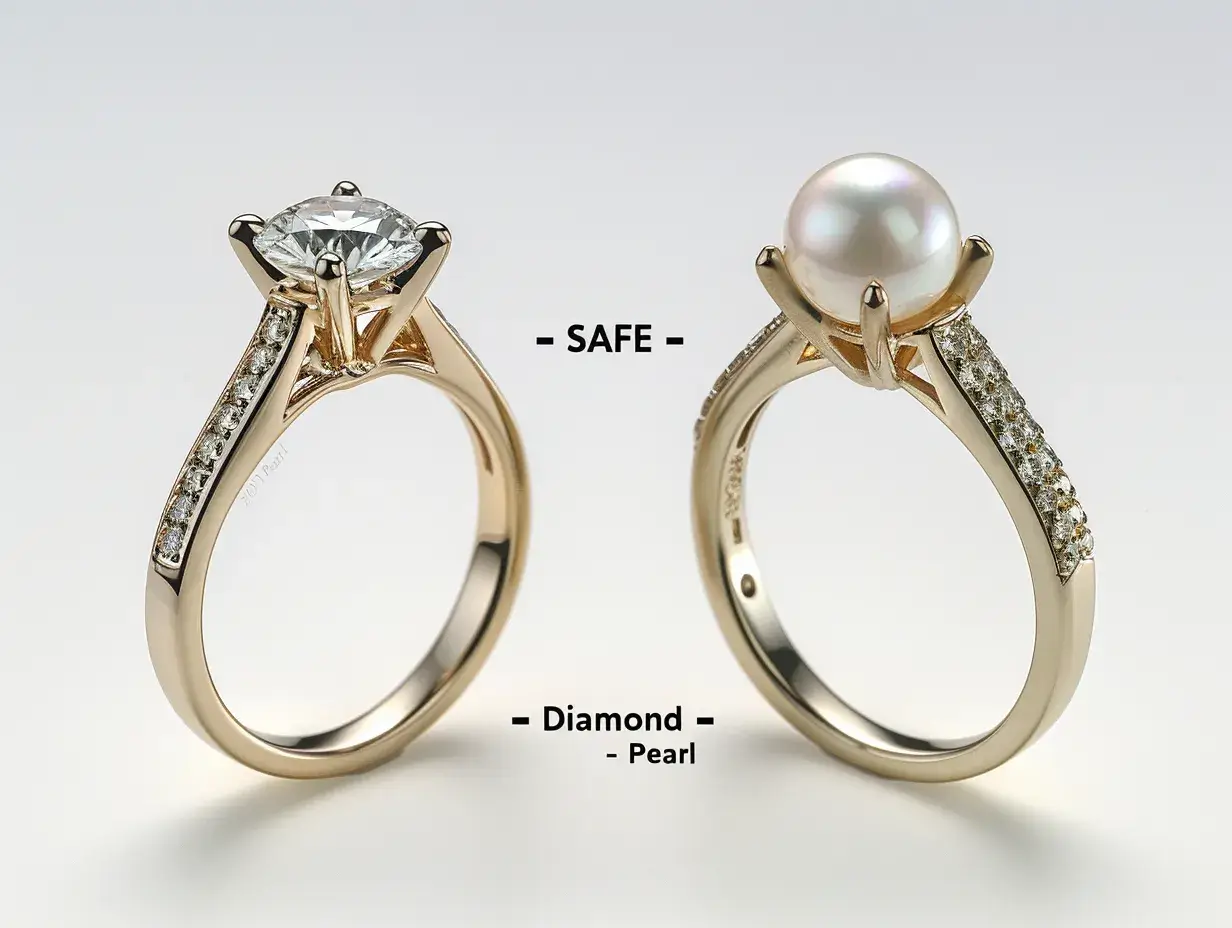
SAFE for Acetone:
- Diamonds
- Sapphires
- Rubies
- Topaz
- Aquamarine
- Most hard, non-porous gemstones
UNSAFE for Acetone:
- Pearls: Organic material – acetone destroys nacre
- Opals: High water content – acetone causes drying and cracking
- Emeralds: Often oil-treated – acetone removes treatment oil
- Turquoise/Coral: Porous – acetone damages structure
- Amber: Organic resin – dissolved by acetone
When Unsure: If you don’t know your gemstone type, choose gentler methods (rubbing alcohol, soapy water) or seek professional jeweler assistance.
Method 1: Acetone Removal (Most Effective)
When to Use This Method
Best For:
- Solid gold jewelry without gemstones
- Gold jewelry with diamond, sapphire, or ruby settings
- Heavy super glue buildup requiring strong solvent
- Quick, efficient removal
Avoid If:
- Jewelry contains pearls, opals, emeralds, or unknown stones
- Extremely delicate antique pieces
- Heavily worn gold plating (visible base metal showing through)
Materials Needed
🧴 Professional Acetone Products
1. Pronto 100% Pure Acetone (8oz)
- ✓ 100% pure acetone – maximum strength
- ✓ Professional quality
- ✓ Rapidly dissolves super glue
- ✓ Made in USA
- ✓ Works on gel, acrylic, glue removal
2. Onyx Professional 100% Acetone Kit (16oz with Nail File)
- ✓ Large 16oz bottle – economical
- ✓ Maximum-strength formula
- ✓ Includes 7″ nail file
- ✓ Professional salon-grade
- ✓ Made in USA
3. SuperNail Pure Acetone (8oz)
- ✓ Professional-strength acetone
- ✓ Fast-acting formula
- ✓ Ideal for glue removal
- ✓ Compact size for precise use
Additional Supplies:
- Cotton swabs or balls – for precise application
- Soft-bristle toothbrush – for gentle scrubbing
- Small glass bowl – if soaking needed (never plastic – acetone dissolves some plastics)
- Wooden toothpicks – for mechanical removal in crevices
- Microfiber cloth – for drying and polishing
- Protective gloves – acetone dries skin
Step-by-Step Removal Process
Step 1: Preparation
- Work in well-ventilated area (acetone has strong fumes)
- Protect work surface with newspaper or old towel
- Put on protective gloves
- Inspect jewelry identifying gemstones
Step 2: Initial Application
- Soak cotton swab or cotton ball in acetone
- Apply directly to super glue avoiding excessive contact with surrounding areas
- Hold saturated cotton on glue 2-3 minutes allowing acetone to penetrate
- For heavy glue buildup: Repeat with fresh acetone-soaked cotton
Step 3: Gentle Scrubbing
- Use soft-bristle toothbrush with circular motions
- Apply light to moderate pressure – never force
- Work glue loose gradually
- Re-apply acetone as needed keeping glue saturated
- Duration: 5-10 minutes typically sufficient
Step 4: Mechanical Removal
- Once glue softens, use wooden toothpick gently lifting edges
- NEVER use metal tools (knives, tweezers) – these scratch gold
- Work slowly and patiently – rushing causes damage
- For stubborn spots: Re-soak in acetone 2-3 minutes, try again
Step 5: Final Cleaning
- Once all glue removed, rinse jewelry thoroughly under warm water
- Wash with mild dish soap removing acetone residue
- Rinse again ensuring all soap removed
- Pat dry with microfiber cloth
- Buff to restore shine
Alternative Soaking Method (for heavy glue):
- Pour small amount acetone in glass bowl (just enough to submerge jewelry)
- Place jewelry in acetone 5-10 minutes (NOT hours – unnecessary)
- Remove and immediately scrub with soft brush
- Rinse thoroughly
⚠️ Important Notes:
- Work quickly – acetone evaporates rapidly
- Multiple short applications better than one long soak
- Never leave jewelry in acetone overnight
- Close acetone container immediately after use (flammable, evaporates)
Method 2: Acetone-Free Alternatives
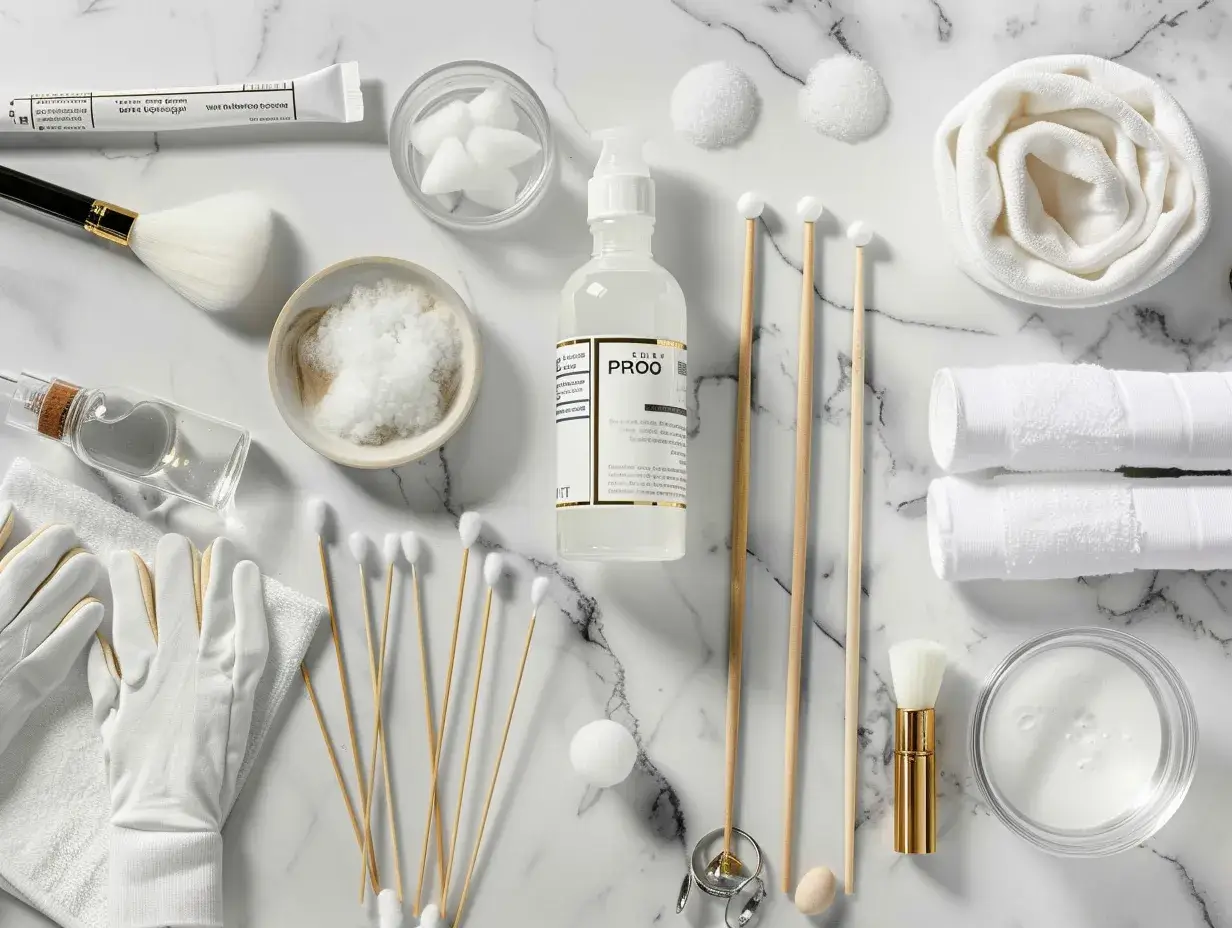
When Acetone Isn’t An Option
Use These Methods If:
- Jewelry contains pearls, opals, emeralds, or unknown gemstones
- You don’t have acetone available
- Working with extremely delicate antique pieces
- Prefer gentler approach
Rubbing Alcohol Method
Effectiveness: Moderate – works on light to medium glue deposits, slower than acetone but safe for most materials.
Process:
- Use 70% or 91% isopropyl alcohol (higher percentage more effective)
- Soak cotton swab in rubbing alcohol
- Apply to glue 5-10 minutes, keeping saturated
- Scrub gently with soft toothbrush
- Repeat applications as needed
- Rinse with warm soapy water
Advantages:
- Safe for virtually all gemstones
- Readily available in most homes
- Less aggressive than acetone
- Won’t damage delicate materials
White Vinegar Soak
Effectiveness: Moderate – requires longer contact time but safe for sensitive pieces.
Process:
- Pour white vinegar in glass bowl
- Submerge jewelry 20-30 minutes
- Remove and scrub with soft brush
- For stubborn glue: Soak additional 15 minutes
- Rinse thoroughly with water
Warm Soapy Water (Gentlest Option)
Effectiveness: Low to moderate – best for light glue deposits or initial treatment before stronger methods.
Process:
- Mix warm water with dish soap
- Soak jewelry 30 minutes to 1 hour
- Use soft toothbrush working glue loose
- Repeat soaking if needed
- May require multiple treatments over several days
🧽 Essential Cleaning Tools
1. Dawn Ultra Original Dish Soap
- ✓ Gentle formula safe for all jewelry
- ✓ Cuts through adhesive residue
- ✓ Won’t damage gems or metals
2. CONNOISSEURS Jewelry Cleaning Kit
- ✓ Includes soft-bristle brush
- ✓ Cleaning solution + polishing cloths
- ✓ Complete system for final cleaning
Method 3: Freezing Technique
How Freezing Works
Science: Super glue becomes brittle at freezing temperatures, weakening its bond and making it easier to chip or peel away mechanically.
Best Used:
- As preliminary treatment before solvent application
- For thick glue deposits that need mechanical removal
- Combined with other methods for stubborn glue
- When solvents haven’t been fully effective
Freezing Process
- Place jewelry in freezer: 15-20 minutes (longer okay, won’t harm jewelry)
- Remove from freezer: Work quickly while glue still cold
- Attempt peeling: Try lifting glue edge with fingernail or wooden toothpick
- Chip carefully: Use wooden tool tapping gently if glue doesn’t peel
- Follow with solvent: If glue remains, apply acetone or alcohol while jewelry still cold
- Repeat if needed: Return to freezer for additional cycle
Safety Note: Freezing is safe for all jewelry types – gold and gemstones unaffected by cold temperatures. However, thermal shock (extreme temperature changes) can crack certain gemstones. Allow frozen jewelry to reach room temperature gradually before applying hot water.
Special Cases and Challenges
Super Glue on Intricate Settings
Challenge: Glue filled between prongs, in filigree details, or under stone settings.
Solution:
- Use cotton swab with acetone applying directly to glue-filled areas
- Allow extended saturation time (5-10 minutes)
- Use wooden toothpick working into crevices
- Soft-bristle toothbrush reaches detailed areas
- Multiple applications typically required
- Patience essential – rushing risks loosening stones
Glue on Pearls or Delicate Stones
⚠️ CRITICAL: Never use acetone on pearls, opals, emeralds, coral, turquoise, or amber.
Safe Approach:
- Warm soapy water soak ONLY
- Very gentle brushing with softest toothbrush
- Extended soaking (multiple hours) softening glue gradually
- Professional jeweler cleaning if DIY unsuccessful
- Accept that some glue residue may remain rather than risk stone damage
Dried, Aged Super Glue
Challenge: Glue that’s been on jewelry for days/weeks/months becomes harder to remove.
Enhanced Removal:
- Combine methods: Freeze first, then acetone, then mechanical removal
- Extended soaking times (10-15 minutes in acetone)
- Multiple treatment cycles over several days
- Commercial super glue remover products (stronger than acetone)
- Professional jeweler assistance for valuable pieces
💪 Commercial Super Glue Removers
For Stubborn Glue When Acetone Isn’t Enough:
Note: While specialized super glue removers exist, pure acetone (nail polish remover) works for 95% of cases. Use commercial removers only for extremely stubborn glue on non-gemstone pieces.
Alternatives on Amazon:
- Goo Gone Original (for adhesive residue)
- WD-40 (loosens dried adhesives)
- Un-du adhesive remover (archival quality, gentle)
Application: Follow product instructions, typically 2-5 minute contact time, then wipe/scrub away. Always rinse jewelry thoroughly after use.
Gold-Plated Jewelry Considerations
Extra Care Required:
Gold plating is thin layer (typically 0.5-2.5 microns) that can wear through with aggressive cleaning.
Safe Approach:
- Minimize soaking time (5 minutes maximum in acetone)
- Very gentle scrubbing pressure
- Prefer cotton swab application over full immersion
- Check plating after treatment – if any wear visible, stop and seek professional help
- Consider rubbing alcohol instead of acetone for heavily worn plating
After Removal: Final Cleaning and Polishing
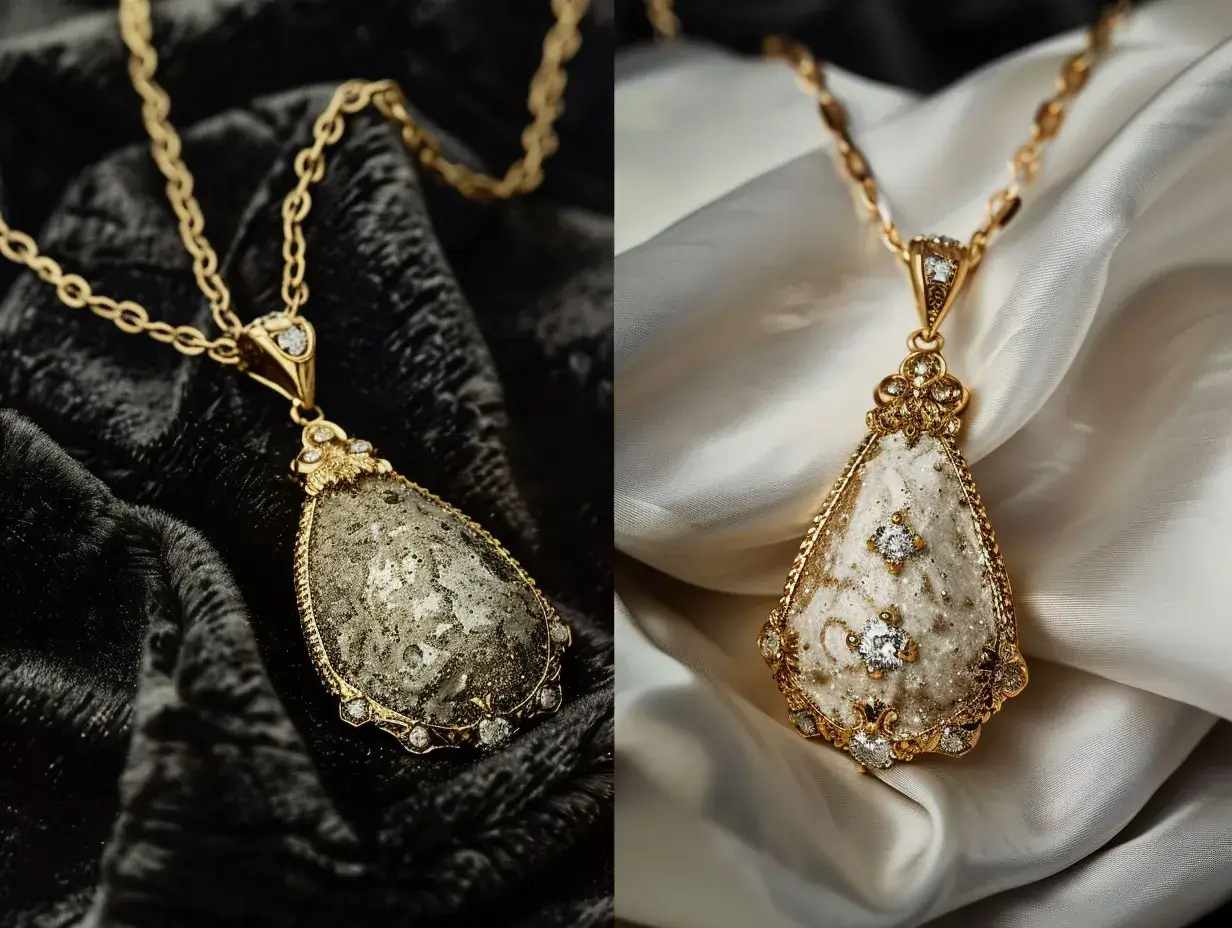
Complete Residue Removal
Even after visible glue removed, slight residue or dullness may remain.
Final Cleaning Process:
- Soap wash: Mix warm water with dish soap, soak jewelry 5-10 minutes
- Brush thoroughly: Soft toothbrush ensuring all areas cleaned
- Rinse completely: Running water removing all soap
- Dry thoroughly: Pat with lint-free cloth, air dry additional 10 minutes
Restoring Shine
✨ Polishing and Shine Restoration
1. CONNOISSEURS Gold Polishing Cloth (14×14″)
- ✓ Specifically for gold jewelry
- ✓ Two-sided: cleaning + buffing
- ✓ Anti-tarnish formula
- ✓ Restores brilliant shine
2. LIFETIME JEWELRY Polishing Cloth (2-Pack)
- ✓ Budget-friendly option
- ✓ Works on gold, silver, platinum
- ✓ Dual-sided design
- ✓ Compact for storage
3. Professional Jewelry Cleaning Solution
- ✓ Complete cleaning system
- ✓ Safe for gold and gemstones
- ✓ Removes any remaining residue
- ✓ Professional results at home
Polishing Technique:
- Use jewelry polishing cloth buffing entire piece
- Circular motions with light pressure
- Pay attention to areas where glue was
- Continue until brilliant shine restored
Inspection for Damage
Check carefully:
- Stone settings – ensure no loosening from scrubbing
- Prongs – verify all secure
- Surface – look for any scratches from removal process
- Clasps/closures – ensure functioning properly
If damage detected: Take to professional jeweler for repair before wearing.
Prevention: Avoiding Future Accidents
Safe Super Glue Practices
ALWAYS Remove Jewelry First:
The single most effective prevention – take 30 seconds removing all jewelry before starting any project involving super glue, adhesives, or potentially messy repairs.
Create Dedicated Work Areas:
- Never work with super glue where you get dressed or where jewelry stored
- Designate specific workspace away from jewelry
- Cover work surface protecting from drips
- Keep paper towels handy for immediate cleanup
Alternative Adhesives for Jewelry Repair
When Repairing Jewelry, Use Appropriate Adhesives:
- E6000: Flexible jewelry adhesive, controlled application, strong bond
- Epoxy: Two-part adhesive for permanent repairs
- Jewelry-specific glues: Designed for gemstone setting and metal bonding
- Professional jeweler: For valuable pieces, professional repair safer than DIY
Avoid Super Glue for Jewelry Repairs:
Super glue bonds too quickly for precise jewelry work and creates brittle connections inappropriate for items experiencing wear and movement. Professional jewelers use proper techniques (soldering for metal, proper setting for stones) providing durable, appropriate repairs.
Storage Separation
Keep Super Glue and Jewelry in Different Locations:
- Store adhesives in workshop/garage/utility area
- Keep jewelry in bedroom/bathroom jewelry box
- Physical separation prevents accidental contact
Immediate Cleanup Supplies
Keep Acetone Readily Available:
Fresh super glue (before fully cured) much easier to remove than dried. If accident occurs, immediate acetone application can prevent glue from fully bonding.
Emergency Kit:
- Small bottle acetone/nail polish remover
- Cotton swabs
- Soft cloth
- Stored near any area where adhesives used
When to Seek Professional Help
Jeweler Assistance Recommended If:
- Valuable or sentimental pieces: Risk of DIY damage not worth savings
- Unknown gemstones: Jeweler identifies stones and uses appropriate method
- Extensive glue covering large areas: Professional tools more effective
- Glue in stone settings: Risk of loosening stones during removal
- Antique or delicate pieces: Specialized handling required
- DIY attempts unsuccessful: Professional has stronger solvents and specialized tools
- Visible damage after removal: May need repair alongside cleaning
Professional Services Available
Jewelry Cleaning:
- Cost: $20-40 typically
- Includes: Complete glue removal, professional cleaning, polishing, inspection
- Methods: Ultrasonic cleaning, steam cleaning, specialized solvents
- Time: Usually same-day or 1-2 day turnaround
Finding Qualified Jeweler:
- Look for certified gemologists (GIA certification)
- Check reviews focusing on repair services
- Ask about specific experience with adhesive removal
- Reputable jewelers won’t charge for simple advice/inspection
 Frequently Asked Questions
 Frequently Asked Questions
Is acetone safe for gold jewelry?
Yes, acetone is safe for solid gold (10K-24K) and gold-plated jewelry. Gold metal itself is chemically inert and unaffected by acetone. However, gemstone safety varies: SAFE – Diamonds, sapphires, rubies, topaz (hard stones unaffected by acetone). CAUTION – Emeralds (often oil-treated, acetone removes treatment), opals (porous, acetone can dry/crack them), pearls (organic, acetone damages nacre), turquoise/coral (porous, acetone harmful). For jewelry with questionable gemstones, use acetone-free alternatives (rubbing alcohol, vinegar) or professional jeweler assistance. Gold plating: Brief acetone exposure safe, but prolonged soaking may dull finish – use minimal acetone, short contact time. Always test in inconspicuous area first if uncertain.
How do I remove super glue from gold jewelry with gemstones?
For gold jewelry with gemstones, method depends on stone type: Hard stones (diamonds, sapphires, rubies): Acetone method safe – soak cotton swab in acetone, apply directly to glue avoiding excessive stone contact, scrub gently 2-3 minutes, rinse thoroughly. Porous/soft stones (pearls, opals, emeralds, turquoise): AVOID acetone. Use gentle alternatives: (1) Warm soapy water soak 30 minutes, scrub with soft toothbrush; (2) Rubbing alcohol on cotton swab, gentle application; (3) Vinegar soak 15-20 minutes for stubborn glue. Unknown stones: Safest approach is professional jeweler cleaning – they identify stones and use appropriate method preventing damage. DIY risk: If stone identity uncertain, start gentlest method (soapy water), test acetone on hidden area if needed, proceed cautiously. Never soak entire piece in acetone if contains any porous stones.
What if acetone doesn’t remove all the super glue?
If acetone doesn’t fully remove super glue: (1) Repeat application – Super glue often requires multiple treatments. Re-soak cotton swab in fresh acetone, apply to remaining glue 5-10 minutes, scrub gently with soft toothbrush, rinse and repeat as needed. (2) Freezing method – Place jewelry in freezer 15-20 minutes. Cold makes super glue brittle and easier to chip off. Remove from freezer, immediately try peeling/scraping softened glue with wooden toothpick (never metal tool – scratches gold). (3) Commercial super glue removers – Products like Goo Gone or dedicated cyanoacrylate debonders stronger than acetone. Apply per instructions, typically 2-3 minutes contact time. (4) Combine methods – Freeze first, then apply acetone, then mechanical removal with toothpick. (5) Professional jeweler – For valuable pieces or stubborn glue in intricate settings, jewelers have specialized tools and techniques. Cost: typically $20-40 for cleaning service. Prevention: If glue extremely stubborn, may indicate jewelry glue (epoxy) rather than super glue – requires different removal approach.
Can I prevent super glue from getting on my jewelry?
Yes, prevent super glue accidents with these strategies: (1) ALWAYS remove all jewelry before using super glue or doing repairs. Super glue bonds instantly – jewelry removal takes seconds, glue removal takes hours. (2) Create dedicated work area – Designate glue-free zone away from jewelry storage. Never work with super glue near jewelry box or where you dress. (3) Use glue alternatives when possible – For jewelry repairs, use jewelry-specific adhesives (E6000, epoxy) designed for controlled application rather than instant-bonding super glue. (4) Protective barriers – Cover work surface with newspaper/plastic, wear old clothes, keep paper towels handy for immediate cleanup. (5) Precision application – Use super glue with fine-tip applicator for controlled dispensing. Toothpick application method prevents excess glue. (6) Keep acetone handy – Have nail polish remover and cotton swabs immediately available for instant cleanup if accident occurs. Fresh super glue (before fully cured) much easier to remove than dried. (7) Storage separation – Store super glue and jewelry in different locations preventing accidental contact.
Will removing super glue damage my gold jewelry?
Properly removing super glue should NOT damage gold jewelry if done correctly: Gold metal safety – Acetone, alcohol, vinegar don’t chemically react with gold. Solid gold (10K-24K) and quality gold plating unaffected by brief solvent exposure. Potential damage sources to AVOID: (1) Excessive force – Never scrape with metal tools (knives, razor blades) as these scratch gold surface. Use wooden toothpicks or plastic tools only. (2) Harsh abrasives – Don’t use steel wool, scouring pads, or abrasive cleaners attempting mechanical removal. These scratch gold permanently. (3) Prolonged soaking – Extended acetone exposure (hours) may dull gold finish slightly. Limit soaking to 5-10 minute intervals. (4) Gemstone damage – Porous stones (pearls, opals, emeralds) damaged by acetone. Identify stones before treatment. (5) Loosening settings – Scrubbing too aggressively around stone settings can loosen prongs. Gentle pressure only. Proper technique: Use appropriate solvent for jewelry type, gentle application with cotton swabs, soft brush scrubbing, wooden tools for mechanical removal, thorough rinsing after treatment. Result: Super glue removed, jewelry undamaged.
Conclusion
Super glue accidents on gold jewelry feel catastrophic in the moment, but armed with proper knowledge and appropriate materials, safe removal is achievable restoring jewelry to pristine condition. Understanding that gold’s chemical inertness makes it highly resistant to solvents empowers confident use of effective removal methods, while awareness of gemstone sensitivities ensures appropriate technique selection preventing damage to delicate stones.
Key takeaways: Acetone effectively dissolves super glue and is safe for solid gold and hard gemstones (diamonds, sapphires, rubies). Always verify gemstone type before applying strong solvents – pearls, opals, and emeralds require gentler alternatives like rubbing alcohol or soapy water. Combine methods for stubborn glue: freezing makes adhesive brittle, solvents dissolve chemical bonds, gentle mechanical removal with wooden tools completes the process. Never use metal scrapers or harsh abrasives that permanently scratch gold surfaces.
Prevention surpasses cure: Remove all jewelry before working with super glue or any adhesives, create dedicated work areas away from jewelry storage, and maintain emergency cleanup supplies including acetone and cotton swabs for immediate treatment of fresh glue before it fully cures. For valuable, antique, or gemstone-laden pieces where DIY risk outweighs potential savings, professional jeweler cleaning provides expert care with specialized tools and techniques ensuring damage-free restoration.
Your gold jewelry deserves proper care maintaining its beauty and value. Whether removing super glue yourself using proven techniques or seeking professional assistance for complex cases, the goal remains the same: complete glue elimination while preserving jewelry integrity. With patience, appropriate methods, and careful execution, that frustrating super glue accident becomes a solved problem rather than permanent jewelry damage.
Last Updated: December 2024 | This article contains affiliate links. As an Amazon Associate, I earn from qualifying purchases at no additional cost to you.

Hi, I’m Sara Hein, a passionate jewelry researcher and educator. I created Jewelry Carats to share well-researched insights on gemstones, precious metals, and jewelry care. My goal is making expert jewelry knowledge accessible to everyone.