
Complete Value Guide
What Makes Black Hills Gold Unique and Valuable
Black Hills Gold jewelry stands apart from conventional gold jewelry in several significant ways, each contributing to its value and collectibility. Understanding these unique characteristics is essential for anyone asking “is Black Hills Gold jewelry worth anything.”
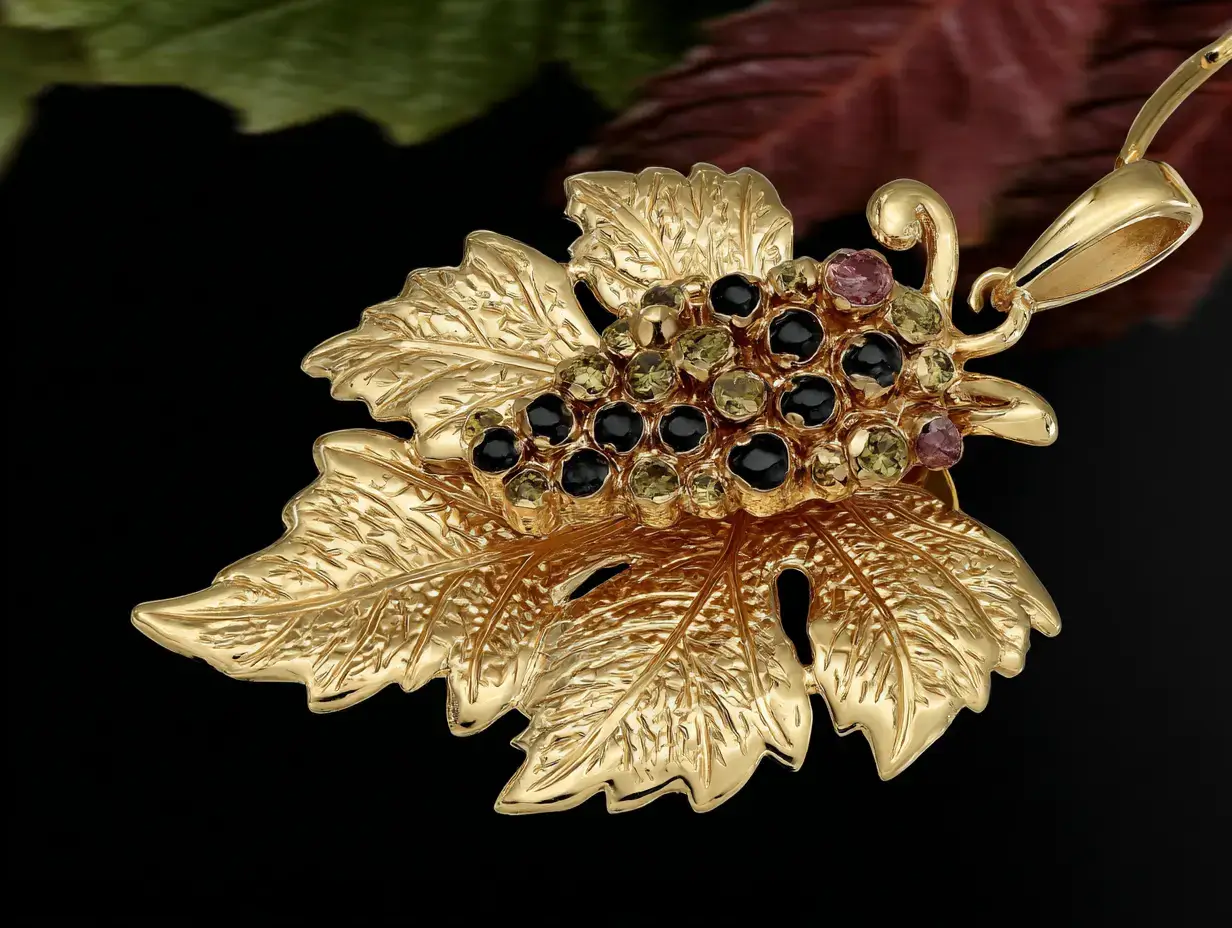
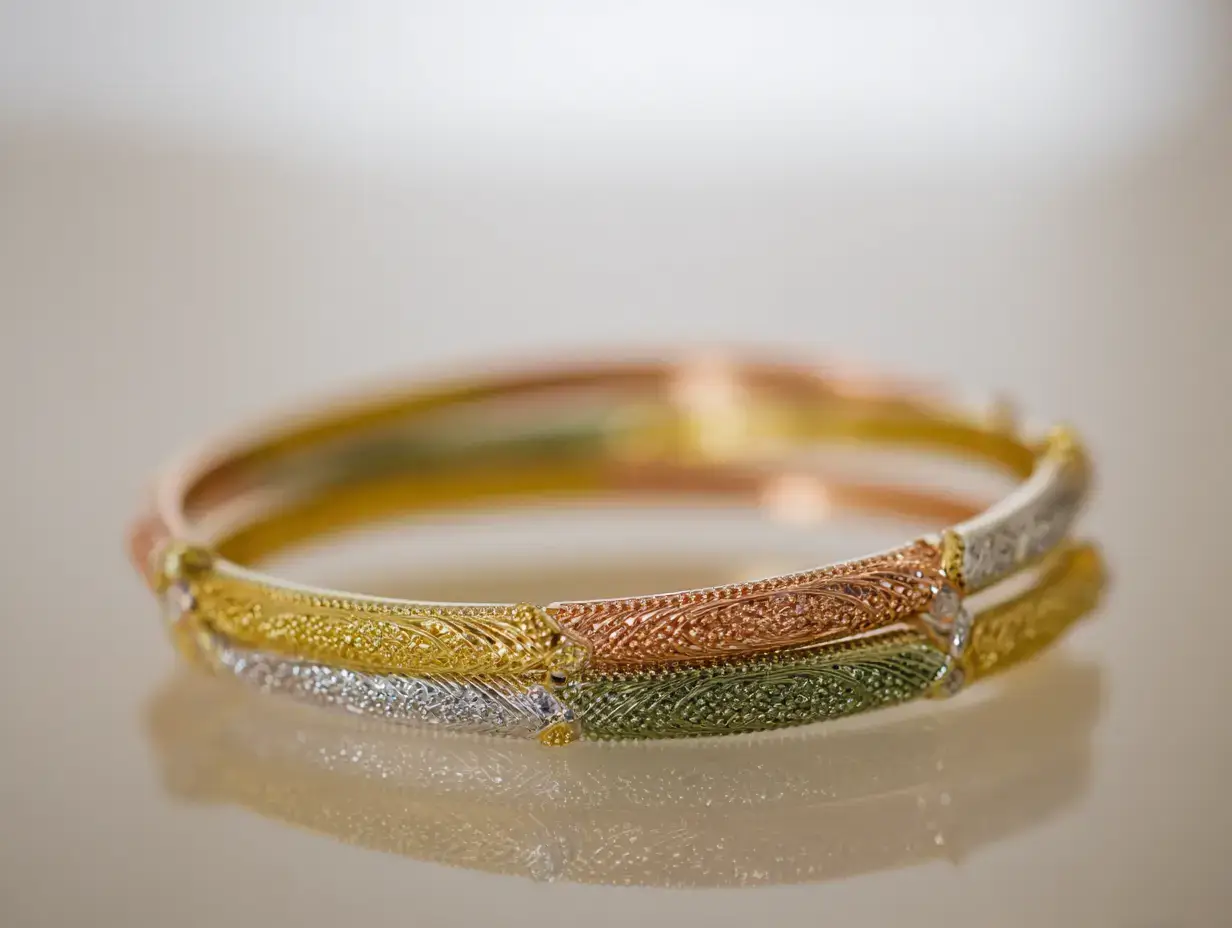
The most distinctive feature is the tri-color gold composition. Unlike standard gold jewelry that uses a single color, authentic Black Hills Gold combines three different gold alloys: yellow gold (the base), rose or pink gold (created by alloying gold with copper), and green gold (created by alloying gold with silver). This scientific process produces the signature colors that make the grape leaves and vine patterns so visually striking. The specific proportions and techniques used are what give Black Hills Gold its unmistakable appearance.
Perhaps equally important to the value is the federal protection this jewelry enjoys. In 1980, the United States 8th Circuit Court of Appeals affirmed an injunction ruling that established a crucial precedent: only jewelry actually manufactured in the Black Hills region of South Dakota can legally be marketed as “Black Hills Gold.” This federal mandate protects consumers from imitations and maintains quality standards, directly supporting the jewelry’s value in the marketplace.
The handcrafted heritage further distinguishes Black Hills Gold from mass-produced jewelry. Traditional manufacturing involves multiple artisan-intensive steps, including the distinctive “wriggling” technique that creates the frosted texture on leaves, and hand-engraving of leaf veins. While modern manufacturers use some mechanized processes, authentic Black Hills Gold still requires significant hand-finishing work, making each piece slightly unique.
The limited production capacity imposed by the federal mandate also impacts value. Since all authentic pieces must be manufactured within the Black Hills region—primarily in and around Rapid City, South Dakota—production is naturally constrained compared to jewelry that can be made anywhere. This geographic limitation, combined with the specialized skills required, means supply remains relatively controlled.
Finally, the cultural and historical significance adds intangible value. In 1988, South Dakota designated Black Hills Gold as the official state jewelry, cementing its status as an American cultural treasure. For many, especially those with ties to South Dakota or the American West, these pieces carry sentimental value that transcends their material worth.
The Rich History Behind Black Hills Gold Jewelry
The story of Black Hills Gold jewelry begins in 1874 when gold was discovered in the Black Hills of South Dakota, triggering a massive gold rush. Prospectors flooded into the region, establishing camps in towns like Deadwood, Central City, and Lead. Among these fortune-seekers was a French goldsmith whose contribution would prove far more lasting than any gold he might have mined.
According to legend, Henri LeBeau came to the Black Hills in 1876 with dreams of striking it rich. A master goldsmith by trade, he was ill-prepared for the brutal physical demands of prospecting. After days of fruitless searching, LeBeau became hopelessly lost in the wilderness. Suffering from severe dehydration and starvation, he collapsed and fell into a deep sleep. In his fever dreams, he saw the lush vineyards of his native France, with grape vines heavy with fruit growing along the banks of a mountain stream.
When LeBeau awoke, he discovered that his vision had led him to salvation—over the next ridge, he found a real stream with wild grapes growing along its banks. The fruit and water saved his life. Grateful for his miraculous rescue and abandoning his prospecting dreams, LeBeau returned to Deadwood and decided to honor his life-saving experience through his true craft: goldsmithing. He began creating jewelry featuring grape clusters, leaves, and vines in three colors of gold, establishing the design motif that defines Black Hills Gold to this day.
LeBeau trained an apprentice named S.T. Butler, who would prove instrumental in commercializing the Black Hills Gold style. In 1878, Butler opened the first official Black Hills Gold manufacturing store in Deadwood with his son, George M. Butler. The Butler family maintained and grew the business through succeeding generations, with S.T. Butler’s grandson, Frank Thorpe, eventually taking over operations.
In 1919, a pivotal split occurred. Frank Thorpe formed a partnership with businessman Ed “E.O.” Lampinen under the name F.L. Thorpe Company. However, the partnership didn’t last—the two dissolved their arrangement and divided the original molds and dies between them. Thorpe continued the F.L. Thorpe Company, while Lampinen purchased George Butler’s tools and equipment to found the Black Hills Jewelry Manufacturing Company.
The modern era of Black Hills Gold began in 1944 when Ivan Landstrom purchased the Black Hills Jewelry Manufacturing Company and moved operations to Rapid City. Lampinen stayed on staff to train employees in traditional manufacturing methods, ensuring the craftsmanship techniques passed down from LeBeau remained intact. Ivan Landstrom’s daughter, Constance Landstrom Drew, took over the business in 1968, continuing the family legacy.
The story came full circle in 1995 when Landstrom’s acquired the F.L. Thorpe Company, reuniting the two branches that had split in 1919. This acquisition made Landstrom’s the sole owner of all original Black Hills Gold designs and molds, positioning the company as the premier manufacturer with the deepest historical roots.
Today, while Landstrom’s remains the dominant player with its historical pedigree, several other manufacturers produce Black Hills Gold jewelry in the region, including Mt. Rushmore Black Hills Gold, Coleman, and Stamper. Each brings its own approach to the traditional designs while adhering to the federal requirement that all production occur within the Black Hills.
Major Black Hills Gold Manufacturers Database
Understanding the different manufacturers is crucial when determining the value of Black Hills Gold jewelry. Each manufacturer has its own history, quality standards, and market positioning. Here’s a comprehensive database of the major producers:
Landstrom’s Original Black Hills Gold Creations
Landstrom’s stands as the most historically significant manufacturer of Black Hills Gold jewelry. Founded when Ivan Landstrom purchased the Black Hills Jewelry Manufacturing Company in 1944, the company has maintained continuous operation for over 80 years. Landstrom’s acquired the F.L. Thorpe Company in 1995, making it the sole owner of all original Black Hills Gold designs dating back to Henri LeBeau and S.T. Butler.
Manufacturer’s Marks: Landstrom’s jewelry bears distinctive stamps including “Landstroms,” variations with “BHG” (Black Hills Gold), or registered trademarks from companies in the Landstrom family. Earlier pieces may show “F.L. Thorpe” marks from before the 1995 acquisition.
Quality Indicators: Landstrom’s is known for premium craftsmanship with extensive hand-finishing. Pieces typically feature 10-karat gold bases with 12-karat gold leaves. The company emphasizes traditional manufacturing methods including hand-soldering of components and detailed hand-engraving of leaf veins. Warranty: Lifetime limited warranty against manufacturing defects (excludes normal wear, chemical damage, and gemstones unless proven defective).
Price Range: Landstrom’s pieces command premium prices, typically ranging from $150-$800 for standard pieces, with elaborate diamond-set items exceeding $1,000.
Mt. Rushmore Black Hills Gold
Mt. Rushmore Black Hills Gold emerged in the 1970s as a major manufacturer offering both traditional and contemporary designs. The company operates a popular factory in Rapid City where visitors can take free tours to watch craftspeople create jewelry.
Manufacturer’s Marks: Pieces are stamped with “Mt. Rushmore,” “MR,” or similar variations along with gold content markings.
Quality Indicators: Mt. Rushmore produces high-quality pieces with good attention to detail. While using some modern manufacturing techniques, they maintain traditional design elements. The company has expanded the Black Hills Gold aesthetic with more contemporary interpretations alongside classic grape and leaf motifs.
Price Range: Generally comparable to Landstrom’s, ranging from $140-$700 for most pieces, with special designs and diamond jewelry reaching higher price points.
Coleman Black Hills Gold
Coleman positions itself in the mid-range market, offering traditional Black Hills Gold designs at more accessible price points. The company emerged in the 1980s as demand for Black Hills Gold expanded beyond the premium segment.
Manufacturer’s Marks: Coleman pieces are marked with “Coleman” or “Coleman Co.” stamps.
Quality Indicators: Coleman produces solid, well-made jewelry though typically with less hand-finishing than premium manufacturers. Designs tend to be more standardized, which allows for more consistent pricing.
Price Range: Coleman pieces generally range from $80-$400, making them an attractive entry point for Black Hills Gold collectors.
Stamper Black Hills Gold
Stamper entered the market in the 1990s with a focus on unique motifs and specialty pieces. While maintaining the tri-color gold tradition, Stamper has explored designs beyond the traditional grape and leaf patterns.
Manufacturer’s Marks: Jewelry is stamped with “Stamper” or “Stamper BHG” markings.
Price Range: Typically $90-$450 depending on complexity and size.
Historical Manufacturers
F.L. Thorpe Company (1919-1995): Original pieces from the Thorpe company, now owned by Landstrom’s, can command 20-40% premiums as collectibles. These pieces are marked with “F.L. Thorpe” or variations.
Black Hills Jewelry Manufacturing Company (1919-1944): Extremely rare pieces from this era before Ivan Landstrom’s acquisition can fetch significant collector premiums, sometimes 50% or more above comparable modern pieces.
S.T. Butler Era (1878-1919): Authenticated pieces from the original Butler manufacturing period are highly collectible and can command premiums of 60% or more. These are exceedingly rare and typically found only in estate collections or specialized auctions.
Black Hills Gold Jewelry Value: Comprehensive Pricing Guide
When determining whether Black Hills Gold jewelry is worth anything, specific pricing information is essential. Values vary significantly based on multiple factors, so understanding the pricing landscape helps both buyers and sellers make informed decisions.
Price Ranges by Gold Karat
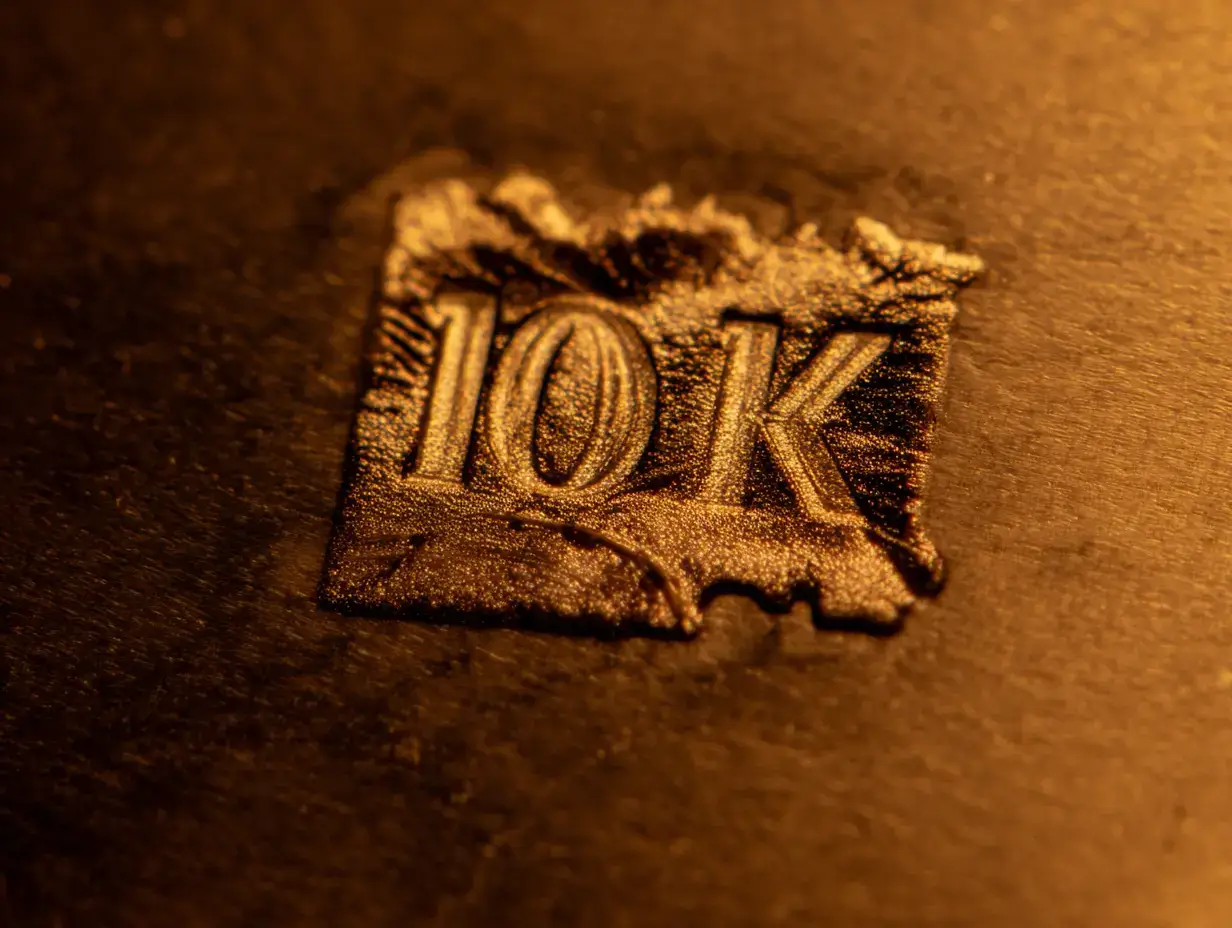
10-Karat Black Hills Gold represents the most common purity level for this jewelry. At 10k, the gold content is approximately 41.7% pure gold, with the remainder being other metals. Most consumer-grade Black Hills Gold jewelry features a 10k base with leaves made from 12k gold. Typical pieces range from $80 to $400, depending on size, complexity, and weight.
12-Karat Leaves (Accent Gold) are used for the colored leaves in many pieces. When the entire piece (not just the leaves) is 12k gold, expect a premium of 15-20% over comparable 10k pieces. These are less common in the market.
14-Karat Black Hills Gold pieces are relatively rare and command premium prices. The higher gold content (58.3% pure gold) means both more intrinsic value and higher production costs. Wedding sets and fine jewelry pieces in 14k typically range from $200 to $800 or more.
Price Ranges by Jewelry Type
Rings: Simple Black Hills Gold bands start around $80-$120 for basic 10k designs. More elaborate rings with larger grape cluster designs, multiple leaves, or gemstone accents range from $150-$350. Premium rings with significant diamond content or intricate custom designs can reach $400-$800.
Pendants and Necklaces: Small pendant designs begin around $100-$150. Medium-sized pendants with detailed leaf work typically range from $180-$350. Larger statement pendants or those with gemstones run $300-$600. Complete necklace sets (pendant plus chain) add $50-$150 depending on chain weight and style.
Earrings: Basic stud earrings start at $75-$120. Drop or dangle earrings with more elaborate designs range from $140-$280. Larger statement earrings or those with diamonds can reach $300-$500 per pair.
Bracelets: Link bracelets represent some of the most substantial Black Hills Gold pieces. Simple designs begin around $200-$300, while elaborate bracelets with extensive leaf work range from $400-$800. Premium bracelets with significant gold weight and diamond accents can exceed $1,000-$1,500.
Additional Value Factors
Vintage Premium: Authenticated vintage Black Hills Gold jewelry typically commands 20-40% above the price of comparable new pieces. Age alone doesn’t guarantee this premium—condition, provenance, and manufacturer all play crucial roles.
Diamond and Gemstone Impact: Adding quality diamonds or gemstones significantly affects value. Small accent diamonds add $100-$300, while larger center stones or multiple quality diamonds can add $300-$1,000 or more depending on diamond quality.
Weight-Based Valuation: For those looking at intrinsic gold value alone, 10k Black Hills Gold typically contains approximately $30-$45 worth of gold per gram (based on spot gold prices as of 2025). However, the craftsmanship, brand, and aesthetic value usually mean pieces sell for 2-4 times their melt value.
Real Pricing Examples
To illustrate these ranges with concrete examples: A typical 10k Black Hills Gold pendant and earring set with tri-color grape and leaf designs would sell in the secondary market for approximately $150-$200. The same set purchased new from a retailer like Landstrom’s would cost around $350-$450. A vintage equivalent from the 1970s in excellent condition might command $220-$280 in the collector market.
A men’s wedding band in 14k Black Hills Gold with elaborate leaf patterns typically retails new for $600-$900, while secondary market prices range from $350-$550 depending on condition. A women’s engagement ring set in 14k with a quality diamond center stone can retail for $1,200-$2,500 new, with secondary market prices at 50-70% of retail.
How to Authenticate Genuine Black Hills Gold: 7-Point Guide
With the popularity of Black Hills Gold jewelry comes the inevitable presence of imitations and counterfeit pieces. Knowing how to authenticate genuine Black Hills Gold is essential for protecting your investment and ensuring you’re getting what you pay for. Follow this comprehensive 7-point authentication guide:
Step 1: Locate the Manufacturer’s Mark
Every piece of authentic Black Hills Gold must bear a manufacturer’s mark by federal law. These stamps are typically very small—you’ll need a jeweler’s loupe or magnifying glass to see them clearly. On rings, look inside the band. On pendants, check the back surface. On earrings, examine the back or post area. Common marks include “Landstroms,” “Mt. Rushmore,” “Coleman,” or other manufacturer names. If no manufacturer’s mark is present, the piece is either very old (pre-regulation) or not authentic Black Hills Gold.
Step 2: Verify the Karat Stamp
Alongside the manufacturer’s mark, authentic pieces will have a karat stamp indicating gold content, typically “10K,” “12K,” or “14K.” These stamps must be present by law for jewelry sold as gold. The absence of a karat mark is a major red flag. Note that the base of the jewelry and the leaves may have different karat stamps—10k base with 12k leaves is very common and authentic.
Step 3: Examine Tri-Color Gold Authenticity
Genuine Black Hills Gold features three distinct gold colors: yellow (base metal), rose or pink (from copper alloying), and green (from silver alloying). The colors should be subtle but clearly distinguishable. Fake pieces often use paint, enamel, or improper alloys that produce colors that are either too bright, too dull, or fade over time. The tri-color should be consistent across the piece and show the slight variations that come from natural metal alloying rather than uniform coating.
Step 4: Check for “Black Hills Gold” Stamp
Many (though not all) authentic pieces will include a “Black Hills Gold” or “BH Gold” stamp in addition to the manufacturer’s mark. This isn’t universally required, so its absence doesn’t automatically indicate a fake, but its presence is a positive authentication sign. This stamp specifically indicates the manufacturer’s compliance with the federal production requirements.
Step 5: Inspect the Wriggling Texture
The distinctive “wriggling” technique creates a frosted, textured finish on the leaves that’s a hallmark of authentic Black Hills Gold. This texture should be uniform but not perfectly so—it’s created by moving a flat engraving tool across the metal surface in a specific pattern. Fake pieces often lack this texture entirely or have a obviously machine-stamped pattern that lacks the slight variations of hand-done wriggling. The texture should feel slightly rough to the touch but not sharp or artificially embossed.
Step 6: Examine Hand-Engraved Vein Details
Authentic Black Hills Gold features hand-engraved veins on each leaf. These veins should show slight variations in depth and placement—perfection actually indicates machine stamping rather than hand work. Under magnification, you should see the characteristic marks of hand engraving: slight irregularities, clean cuts, and natural variation. The veins should be well-defined and consistent with the leaf shape.
Step 7: Conduct a Weight Test
Solid gold jewelry has a specific heft and feel that gold-plated pieces lack. If a piece feels surprisingly light for its size, it may be hollow, plated, or made of base metals. While this isn’t definitive proof either way (some authentic pieces are designed to be lighter), combined with other factors, unusual weight can indicate problems. Real gold also feels dense and slightly cool to the touch.
Red Flags for Fake Black Hills Gold
Watch for these warning signs: missing manufacturer marks or karat stamps, colors that look painted rather than alloyed, perfect symmetry that indicates machine production without hand-finishing, suspiciously low prices (genuine gold jewelry has material value), poor quality engra ving or stamping, “Made in China” or other non-South Dakota origin marks, and sellers who can’t provide manufacturer information. Any piece claiming to be Black Hills Gold but manufactured outside the Black Hills region is not authentic by federal definition.
Common Mistakes When Buying or Selling Black Hills Gold
Whether you’re purchasing Black Hills Gold jewelry or looking to sell pieces you own, avoiding common mistakes can save you hundreds of dollars and considerable frustration. Here are the most frequent errors people make and how to avoid them:
Mistake 1: Paying Retail Prices for Used Pieces
Many sellers of estate or second-hand Black Hills Gold jewelry try to price their pieces at or near retail value. In reality, used jewelry typically sells for 50-70% of current retail prices, even in excellent condition. Before buying, research what the same piece would cost new from the manufacturer. If an estate piece is priced within 10-20% of retail, you’re likely overpaying. Use the secondary market value as your guide, not the original retail price.
Mistake 2: Confusing Gold-Plated with Solid Gold
Some pieces feature Black Hills Gold design elements but are actually gold-plated over base metals rather than solid gold throughout. These pieces have virtually no resale value compared to solid gold pieces. Always check for “10K,” “12K,” or “14K” stamps—terms like “gold-filled,” “gold plate,” or “gold overlay” indicate plated pieces that are worth significantly less. The price difference between plated and solid should be substantial; if it’s not, investigate carefully.
Mistake 3: Ignoring Weight as a Value Factor
Many people focus solely on design and overlook weight, which directly correlates with gold content and value. Two similar-looking rings can have very different weights—and therefore very different values. When buying, ask about weight in grams. When selling, weigh your pieces on a gram scale. At minimum, you can calculate the melt value (though craftsmanship should mean selling above melt value). Heavier pieces are almost always more valuable, assuming similar quality and condition.
Mistake 4: Falling for Fake Certificates of Authenticity
Some sellers claim to include “certificates of authenticity” with their pieces. However, legitimate manufacturers like Landstrom’s don’t typically issue separate authenticity certificates—the manufacturer’s mark on the jewelry itself is the authentication. Fake certificates are easy to produce and mean nothing. The only documentation that adds value is original manufacturer’s boxes, original purchase receipts, or appraisals from certified jewelry appraisers (which should note the manufacturer’s marks).
Mistake 5: Overpaying Without Proper Authentication
Never pay premium prices without first authenticating the piece using the 7-point guide outlined above. Some sellers may genuinely believe their piece is more valuable than it is, while others may knowingly misrepresent items. Take time to examine marks, test gold content if possible, and verify the manufacturer. If buying high-value pieces, consider having them authenticated by a certified appraiser before finalizing the purchase.
Mistake 6: Assuming Age Automatically Equals High Value
While vintage Black Hills Gold can command premiums, age alone doesn’t guarantee higher value. A 40-year-old piece in poor condition may be worth less than a new piece in perfect condition. What matters is the combination of age, condition, manufacturer, and provenance. A 1970s piece from Landstrom’s in excellent condition with documentation has premium potential. A worn piece of unknown age from an uncertain manufacturer does not.
Mistake 7: Selling Without Checking for Damage
Small damage significantly impacts value—a missing leaf, cracked setting, or broken clasp can reduce value by 30-50%. Before selling, inspect your piece carefully and consider whether minor repairs might increase its value more than the repair costs. A $60 repair that increases sale value by $150 is worthwhile. Conversely, when buying, inspect carefully for damage the seller might not have disclosed. Missing leaves are particularly common and costly to replace.
Where and How to Sell Black Hills Gold Jewelry
If you’ve determined your Black Hills Gold jewelry has value and you’re ready to sell, understanding your options helps maximize your return. Different selling venues offer different advantages and typical payout percentages:
Option 1: Pawn Shops (Quick Cash, Lowest Return)
Typical Payout: 30-50% of retail value
Pawn shops offer the fastest cash but typically the lowest returns. Most pawn shops evaluate gold jewelry primarily on its melt value rather than craftsmanship or brand value. They need to maintain a margin for resale or refinement, which depresses offers. However, if you need cash immediately and don’t want to wait for a buyer, pawn shops provide instant liquidity. Tip: Visit multiple pawn shops to compare offers, as rates vary significantly.
Option 2: Local Jewelry Stores (Moderate Speed, Middle Return)
Typical Payout: 40-60% of retail value
Established jewelry stores that sell Black Hills Gold may buy estate pieces, especially from recognized manufacturers like Landstrom’s. They understand the brand value and craftsmanship beyond just melt value, so offers tend to be higher than pawn shops. Stores near South Dakota that specialize in Black Hills Gold often offer the best local rates. The process is relatively quick—usually same-day or next-day offers. Some stores offer store credit at higher rates than cash offers.
Option 3: Online Marketplaces (Most Work, Best Potential Return)
Typical Payout: 50-75% of retail value (after fees)
Selling through platforms like eBay, Etsy, or specialized jewelry marketplaces can yield the highest returns, as you’re selling directly to end buyers rather than through intermediaries. However, this requires more effort: taking quality photos, writing detailed descriptions, managing shipping and insurance, and dealing with potential returns. Factor in platform fees (typically 10-15%), payment processing fees (3%), and shipping costs. Success requires accurate authentication, competitive pricing, and good customer service. Best for: patient sellers willing to invest time for better returns.
Option 4: Specialized Precious Metal Buyers (Moderate Speed, Moderate Return)
Typical Payout: 40-55% of retail value
Companies specializing in buying gold and precious metals (like Gold Guys and similar services) offer mail-in services with relatively quick turnaround. They typically pay more than pawn shops but less than you might get from direct-to-consumer sales. Many offer free insured shipping kits, professional appraisals, and no-obligation quotes. These services are convenient and relatively trustworthy if you choose established companies with good Better Business Bureau ratings.
Option 5: Consignment (Slowest, Highest Potential Return)
Typical Payout: 60-70% of retail value (after commission)
Consigning your Black Hills Gold through a jewelry store or estate sale service means they handle the sale for a commission (typically 30-40%). You get a higher percentage of retail value, but sales can take weeks or months. Best for higher-value pieces ($500+) where the commission still yields better returns than other options. Make sure to use a reputable consignment service with a clear contract specifying commission rates, minimum prices, and time limits.
Timing and Condition Considerations
The best time to sell is when gold prices are high—monitor spot gold prices and try to sell during peaks rather than valleys in the commodity cycle. However, don’t wait indefinitely for the “perfect” price. Clean your jewelry thoroughly before selling (using mild soap and a soft brush), but avoid aggressive cleaning that might damage pieces. Include original boxes, papers, or receipts if you have them—documentation adds 5-15% to value. Provide clear photos showing manufacturer marks, karat stamps, and overall condition. Be honest about any damage or wear—misrepresentation leads to returns and negative feedback that damage your selling reputation.
Is Black Hills Gold a Good Investment?
When considering whether Black Hills Gold jewelry is worth anything from an investment perspective, it’s important to understand both the potential returns and the limitations compared to other forms of gold investment.
Black Hills Gold jewelry has shown steady appreciation over the past several decades, though not in the dramatic fashion of precious metals markets or stocks. Vintage pieces from reputable manufacturers like Landstrom’s or F.L. Thorpe have appreciated at approximately 3-5% annually when sold through appropriate channels. This appreciation comes from two sources: the increasing value of the gold content itself as gold prices rise, and the growing collectibility of well-preserved historical pieces.
Collectibility factors significantly impact investment potential. Pieces from the earliest manufacturing periods command substantial premiums. Authenticated S.T. Butler era pieces (1878-1919) can fetch 40-60% above comparable modern pieces when sold to serious collectors. F.L. Thorpe original designs (1919-1995) command 20-40% premiums. Limited edition releases from current manufacturers, especially those signed by master craftsmen or tied to special events, have shown 25-40% appreciation over 5-10 years among dedicated collectors.
The limited production mandate supports long-term value. Since federal law restricts production to the Black Hills region, supply growth is constrained by available craftspeople and manufacturing capacity. As traditional hand-finishing techniques become less common and older craftspeople retire, pieces demonstrating superior traditional workmanship may become increasingly valued.
However, several factors limit investment potential compared to gold bullion or coins. Liquidity is a primary concern—you cannot walk into any precious metals dealer and immediately sell Black Hills Gold jewelry at spot prices. Finding buyers willing to pay premiums above melt value requires time, the right marketplace, and sometimes luck. Gold coins or bullion sell instantly at transparent market rates; jewelry does not.
The markup vs. melt value creates another investment challenge. New Black Hills Gold jewelry typically sells for 2-4 times its melt value to account for craftsmanship, marketing, and retail margins. If you purchase new pieces, you’re immediately “underwater” from an investment standpoint—the piece must appreciate significantly just to break even with what you paid. Buying estate or secondary market pieces at 50-70% of retail mitigates this issue but still includes craftsmanship premium you may not fully recover when selling.
Condition sensitivity also impacts investment value. Unlike gold bars that maintain value regardless of scratches, jewelry condition significantly affects price. A piece with missing leaves, worn engravings, or damage may sell for only scrap value, losing all premium above melt. Proper storage in individual soft pouches and careful handling are essential for preserving investment value.
The realistic investment recommendation is this: Black Hills Gold jewelry works better as an heirloom investment than as a pure financial investment. Purchase pieces you love and will enjoy wearing or passing to family members. The emotional and aesthetic value, combined with the intrinsic gold worth and potential modest appreciation, makes Black Hills Gold a reasonable store of value—but don’t expect returns comparable to stocks, real estate, or even gold bullion. If your primary goal is gold investment, buy American Gold Eagles or other bullion products. If you want beautiful, cultural ly significant jewelry that holds value and has modest appreciation potential, Black Hills Gold serves that purpose well.
For those seriously interested in Black Hills Gold as collectible investment, focus on: authenticated pieces from historical manufacturers (especially pre-1950), limited edition releases with documentation, pieces in exceptional condition with original boxes and papers, unusual designs or custom work by known craftsmen, and heavier pieces with higher gold content. Buy from the secondary market at 50-70% of retail rather than paying full retail prices. Plan to hold for at least 10-20 years to see meaningful appreciation. Consider pieces as part of a diversified precious metals portfolio rather than your sole precious metals investment.
Care and Maintenance Guide for Black Hills Gold
Proper care preserves both the beauty and value of your Black Hills Gold jewelry. Unlike solid gold bars, the intricate designs and tri-color composition require specific maintenance approaches:
Daily Care Practices: Remove Black Hills Gold jewelry before swimming, showering, or exercising. Chlorine from pools and hot tubs can damage gold alloys, particularly affecting the copper in rose gold and the silver in green gold. Similarly, harsh chemicals in household cleaners, hair products, and perfumes can cause discoloration. Put jewelry on last when getting dressed and remove it first when undressing to minimize chemical exposure.
Cleaning Methods: The safest cleaning approach uses warm water, mild soap (dish soap works well), and a soft brush. Soak the piece for 5-10 minutes in warm soapy water, then gently scrub with a soft-bristled brush—a soft toothbrush works perfectly. Pay attention to crevices where dirt accumulates but avoid excessive force on the delicate leaves and grape clusters. Rinse thoroughly under warm running water and pat dry with a soft, lint-free cloth. This method is safe for regular use and doesn’t risk damaging the alloys or hand-engraved details.
Avoid ultrasonic cleaners unless specifically recommended by the manufacturer for your piece. While ultrasonic cleaning is generally safe for solid gold, the soldered connections in Black Hills Gold can potentially loosen with intense vibration, particularly in older pieces. Similarly, avoid commercial jewelry cleaning solutions with harsh chemicals unless specifically formulated for tri-color gold. When in doubt, stick with the soap and water method.
Storage Guidelines: Store Black Hills Gold pieces individually in soft pouches or separate compartments to prevent the delicate leaves from scratching each other or other jewelry. The frosted “wriggling” texture can become polished smooth if rubbed repeatedly against hard surfaces or other jewelry. Fabric-lined jewelry boxes with individual compartments work well. Avoid storing in humid environments—while gold doesn’t tarnish, excessive humidity can affect any gemstones in the piece.
Repair and Restoration: If leaves become loose or detached, have repairs done by jewelers experienced with Black Hills Gold specifically. The soldering techniques required to properly attach the tri-color leaves differ from standard jewelry repair. Landstrom’s and other manufacturers often offer repair services, though non-warranty repairs carry costs typically ranging from $40-$100 depending on complexity. For valuable vintage pieces, seek out jewelers who specialize in antique or estate jewelry repair and understand historical manufacturing techniques.
Warranty Coverage: Understanding warranty terms helps with long-term care planning. Landstrom’s offers a lifetime limited warranty covering manufacturing defects, including leaves that fall off due to faulty soldering. However, this doesn’t cover damage from normal wear, exposure to chemicals, or physical damage (like bending or breaking). Mt. Rushmore offers similar limited lifetime warranties. Lesser-known manufacturers typically offer 1-year limited warranties. Always retain proof of purchase and understand what is and isn’t covered before assuming warranty protection.
For pieces showing signs of wear (dull finish, loss of detail), professional polishing by a jeweler experienced with Black Hills Gold can restore beauty without removing the characteristic wriggling texture. This typically costs $30-$60 per piece and can significantly improve appearance and value. However, avoid excessive polishing as it gradually removes metal. Once every 5-10 years is generally sufficient for well-maintained pieces.
Where to Buy Authentic Black Hills Gold Jewelry
Purchasing authentic Black Hills Gold from reputable sources protects your investment and ensures you’re getting genuine, quality pieces:
Factory Outlets in Rapid City, South Dakota: For the best selection and competitive prices, visit the manufacturer factory outlets in the Black Hills region. Landstrom’s, Mt. Rushmore, and other manufacturers operate outlets in Rapid City offering factory-direct prices typically 20-30% below retail. Many offer free factory tours where you can watch jewelry being made, adding confidence in authenticity. Buying directly from the source eliminates concerns about counterfeit pieces and often provides the best warranty coverage.
Authorized Online Retailers: Many manufacturers sell directly through their websites or maintain lists of authorized online retailers. Check manufacturer websites for authorized seller lists before purchasing online. Sites like Black Hills Gold Source (Landstrom’s official site) and Buy Black Hills Gold carry authentic pieces from multiple manufacturers. When buying online, verify the seller’s authorization, return policy, and authentication guarantees.
Established Jewelry Stores: Traditional jewelry stores in South Dakota and surrounding states often carry authentic Black Hills Gold. While prices include retail markups (typically 40-60% above wholesale), you benefit from in-person inspection, professional staff guidance, and established business reputations. Jewelry stores that specialize in Black Hills Gold typically offer better selection and expertise than those carrying it as a small portion of inventory.
Estate Sales and Auction Houses: For vintage pieces, reputable estate sales and auction houses occasionally offer authenticated Black Hills Gold. This route requires more knowledge on your part to verify authenticity and assess value, but can yield excellent prices on historical pieces. Look for estate sales in South Dakota or surrounding states where Black Hills Gold concentration is highest. Verify manufacturer marks and get independent appraisals before bidding on high-value pieces.
Red Flags to Avoid: Be cautious of: sellers offering “Black Hills Gold” at prices far below market value (likely fake or plated pieces), vendors with no return policy or authenticity guarantees, listings showing only stock photos rather than actual piece photos, sellers unable or unwilling to provide manufacturer information, pieces with vague origins or “imported” labels, and any jewelry claiming to be Black Hills Gold but manufactured outside South Dakota (violates federal mandate). If a deal seems too good to be true, it probably is.
Price Comparison Strategy: Before purchasing, compare prices across at least three sources. Check manufacturer direct pricing, authorized retailer pricing, and secondary market/estate pricing. This reveals the reasonable price range and helps identify unusually low (suspicious) or unusually high (overpriced) offers. Factor in warranty coverage—pieces with transferable lifetime warranties have higher value than those with expired or non-transferable warranties. Consider shipping costs and insurance when comparing online prices to local retail options.
Frequently Asked Questions About Black Hills Gold Value
How much is Black Hills Gold jewelry worth at a pawn shop?
Pawn shops typically offer 30-50% of the retail value for Black Hills Gold jewelry, which is the lowest return among selling options. Most pawn shops evaluate gold jewelry primarily based on its melt value rather than recognizing the craftsmanship, brand value, or collectibility. For example, a piece that retails new for $400 might receive offers of $120-$200 at a pawn shop. The actual offer depends on current gold prices, the piece’s weight and karat, and the pawn shop’s markup requirements. Heavier pieces with higher gold content naturally receive better offers.
The advantage of pawn shops is speed—you can walk in and walk out with cash in hand within minutes. If you need immediate funds and don’t have time to explore better selling options, pawn shops provide instant liquidity. However, if you have time to sell through other venues like online marketplaces, jewelry stores specializing in Black Hills Gold, or precious metals dealers, you’ll typically receive significantly better offers. Always visit multiple pawn shops to compare offers, as rates can vary by 20-30% between shops even in the same area. Bring any documentation showing the manufacturer, original purchase price, or prior appraisals—some pawn shops will offer slightly more for pieces with clear provenance.
Is vintage Black Hills Gold more valuable than new pieces?
Vintage Black Hills Gold jewelry can be more valuable than comparable new pieces, but this isn’t automatic—several factors determine whether age adds value or not. Authenticated pieces from the early manufacturing periods command substantial premiums: S.T. Butler era pieces from 1878-1919 can fetch 40-60% above modern equivalents, while F.L. Thorpe originals from 1919-1995 typically command 20-40% premiums. However, this premium only applies when pieces are in excellent condition with clear provenance. A worn vintage piece of uncertain origin may actually be worth less than a pristine new piece.
The key factors that make vintage pieces more valuable include: manufacturer pedigree (Butler, early Thorpe, early Landstrom’s), exceptional condition with original finish and no missing elements, documented provenance including original boxes or purchase records, superior hand-finishing work compared to modern machine-assisted techniques, and rarity of the specific design. Vintage pieces showing significant wear, missing leaves, or requiring restoration may only command value based on their gold content, losing any age-related premium. When considering vintage pieces, verify authenticity through manufacturer marks, assess condition honestly, and compare pricing to similar vintage pieces rather than assuming all old Black Hills Gold is automatically valuable. The sweet spot for collectible value typically falls in pieces from the 1950s-1980s that show the traditional hand-finishing techniques but are recent enough to still be in excellent condition.
How can I tell if my Black Hills Gold is real or fake?
Authenticating Black Hills Gold involves examining several key indicators. First, check for manufacturer marks and karat stamps using a jeweler’s loupe—authentic pieces must have stamps like Landstroms, Mt. Rushmore, Coleman, or other recognized manufacturers, along with 10K, 12K, or 14K karat designations. These marks are typically very small and located inside ring bands, on pendant backs, or earring posts. Missing marks are a significant red flag. Second, examine the tri-color gold itself—authentic pieces show subtle but distinct rose pink, green, and yellow gold colors from proper alloying, not paint or coating. The colors should be consistent and show natural metal characteristics rather than uniform coating.
Third, inspect the distinctive wriggling texture on the leaves, which creates a frosted finish through hand technique—fake pieces often lack this or show obviously machine-stamped patterns. Fourth, look for hand-engraved veins on leaves that show slight natural variations rather than perfect symmetry. Fifth, conduct a weight test—solid gold pieces have specific heft, while fake pieces often feel surprisingly light. Other red flags include: suspiciously low prices well below market value, perfect symmetry indicating mass production without hand-finishing, colors that appear painted or fade when rubbed, any “Made in China” or non-South Dakota origin marks, and sellers unable to provide manufacturer information. When in doubt about valuable pieces, seek authentication from a certified jewelry appraiser who can test gold content and verify manufacturing details. Authentic Black Hills Gold, properly marked and made in South Dakota, represents a protected designation under federal law, making verification straightforward when you know what to look for.
What is the difference in value between 10k and 12k Black Hills Gold?
The difference between 10k and 12k Black Hills Gold significantly affects both intrinsic gold value and market price. Gold karat indicates purity: 10k gold contains approximately 41.7% pure gold, while 12k contains 50% pure gold. This means 12k pieces have about 20% more actual gold content by weight compared to 10k pieces, which directly translates to higher material value. Most Black Hills Gold jewelry features a 10k base with 12k gold leaves—this combination provides durability in the base while allowing the richer color in the accent leaves. When an entire piece is 12k throughout rather than just the leaves, expect a price premium of 15-20% over comparable 10k pieces.
For example, if a 10k Black Hills Gold ring retails for $300, a comparable ring in 12k would typically retail for $345-$360. In the secondary market, this premium persists because buyers recognize the higher gold content. However, many people don’t realize that in common Black Hills Gold pieces, the 12k designation typically applies only to the colored leaves while the base remains 10k—this is standard construction and doesn’t command the full premium of an all-12k piece. When evaluating pieces, check both the base metal and leaves for separate karat stamps. Pieces marked “10/12” or showing both stamps are standard construction. All-12k pieces, while less common, offer better intrinsic gold value and typically maintain value better during gold price fluctuations, making them slightly better investments if the price premium isn’t excessive. For daily wear jewelry, the difference in durability between 10k and 12k is minimal, so the choice often comes down to budget and whether you value the higher gold content.
Does Black Hills Gold tarnish or lose value over time?
Genuine Black Hills Gold does not tarnish in the way sterling silver does because gold is a noble metal resistant to oxidation. However, the tri-color gold composition can develop some dulling over time, particularly in the rose gold copper-based alloy and the green gold silver-based alloy, which may show slight discoloration if exposed to harsh chemicals, chlorine, or acidic substances. This dulling is not true tarnish and can be easily removed with proper cleaning using mild soap and water. Regular wear actually helps maintain the finish through gentle polishing action, while pieces stored improperly may appear dull when retrieved. Professional polishing every 5-10 years can restore the original luster without damaging the piece.
In terms of monetary value, Black Hills Gold generally maintains and even appreciates in value over time when properly cared for. The intrinsic gold content retains value tracking with gold market prices, while craftsmanship value remains stable or increases for vintage pieces from reputable manufacturers. However, physical damage significantly impacts value—missing leaves, worn engravings, or structural damage can reduce value by 30-50%. To preserve value: store pieces in individual soft pouches to prevent scratching, avoid exposure to harsh chemicals including chlorine and household cleaners, remove jewelry before swimming or showering, clean regularly with gentle methods, and address any damage promptly through qualified repair services. Well-maintained Black Hills Gold from quality manufacturers like Landstrom’s or Mt. Rushmore typically appreciates at 3-5% annually for vintage pieces, keeping pace with or slightly exceeding inflation while offering the enjoyment of wearing beautiful jewelry. The key is preventive care rather than reactive restoration—preventing damage costs nothing, while repairing damage can be expensive and never fully restores original value.
Where is the best place to sell Black Hills Gold jewelry for top dollar?
The best venue for selling Black Hills Gold depends on your priorities regarding speed versus maximum return. For the highest potential return of 50-75% of retail value, online marketplaces like eBay or Etsy connect you directly with end buyers willing to pay premium prices for specific pieces. However, this requires significant effort: quality photography, detailed authentication descriptions, managing shipping and insurance, and potentially dealing with returns. Platform fees typically consume 10-15% of the sale price, and you’ll need patience as sales can take weeks or months. This option works best for patient sellers with pieces valued over $300 where the extra effort yields substantial additional return.
For a balance of good returns with less hassle, consignment through reputable jewelry stores or estate sale services typically yields 60-70% of retail value after their commission. The store handles marketing, authentication, and sales while you wait for your piece to sell. This works best for higher-value pieces ($500+) where the consignment commission still produces better net returns than other options. Time to sale varies from weeks to several months depending on the piece and local market. Local jewelry stores specializing in Black Hills Gold offer moderate returns of 40-60% of retail value with quick turnaround, often providing same-day or next-day offers. This balance of speed and fair pricing makes specialized jewelry stores an excellent middle-ground option. If you absolutely need immediate cash, pawn shops offer instant liquidity but at the lowest returns of 30-50% of retail value. Choose this option only when time constraints outweigh financial optimization. Regardless of venue, maximize your return by: cleaning pieces thoroughly, providing authentication documentation, including original boxes or papers, timing sales when gold prices are high, being realistic about condition issues, and shopping your pieces to multiple buyers to compare offers. The five-minute investment to compare three offers can easily yield an extra $50-$200 depending on piece value.
Conclusion: The True Value of Black Hills Gold Jewelry
So, is Black Hills Gold jewelry worth anything? The answer is definitively yes. Between its intrinsic gold content, craftsmanship value, cultural significance, and federal protection, authentic Black Hills Gold jewelry holds meaningful value that typically ranges from $80 for simple pieces to well over $1,000 for elaborate designs with diamonds. The specific value of any piece depends on multiple factors: the manufacturer’s reputation and pedigree, the gold karat and weight, the condition and completeness of the piece, whether it’s vintage or contemporary, and current gold market prices.
More than just material value, Black Hills Gold carries historical and cultural significance as an American jewelry tradition protected by federal law. The unique tri-color design created by Henri LeBeau in 1876 continues to captivate jewelry enthusiasts, and the requirement that all authentic pieces be manufactured in South Dakota’s Black Hills region ensures quality standards and limited production that support long-term value.
Whether you’re considering purchasing Black Hills Gold, evaluating pieces you own, or exploring selling options, the keys to maximizing value include: authenticating pieces through manufacturer marks and proper gold content verification, understanding fair market pricing through the ranges we’ve outlined for different types and karats, maintaining pieces properly to preserve both beauty and value, and choosing appropriate selling venues based on your priorities for speed versus maximum return. Well-maintained Black Hills Gold from reputable manufacturers provides both the pleasure of wearing beautiful jewelry and the security of owning pieces that maintain and appreciate in value over time.
For those interested in learning more about gold jewelry and fine jewelry craftsmanship, explore our related guides on gold jewelry making techniques, restoring and maintaining gold jewelry, and the complete fine jewelry manufacturing process.

Hi, I’m Sara Hein, a passionate jewelry researcher and educator. I created Jewelry Carats to share well-researched insights on gemstones, precious metals, and jewelry care. My goal is making expert jewelry knowledge accessible to everyone.