
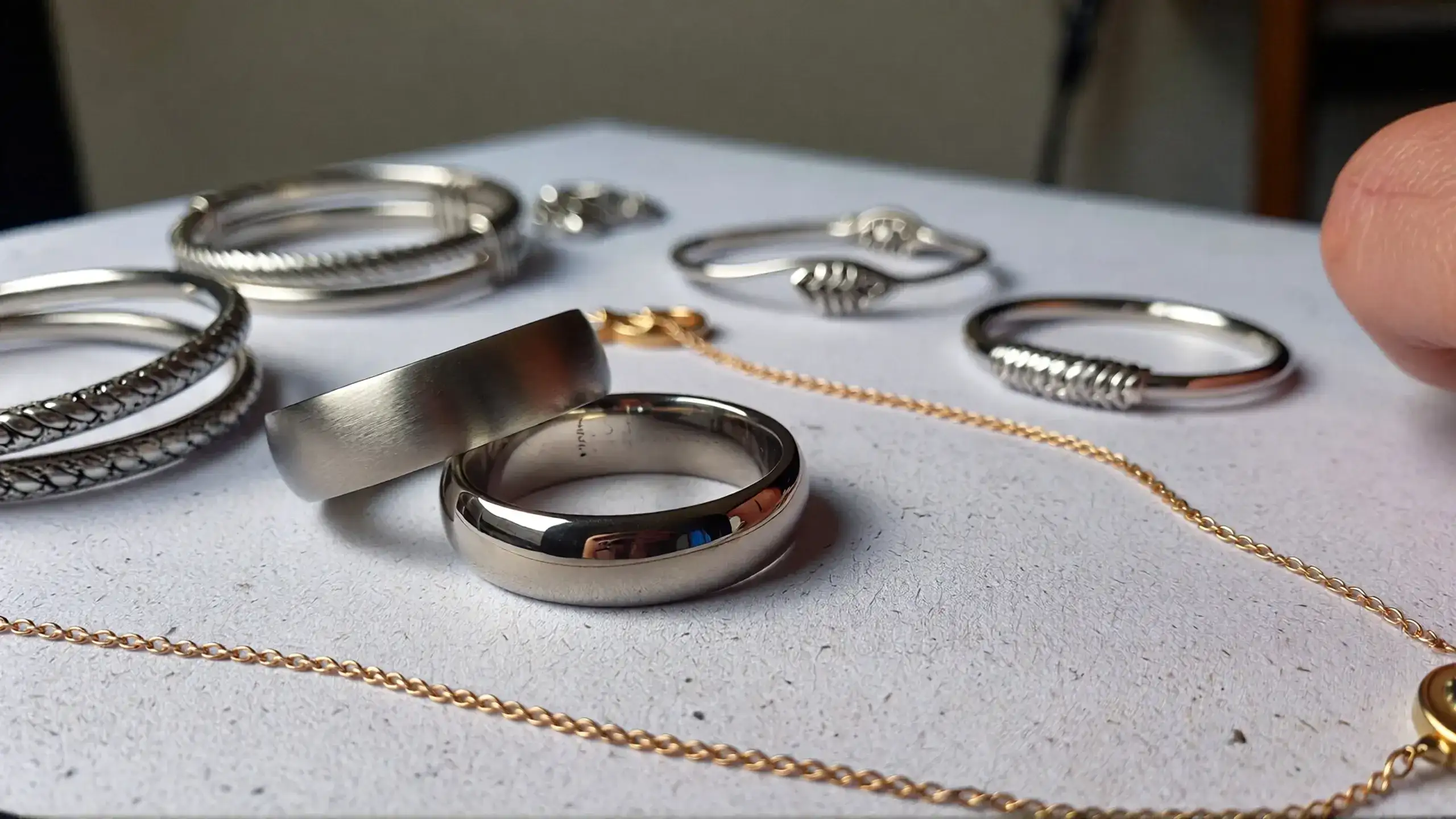
Complete Guide to Testing, Safety & Identification
Understanding which jewelry metals are magnetic matters more than you might think. Whether you’re preparing for an MRI scan, authenticating a gold necklace, or simply choosing jewelry that won’t trigger metal detectors, knowing how different metals interact with magnets affects your safety, wallet, and daily convenience.
The most common non-magnetic jewelry metals are gold, silver, platinum, copper, brass, titanium, and aluminum. These metals exhibit diamagnetic or weakly paramagnetic properties, meaning they either weakly repel magnets or show minimal attraction. Unlike ferromagnetic metals such as iron, nickel, and cobalt, non-magnetic metals won’t stick to a magnet and are generally safer for medical environments, electronic devices, and sensitive applications.
This comprehensive guide covers everything from the science behind magnetic properties to practical testing methods you can use at home. You’ll learn which metals are truly safe for MRI scans, how to authenticate jewelry using magnet tests, and why understanding magnetic properties can save you from purchasing counterfeit pieces.
Understanding Magnetism in Jewelry Metals
Not all metals respond to magnets the same way. The magnetic behavior of metals depends on their atomic structure, specifically how electrons are arranged and whether they’re paired or unpaired. This fundamental property determines whether a metal will stick to your refrigerator magnet or remain completely unaffected.
Metals fall into three main magnetic categories that determine their interaction with magnetic fields:
Ferromagnetic metals are strongly attracted to magnets and can themselves become permanent magnets. Iron, nickel, and cobalt are the primary ferromagnetic elements. These metals have unpaired electrons with aligned spins, creating powerful internal magnetic fields. When you find magnetic jewelry, it almost always contains one of these metals, either as the primary component or within an alloy. Stainless steel jewelry, for example, is often magnetic because it contains iron.
Paramagnetic metals show weak attraction to magnets but cannot become permanent magnets themselves. Aluminum, platinum, and titanium fall into this category. These metals have unpaired electrons, but their magnetic moments don’t align uniformly. In practical terms, you won’t notice any attraction unless you use extremely powerful magnets. Most paramagnetic jewelry metals behave as if they’re non-magnetic in everyday situations.
Diamagnetic metals are weakly repelled by magnetic fields, though this repulsion is so slight that it’s nearly impossible to detect without specialized equipment. Gold, silver, and copper are diamagnetic. These metals have all their electrons paired, so they generate no internal magnetic field. Instead, they create a weak opposing field when exposed to magnetism.
Understanding these categories helps explain why a magnet test can identify fake gold (which often contains magnetic metals) but won’t definitively prove authenticity (since some non-precious metals are also non-magnetic). The magnetic properties of jewelry depend not just on the primary metal but also on any alloys mixed in during manufacturing.
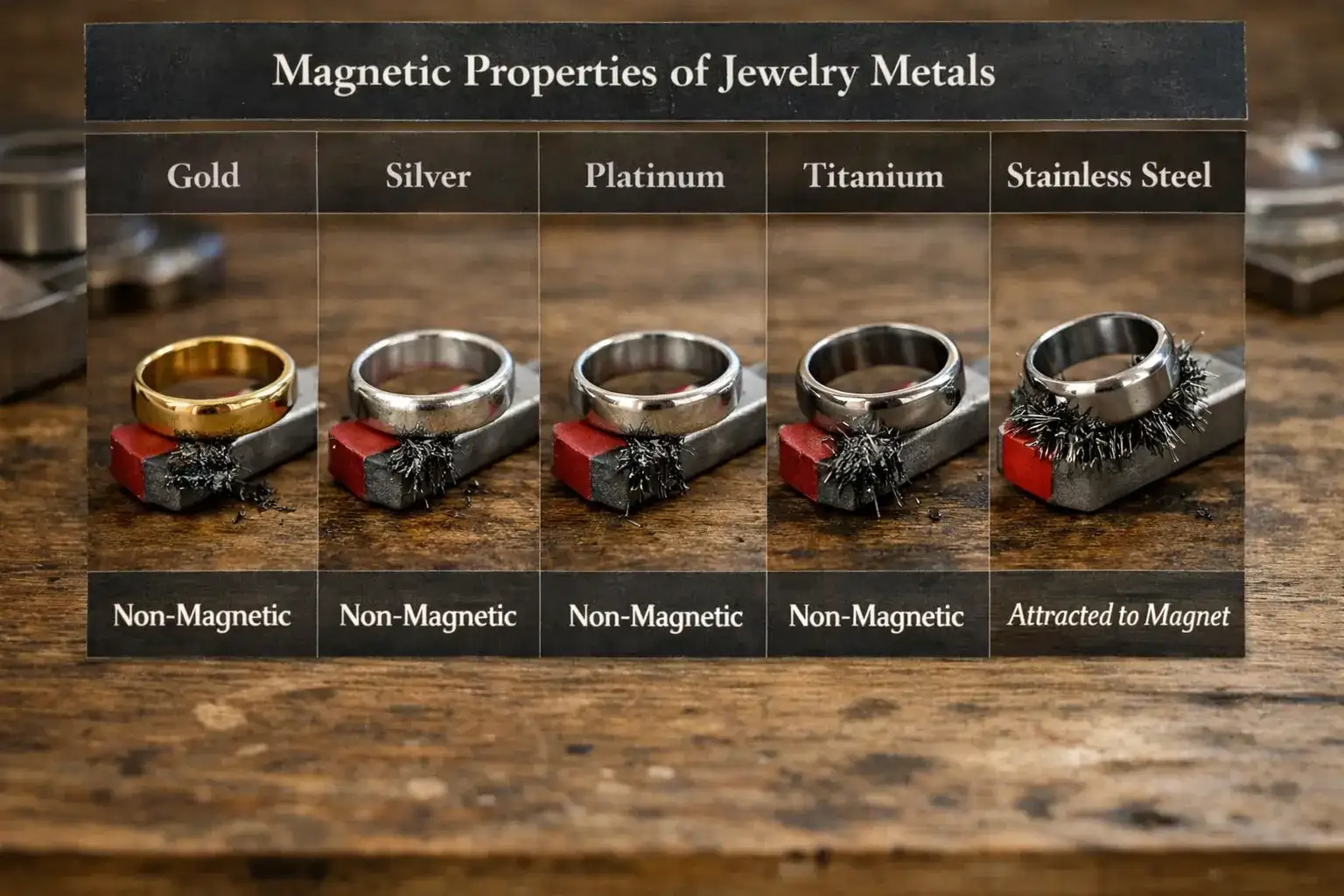
Complete Database of Non-Magnetic Jewelry Metals
This comprehensive reference covers all commonly used non-magnetic metals in jewelry making, their specific properties, and typical applications. Each metal’s magnetic classification, allergy potential, and practical considerations are included to help you make informed choices.
Gold (24K Pure and High-Karat Alloys)
Pure gold is diamagnetic and will never be attracted to a magnet. However, gold jewelry is rarely made from 24-karat (99.9% pure) gold because pure gold is too soft for everyday wear. Most gold jewelry uses alloys that combine gold with harder metals to improve durability.
Yellow gold in 14K or 18K contains copper and silver, neither of which are magnetic. Rose gold gets its pinkish hue from higher copper content—still non-magnetic. White gold, however, presents a complexity: traditional white gold alloys often include nickel (which is magnetic), though modern formulations increasingly use palladium instead. If your white gold ring shows slight magnetic attraction, it likely contains nickel and is still genuine gold, just with a magnetic alloy component.
The karat system indicates gold purity: 24K is pure gold, 18K is 75% gold, 14K is 58.3% gold, and 10K is 41.7% gold. Lower karat gold contains more alloy metals, but as long as those alloys are copper, silver, zinc, or palladium, the piece remains non-magnetic. The magnetic test helps identify gold-plated costume jewelry with magnetic cores but won’t tell you the karat value of genuine gold.
Silver (Sterling and Fine)
Silver is diamagnetic and exhibits an interesting property called the diamagnetic slide effect. When you tilt a pure silver bar at a 45-degree angle and slide a strong neodymium magnet down it, the magnet will descend slowly rather than falling off immediately. This happens because the moving magnet induces tiny electrical currents in the silver, creating a weak opposing magnetic field that slows its descent.
Sterling silver (92.5% silver, 7.5% copper) behaves identically to pure silver regarding magnetism since copper is also non-magnetic. The “925” hallmark stamped on sterling silver indicates this composition. Fine silver (99.9% pure) is sometimes used for intricate designs but is softer than sterling silver.
One critical point: just because something is non-magnetic doesn’t mean it’s silver. Aluminum, brass, and many other inexpensive metals are also non-magnetic. This is why the magnetic test alone cannot authenticate silver—it can only eliminate items that are magnetic (and therefore not pure silver or sterling silver). Always look for hallmarks and consider additional testing methods like acid testing for authentication.
Platinum
Platinum is weakly paramagnetic, meaning it shows minimal attraction to very strong magnets but behaves as non-magnetic in practical situations. Jewelry-grade platinum is typically 90-95% pure, alloyed with ruthenium, iridium, or palladium—none of which are magnetic. Some platinum alloys use cobalt (which is magnetic), but this is rare in modern jewelry.
Platinum’s density (21.45 g/cm³) makes it noticeably heavier than white gold or silver of the same size. This weight difference, combined with the “PLAT” or “PT950” hallmark, provides more reliable identification than magnetic testing. Platinum jewelry won’t stick to magnets and maintains its white color without needing rhodium plating like white gold does.
Titanium
Titanium is paramagnetic but so weakly that it’s effectively non-magnetic for jewelry purposes. Its lightweight nature (60% lighter than steel), extreme durability, and hypoallergenic properties make it popular for rings, earrings, and body piercings. Titanium won’t corrode, tarnish, or cause skin reactions in people with nickel allergies.
For MRI safety, titanium is considered one of the safest metals because it’s non-ferromagnetic. Medical implants—from joint replacements to dental implants—are commonly made from titanium precisely because it won’t react dangerously to MRI magnetic fields. The same holds true for titanium jewelry.
Copper
Copper is diamagnetic and will never stick to a magnet. Pure copper jewelry has a distinctive reddish-orange color that develops a green patina (copper carbonate) over time when exposed to moisture and air. This natural aging process is sometimes desirable for vintage aesthetics but can be prevented with clear coatings.
Copper is highly conductive and commonly used in electrical applications, but in jewelry, it’s valued for its affordability, malleability, and purported health benefits (though scientific evidence for copper bracelets relieving arthritis remains inconclusive). Copper allergies are less common than nickel allergies but do occur in some people.
Brass
Brass—an alloy of copper and zinc—is non-magnetic because neither component is magnetic. Brass jewelry has a gold-like appearance at a fraction of the cost, making it popular for affordable fashion jewelry and vintage-style pieces. The exact color depends on the copper-to-zinc ratio: higher copper content produces a reddish brass, while higher zinc creates a more yellowish tone.
Like copper, brass will tarnish over time and may cause skin discoloration (the infamous “green finger”) due to copper oxidation. Sealed or lacquered brass resists tarnishing but requires careful cleaning to avoid damaging the protective coating.
Bronze
Bronze (copper alloyed with tin) is non-magnetic and valued for its strength and resistance to corrosion, especially from seawater. Bronze has been used in jewelry for thousands of years, particularly in ancient civilizations. Modern bronze jewelry often has an antique or rustic appearance, with rich brown and gold tones that develop naturally over time.
Some bronze alloys include small amounts of other metals like aluminum (aluminum bronze) or manganese, but these additions don’t introduce magnetic properties. Bronze is harder than brass and less prone to tarnishing, though it will still develop a patina unless sealed.
Aluminum
Aluminum is paramagnetic but won’t noticeably react to household magnets. Its extremely light weight makes it suitable for large statement jewelry pieces that would be uncomfortable if made from denser metals. Aluminum is hypoallergenic, resistant to tarnishing, and can be anodized to create vibrant, permanent colors.
Though less common in fine jewelry, aluminum appears frequently in contemporary and artisan pieces where lightweight comfort and modern aesthetics are priorities. It won’t corrode like steel or tarnish like silver, making it virtually maintenance-free.
Stainless Steel (Austenitic Grades)
Not all stainless steel is created equal regarding magnetic properties. Austenitic stainless steel (300 series, particularly 304 and 316L) is minimally magnetic and commonly used in jewelry due to its hypoallergenic properties, affordability, and durability. However, ferritic stainless steel (400 series) is magnetic and less suitable for applications requiring non-magnetic materials.
Quality stainless steel jewelry should be marked “316L” or “surgical steel,” indicating austenitic composition. This grade resists corrosion exceptionally well, won’t tarnish, and maintains its polish indefinitely with minimal care. It’s a popular choice for men’s jewelry, body piercings, and affordable wedding bands.
Zirconium
Zirconium is a non-magnetic metal similar to titanium in properties but with a warmer, darker gray-brown tone. It’s extremely corrosion-resistant and can be heat-treated to create deep black surfaces without coatings or plating. Zirconium jewelry is hypoallergenic and suitable for people with metal sensitivities.
While less common than titanium or stainless steel, zirconium has gained popularity in modern jewelry design, particularly for men’s wedding bands where its unique color provides an alternative to traditional metals.
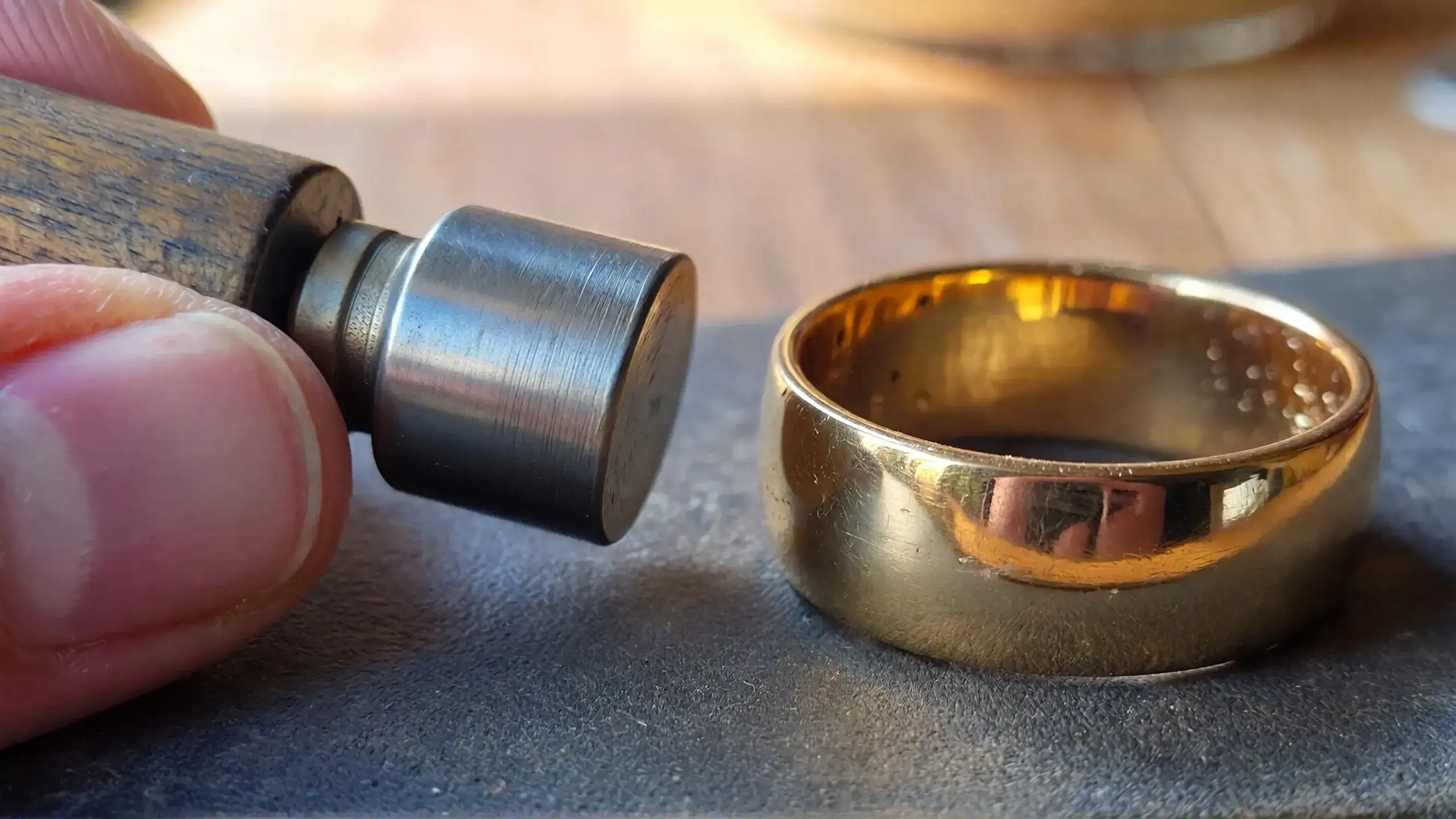
How to Test Jewelry Magnetism at Home
Testing whether your jewelry is magnetic requires only a simple magnet and a few minutes. The magnet test is a quick screening tool that can help identify fake precious metals or determine if a piece is safe for MRI environments. While it won’t definitively prove authenticity, it’s an excellent first step in jewelry evaluation.
What You’ll Need
The most important tool is a strong neodymium magnet, also called rare-earth magnets. Standard refrigerator magnets are too weak to detect subtle magnetic properties in jewelry alloys. Neodymium magnets are small, powerful, and inexpensive—you can find them at hardware stores or online for a few dollars. A keychain-sized neodymium magnet provides plenty of strength for jewelry testing.
You’ll also want a non-magnetic surface like wood, plastic, or glass to place your jewelry on during testing. Avoid metal tables or surfaces that might interfere with test results.
The Basic Magnetic Attraction Test
Place your jewelry item flat on a wooden or plastic surface. Hold the neodymium magnet a few inches above the piece, then slowly bring it closer. Pay attention to whether the jewelry moves toward the magnet, remains stationary, or (very rarely) appears to be slightly repelled.
Strong attraction: If the jewelry snaps to the magnet or shows obvious pull, it contains ferromagnetic metals like iron, nickel, or cobalt. This result immediately rules out pure gold, silver, platinum, copper, or brass. The piece is either costume jewelry with a magnetic core, low-karat gold with high nickel content, or plated base metal.
Weak attraction: A very slight pull might indicate white gold with nickel content, certain stainless steel grades, or platinum with cobalt (rare). This result requires additional testing but doesn’t automatically mean the piece is fake.
No reaction: The jewelry remains completely unaffected by the magnet, which is consistent with precious metals like gold, silver, or platinum—but also consistent with many non-precious metals like aluminum, brass, or copper. Further authentication is needed.
The Diamagnetic Slide Test (Silver & Copper)
This advanced test exploits silver’s diamagnetic properties to help authenticate silver items. It works best with flat objects like coins, bars, or trays that can be tilted at an angle.
Hold a silver coin or bar at a 45-degree angle. Place your neodymium magnet at the top and let it slide down the surface. On genuine silver, the magnet will descend slowly—almost as if moving through thick syrup—rather than sliding off quickly. This slow descent happens because the moving magnet induces electrical currents in the silver, creating a weak opposing magnetic field.
Non-silver coins or bars (except copper, which also slows the magnet but less dramatically) will let the magnet slide off rapidly. This test is particularly useful for coin collectors and those dealing with silver bullion. Note that silver-plated items over copper cores will still pass this test since copper is also diamagnetic.
Testing Jewelry with Clasps or Mixed Components
Many necklaces and bracelets have magnetic clasps for easy attachment, even though the chain itself is non-magnetic precious metal. When testing such pieces, test multiple areas: the chain, pendant, clasp, and any decorative elements separately. A magnetic clasp doesn’t mean the entire piece is worthless—it may simply be a functional design choice on an otherwise genuine gold or silver chain.
Similarly, some jewelry combines different metals: a gold setting with a steel pin, or silver earrings with surgical steel posts. Test each component individually to get accurate results.
Limitations of Magnetic Testing
The magnetic test cannot definitively authenticate jewelry. Many counterfeit items use non-magnetic base metals and heavy gold plating to pass magnet tests while looking genuine. Conversely, some authentic white gold pieces contain enough nickel to show weak magnetic attraction.
For definitive authentication, combine magnetic testing with other methods: hallmark inspection, acid testing, X-ray fluorescence (XRF) analysis, or consultation with a certified appraiser. The magnet test’s real value lies in its ability to quickly eliminate obvious fakes with magnetic cores.
### 🔧 Recommended Neodymium Magnet
**Rare-Earth Neodymium Magnets for Jewelry Testing**
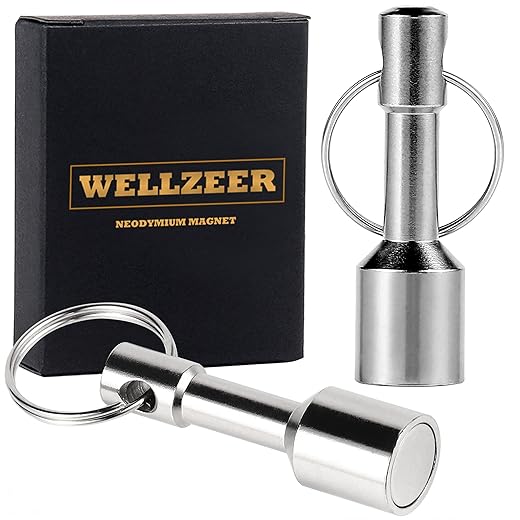
* ✓ Perfect strength for detecting magnetic properties
* ✓ Small keychain size for easy testing
* ✓ Durable NdFeB composition
* ✓ Includes multiple magnets for different applications
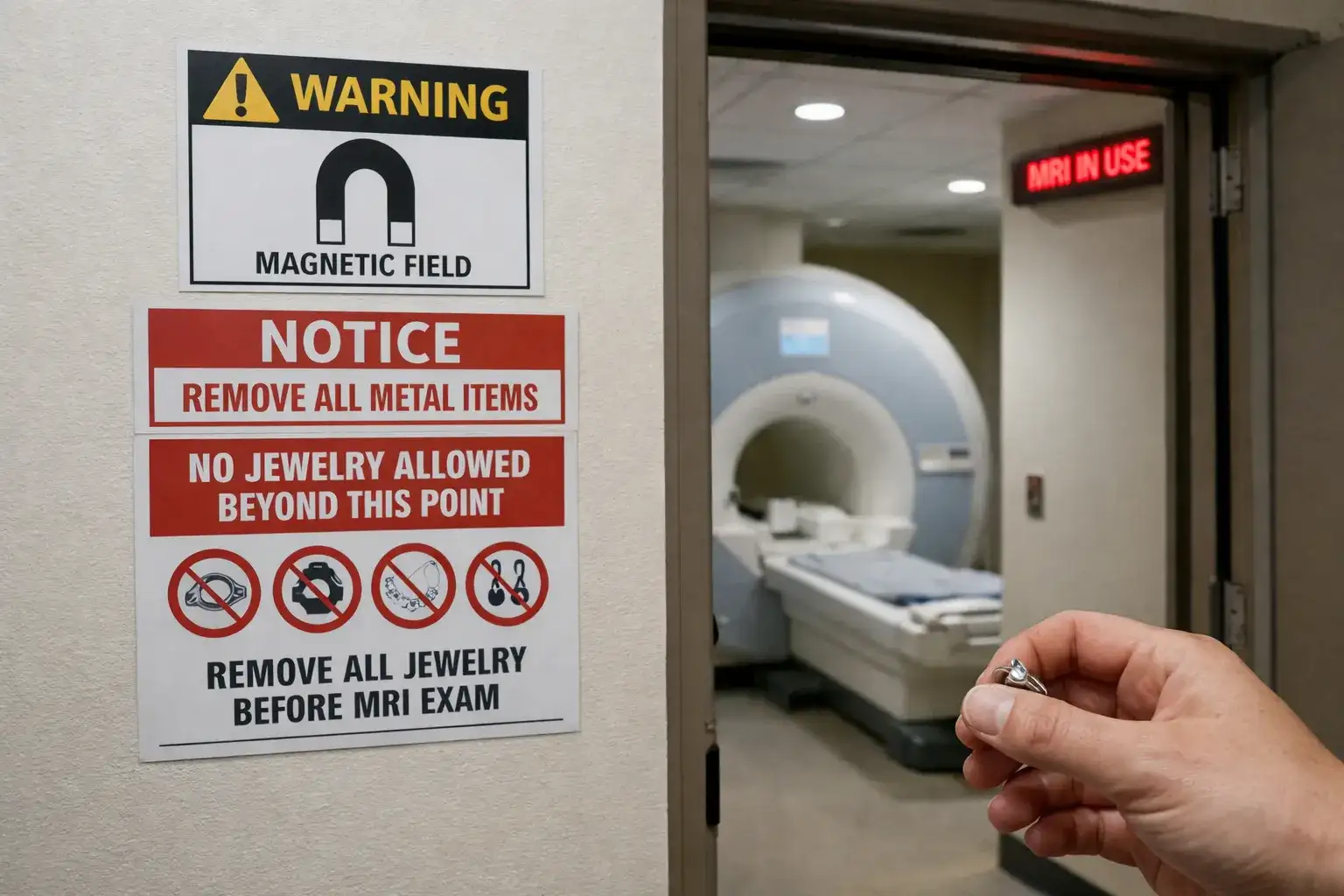
MRI Safety and Non-Magnetic Jewelry
Magnetic Resonance Imaging (MRI) machines use extraordinarily powerful magnets—typically 1.5 to 3 Tesla, which is 30,000 to 60,000 times stronger than Earth’s magnetic field. At these intensities, even weakly magnetic materials can pose serious risks, making it critical to understand which jewelry is truly MRI-safe and which must be removed.
Why Metal Jewelry Is Dangerous in MRI Environments
The primary risks of wearing jewelry during an MRI scan include projectile motion, localized heating, and image distortion. Ferromagnetic metals like iron, nickel, and cobalt can be violently pulled toward the MRI scanner with lethal force. Even small items like earrings or nose rings have become dangerous projectiles in MRI rooms.
Both ferromagnetic and non-ferromagnetic metals can heat up dramatically when exposed to the radiofrequency energy used during MRI imaging. Studies have documented jewelry heating to temperatures exceeding 180°F (82°C), causing severe burns. This thermal effect occurs with gold, silver, and other non-magnetic metals that are excellent electrical conductors—the radiofrequency waves induce electrical currents in the metal, generating heat.
Metal jewelry also causes image artifacts—distortions and signal loss that can obscure the area being examined or lead to misdiagnosis. Even titanium, which is considered MRI-safe for implants, can cause minor artifacts if positioned directly in the imaging field.
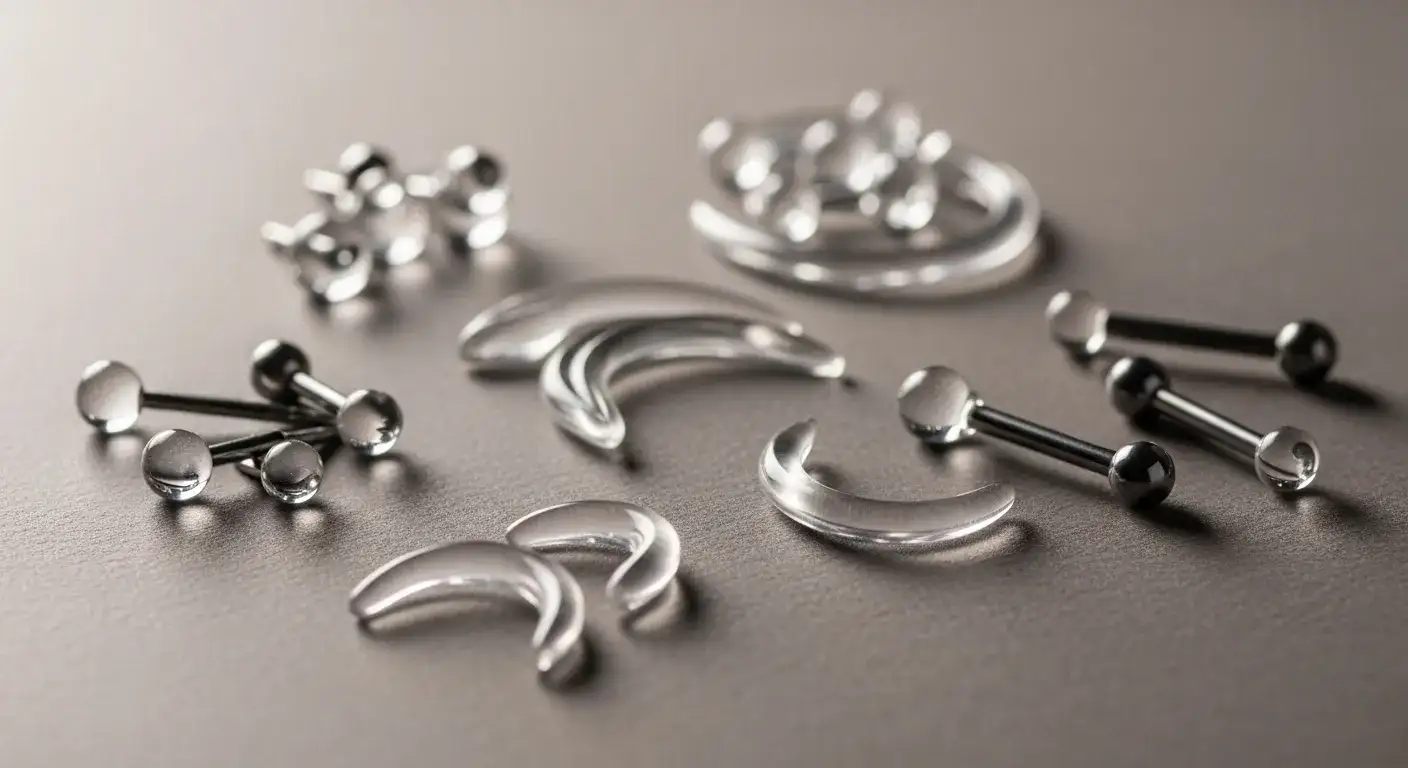
Truly MRI-Safe Jewelry Options
For patients who cannot easily remove body piercings, several genuinely MRI-safe alternatives exist. Clear acrylic or plastic retainers are the gold standard for temporary replacement of metal piercings during MRI scans. These materials contain no metal, won’t heat up, cause no image artifacts, and can keep piercings open during the procedure. They’re available for virtually every piercing type: nose studs, septum rings, tongue bars, nipple rings, and ear gauges.
Titanium piercings are generally considered MRI-safe because titanium is non-ferromagnetic—it won’t be pulled toward the magnet. However, even titanium can potentially cause minor heating or artifacts, so many MRI facilities still prefer patients to replace titanium piercings with plastic retainers when possible, especially if the piercing is near the imaging area.
Wooden body jewelry is another non-magnetic option, though less commonly used for piercings due to hygiene concerns and the difficulty of proper sterilization.
### 🔧 Recommended MRI-Safe Retainers
**Clear Acrylic Bioflex Piercing Retainer Kit**

* ✓ Completely non-metallic for MRI safety
* ✓ Transparent design keeps piercings open
* ✓ Hypoallergenic biocompatible material
* ✓ Multiple sizes for various piercing types
What About “Non-Magnetic” Precious Metals?
Even though gold, silver, and platinum won’t be pulled toward the MRI magnet, they must still be removed before scans. Their high electrical conductivity makes them susceptible to dangerous heating from radiofrequency energy. Additionally, precious metal jewelry often contains small amounts of magnetic alloys—white gold frequently includes nickel, and some platinum alloys contain cobalt.
Surgical steel is particularly problematic despite being marketed as “non-magnetic” for body jewelry. Most surgical steel contains nickel and shows measurable magnetic properties. While everyday magnets might not attract it noticeably, MRI-strength magnetic fields certainly will.
Medical Implants and Permanent Jewelry
Fixed medical implants present a different challenge than removable jewelry. Titanium implants (joint replacements, dental implants, bone pins) are thoroughly tested for MRI compatibility and considered safe. Modern cardiac devices, including pacemakers and defibrillators, have become increasingly MRI-conditional, meaning they can undergo MRI with specific protocols in place.
Permanent jewelry—chains or bracelets welded closed without clasps—requires special consideration. If made from pure precious metals (gold, platinum), they theoretically pose only heating risks, not projectile risks. However, most MRI facilities will require their removal anyway to eliminate any possibility of thermal injury. Before getting permanent jewelry, consider whether you might need MRI scans in the future.
Pre-MRI Jewelry Checklist
Before your MRI appointment, remove all jewelry from your body and secure it in a safe location away from the scanner room. This includes obvious items like necklaces, rings, and bracelets, as well as less obvious ones like body piercings, belly button rings, and even some bra clasps containing metal.
Inform your MRI technologist about any jewelry that cannot be easily removed, including permanent jewelry or piercings that have closed up too much for comfortable removal. They can help determine if plastic retainers are acceptable or if the scan needs to be postponed until the jewelry can be safely removed.
Remember that the danger exists in the entire MRI suite, not just inside the scanner bore. The magnetic field extends several feet beyond the machine and is always active, even when no scan is running. Keep all metal jewelry secured in designated safe zones outside the MRI room.
Real-World Applications of Non-Magnetic Jewelry
Understanding magnetic properties isn’t just about science—it has practical implications for everyday situations ranging from airport security to professional requirements. Choosing non-magnetic jewelry can significantly impact your convenience, safety, and peace of mind.
Airport Security and Metal Detectors
Airport metal detectors use electromagnetic fields to identify metal objects passing through them. Interestingly, these detectors respond to conductivity rather than magnetism, meaning both magnetic and non-magnetic metals will trigger them. Your gold wedding band will set off a metal detector just as readily as a steel bracelet.
However, non-magnetic jewelry typically triggers less alarm intensity because precious metals like gold and platinum have different conductivity signatures than threatening ferromagnetic objects. TSA agents are accustomed to jewelry alerts and generally allow passengers to keep non-threatening items on during secondary screening.
For frequent travelers, titanium jewelry offers a practical compromise—it’s lightweight, durable, and causes minimal detector sensitivity while being completely non-magnetic. Many frequent fliers opt for titanium wedding bands or simple stud earrings to reduce security screening friction.
Pacemakers and Medical Device Compatibility
People with pacemakers, implantable cardioverter-defibrillators (ICDs), or other electronic medical devices should be cautious about magnetic jewelry. While typical non-magnetic jewelry metals pose no risk, certain magnetic clasps on necklaces or bracelets can potentially interfere with device function if worn directly over the implant site.
Medical device manufacturers typically recommend keeping magnets at least six inches away from pacemakers. This means magnetic jewelry clasps—which use neodymium magnets for easy attachment—should not be worn on necklaces or bracelets by pacemaker patients. Opt instead for non-magnetic lobster clasps, spring rings, or screw clasps.
The good news: all precious metals (gold, silver, platinum) are completely safe for pacemaker patients. The devices respond to magnetic fields, not to non-magnetic conductive metals. Your gold jewelry collection is perfectly safe to wear.
Watch Movements and Timekeeping Precision
Mechanical watch movements are vulnerable to magnetization, which can cause them to run fast, slow, or stop entirely. Traditional watch movements contain ferromagnetic steel components—balance springs, escapement parts, gears—that can become magnetized when exposed to magnetic fields from electronics, magnetic clasps, or even MRI environments.
This is why high-end watchmaking has increasingly adopted non-magnetic movements using silicon balance springs and other non-ferromagnetic materials. Omega’s Master Chronometer watches resist magnetic fields up to 15,000 gauss—far exceeding traditional watch resistance.
If you wear both a mechanical watch and jewelry with magnetic clasps, keep them separated. Don’t store your watch next to jewelry with magnetic components. If your watch becomes magnetized (runs noticeably fast), watchmakers can easily demagnetize it using specialized equipment.
Professional Requirements in Specialized Fields
Certain professions require non-magnetic jewelry for safety or functional reasons. MRI technologists and radiologists working around powerful magnets obviously need non-magnetic jewelry and watches. Jewelers who work with precious metals often prefer non-magnetic tools and accessories to avoid contaminating their work with ferromagnetic particles.
Electronics professionals working with sensitive components sometimes avoid magnetic jewelry to prevent accidental damage to hard drives, memory cards, or other magnetically sensitive devices. While the risk from body jewelry is minimal, many prefer titanium or precious metal pieces over stainless steel to eliminate any concern.
Divers and underwater professionals favor titanium, platinum, or high-grade stainless steel jewelry because these materials resist saltwater corrosion far better than gold or silver. The non-magnetic properties are secondary benefits, but the durability makes them practical choices for demanding environments.
Common Mistakes and Misconceptions About Magnetic Jewelry
Misunderstandings about magnetic properties in jewelry lead to authentication errors, unnecessary safety concerns, and poor purchasing decisions. Clearing up these misconceptions helps you make informed choices and avoid costly mistakes.
Myth: “Non-Magnetic Means It’s Real Gold or Silver”
This is perhaps the most dangerous misconception. Passing the magnet test proves only that an item doesn’t contain ferromagnetic metals—it says nothing about whether the piece is genuine precious metal. Aluminum, brass, copper, and many other inexpensive metals are also non-magnetic.
Sophisticated counterfeiters deliberately use non-magnetic base metals precisely because many buyers rely solely on the magnet test for authentication. A gold-plated brass ring will pass the magnet test perfectly while being worth a fraction of solid gold. Always combine magnetic testing with hallmark verification, weight assessment, and professional appraisal when authenticating expensive jewelry.
Myth: “All White Gold Is Slightly Magnetic”
While many white gold alloys contain nickel (which is magnetic), not all do. Modern white gold formulations increasingly use palladium instead of nickel to create the white color, making them completely non-magnetic. If your white gold shows no magnetic attraction, it doesn’t mean it’s fake—it likely uses a palladium-based alloy.
The confusion arises because older white gold jewelry and some lower-quality pieces do contain nickel. European white gold particularly favors palladium alloys. When testing white gold, a slight magnetic pull is normal and expected for nickel-containing pieces, but complete non-magnetism is equally authentic for palladium-based formulations.
Myth: “Surgical Steel Is Non-Magnetic and Safe for MRI”
“Surgical steel” is a marketing term without precise technical definition. Most surgical steel used in body jewelry is 316L stainless steel, which is weakly magnetic due to nickel content. While it won’t stick strongly to household magnets, MRI-strength magnetic fields will definitely interact with it.
Some surgical steel is genuinely non-magnetic (austenitic 304 grade), but you can’t determine the grade just from “surgical steel” labeling. For MRI safety, never assume surgical steel piercings are safe—replace them with clear plastic retainers or confirmed titanium alternatives. For general wear, surgical steel’s weak magnetism isn’t a concern, but it’s not truly “non-magnetic” in technical terms.
Myth: “Platinum Is Magnetic”
Pure platinum is paramagnetic—it shows extremely weak attraction to very strong magnets but behaves as non-magnetic in practical situations. You won’t see platinum jewelry stick to magnets or cause problems in MRI environments the way ferromagnetic metals would.
This misconception probably stems from confusion with white gold (which can be magnetic) or from people conflating “paramagnetic” with “magnetic.” Platinum jewelry is safe for MRI patients regarding magnetic pull, though it should still be removed due to heating concerns from radiofrequency exposure.
Myth: “Gold-Filled Jewelry Should Pass the Magnet Test”
High-quality gold-filled jewelry should indeed be non-magnetic because gold-filled pieces have thick layers of real gold bonded to base metal cores. However, the base metal core might be brass (non-magnetic) or a steel alloy (magnetic). Passing the magnet test is expected but not guaranteed for gold-filled pieces.
The term “gold-filled” has legal definitions requiring at least 5% gold by weight, with the gold layer mechanically bonded to the core. This differs from gold-plated (thin electroplated layer) or gold-washed (microscopically thin coating). Genuine gold-filled jewelry from reputable manufacturers should use non-magnetic base metals, but lower-quality pieces might surprise you.
Mistake: Testing Jewelry Near Clasps or Findings
Many otherwise non-magnetic jewelry pieces have magnetic clasps specifically designed for easy attachment. Testing near these clasps and concluding the entire piece is magnetic misrepresents the jewelry’s composition. Similarly, some earrings use magnetic closures even though the posts and decorative elements are solid gold or silver.
When testing jewelry, examine multiple sections: the chain separate from the clasp, both the front and back of pendants, and all components of earrings individually. A magnetic clasp doesn’t diminish the value of a genuine gold chain—it’s simply a functional design choice.
### 🔧 Recommended Gold Testing Kit
**Complete Acid Testing Kit for Gold and Silver**

* ✓ Tests 10K, 14K, 18K, and 22K gold authenticity
* ✓ Includes silver testing solutions
* ✓ Professional-grade accuracy
* ✓ Comes with testing stone and instructions
When Non-Magnetic Properties Matter Most
Not every jewelry purchase requires consideration of magnetic properties, but specific situations make this characteristic critically important for safety, functionality, or authenticity verification.
Medical Scenarios Requiring Non-Magnetic Jewelry
Beyond MRI scans, other medical situations make non-magnetic jewelry essential. CT scans can accommodate most jewelry if it’s positioned outside the imaging field, but MRI’s powerful magnets create unique dangers. Patients undergoing frequent medical imaging should consider investing in titanium or plastic jewelry for piercings that can’t be easily removed.
Some radiation therapy treatments require patients to be completely metal-free during sessions. Chemotherapy ports, surgical sites, and wound dressings near metal jewelry can complicate treatment. Discussing jewelry concerns with your healthcare team before procedures prevents last-minute complications.
Permanent jewelry raises particular concerns for medical patients. The trend of soldered-on bracelets or anklets that never come off can interfere with medical care. Before getting permanent jewelry, consider your likelihood of needing imaging studies, surgeries, or emergency medical care where removal would be necessary.
Authentication and Valuation Context
When purchasing expensive jewelry or assessing pieces for resale, magnetic testing provides a quick preliminary screen. High-end jewelry should never show strong magnetic attraction—if it does, you’re either dealing with costume jewelry or a piece with unusual composition that requires explanation.
Estate jewelry evaluation particularly benefits from magnetic testing because older pieces sometimes have hidden repairs using incompatible metals, later additions of magnetic clasps, or misrepresented composition. A Victorian gold locket that’s strongly magnetic likely has steel components or repairs that affect value.
However, professional appraisers never rely solely on magnetic tests. Combine this quick check with hallmark examination, weight measurement, acid testing, and potentially XRF (X-ray fluorescence) analysis for definitive composition identification. The magnet test’s value in appraisal is eliminating obvious fakes quickly, not providing final authentication.
Specialty Applications: Watchmaking and Electronics
Watch enthusiasts and collectors need to understand both their watches’ magnetic vulnerability and how their jewelry choices might affect timepiece accuracy. Automatic watches with traditional movements are susceptible to magnetization from electronic devices, magnetic closures on bags, and yes, jewelry with magnetic components.
If you wear both fine watches and jewelry, keep them physically separated when removed. Don’t store your automatic watch in a jewelry box with magnetic clasps or near jewelry with magnetic closures. Modern anti-magnetic watches (using silicon components or magnetic shielding) reduce these concerns, but traditional movements remain vulnerable.
Electronics professionals handling sensitive components sometimes prefer titanium wedding bands or completely forgoing jewelry during work. While the magnetic field from a typical non-magnetic jewelry piece poses negligible risk to modern electronics, peace of mind has value in precision work environments.
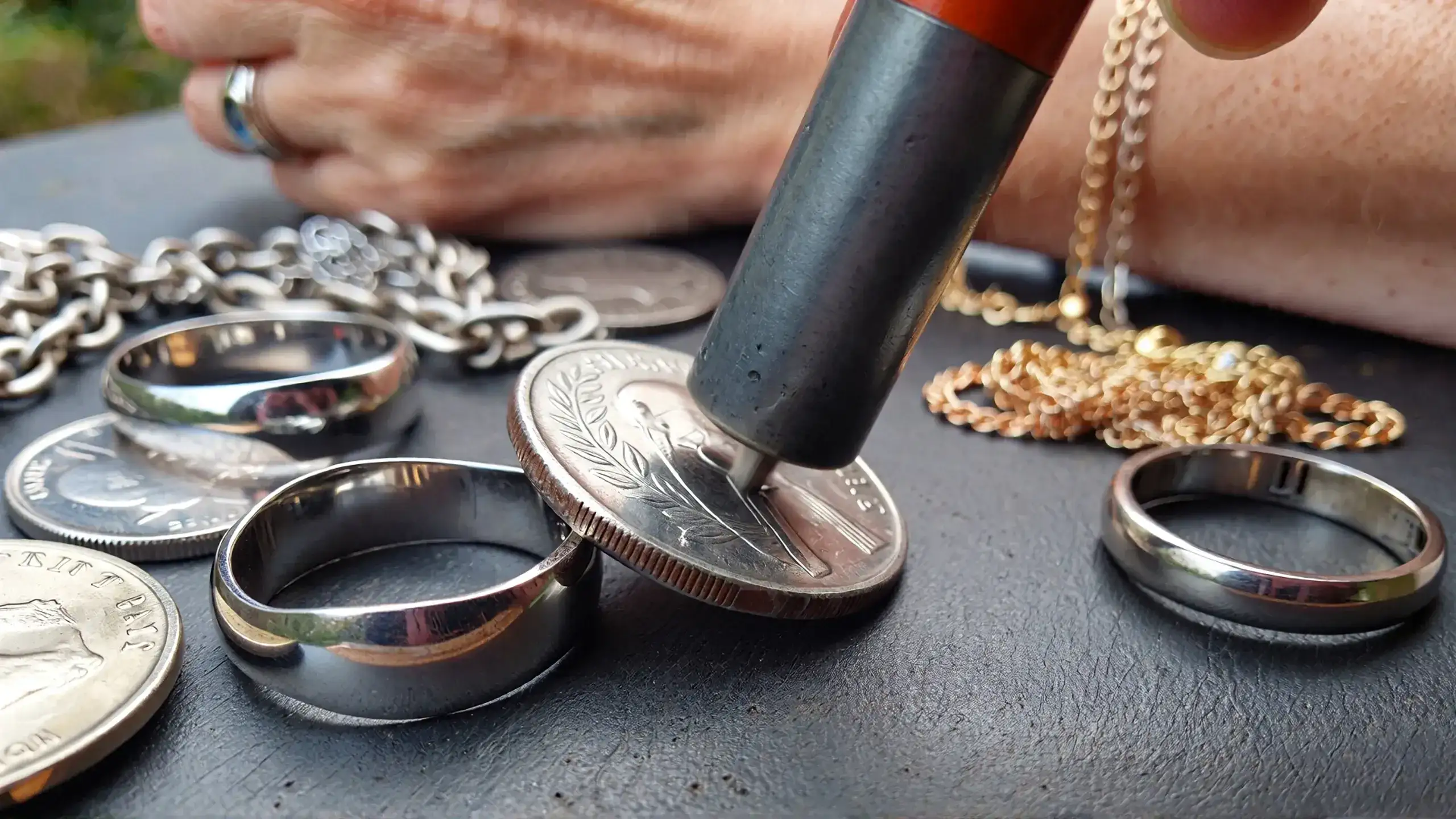
Comprehensive Properties Comparison Table
This table provides at-a-glance comparison of key properties for common jewelry metals, helping you make informed purchasing decisions based on your specific needs.
| Metal | Magnetic Type | MRI Safe? | Allergy Risk | Durability | Cost Tier | Tarnish Resistance |
|---|---|---|---|---|---|---|
| 24K Gold | Diamagnetic | Remove (heating) | None | Soft | Very High | Excellent |
| 18K Gold | Diamagnetic | Remove (heating) | Very Low | Moderate | High | Excellent |
| 14K Gold | Diamagnetic | Remove (heating) | Low | Good | Moderate-High | Excellent |
| White Gold | Varies* | Remove | Moderate** | Good | Moderate-High | Good |
| Sterling Silver | Diamagnetic | Remove (heating) | Very Low | Moderate | Moderate | Poor |
| Platinum | Paramagnetic | Remove (heating) | None | Excellent | Very High | Excellent |
| Titanium | Paramagnetic | Conditional | None | Excellent | Low-Moderate | Excellent |
| Copper | Diamagnetic | Remove (heating) | Low-Moderate | Moderate | Very Low | Poor |
| Brass | Diamagnetic | Remove (heating) | Low | Moderate | Very Low | Poor |
| Bronze | Diamagnetic | Remove (heating) | Low | Good | Very Low | Moderate |
| Stainless Steel (316L) | Weakly Magnetic | No | Very Low | Excellent | Low | Excellent |
| Aluminum | Paramagnetic | Conditional | Very Low | Moderate | Very Low | Good |
*White gold can be diamagnetic (palladium-based) or weakly magnetic (nickel-containing)
**Nickel-containing white gold can cause allergic reactions; palladium-based is hypoallergenic
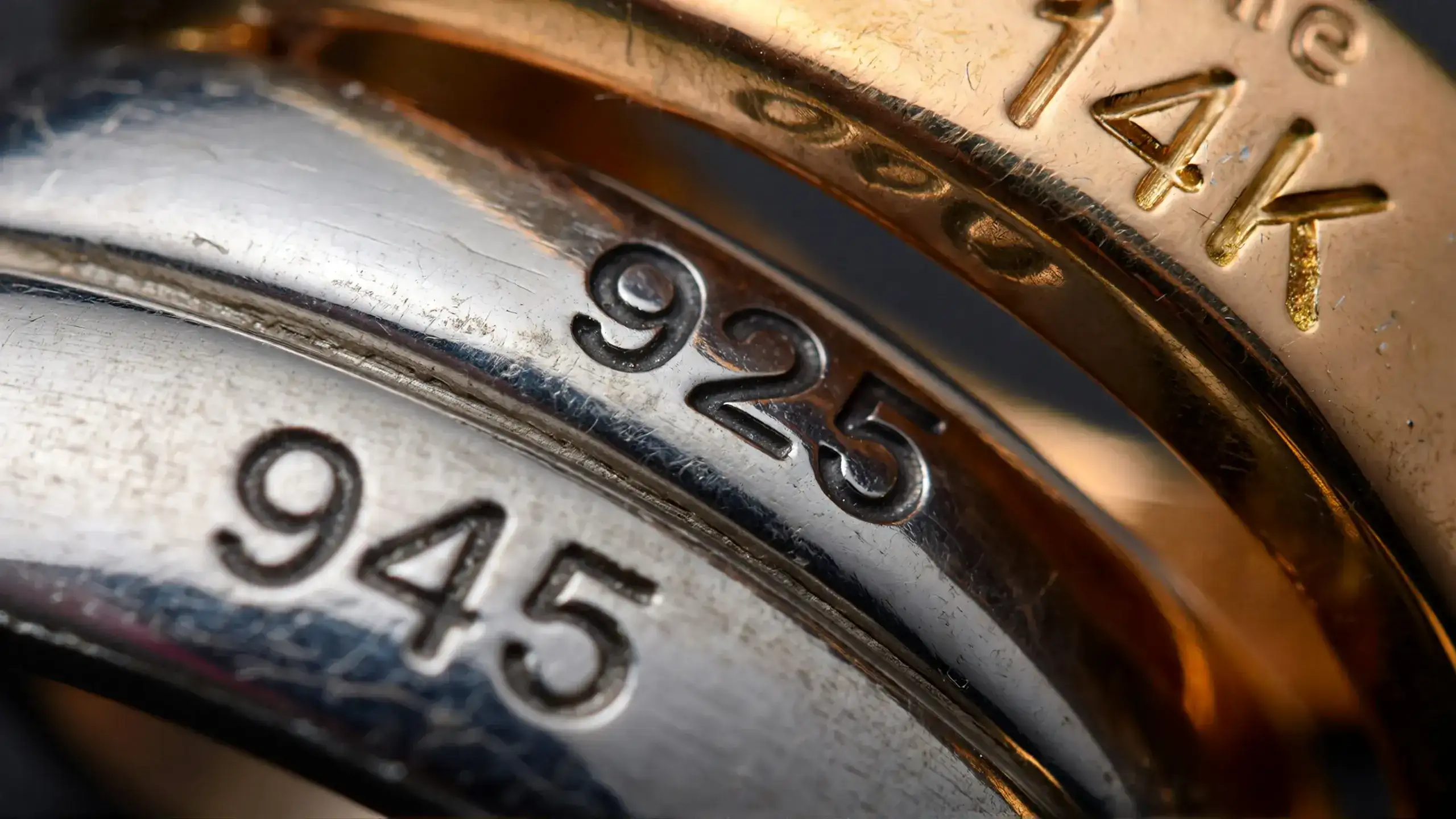
Buying Guide: Choosing Non-Magnetic Jewelry
Making informed jewelry purchases requires understanding not just whether a piece is magnetic, but whether its magnetic properties align with your needs, lifestyle, and any medical considerations.
Questions to Ask Before Purchasing
When shopping for jewelry, especially expensive pieces, ask specific questions about composition. For white gold, ask whether it contains nickel or palladium—this affects both magnetic properties and allergy potential. For “stainless steel,” ask for the specific grade (316L is preferred for minimal magnetism and hypoallergenic properties).
Request documentation of metal purity. Reputable jewelers provide certificates of authenticity for precious metals. Hallmarks stamped on jewelry indicate composition: 925 for sterling silver, 14K for 14-karat gold, PLAT for platinum. Examine these marks with a jeweler’s loupe to verify they’re stamped into the metal, not just painted on.
If you have specific medical needs—upcoming MRI scans, pacemaker restrictions, or metal allergies—explicitly state these requirements. Quality jewelers can recommend appropriate alternatives and verify composition to ensure safety.
Red Flags When Buying “Precious Metal” Jewelry
Several warning signs suggest jewelry might not be what it claims. Strong magnetic attraction immediately disqualifies any piece advertised as pure gold, silver, or platinum. Extremely light weight for the size suggests hollow construction or non-precious metal composition (though titanium and aluminum are legitimately lightweight).
Prices dramatically below market value for precious metals warrant skepticism. If an 18K gold bracelet costs the same as gold-plated jewelry, it’s almost certainly not genuine. Check current gold, silver, and platinum spot prices to establish reasonable baselines.
Missing or inconsistent hallmarks are concerning. Genuine precious metal jewelry should have clear, properly positioned hallmarks. Faint, illegible, or absent marks suggest the piece may be misrepresented. Be especially cautious with online purchases lacking detailed photos of hallmarks.
Best Non-Magnetic Options by Use Case
For daily wear jewelry with no special requirements, 14K gold offers the best balance of durability, appearance, and value. It’s non-magnetic, reasonably scratch-resistant, and hypoallergenic for most people. Sterling silver provides an attractive lower-cost alternative, though it requires more maintenance due to tarnishing.
For people who need frequent MRI scans, titanium jewelry represents the optimal choice. It’s non-ferromagnetic, lightweight, hypoallergenic, and won’t cause significant image artifacts. Clear acrylic retainers are essential for any piercings that can’t be removed.
For active lifestyles and sports, titanium or high-grade stainless steel (316L) excels. These metals resist scratching, won’t tarnish, and survive exposure to sweat, chlorine, and saltwater better than precious metals. Silicone rings offer an even safer option for activities where catching jewelry could cause degloving injuries.
For people with metal allergies, titanium, platinum, and palladium-based white gold are safest. Avoid nickel-containing white gold and questionable “surgical steel” pieces. Even 14K gold is generally safe for nickel-sensitive individuals since the nickel content (if any) is minimal.
For investment jewelry, stick with 18K or higher gold, platinum, or fine silver. These maintain intrinsic value based on precious metal content. Verify authenticity through professional testing, not just magnetic properties, before making significant purchases.
Care and Maintenance of Non-Magnetic Jewelry
Proper care extends jewelry lifespan while maintaining appearance and safety. Different non-magnetic metals require specific maintenance approaches.
Cleaning Gold Jewelry
Gold is highly resistant to corrosion and tarnish, making it relatively low-maintenance. Mix warm water with mild dish soap and gently scrub gold jewelry using a soft-bristled brush (baby toothbrushes work perfectly). Rinse thoroughly and dry with a lint-free cloth. Avoid harsh chemicals like chlorine bleach, which can damage gold alloys, particularly lower-karat gold.
For heavily soiled gold jewelry, jewelers use ultrasonic cleaners, but be cautious with gemstone-set pieces—some stones like pearls, opals, and emeralds can be damaged by ultrasonic cleaning. When in doubt, professional cleaning services ensure safe handling.
### 🧼 Recommended Jewelry Cleaner
**Simple Shine Complete Jewelry Cleaning Kit**

* ✓ Safe for gold, silver, and platinum
* ✓ Includes cleaning solution and brush
* ✓ Professional-grade results at home
* ✓ Works on gemstones and watches
Maintaining Silver’s Shine
Sterling silver tarnishes when exposed to sulfur compounds in air, requiring more frequent cleaning than gold. Store silver in anti-tarnish cloths or airtight containers to slow oxidation. Clean tarnished silver using specialized silver polishing cloths or silver dip solutions (avoid abrasive polishes that scratch surfaces).
Regular wear actually prevents silver tarnishing—natural skin oils create a protective coating. The “patina” that develops on some silver jewelry is intentional for vintage aesthetics, so don’t over-clean pieces where darkened recesses enhance engraving or detailing.
Caring for Titanium and Modern Metals
Titanium requires almost no maintenance. Clean with warm soapy water and a soft cloth—that’s it. It won’t tarnish, corrode, or scratch easily. The anodized colors on some titanium jewelry are surface treatments that can be damaged by abrasive cleaning, so stick to gentle methods.
Stainless steel similarly requires minimal care. Wipe with a damp cloth to remove fingerprints and oils. Avoid steel wool or abrasive pads that can scratch surfaces. For stubborn dirt, use mild soap and water.
Storage Best Practices
Store jewelry pieces separately to prevent scratching—gold is soft enough to be scratched by harder stones or metals. Use individual pouches, compartmented jewelry boxes, or hanging organizers. Keep silver in anti-tarnish storage when not being worn regularly.
Avoid storing jewelry in bathrooms where humidity and temperature fluctuations accelerate tarnishing and degradation. Keep pieces away from direct sunlight, which can fade certain gemstones and plastics. Never store jewelry with magnetic closures near mechanical watches to prevent magnetization.
Frequently Asked Questions About Non-Magnetic Jewelry Metals
Can 14K gold be slightly magnetic?
Pure gold is never magnetic, but 14K gold (58.3% gold) contains significant amounts of alloy metals. If those alloys include nickel (common in white gold), the piece might show very weak magnetic attraction. Yellow and rose gold using copper and silver alloys should be completely non-magnetic. Slight magnetism in 14K white gold is normal and doesn’t indicate the piece is fake, but strong magnetic pull suggests problematic composition.
Is surgical steel safe for people with nickel allergies?
Most surgical steel contains nickel, typically 8-12%, which can trigger allergic reactions in sensitive individuals. However, the nickel is bound within the alloy structure, making nickel leaching less likely than with nickel-plated items. Still, people with severe nickel allergies often react to surgical steel and should choose titanium, platinum, or high-karat gold instead. “Surgical steel” is a marketing term without standardized composition, so quality varies significantly between manufacturers.
Why does my silver ring pass the magnet test but still tarnish?
Magnetic properties and tarnishing are completely unrelated characteristics. Silver is non-magnetic (diamagnetic) but highly reactive to sulfur compounds, causing tarnish. Passing the magnet test confirms your ring doesn’t contain iron, nickel, or cobalt, but it says nothing about tarnish resistance. All genuine silver tarnishes eventually unless sealed or rhodium-plated. Regular cleaning and proper storage slow the tarnishing process.
Can I wear brass jewelry through airport security?
Yes, brass jewelry is non-magnetic and you can wear it through airport security, though it will still trigger metal detectors because the detectors respond to conductivity, not magnetism. All metals—magnetic or not—will set off metal detectors. Security agents are accustomed to jewelry alarms and typically allow passengers to pass through without removing small jewelry items unless they trigger sensitive alerts.
How do I know if my white gold contains nickel or palladium?
The magnetic test provides a clue: nickel-containing white gold shows weak magnetic attraction, while palladium-based white gold is completely non-magnetic. For definitive composition, request a certificate of authenticity from the jeweler or have the piece tested with XRF (X-ray fluorescence) analysis, which precisely identifies all elements present. European white gold typically uses palladium alloys, while American white gold often contains nickel, though this is changing as nickel allergies become more recognized.
Is titanium better than stainless steel for body piercings?
Titanium is generally superior for body piercings. It’s completely non-magnetic (making it MRI-safe), biocompatible, lightweight, and hypoallergenic—even for people with nickel sensitivities. Stainless steel (particularly 316L surgical steel) is less expensive and very durable but may contain nickel and shows weak magnetic properties. For initial piercings and people with metal sensitivities, titanium is the better choice. For healed piercings in people without allergies, high-quality stainless steel is acceptable and more affordable.
Conclusion
Understanding which jewelry metals are non-magnetic serves purposes far beyond satisfying curiosity. This knowledge helps you authenticate precious metals, choose safe jewelry for medical procedures, select appropriate pieces for professional environments, and make informed purchasing decisions that align with your health needs and lifestyle.
The most reliably non-magnetic jewelry metals—gold, silver, platinum, titanium, copper, brass, and bronze—each offer distinct advantages depending on your priorities. Gold and platinum provide lasting value and universal appeal. Titanium excels in durability and medical compatibility. Copper and brass offer affordable alternatives for fashion jewelry. All share the common trait of minimal magnetic interaction.
Remember that passing the magnet test alone doesn’t authenticate jewelry. Use magnetic testing as a quick preliminary screen, then verify composition through hallmarks, professional appraisal, and additional testing methods when dealing with valuable pieces. Conversely, slight magnetic attraction doesn’t automatically mean jewelry is fake—certain authentic pieces like nickel-containing white gold legitimately show weak magnetism.
For medical safety, always disclose your jewelry to healthcare providers before MRI scans or other procedures where metal poses risks. Invest in plastic retainers or titanium alternatives for piercings if you undergo frequent imaging. The minor inconvenience of removing jewelry pales compared to the serious injuries that can result from metal in MRI environments.
Armed with this comprehensive understanding of non-magnetic jewelry metals, you’re equipped to make choices that protect your health, preserve your investment, and suit your personal style—all while appreciating the fascinating science behind what makes metals behave the way they do.
Whether you’re shopping for an engagement ring, authenticating inherited jewelry, preparing for medical imaging, or simply curious about the gold chain you wear daily, understanding magnetic properties gives you confidence in your jewelry choices and greater appreciation for the materials adorning your body.
For more information about jewelry metals, care guides, and authentication techniques, explore our related articles on gold purity and karat systems, jewelry cleaning methods, and silver types and properties.

Hi, I’m Sara Hein, a passionate jewelry researcher and educator. I created Jewelry Carats to share well-researched insights on gemstones, precious metals, and jewelry care. My goal is making expert jewelry knowledge accessible to everyone.