
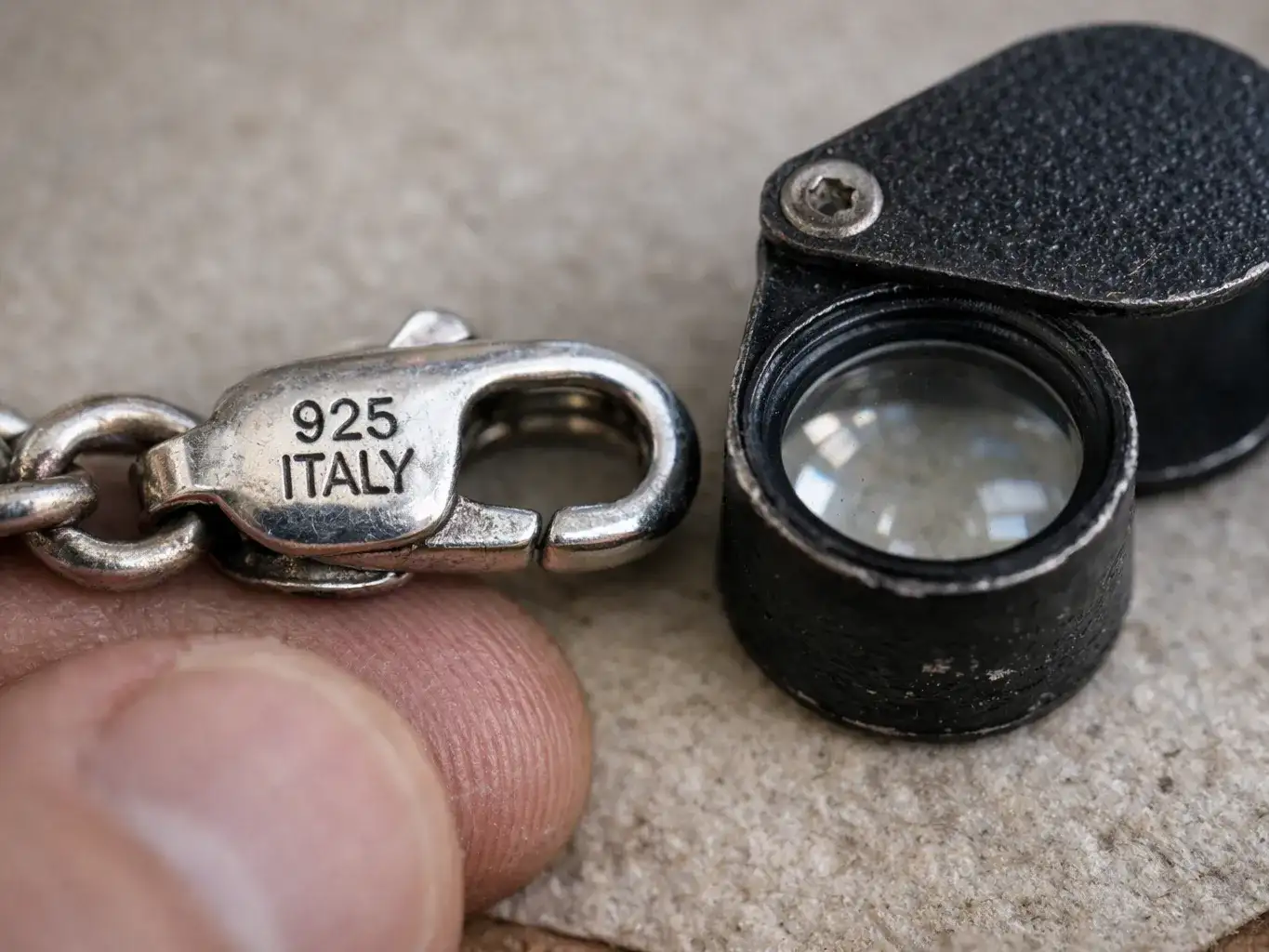
Understanding 923 Italy and Italian Silver Jewelry Marks: Complete Guide
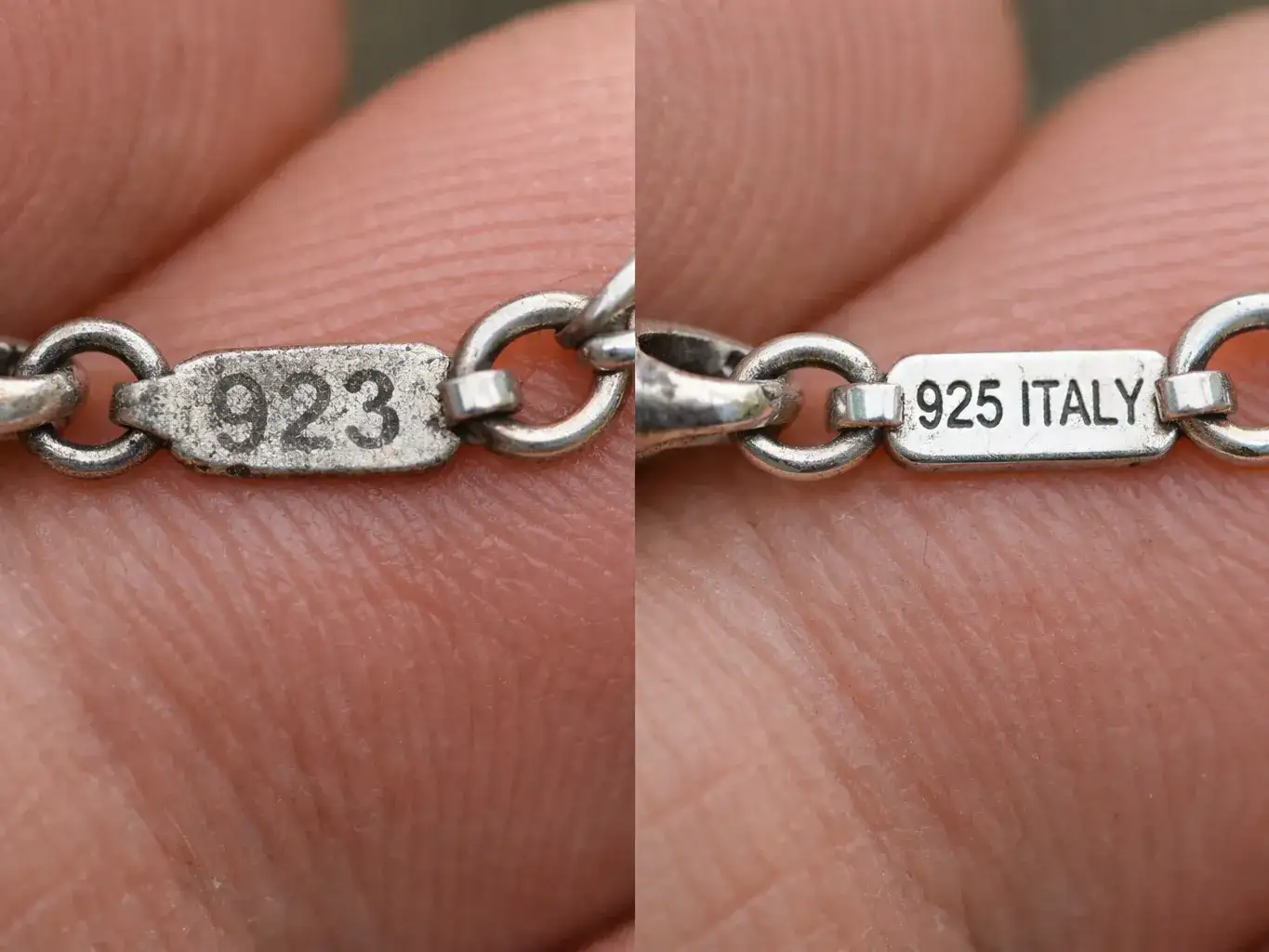
The Truth About “923 Italy” Markings
Here’s what you need to know upfront: 923 is not a recognized international silver purity standard. Unlike 925 (sterling silver) or 800 (common European silver), you won’t find 923 listed in official hallmarking systems or jewelry reference guides. So what does it mean when you see it stamped on a piece?
There are several possible explanations, and the most common is surprisingly simple: it’s likely a misread stamp. When silver jewelry wears down over time, the hallmark stamps can become partially obscured or worn. A “925” stamp can easily look like “923” if the middle portion of the “5” has worn away. This is especially common on pieces that have been worn frequently or stored improperly.
The second possibility is that what appears to be “923” might actually be a combination of different marks positioned close together. Italian jewelry often features multiple stamps including the fineness mark (like 925), the maker’s mark, and provincial codes. When viewed without magnification, these separate marks can sometimes blend visually and appear as a single “923” marking.
A third, less common explanation involves provincial codes or maker’s marks that use the numbers “923” as part of their registration system. However, these would typically appear alongside a separate fineness mark (like 925), not as the sole indication of metal content.
If you have a piece marked “923 Italy,” your first step should be to examine it carefully with a jeweler’s loupe under good lighting. Look for signs of wear that might obscure a “925” mark, check for multiple stamps that might be positioned close together, and search for additional markings that would clarify the metal’s true fineness.
Understanding 925 Italy: The Real Sterling Silver Standard
Now let’s talk about what you’re most likely actually looking at: 925 sterling silver. The “925” stamp is the internationally recognized hallmark for sterling silver, indicating that the piece contains 92.5% pure silver and 7.5% other metals—typically copper.
Why not use 100% pure silver? Pure silver (also called fine silver) is remarkably soft and malleable. It bends easily, scratches readily, and simply can’t hold up to the demands of everyday jewelry wear. By alloying silver with harder metals like copper, jewelers create a material that maintains silver’s beautiful luster while gaining the structural integrity needed for chains, rings, earrings, and other pieces meant to last generations.
The 925 standard emerged in England during the 12th century and has remained the benchmark for quality silver jewelry ever since. It strikes the optimal balance between purity and practicality—enough silver for that distinctive bright white shine and tarnish characteristics we associate with silver, with just enough copper to make the metal durable.
When you see “925 Italy” stamped on jewelry, you’re getting two pieces of information: the metal is sterling silver (925), and the piece has a connection to Italy—either manufactured there, designed by an Italian company, or produced under Italian quality standards. Italy has a rich centuries-old tradition of fine metalworking, particularly in regions like Veneto, Tuscany, and Lombardy. Italian silver craftsmanship is renowned worldwide for its attention to detail, innovative designs, and quality finishing work.
The “Italy” designation isn’t just marketing—it reflects a legacy of skill passed down through generations of Italian artisans who transformed silversmithing into an art form during the Renaissance and continue to set quality standards today.
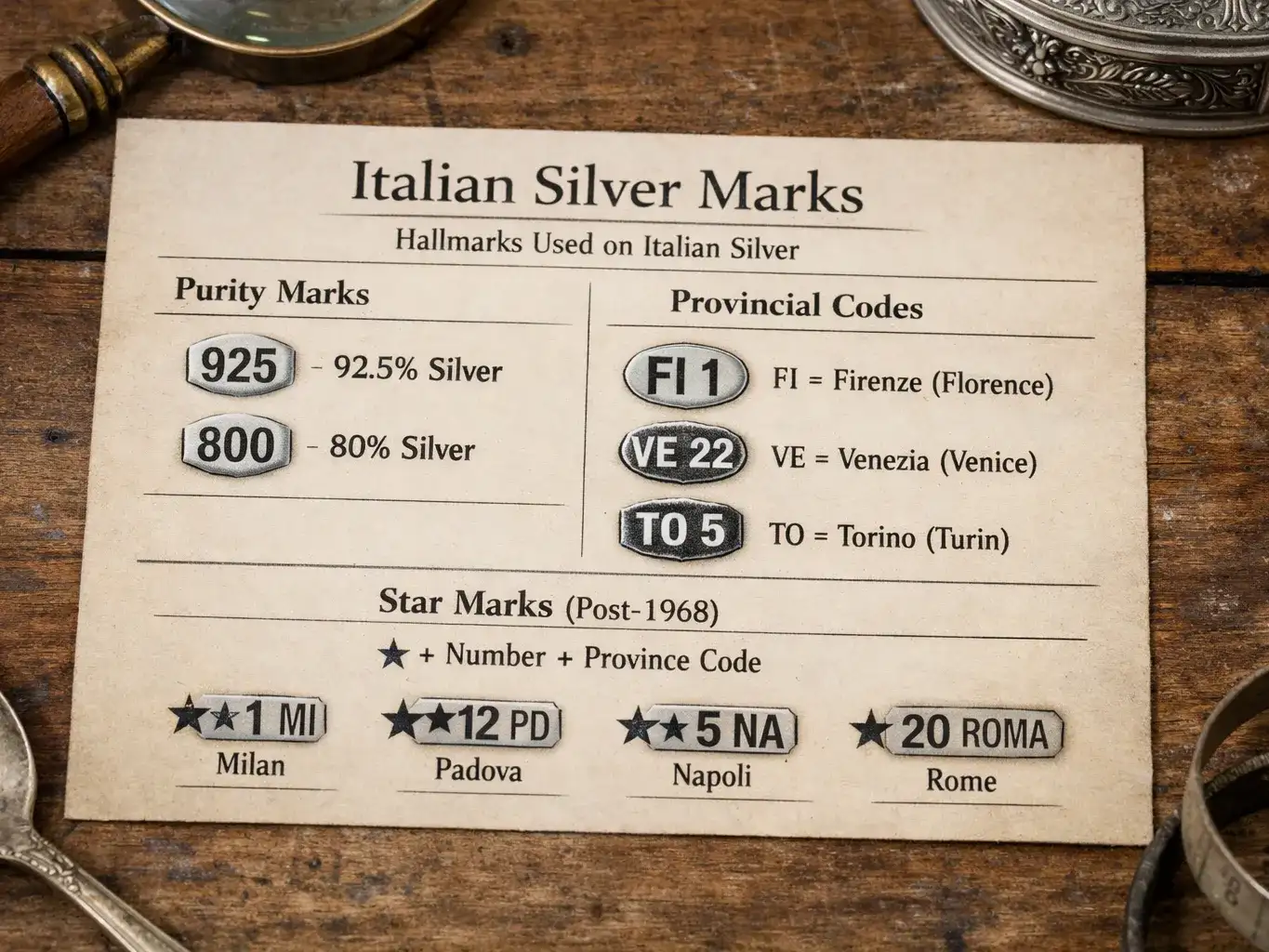
Complete Guide to Italian Silver Hallmarks
To truly understand your Italian silver jewelry, you need to know the language of hallmarks. Italian pieces often feature multiple stamps, each telling part of the story about the metal, maker, and origin. Here’s your comprehensive reference guide:
925 – Sterling Silver Standard
This is the primary mark you want to see. It confirms the piece is 92.5% pure silver. In Italy, this mark may appear as “925,” “.925,” or “S925.” It’s the international standard and the hallmark of genuine sterling silver.
800 – Common European Silver
You might encounter this mark on older or European pieces. The 800 stamp indicates 80% silver content—lower than sterling but still considered a quality silver alloy. This standard was widely used in Europe through much of the 20th century and remains common in Italian antique silver.
Provincial Codes
Italian silver often includes a code indicating the province of manufacture. Common examples include:
• MI or (MI) – Milano (Milan)
• VI – Vicenza
• FI – Firenze (Florence)
• AR – Arezzo
• NA – Napoli (Naples)
• RM – Roma (Rome)
• VE – Venezia (Venice)
These codes help authenticate pieces and can increase value for collectors interested in specific regional styles.
Star Symbol (⋆)
A star mark typically indicates the piece passed through an official Italian assay office for verification. This additional quality control mark provides another layer of authenticity assurance.
Lozenge/Diamond Shape with Number
Italian law requires manufacturers to register and receive an identification number. This appears in a lozenge or diamond-shaped frame and serves as the maker’s unique identifier. The presence of this mark strongly suggests genuine Italian manufacture.
Maker’s Marks
Individual silversmiths and jewelry houses add their own hallmarks—often initials, logos, or symbols. Well-known Italian jewelry houses like Buccellati, Bulgari, and UnoAErre have distinctive marks that significantly increase a piece’s value. Even lesser-known artisan marks can add historical interest and authenticity.
Time Period Identifiers
The style and combination of marks can help date a piece:
• Pre-1872: No standardized hallmarking system
• 1872-1935: Early national system implementation
• 1935-1968: Refined marking requirements
• 1968-present: Current system with provincial codes and registration numbers
Understanding these marks transforms a simple piece of jewelry into a story—telling you not just what it’s made of, but where it came from, who made it, and when it entered the world. For detailed Italian hallmark research, specialized databases can help you identify specific maker’s marks and trace the history of your pieces.
How to Identify Misread and Worn Stamps
One of the most common issues with vintage and frequently-worn jewelry is stamp degradation. What starts as a clear “925” can become ambiguous over time, leading to confusion. Here’s how to accurately read potentially compromised hallmarks:
Common Misreads You’ll Encounter:
• 923 instead of 925 (bottom portion of “5” worn away)
• 825 instead of 925 (top of “9” damaged)
• 823 instead of 925 (both issues combined)
• 935 instead of 925 (damage to middle digits)
The good news is that with the right approach, you can usually determine the correct marking. Start by examining the piece under magnification—a jeweler’s loupe with 10x magnification is ideal, though 30x provides even better detail for severely worn marks.
### 🔍 Recommended Tool for Hallmark Inspection
**30X 60X Illuminated Jeweler’s Loupe**
* ✓ Professional-grade 30X and 60X magnification
* ✓ Built-in LED light for detailed inspection
* ✓ Perfect for reading worn or tiny hallmarks
* ✓ Affordable at under $15

Step-by-Step Visual Inspection:
1. Clean the area around the stamp. Use a soft cloth and gentle silver polish to remove any tarnish or dirt obscuring the mark. Sometimes what appears to be damage is simply accumulated grime.
2. Use strong, directed lighting. Angle your light source to create shadows within the stamped impressions. This contrast makes partially worn numbers easier to read.
3. Look for context clues. If you see 925 commonly used worldwide and 923 almost never documented, probability strongly favors a worn 925 mark.
4. Check for other hallmarks. Authentic Italian pieces typically have multiple marks. If you see legitimate provincial codes, maker’s marks, or assay stamps alongside the questionable number, it increases the likelihood you’re dealing with real sterling silver where the 925 mark is simply worn.
5. Compare the patina and tarnish pattern. Sterling silver (925) has distinctive tarnishing characteristics. If your piece exhibits typical silver tarnish that responds to silver polish, it’s almost certainly sterling regardless of what the worn stamp appears to show.
When in doubt, a professional jeweler can perform non-destructive tests to confirm silver content regardless of stamp legibility. This is particularly important for valuable pieces or before making significant purchasing decisions based on marked content.
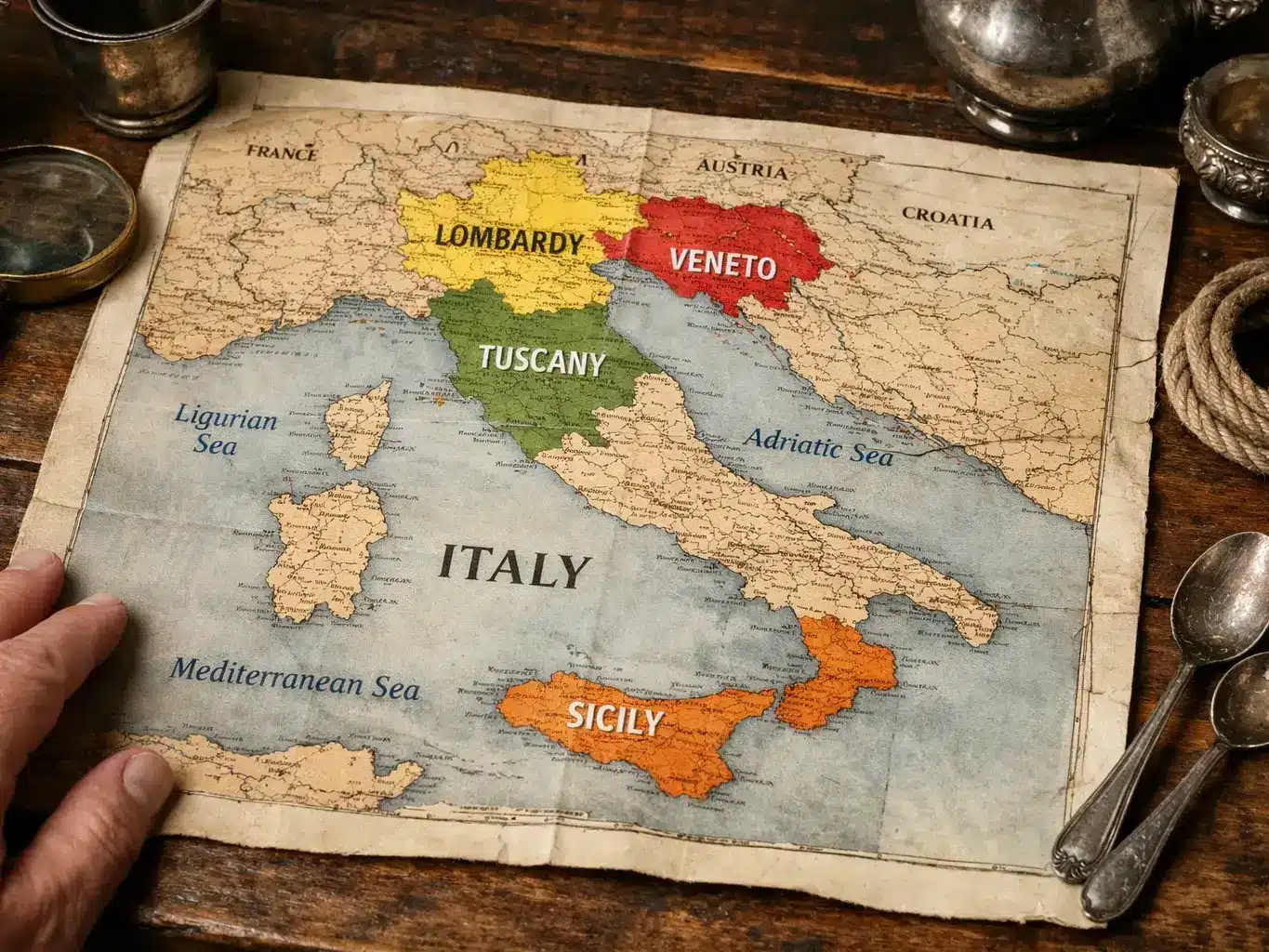
Regional Italian Silversmithing Traditions
Italy isn’t just one uniform jewelry tradition—it’s a collection of distinct regional styles, each with centuries of specialized techniques and aesthetic preferences. Understanding these regional characteristics helps you appreciate your pieces and can assist in authentication.
Veneto Region (Venice, Vicenza, Padua)
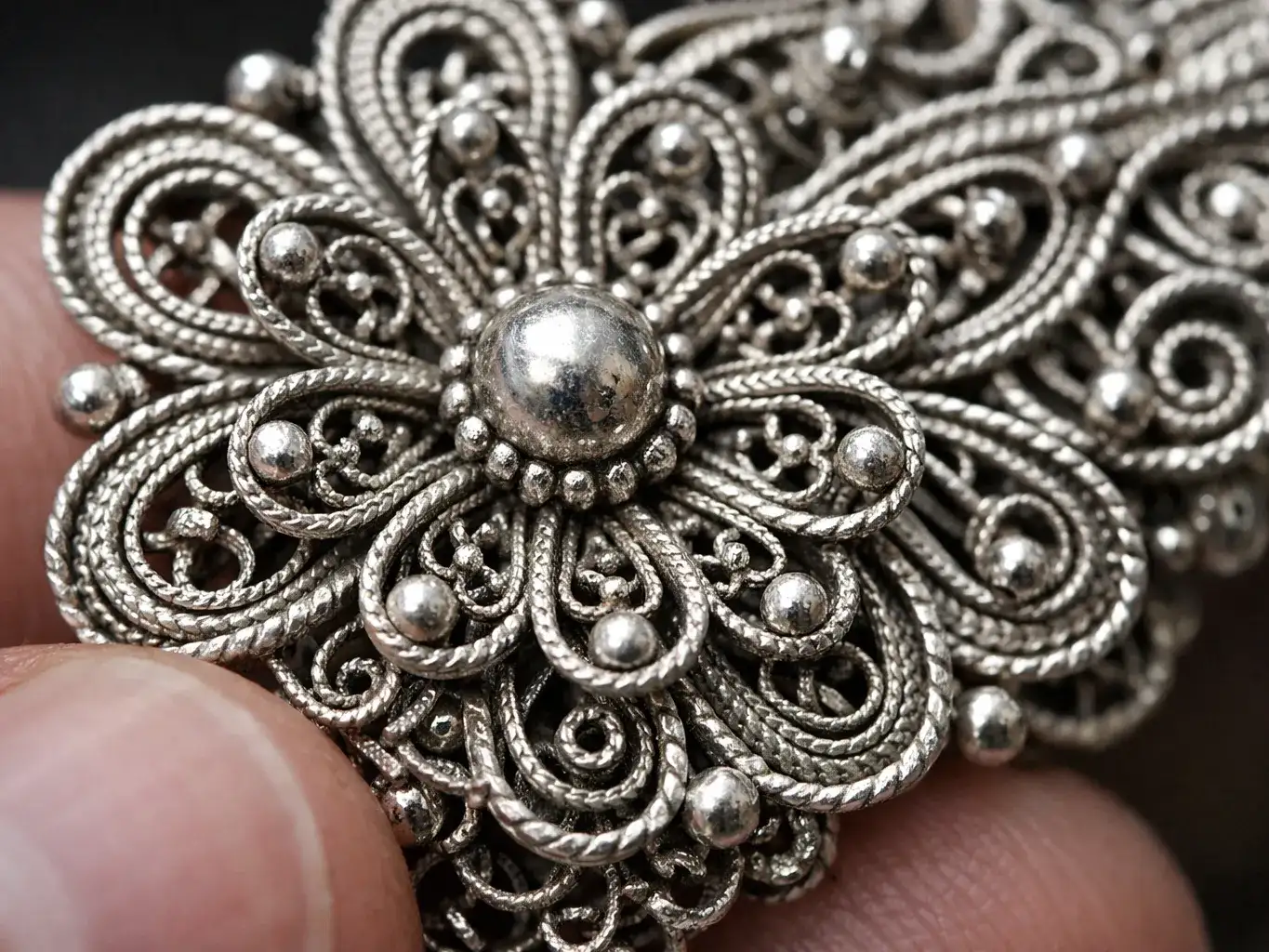
The Veneto area, particularly Venice and Vicenza, earned worldwide fame for filigree work—the art of shaping fine silver wire into delicate, lace-like patterns. Venetian silversmiths perfected this technique during the city’s golden age as a Mediterranean trade power. You’ll recognize Veneto pieces by their intricate wirework, often combined with glass beads or semi-precious stones. Vicenza remains Italy’s largest jewelry manufacturing hub today, producing both traditional and contemporary designs with exceptional quality control.
Tuscany (Florence, Arezzo)
Florence holds a special place in jewelry history as the Renaissance birthplace of modern goldsmithing and silversmithing. Florentine artisans like the legendary Benvenuto Cellini elevated metalwork to fine art. Tuscan silver typically features hand-engraving, repoussé (raised relief), and chasing techniques that create depth and dimension. Look for pieces with classical motifs, architectural elements, and the detailed surface texturing that defines Florentine craftsmanship. Arezzo, south of Florence, became a 20th-century jewelry manufacturing center known for quality chain production and technical innovation.
Lombardy (Milan)
Milan represents the modern, commercial side of Italian jewelry. As Italy’s financial and fashion capital, Milan’s jewelry tradition emphasizes contemporary design, clean lines, and commercial appeal. Milanese silver tends toward minimalist elegance and wearable everyday pieces. Many established jewelry companies have their headquarters in Milan, producing both high-end designer pieces and accessible fashion jewelry. The Milano provincial mark (MI) is one of the most common you’ll encounter.
Sicily
Sicilian silver reflects the island’s complex history of Greek, Arab, Norman, and Spanish influences. You’ll find bold geometric patterns, coral and lava stone inlays, and Moorish-inspired filigree that sets Sicilian work apart from mainland Italian styles. The tradition of combining silver with volcanic stones from Mount Etna is particularly distinctive to this region.
Regional identification isn’t always straightforward—many artisans traveled between centers, techniques spread, and modern manufacturing has blurred some distinctions. However, understanding these traditions helps you recognize authentic Italian craftsmanship and appreciate the cultural heritage embedded in your silver jewelry.
Authenticating Italian Silver: Complete Toolkit
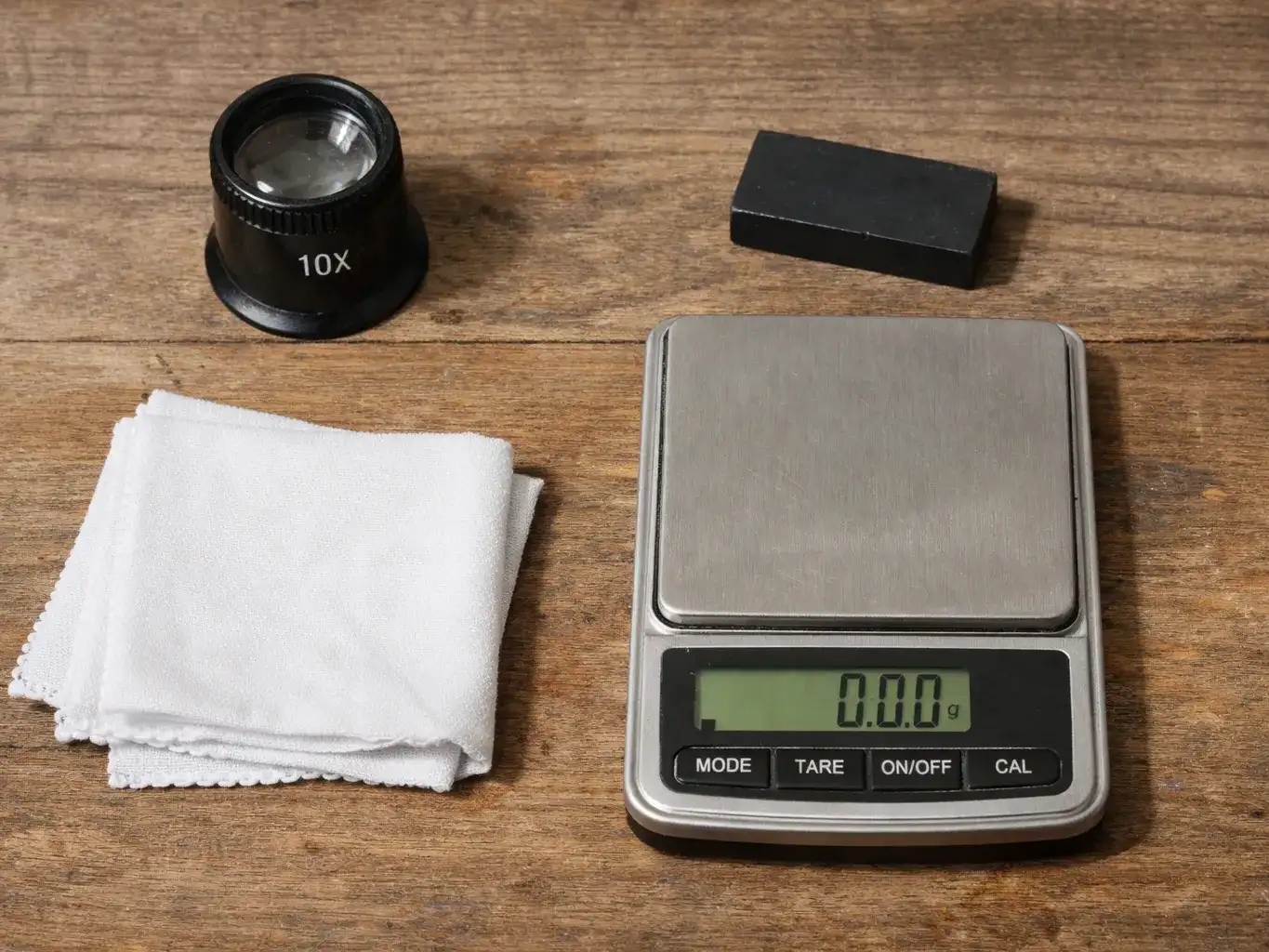
Whether you’re evaluating a potential purchase, verifying an inheritance, or simply curious about pieces you already own, proper authentication protects your interests and helps you understand what you have. Here’s your complete toolkit for verifying Italian silver:
Visual Inspection Checklist
Start with what you can see. Examine all stampings with magnification, looking for clear 925 marks, Italian provincial codes, maker’s marks, and the quality of the stamping itself. Authentic stamps are typically deep, crisp, and evenly applied. Suspicious signs include shallow stamps, irregular lettering, or marks that appear artificially aged.
Assess the overall craftsmanship. Italian silver, particularly pieces from established regions like Veneto or Tuscany, exhibits consistent finishing, tight joints where pieces connect, clean edges, and attention to detail. Poor soldering, rough edges, or sloppy construction suggest low quality regardless of stampings.
The Magnet Test (Non-Destructive)
Silver is non-magnetic. If a strong magnet attracts your piece, it contains significant ferrous metal and is not sterling silver. However, a negative result doesn’t guarantee authenticity—some base metals used in fakes are also non-magnetic. Use this as a preliminary screening tool, not definitive proof.
Weight Comparison
Sterling silver has substantial heft—it’s denser than most base metals used in costume jewelry. If you have a digital scale accurate to 0.1 grams, weigh your piece and compare it to known sterling examples of similar size. A chain that should weigh 15 grams but weighs 6 grams is likely plated or fake.
The Sound Test
Real silver produces a distinct ringing sound when tapped. Hold a chain or pendant loosely and tap it gently with a metal object (like a spoon). Sterling silver creates a clear, sustained ring. Base metals produce a duller, shorter sound. This test works best on solid pieces rather than chains.
The Rub Test
Rub your piece gently on a white cloth. Real silver will leave a slight black mark as surface oxidation transfers to the cloth. This is a benign reaction and won’t damage your jewelry. If you see green or other colors, you’re likely dealing with copper or brass.
### 🧼 Recommended Silver Care Product
* ✓ #1 jeweler-recommended silver polish
* ✓ Safe for Italian filigree and detailed work
* ✓ Removes tarnish without scratching
* ✓ Long-lasting formula

Professional Testing
For high-value pieces or when certainty is essential, professional testing provides definitive answers. Jewelers use X-ray fluorescence (XRF) testing that instantly and non-destructively determines exact metal composition. Acid testing is also available but requires removing a small amount of metal from an inconspicuous area. Professional authentication typically costs $20-50 per item and provides peace of mind for significant purchases.
When to Seek Professional Authentication:
• Before purchasing expensive vintage or antique pieces
• When selling valuable Italian silver
• For insurance documentation purposes
• When hallmarks are unclear or potentially altered
• Before accepting pieces as loan collateral
Documentation matters. Request and retain any paperwork accompanying your silver—original receipts, appraisals, authentication certificates, or provenance documentation. These add value and credibility when it’s time to sell or insure your pieces.
Determining the Value of Italian Silver
Understanding what your Italian silver is worth requires evaluating multiple factors. While many people focus solely on metal content, that’s just the starting point for valuable pieces.
Intrinsic Metal Value (The Foundation)
Start with a basic calculation:
Intrinsic Value = Weight (grams) × Fineness (0.925 for sterling) × Current Silver Spot Price (per gram)
For example, if you have a 20-gram 925 sterling silver bracelet and the current silver spot price is $0.80 per gram:
20g × 0.925 × $0.80 = $14.80
This is your baseline—the raw material value. However, finished jewelry typically sells for 2-10 times melt value depending on additional factors. You can check current silver prices on APMEX’s silver price page or similar precious metals sites.
Craftsmanship Premium
Italian silver commands premiums for several reasons:
• Hand-crafted pieces vs. mass-produced
• Traditional techniques (filigree, repoussé, engraving)
• Regional specialization (Venetian filigree, Florentine engraving)
• Complexity and detail level
• Artistic merit and design innovation
A machine-made chain might sell for 2-3× melt value, while a hand-crafted Venetian filigree pendant could command 5-10× melt value based on workmanship alone.
Brand and Maker Value
Pieces from recognized Italian jewelry houses carry significant premiums:
• Bulgari – Premium luxury brand, commands highest premiums
• Buccellati – Renowned for intricate hand-engraving
• UnoAErre – Respected manufacturer, moderate premiums
• Documented artisan makers – Variable premiums based on reputation
A Bulgari piece might sell for 10-50× melt value depending on design and demand. Even lesser-known but documented makers add 20-50% premiums over unmarked pieces of similar quality.
Condition Grading
Condition significantly impacts value:
• Mint/New: 100% of potential value
• Excellent: 80-95% (minimal wear, all parts intact)
• Very Good: 65-80% (light wear, fully functional)
• Good: 50-65% (noticeable wear, may need minor repair)
• Fair: 30-50% (significant wear, needs repair)
• Poor: Melt value only (damaged beyond practical repair)
Missing clasps, dented surfaces, broken chains, and heavy scratching reduce value substantially.
Rarity and Collectibility
Certain categories command premiums:
• Vintage pieces from specific eras (Art Deco, Mid-Century)
• Limited production runs
• Discontinued designs from major houses
• Regional specialties (Venetian filigree, Sicilian coral work)
• Historical significance (pre-WWII pieces)
Current Market Realities (2025)
As of late 2025, silver prices have shown volatility, currently trading around $24-28 per troy ounce ($0.77-0.90 per gram). Italian sterling silver jewelry finds healthy markets in:
• Online marketplaces (eBay, Etsy, Ruby Lane)
• Specialty vintage jewelry dealers
• Auction houses for high-end pieces
• Estate jewelry stores
• Direct collector sales
Generic Italian sterling chains typically sell for $2-4 per gram retail, while quality hand-crafted pieces fetch $5-15 per gram. Designer brands start at $20+ per gram and can reach hundreds per gram for iconic designs.
For insurance purposes, obtain professional appraisals updated every 2-3 years to reflect current market conditions and silver price fluctuations.
Italian Silver Throughout History
Understanding the historical context of Italian silver craftsmanship helps you appreciate your pieces and place them in their proper timeline. Italy’s silver tradition spans millennia and continues to influence global jewelry design today.
Ancient Foundations (Pre-1000 CE)
The Etruscans, who inhabited central Italy before the Roman Empire, developed advanced metalworking techniques including granulation—fusing tiny metal beads onto surfaces to create texture and pattern. The Romans inherited and refined these skills, using silver for both functional objects and personal adornment. Archaeological excavations across Italy have unearthed silver jewelry displaying remarkable sophistication.
Renaissance Golden Age (1400-1600)
The Renaissance transformed Italian silversmithing from craft to art. Florence led this revolution, producing masters like Benvenuto Cellini whose work set standards for generations. Silversmiths gained status as artists, signing their work and developing signature styles. The period established Italy’s reputation for excellence in metalworking that persists today.
Hallmarking System Establishment (1872)
Prior to Italian unification, each region maintained separate standards. The 1872 hallmarking law established the first national system, requiring silver items to carry stamps indicating fineness and maker. This brought order to a previously fragmented system and increased consumer confidence in Italian silver.
Modern System Implementation (1935-1968)
The 1935 refinements required provincial identification codes and manufacturer registration numbers, creating the comprehensive marking system collectors study today. The 1968 regulations established the current framework still in use, mandating clear fineness marks, provincial codes, and registered maker identifications.
Post-WWII Renaissance (1945-1980)
The post-war era saw Italian jewelry experience renewed global interest. Established houses like Bulgari expanded internationally, while regions like Vicenza developed large-scale quality manufacturing. Italian design became synonymous with elegance and innovation, influencing jewelry styles worldwide.
Contemporary Era (1980-Present)
Modern Italian silver combines traditional techniques with contemporary design and manufacturing technology. Vicenza remains Europe’s jewelry capital, producing everything from artisan one-of-a-kind pieces to commercial fashion jewelry. CAD design, laser cutting, and precision casting have joined time-honored hand techniques, allowing greater complexity and consistency while maintaining Italy’s quality reputation.
The Italian jewelry industry today employs over 30,000 skilled artisans and generates billions in annual revenue, with silver jewelry representing a significant segment. The tradition continues through jewelry schools, family workshops passing skills through generations, and major manufacturers maintaining high standards that justify the “Made in Italy” premium.
Common Scams and Red Flags
Unfortunately, the value and reputation of Italian silver attract counterfeiters. Knowing what to watch for protects your investment and helps you avoid disappointment.
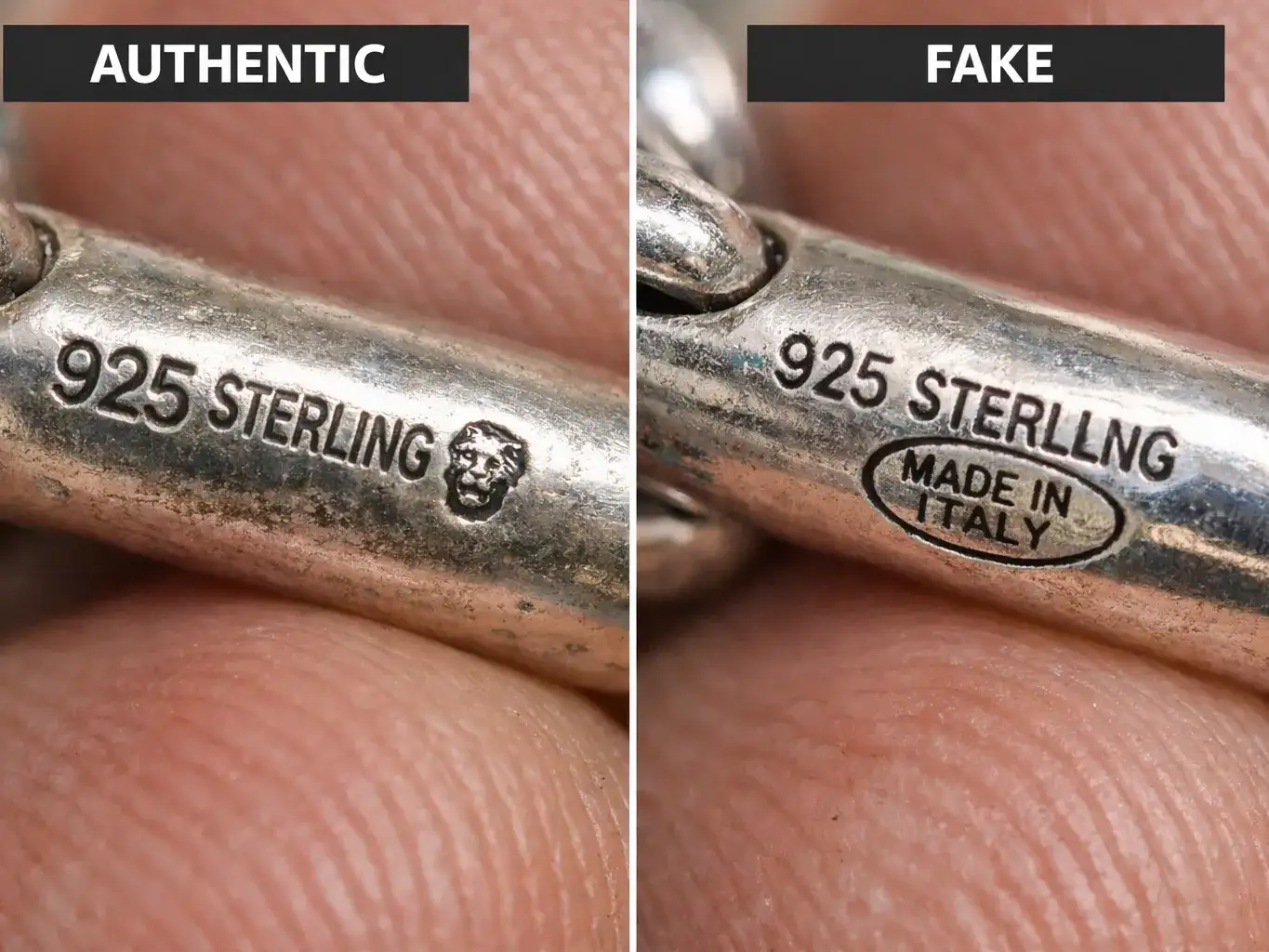
Fake Hallmarks
The most sophisticated scams involve applying authentic-looking stamps to low-quality silver or plated items. Warning signs include:
• Stamps that appear too perfect and machine-precise (authentic stamps show slight variation)
• Hallmarks positioned in unusual locations (genuine marks appear in specific spots)
• Multiple different stamping styles on one piece (suggests added marks)
• Stamps that rub off or fade quickly (real stamps are deeply impressed)
• Combinations of marks that don’t make historical sense (e.g., a 1920s provincial code with a 1980s maker’s mark)
Price Red Flags
If the price seems too good to be true, it probably is. A “Bulgari 925 Italy bracelet” selling for $30 on a random website isn’t authentic Bulgari—it’s either plated, fake-marked, or stolen. Research typical prices for similar pieces before buying.
Suspicious Seller Behaviors
Watch out for sellers who:
• Refuse to provide detailed photos of hallmarks
• Won’t accept returns or provide authenticity guarantees
• Make vague claims about “family heirlooms” without documentation
• Pressure you to buy immediately
• Can’t answer basic questions about the piece’s provenance
• Have numerous negative reviews mentioning authenticity issues
Geographic Red Flags
Pieces claimed to be Italian but shipping from China, India, or other non-Italian locations deserve extra scrutiny. While some Italian companies manufacture abroad, genuine vintage Italian silver shouldn’t originate from these areas. Request authentication documentation if the origin story doesn’t match the shipping location.
Documentation Issues
For expensive pieces, authentic sellers provide:
• Original purchase receipts or appraisals
• Authentication certificates from reputable sources
• Historical documentation for antique pieces
• Detailed photos showing all marks clearly
Absence of documentation doesn’t automatically mean fake, but it should trigger additional scrutiny and perhaps professional authentication before purchase.
Reporting Suspected Counterfeits
If you encounter likely counterfeits:
• Report to the selling platform (eBay, Etsy, etc.)
• Leave honest reviews warning other buyers
• Report to payment processors if you’ve been defrauded
• Contact brand companies if fake designer marks are involved
• File complaints with consumer protection agencies
Your vigilance helps protect the entire community of silver enthusiasts and collectors.
Caring for Your Italian Sterling Silver
Proper care preserves beauty and value while allowing you to enjoy your Italian silver for decades. Sterling silver requires more maintenance than gold or platinum, but the effort is minimal when you establish good habits.
Daily Care Basics
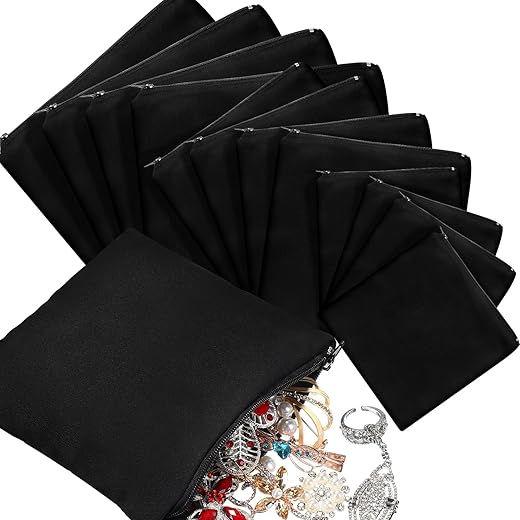
After wearing silver jewelry, wipe it with a soft, lint-free cloth to remove oils, sweat, and environmental residue. This simple habit prevents tarnish buildup and keeps pieces looking bright. Store silver separately—individual soft pouches or anti-tarnish bags prevent scratching and slow oxidation.
### 📦 Recommended Storage Solution
**Anti-Tarnish Jewelry Pouches (12-Pack)**
* ✓ Individual soft cloth pouches
* ✓ Anti-tarnish lining protects silver
* ✓ Perfect for chains and delicate pieces
* ✓ Prevents scratching during storage
Cleaning Methods
For light tarnish, use a quality silver polishing cloth. These work through gentle abrasion and chemical tarnish removal. For pieces with intricate details like filigree, use a soft-bristled brush (a baby toothbrush works well) with mild dish soap and warm water. Rinse thoroughly and dry immediately with a soft cloth.
Avoid ultrasonic cleaners for pieces with:
• Filigree or delicate wirework
• Gemstone settings (vibration can loosen stones)
• Pearls or porous stones
• Repair work or weak joints
Commercial silver dips work quickly but can be harsh on detailed work. Use them sparingly and rinse immediately and thoroughly.
Storage Best Practices
Store silver in cool, dry locations away from direct sunlight. High humidity accelerates tarnishing—consider adding silica gel packets to storage areas. Never store silver in plastic bags (they trap moisture) or rubber bands (rubber contains sulfur that causes tarnish). Avoid storing different metals together—contact between silver and other metals can cause discoloration.
Professional Cleaning
Annual professional cleaning by a jeweler helps maintain pieces and allows inspection for wear or damage. Professional cleaning is especially important for:
• Valuable antique pieces
• Heavily tarnished jewelry
• Pieces with complex details you can’t clean at home
• Items with gemstones requiring special care
Professional cleaning typically costs $15-30 per piece and includes inspection of clasps, chains, and settings—valuable preventive maintenance.
Special Considerations for Italian Craftsmanship
Italian silver’s signature techniques require specific care:
• Filigree: Avoid harsh mechanical cleaning that can catch and pull delicate wires
• Granulation: Never use abrasive compounds that can wear away tiny beads
• Engraving: Gentle cleaning preserves crisp details
• Stone settings: Check regularly for loose stones; Italian jewelers often use delicate prong settings
When in doubt, consult a jeweler familiar with Italian craftsmanship before attempting aggressive cleaning on valuable pieces.
Where to Buy Authentic Italian Silver
Finding authentic Italian silver requires knowing where to look and what to verify before purchasing. Different venues offer distinct advantages and challenges.
Online Marketplaces
eBay: Massive selection of vintage and contemporary Italian silver. Verify seller reputation (look for 98%+ positive feedback and high transaction numbers), request detailed photos of all hallmarks, ask specific questions about condition and authenticity, and use payment methods that offer buyer protection. Be cautious of newly established sellers and those with generic photos.
Etsy: Better for artisan-made and vintage pieces. Many established dealers specialize in Italian jewelry. Etsy’s review system provides good transparency. Still verify hallmarks and request additional photos.
Ruby Lane and 1stDibs: Higher-end venues with more vetting of sellers. Expect to pay premiums but gain additional confidence in authenticity and quality.
Physical Venues
Antique Markets and Shows: Excellent for finding vintage Italian silver at fair prices. Bring a jeweler’s loupe, test kit, and knowledge of hallmarks. Many dealers are negotiable, especially for cash purchases. Build relationships with reputable dealers.
Estate Sales: Can yield excellent finds at below-market prices. Arrive early for best selection. Be prepared to authenticate on the spot—bring basic testing tools. Estate sale companies vary in jewelry knowledge, so opportunities exist for informed buyers.
Specialized Jewelry Dealers: Dealers focusing on vintage or estate jewelry often have Italian silver. You’ll pay retail prices but gain expertise and usually some form of authenticity guarantee. Good for learning and establishing trusted sources.
What Documentation to Request
For any significant purchase, ask for:
• Clear photos of all hallmarks and stamps
• Weight measurement
• Condition assessment
• Any available provenance or history
• Prior appraisals or authentication certificates
• Return policy details in writing
Return Policy Essentials
Never buy expensive silver without a clear return policy. Legitimate sellers of authentic pieces offer returns because they’re confident in their items. Red flags include “no returns,” “final sale,” or vague return terms. A 30-day return window with full refund protection is ideal.
Import Considerations
When buying from overseas (especially from Italy directly):
• Understand customs duties and import taxes
• Verify seller’s return policy covers international returns
• Use payment methods with fraud protection
• Request detailed customs declarations to avoid delays
• Consider insurance for valuable shipments
Building a collection of authentic Italian silver takes patience, knowledge, and relationships with trustworthy sources. Start small, learn continuously, and focus on pieces that bring you joy regardless of investment potential.
Frequently Asked Questions About Italian Silver Jewelry
What does 923 Italy mean on jewelry?
The mark “923 Italy” is not a standard international silver fineness marking. Most commonly, what appears to be “923” is actually a worn or misread “925” stamp, which indicates sterling silver (92.5% pure silver). Other possibilities include a combination of separate marks positioned close together or a provincial code used alongside but separate from the purity mark. If you see “923 Italy” on a piece, examine it carefully with magnification under good lighting—you’ll likely find it’s actually marked “925” with wear obscuring the bottom of the “5.”
How can I tell if my Italian silver jewelry is real 925 sterling?
Start by examining all hallmarks with a jeweler’s loupe, looking for clear “925” stamps along with Italian provincial codes and maker’s marks. Perform basic tests: the magnet test (real silver is non-magnetic), the weight test (sterling silver has substantial heft), and the rub test (silver leaves slight black marks on white cloth from surface oxidation). For valuable pieces or when certainty is essential, professional X-ray fluorescence testing provides definitive metal composition analysis without damaging your jewelry. Authentic Italian silver typically bears multiple stamps including fineness, provincial code, and often a maker’s mark.
Is 925 Italy silver worth anything?
Yes, 925 Italy silver has both intrinsic metal value and often additional value from craftsmanship and origin. The base value equals the weight times silver content (92.5%) times current silver spot price—typically $0.77-0.90 per gram as of late 2025. However, finished Italian silver jewelry typically sells for 2-10 times melt value depending on craftsmanship, condition, maker, and design. Hand-crafted pieces with traditional techniques command higher premiums, while pieces from renowned Italian jewelry houses like Bulgari or Buccellati can be worth many times their metal content. Generic chains might fetch $2-4 per gram retail, while quality artisan pieces sell for $5-15 per gram or more.
What’s the difference between 800 and 925 Italian silver?
The numbers indicate silver content percentage: 800 means 80% silver with 20% other metals, while 925 means 92.5% silver with 7.5% alloy. Sterling silver (925) is the international standard for quality silver jewelry and was adopted widely in the 20th century. The 800 standard was common in Europe, including Italy, particularly in older pieces from the early-to-mid 1900s. While 800 silver is legitimate and acceptable, 925 sterling is generally preferred for its higher silver content, superior luster, and better resistance to tarnishing. Both are valuable, but 925 pieces typically command higher prices due to greater silver content and modern market preferences.
How do I clean Italian filigree silver without damaging it?
Italian filigree requires gentle care to preserve delicate wirework. Use a soft-bristled brush (baby toothbrush works well) with mild dish soap and warm water, gently working around the wire patterns. Rinse thoroughly with clean water and pat dry immediately with a soft, lint-free cloth. Avoid ultrasonic cleaners, which can catch and damage fine wires. Never use harsh abrasives or aggressive polishing that might pull or distort the wirework. For stubborn tarnish, use a quality silver polishing cloth with gentle pressure. If the piece is valuable or heavily tarnished, consider professional cleaning by a jeweler experienced with delicate Italian craftsmanship.
Where can I find authentic Italian provincial silver marks?
Italian provincial marks appear as abbreviations on silver jewelry: MI (Milano/Milan), VI (Vicenza), FI (Firenze/Florence), AR (Arezzo), VE (Venezia/Venice), RM (Roma/Rome), and NA (Napoli/Naples) are the most common. These codes appear alongside the fineness mark (like 925) and help authenticate Italian origin while indicating the manufacturing region. Regional specialties include Venetian filigree, Florentine engraving, and Vicenza’s contemporary manufacturing excellence. For comprehensive hallmark research, specialized databases like 925-1000.com provide detailed Italian marking systems across different time periods. Provincial marks particularly add value for collectors interested in specific regional traditions and can help date pieces based on marking system changes throughout Italian hallmarking history.
Conclusion: Making Informed Decisions About Italian Silver
The confusion surrounding “923 Italy” markings highlights why jewelry education matters. Now you understand that 923 is not a recognized standard—what appears to be “923” is almost certainly a worn or misread “925” sterling silver mark. You know the authentic Italian silver hallmarks to look for, how to distinguish genuine pieces from counterfeits, and what your Italian silver is truly worth.
Italian sterling silver jewelry represents a beautiful intersection of precious material, centuries-old craftsmanship traditions, and timeless design. Whether you’re collecting Venetian filigree, wearing a modern Milan chain, or cherishing a Florentine family heirloom, you’re participating in a tradition that stretches back to the Renaissance and continues to set global standards for quality.
When evaluating any piece, remember the complete authentication checklist: examine hallmarks with magnification, assess craftsmanship quality, verify weight and construction, perform simple non-destructive tests, and consult professionals for valuable items. Don’t rely solely on stamps—consider the entire picture including provenance, construction quality, and whether the piece exhibits the characteristics of genuine Italian craftsmanship.
Your Italian silver deserves proper care to maintain its beauty and value. Establish simple habits of wiping after wear, proper storage in anti-tarnish pouches, and regular but gentle cleaning. These practices preserve your pieces for future generations while allowing you to enjoy them daily.
Whether you’re buying, selling, collecting, or simply appreciating Italian silver jewelry, knowledge protects your investment and enhances your enjoyment. Use the comprehensive information in this guide as your reference when questions arise, and don’t hesitate to seek professional guidance for significant decisions.
For more information on caring for your jewelry, see our comprehensive silver cleaning guide. If you’re interested in exploring more Italian jewelry styles, visit our vintage jewelry collection. To learn more about silver jewelry generally, check out our complete silver jewelry resource.

Hi, I’m Sara Hein, a passionate jewelry researcher and educator. I created Jewelry Carats to share well-researched insights on gemstones, precious metals, and jewelry care. My goal is making expert jewelry knowledge accessible to everyone.